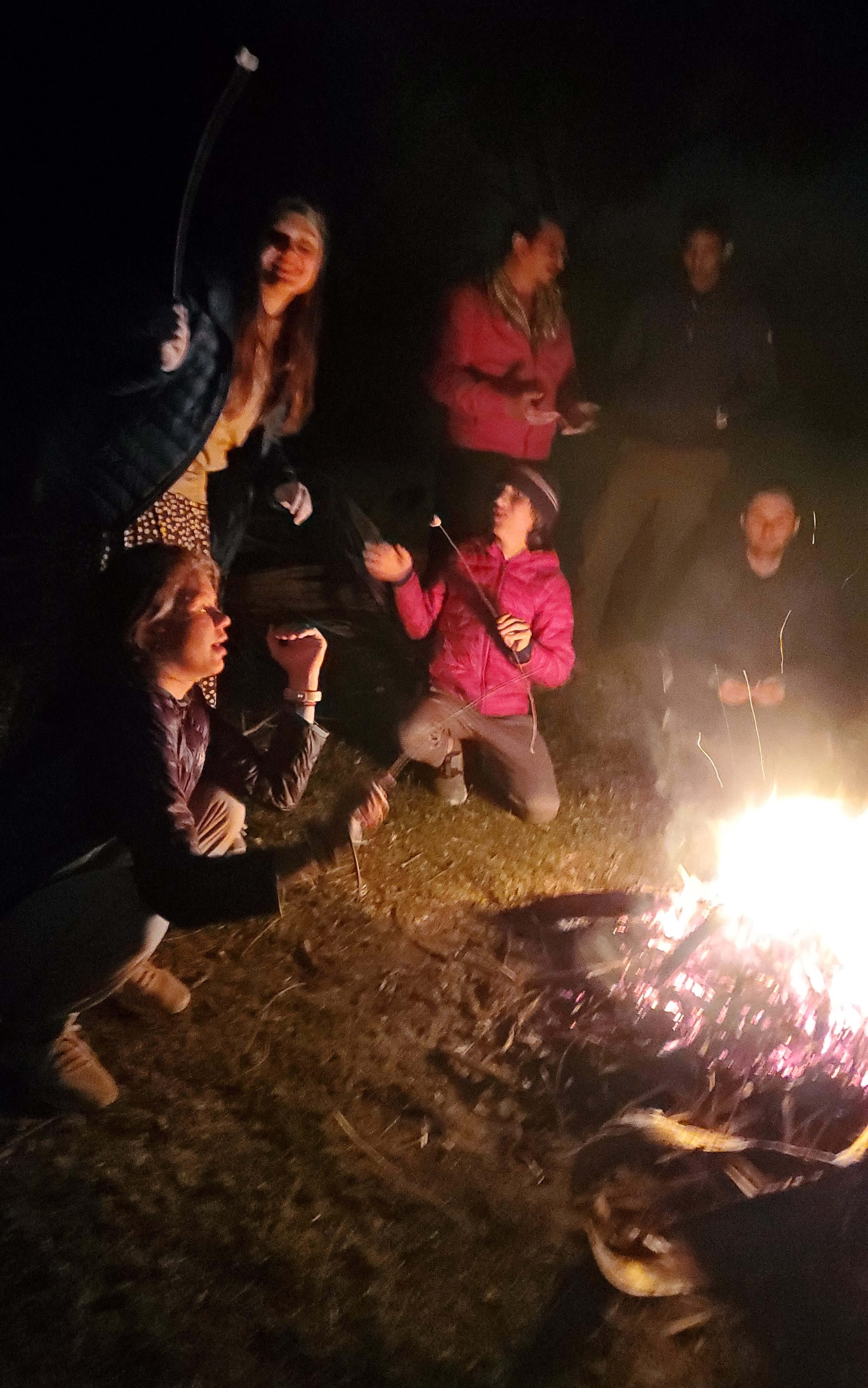
We loved the felucca and wished it had lasted past an early breakfast. Another tour group camped on the same bank we did and used fallen palm branches to start a campfire. Our guide had picked up a package of Egyptian marshmallows (much smaller, don’t puff up, but gets golden and tastes sweet) and the party group had a wireless speaker, bad 80’s music, and they weren’t afraid to use either. The girls loved it, Wes gorged on marshmallows, and I think it will be a memory will all recall fondly tomorrow and in twenty years. And with enough blankets and clothes, we didn’t freeze that night. [Allegedly, it was hot last week, but we’ve rarely taken off our puff coats this week.]

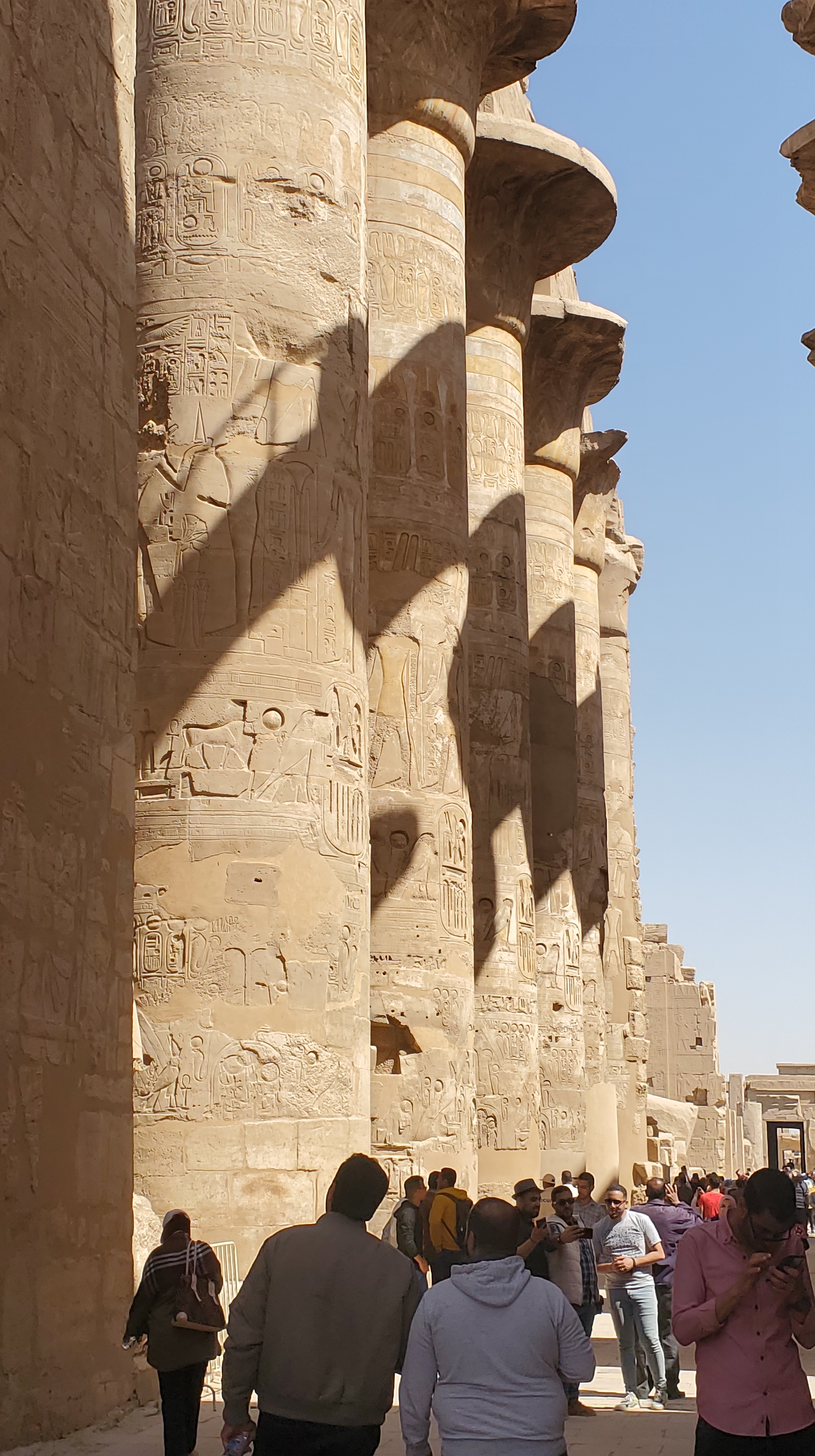
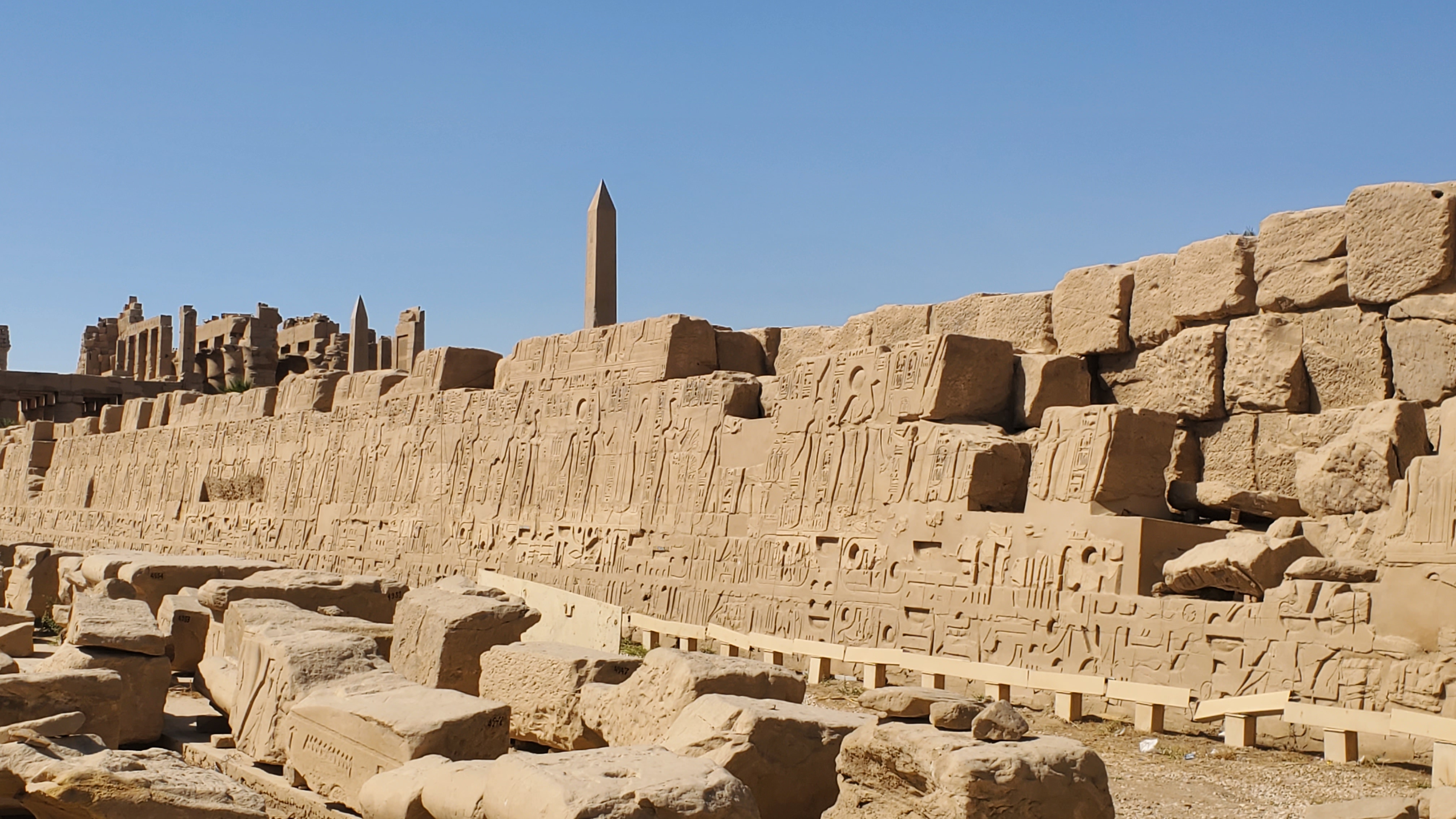
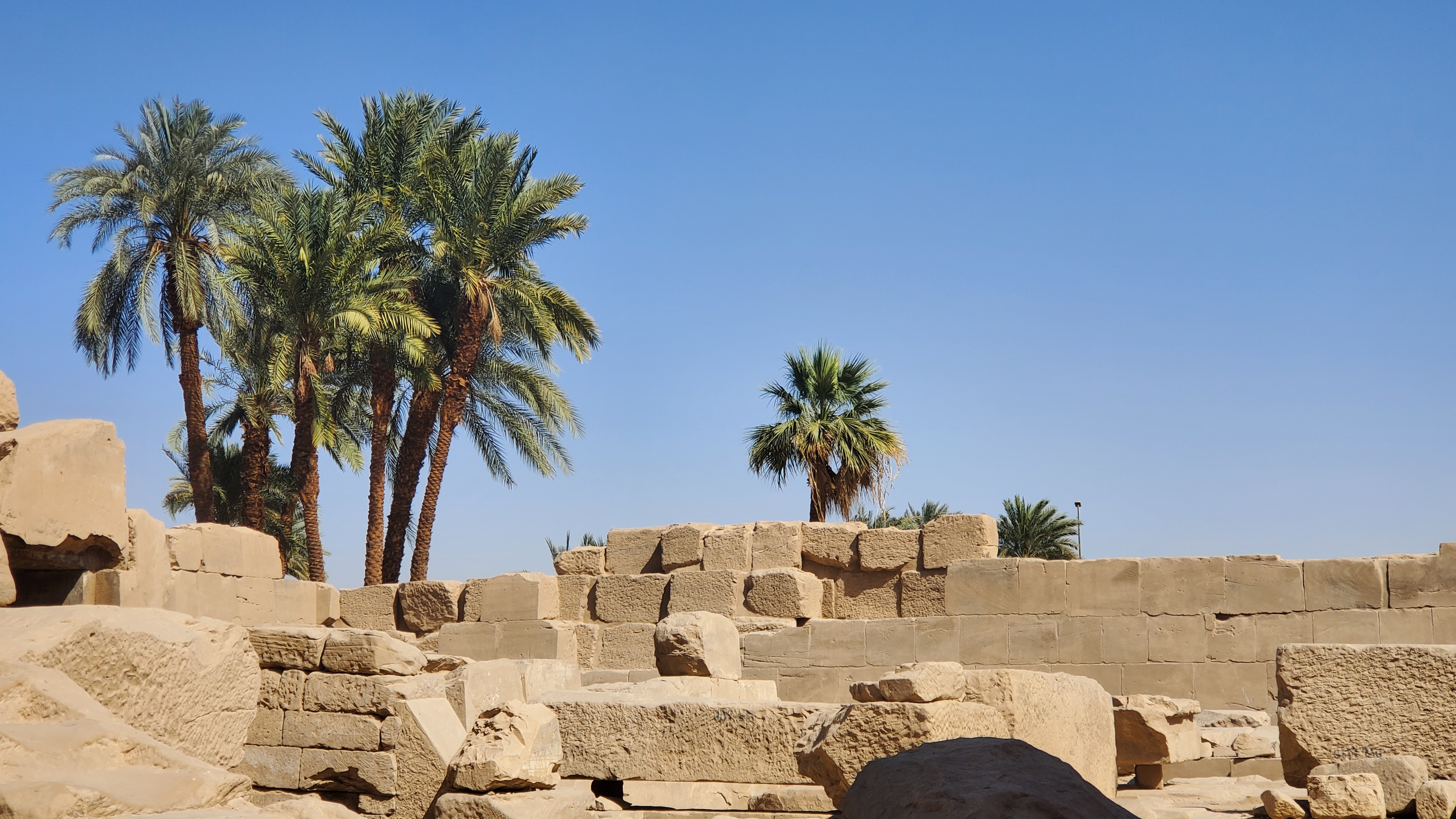
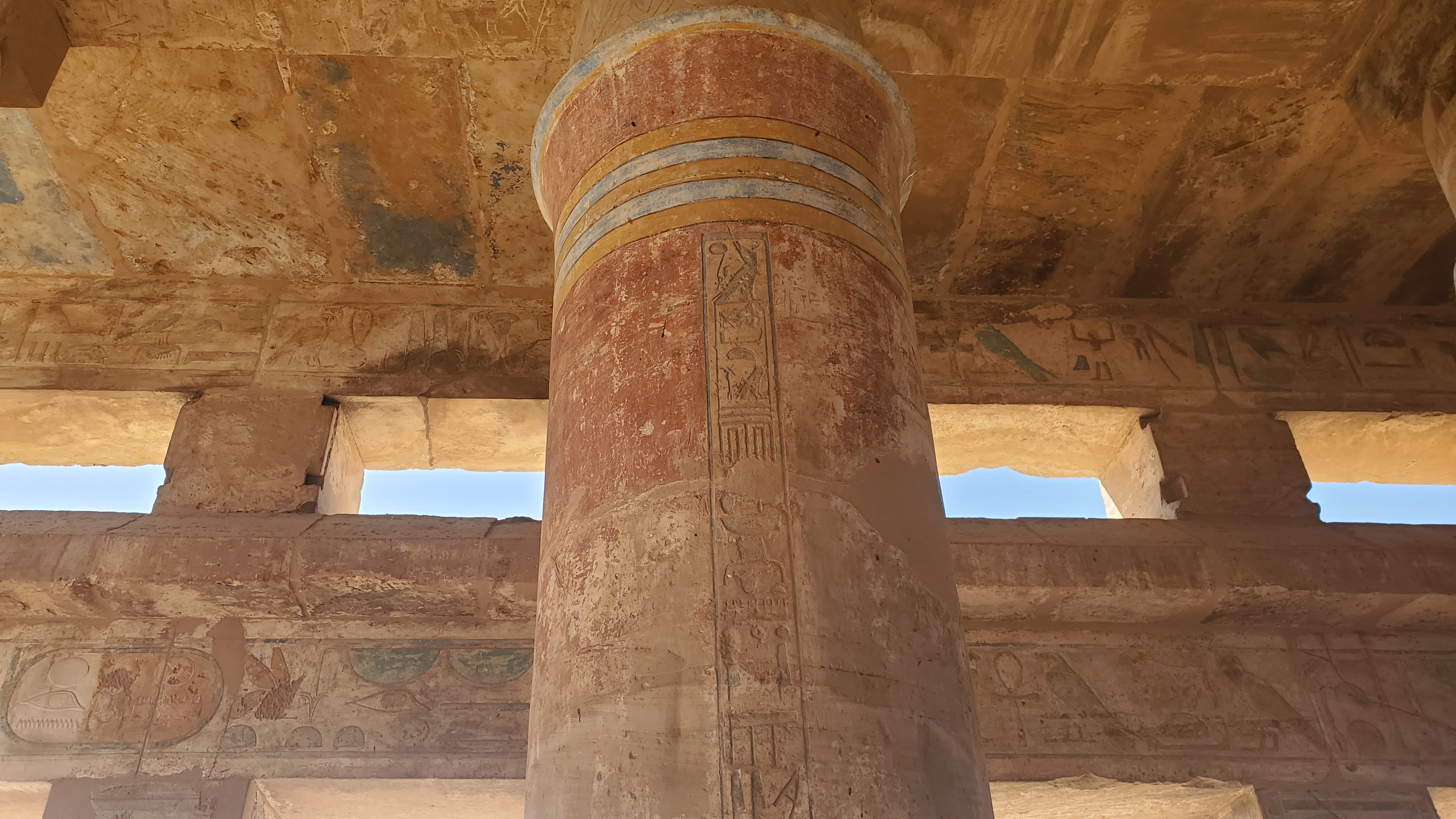
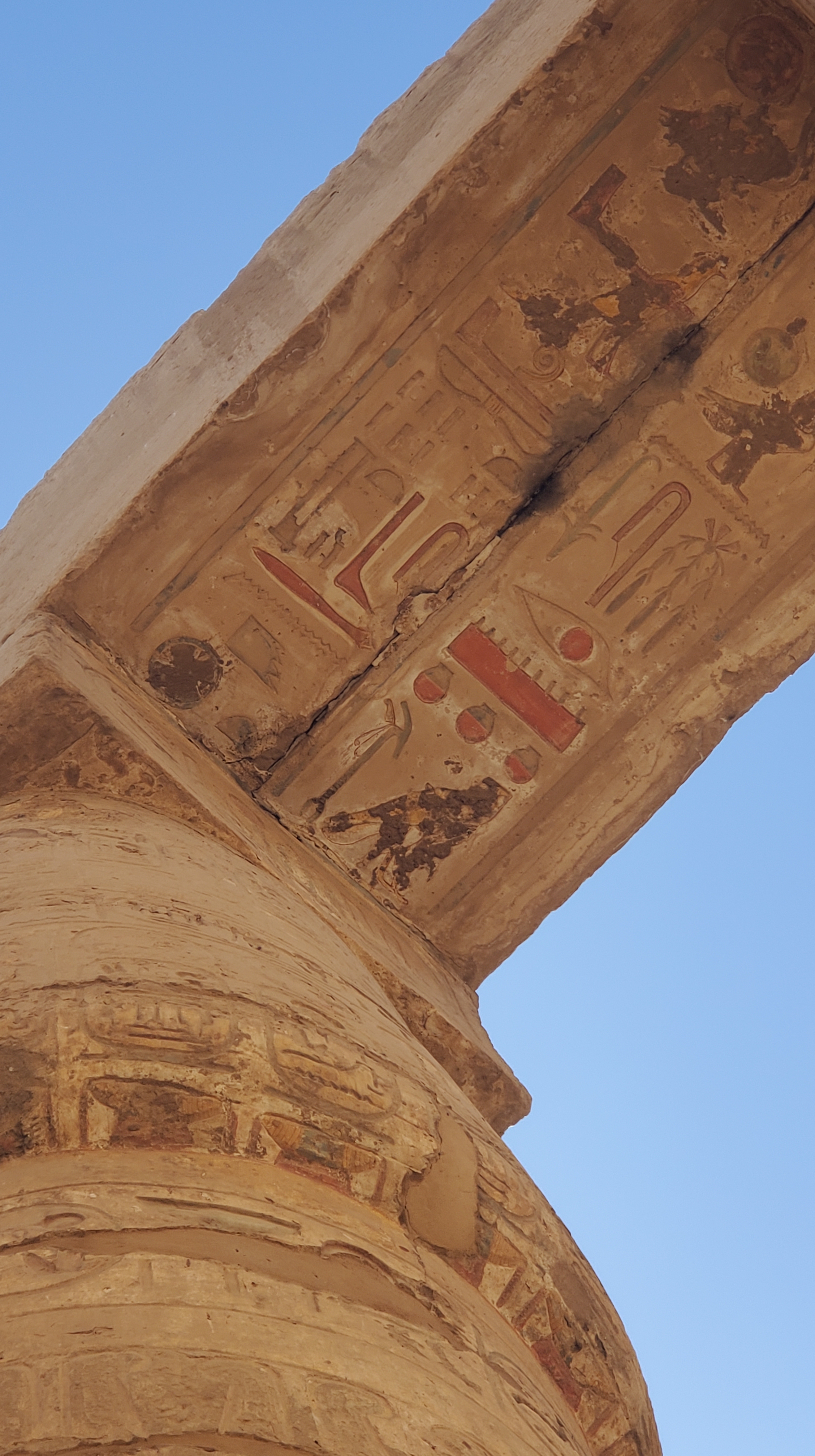
The drive to Luxor from where the felucca stopped was the Five Hours That Broke Our Kids in Egypt. We bribed them with anti-whine ice cream to spend a few hours at Karnak Temple, a structure that was added onto for 2000 years as king after king “humbly” built temples for their gods. We saw some of our first images in their original colors—what a difference it made, and one can begin to imagine how stunning they were in their first millennium or so.
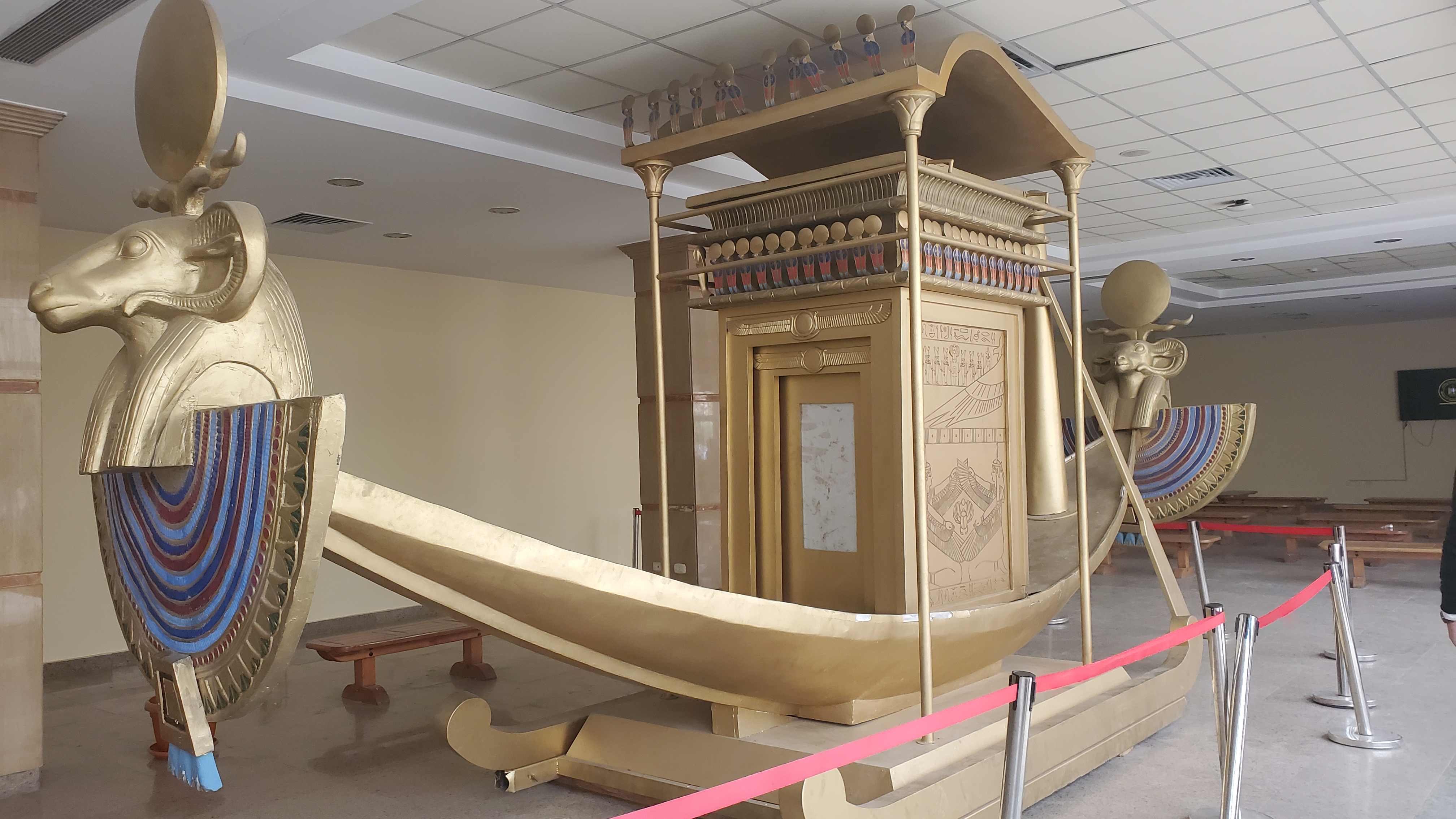
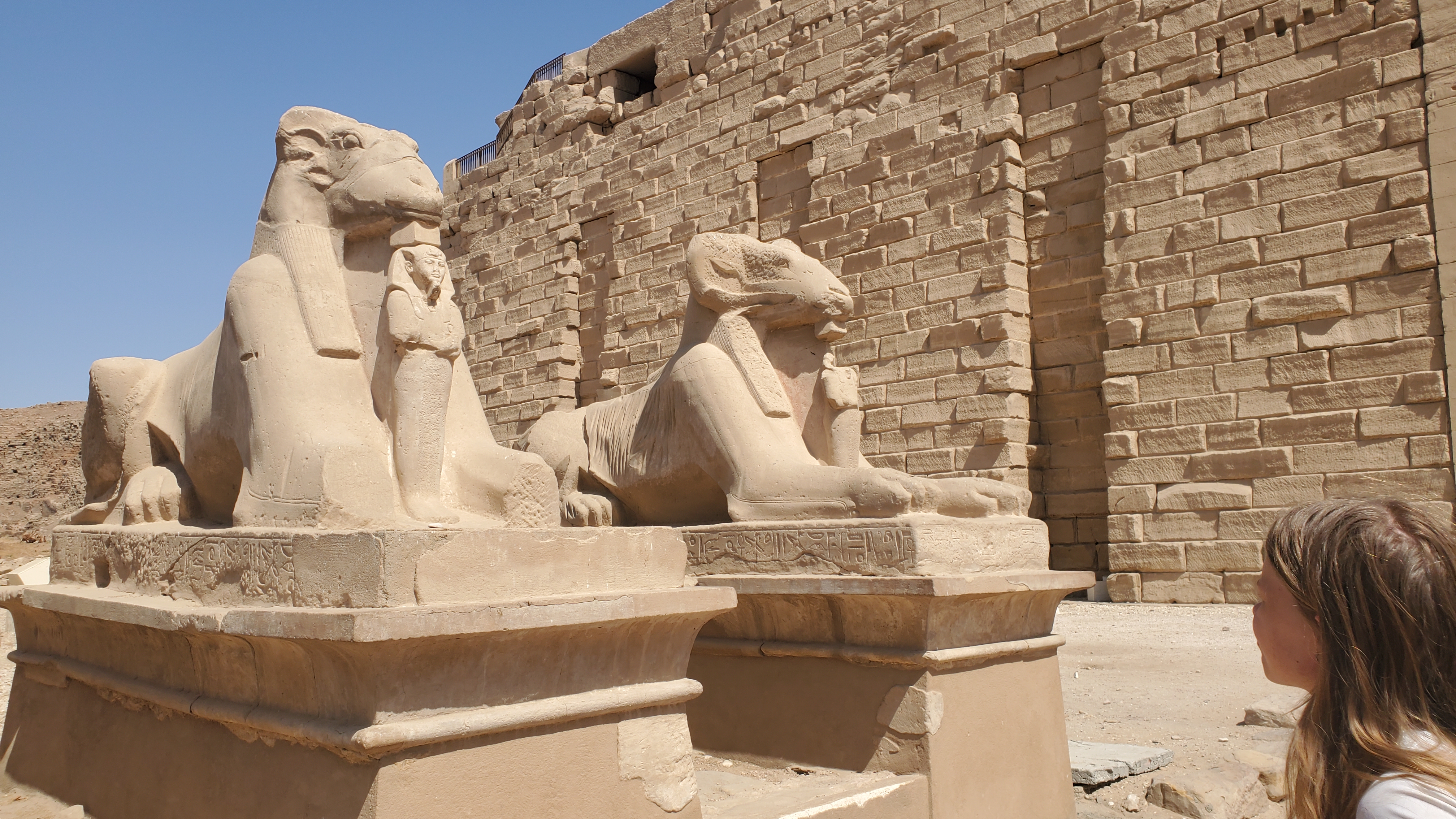

Next to our hotel is the Luxor Temple with its recently semi-restored Avenue of Sphinxes that runs from it to the Moon Temple at Karnak, about 3km distance. This is my view as I type this.

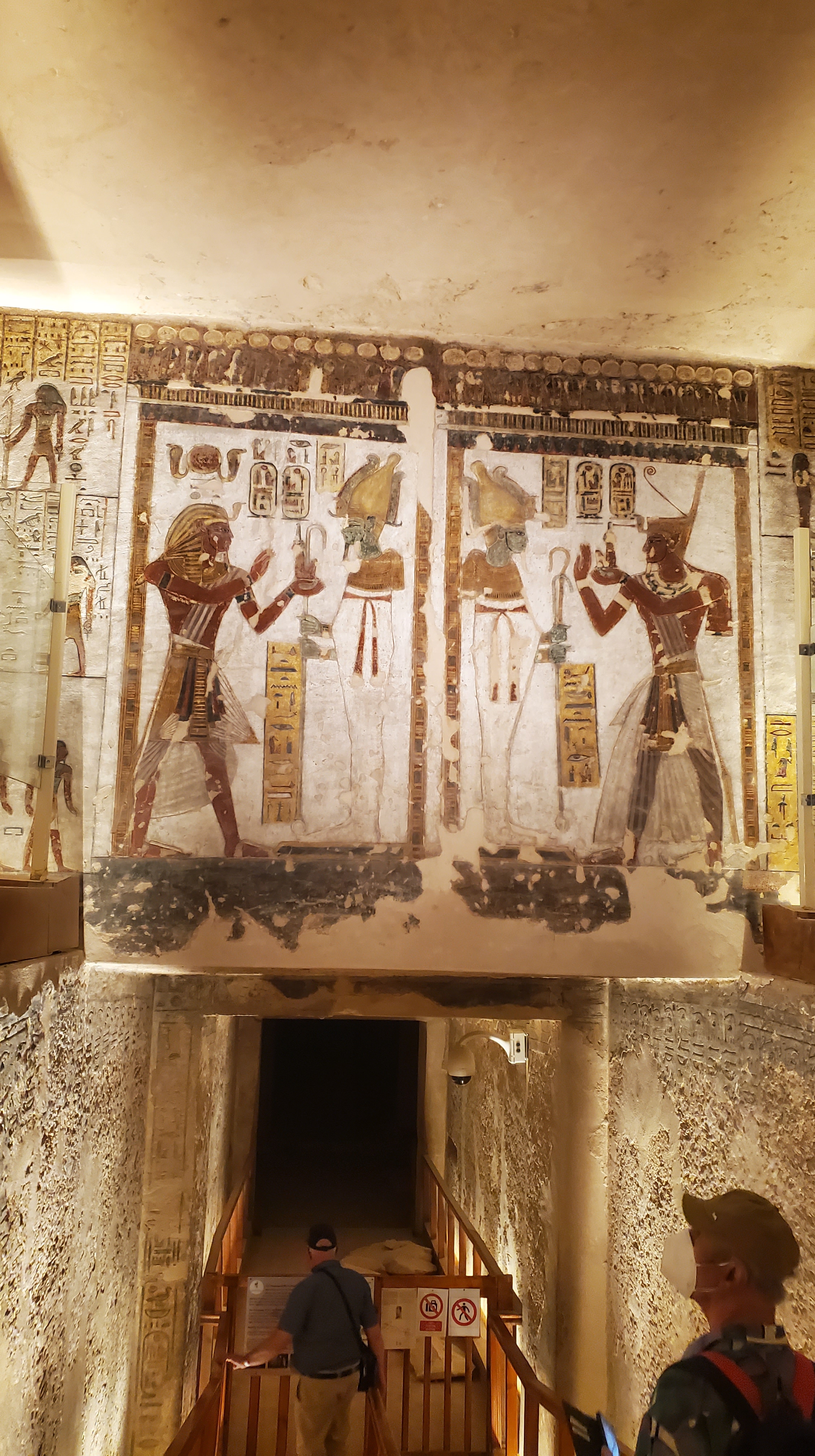
Today, we ended our tourist time in Egypt with a trip to the Valley of the Kings and the City of the Workers. There are logistical issues with building a new pyramid complex for each new king and by the New Kingdom era, pharaohs were building caverns into a pyramid-like hillside. Workers were blindfolded on the way there so they wouldn’t know exactly where this giant underground treasury was (but at least not killed upon completion). This is where King Tut’s tomb was found. Because each burial was top secret, when a new king would have his built, it sometimes ran into an old one. Tut’s was a relatively small one built accidentally between two bigger ones. If you were looking at the landscape and had to decide where to start digging, you probably wouldn’t choose this tiny area between two other tombs, which is why many think King Tut’s puny burial site was the only one –so far— that has been discovered intact over so many millennia.

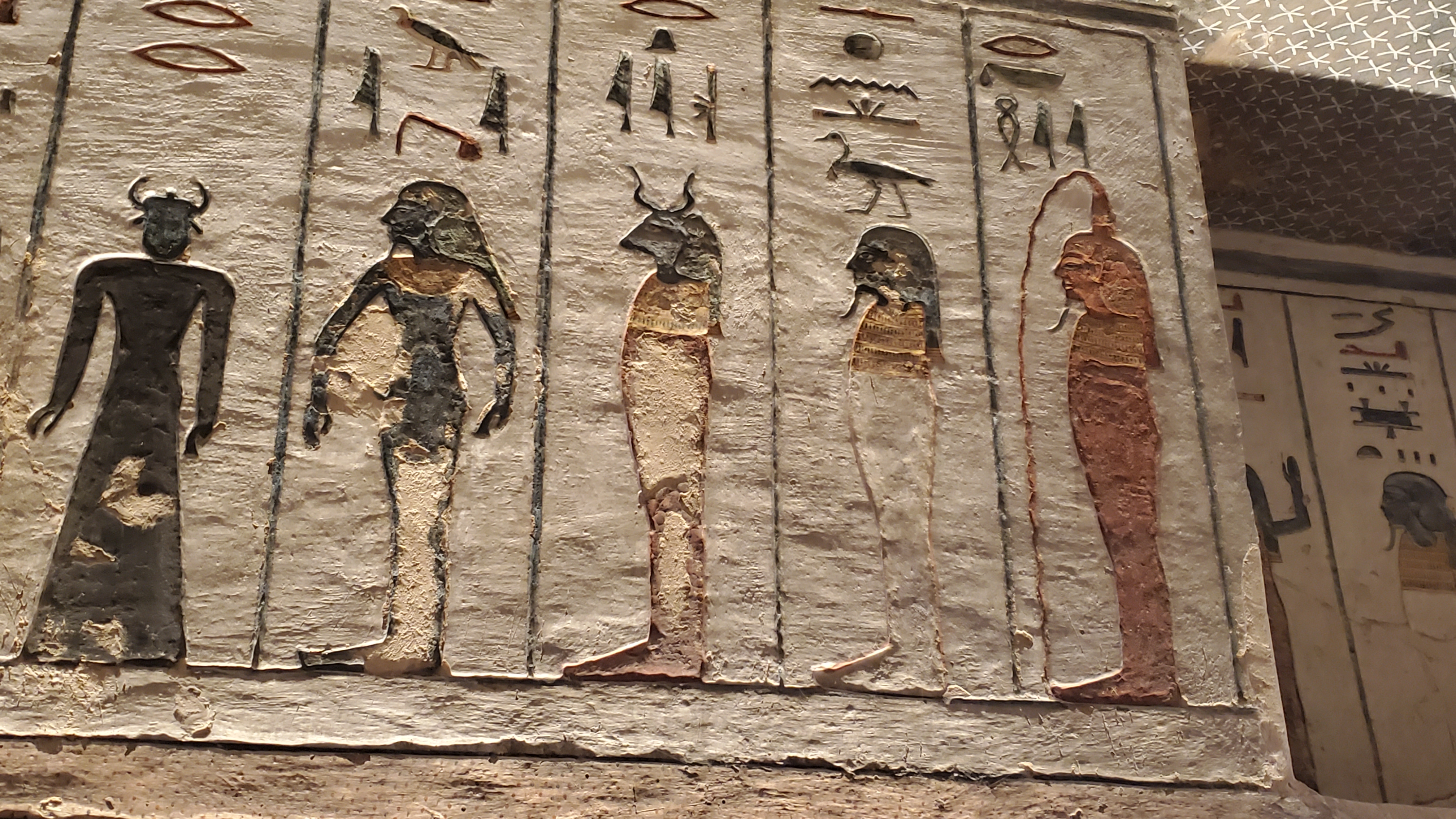
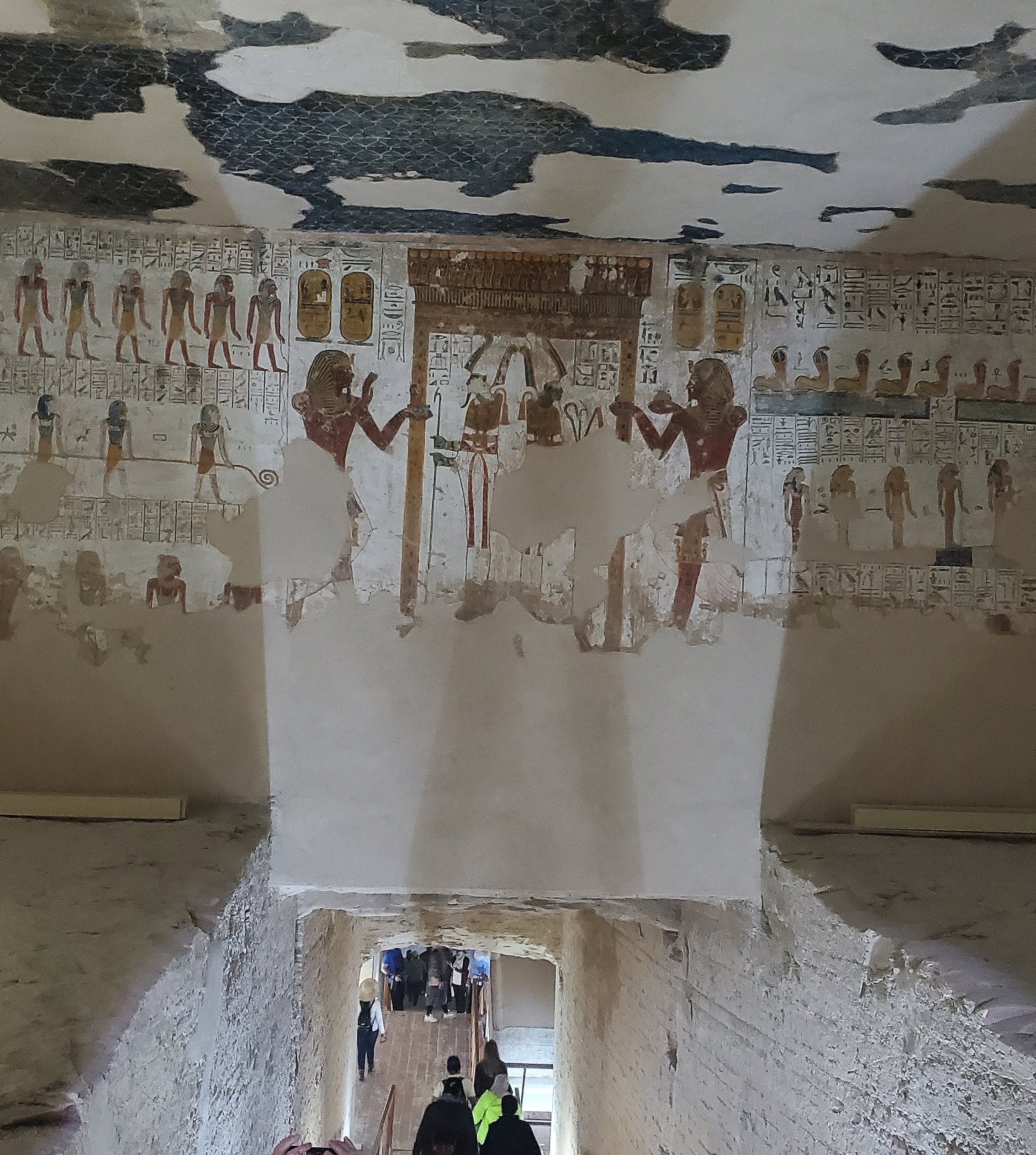
A ticket gets you into 3 of about 7 tombs that are currently open (there’s a rotation). Mohamed, our guide, told us the three to visit and in what order and we have no regrets. First of all, we got to see so much color. It’s really like going from black and white TV to colorvision. And in all that, we saw a few odd things:


The City of the Workers is interesting as it is the only site where “regular people” residences have been found. The top workers got to build their own burial chambers—these were so much smaller than the kings, of course, but fascinating as the three we got to duck into were colorfully painted. They were made of straw mudbrick and were not engraved, but the scenes of paradise, a guarantee for all non-pharaoh people, are a bright and unique antiquity.

And that was our last bit of Egypt. We take another sleeper train back to Cairo and will head to the airport tomorrow. I hope to gather my thoughts to prepare myself for filling up my brain with Jordan!
 Needopedia