Dwayne and I wanted to get out of Marseille for a day, so we found a tour to Avignon. With Kyla, we were the only three who signed up for the eight-hour adventure, so we had the minivan and guide to ourselves.
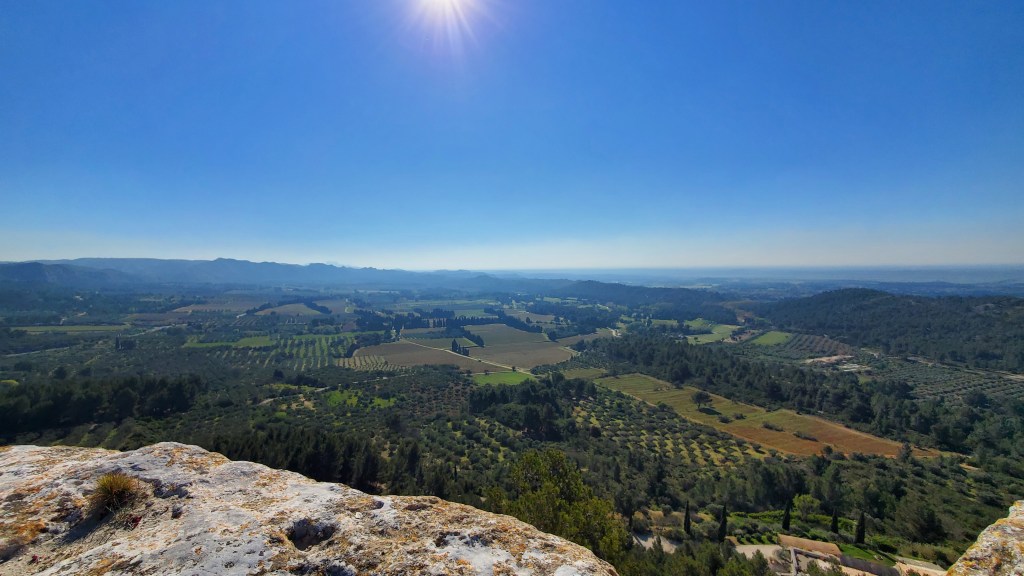
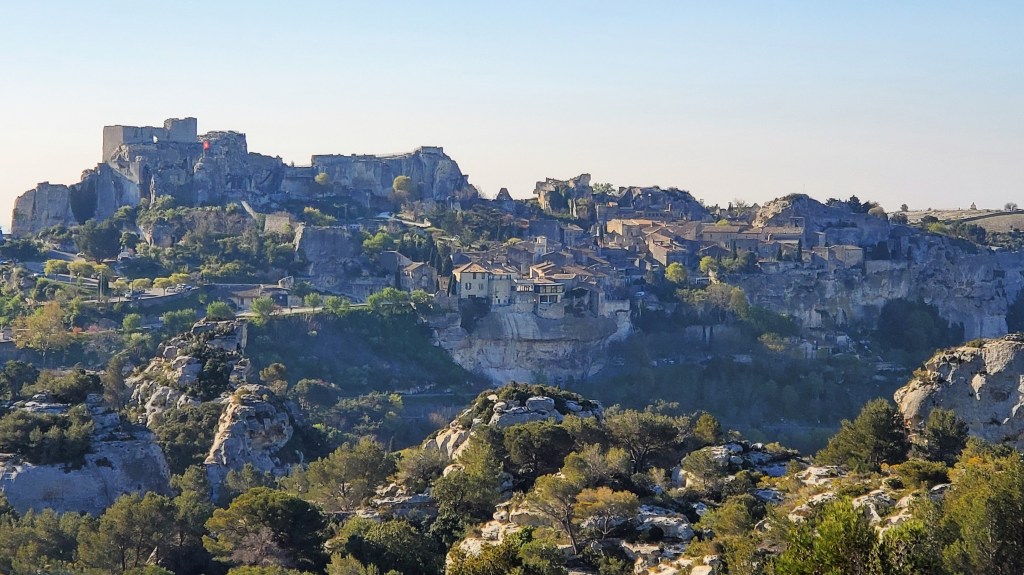
My only goal was to get to Avignon, but I was more than pleased with the other stops on the way. We first found ourselves in the oozing-with-quaint-charm hilltop village and castle of Les Baux de Provence. This village has 22 (not a typo) year-round residents. The number of residents bumps to about 400 as the summer crowds swell to thousands.
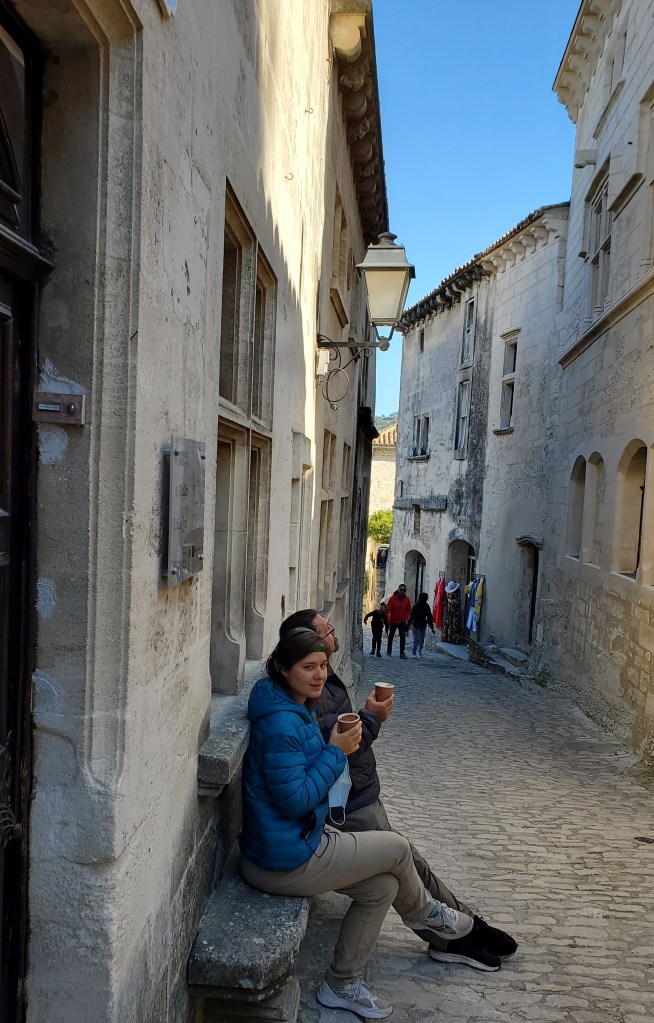


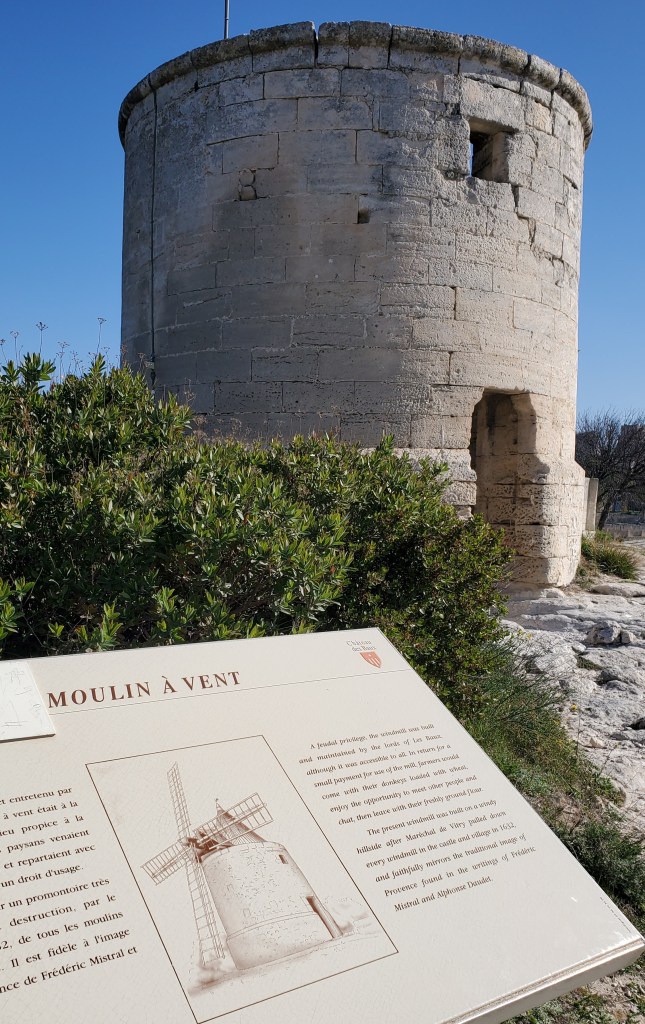
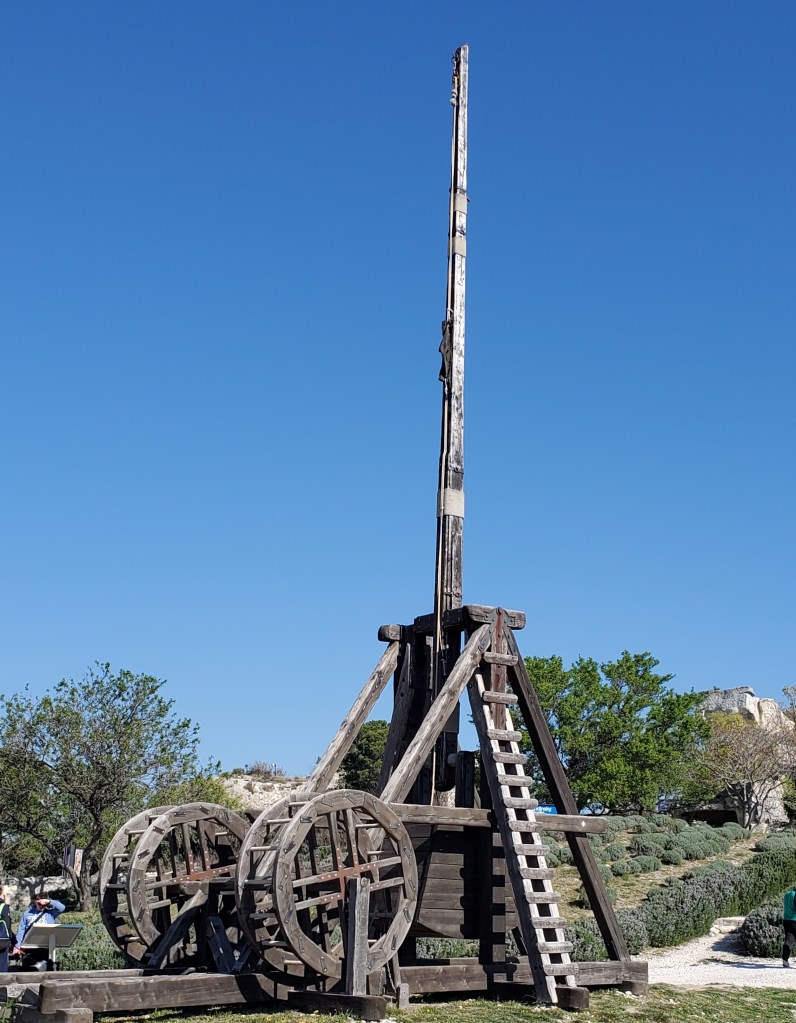
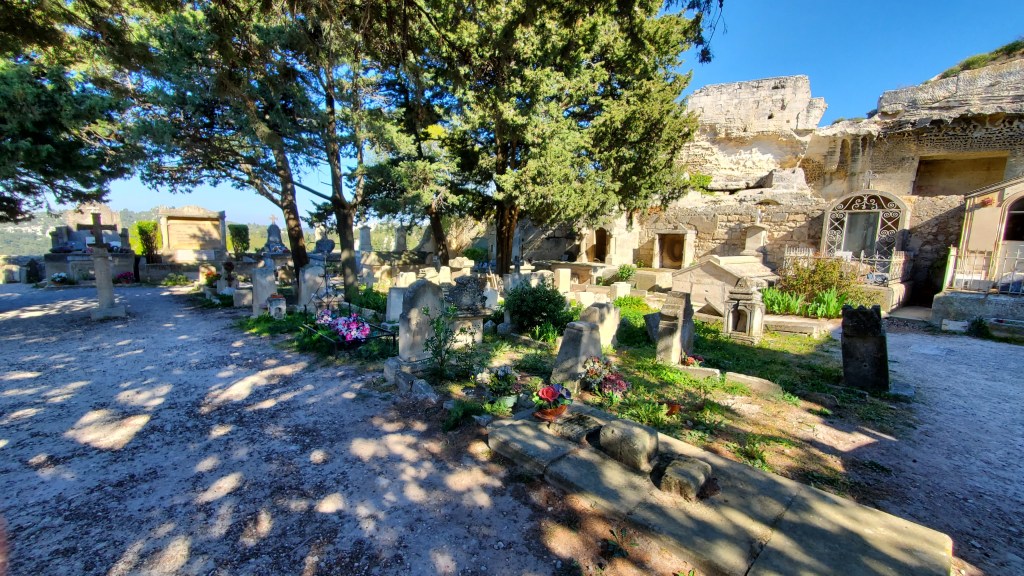
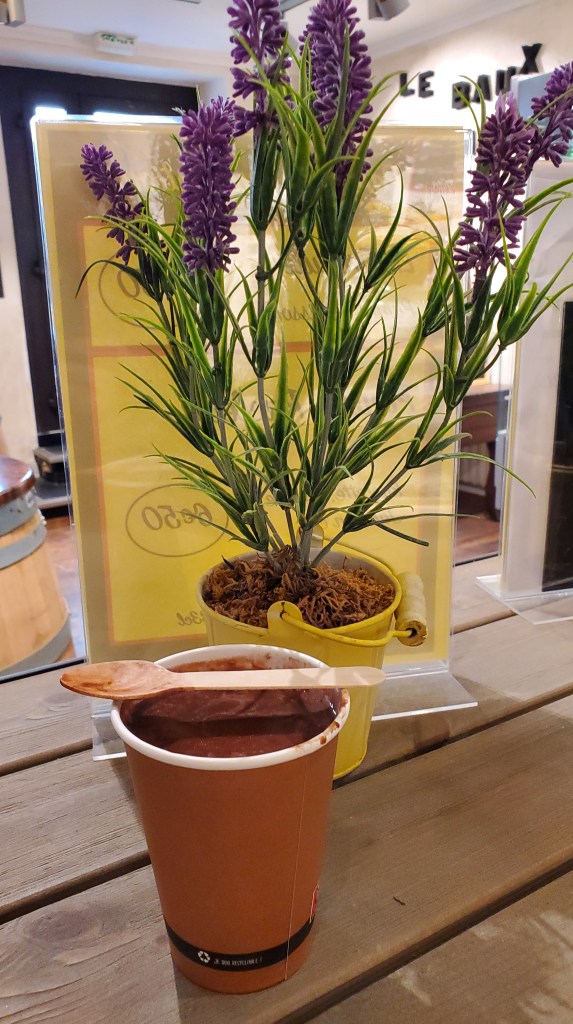
Its history begins about 8,000 years ago with a small but successful farming community before it became a useful Roman quarry. Medieval Les Baux de Provence became a fortified town in the 900s and then upgraded to a castle about 300 years later. The 1400s brought an end to the Baux family line, making it the French king’s new plaything, which he gave to the King of Monaco for the fun of it. The ruins still fly the Monaco flag because…tradition? No one has bothered to take it down? Really, I couldn’t tell you. But I can assure you that if you arrive in shoulder season midmorning, you get the town almost to yourself and there are no lines for your hot-cocoa-whipped-so-thick-that-it-needs-a-spoon. Being on a tour agenda, I had to prioritize exploring the little streets and castle grounds, but I passed by too many snugglery-cafes to regret not getting more time here*.
However, I’m so glad we didn’t miss our next point of interest!
When our guide announced the next stop, Pont du Gard, I smiled outwardly and inwardly shrugged. I do love not knowing what I’m getting into, because as we walked out of the parking lot, I stumbled in disbelief. Do you recognize this?


Built 2,000 years ago, Wikipedia succinctly remarks that the “Pont du Gard is the highest of all Roman aqueducts, as well as one of the best-preserved.” From mountains to fountains, it had a remarkable grade of about 1 inch: 1550 feet in its 32-mile stretch. I am definitely my water-ecology father’s progeny because I am finding the transport and use of water in ancient and medieval populations fascinating. But this triple-arched aqueduct is deservedly famous for its beauty and remarkable engineering. Again, I need to return because there are nature trails going out in all directions from here, and the banks of the river call for a classic French picnic and perhaps a racy novel.

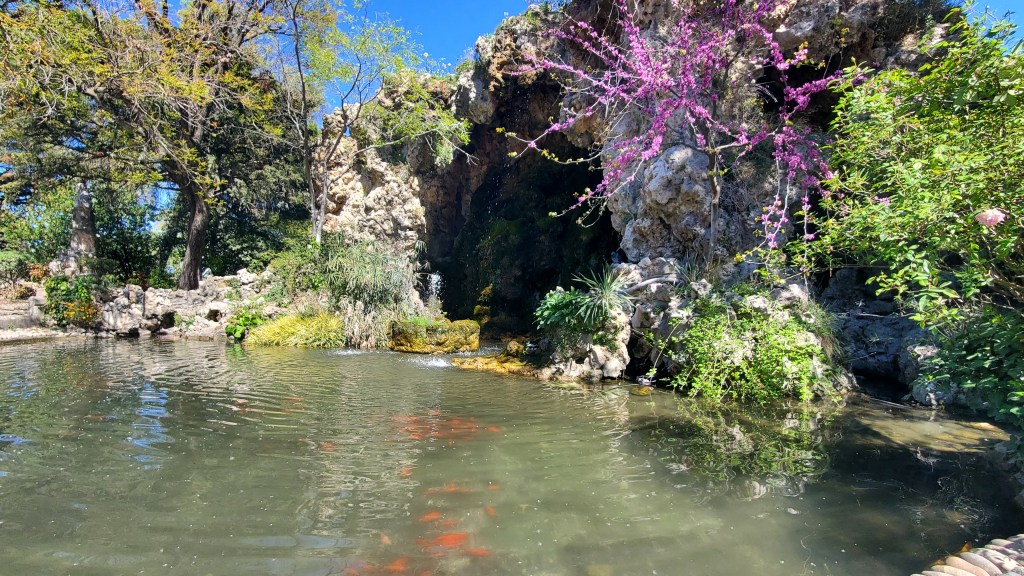
Eventually we did make it to Avignon. I wasn’t even able to articulate why this place called to me before I had ever been. Maybe it sounds like all the best names—Avalon, Aragon, Arendelle— and connotes romantic strolls by small shops and sidewalk cafes and hillside gardens with views of old castles. It was all of those things.

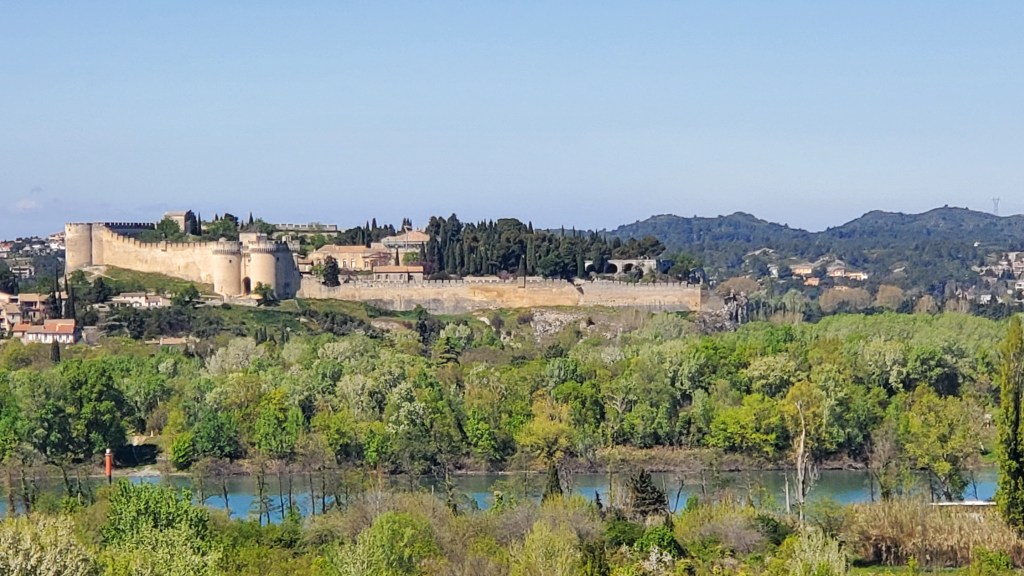
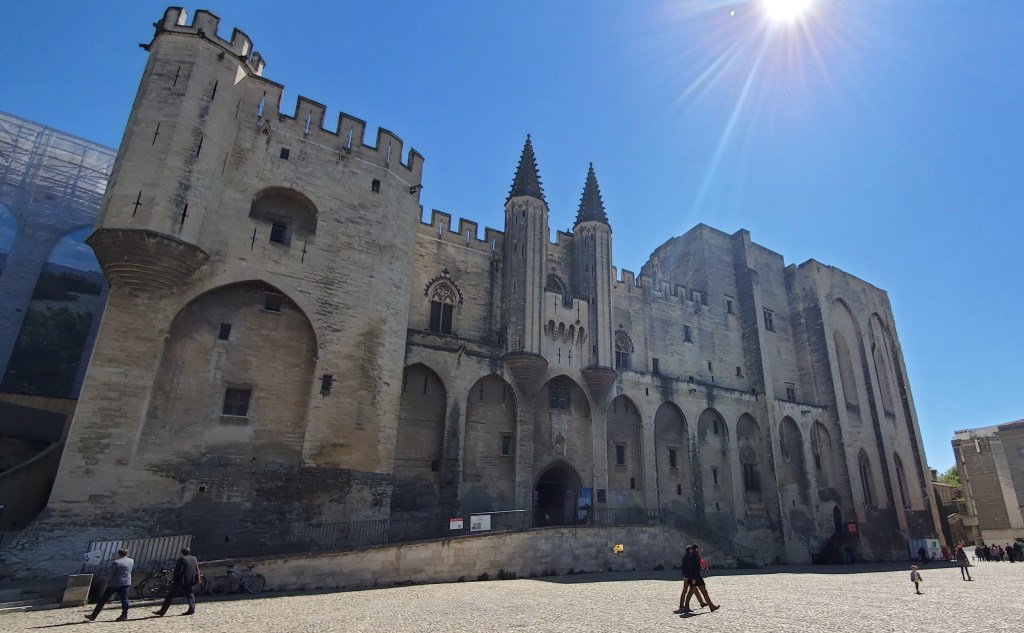
Important historically, this is where, when in 1309, Rome became, ahem, unrestful for the papacy and Pope Clement V picked up his toys and huffed off to Avignon. He was the first of seven successive popes that set up shop for 68 years at the Palais-de-Papes. (This is right before popes and antipopes, as I imagine it, pointed wands and simultaneously excommunicated each other.) The palace is large and completely underwhelming, according to Dwayne’s exacting standards, but my goal was less architectural and more about soaking up the ambiance with every step, in the warm pulse of the old town.

Our guide gave us four hours, which felt luxurious after our shorter stops earlier. We spent about half of it eating.
Since we had done a (disappointing) wine tasting in Cyprus, it would have been a shame to miss out in France. One of our last stops was at a town that made our own hometown look positively lacking in wineries. (That is astonishing if you know where we live and that I last heard we have over 200 tasting rooms.) However, we had the best tasting experience of my life at the one winery we visited. We also spent a startling amount of money to ship six bottles home, so I hope they taste as good as they did in their hometown. I still remember the disappointment of montepulciano poured at home versus in the actual town of Montepulciano.
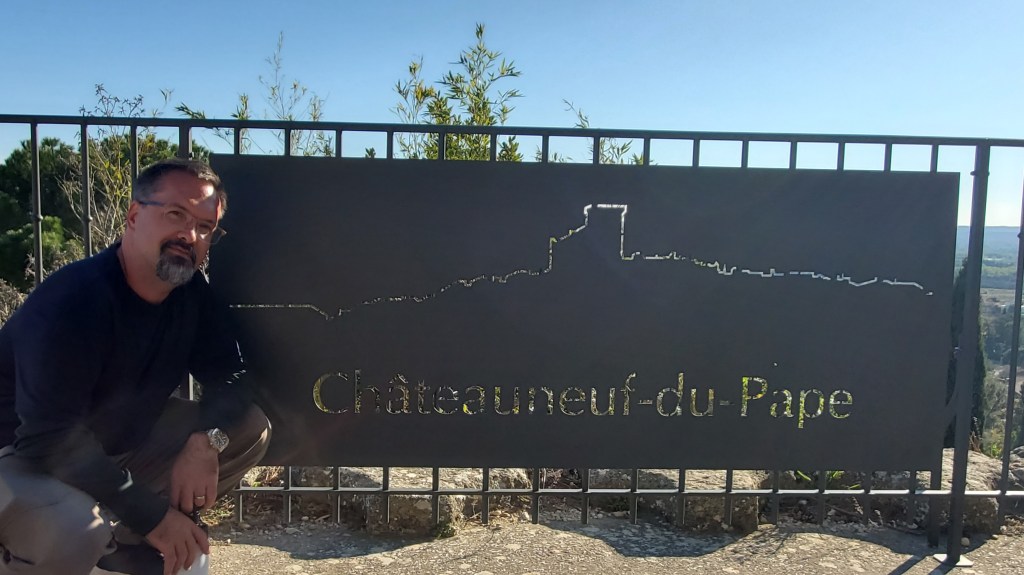
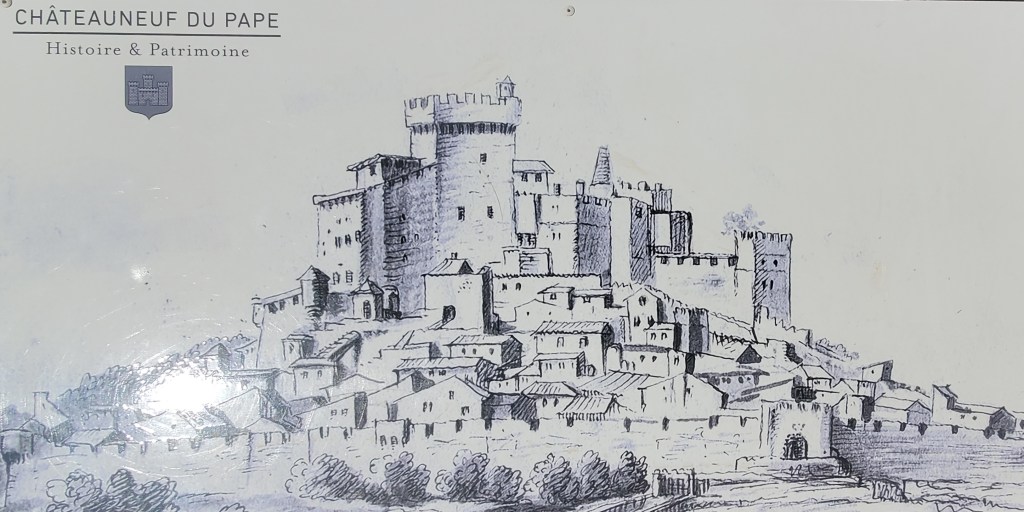
Our guide wanted to show us one more sight outside of Vinó Villagé**. Having a palace in Avignon is so tiring that the papacy also established a summer residence, Chateauneuf-du-pape***. History happened dot dot dot and then WWII saw France occupied by Nazis and this fortress became excellent artillery storage. As it became clear the Germans were going to lose, depending upon which tour guide you listen to (ours or the other small group I made sure to slowly saunter by), either the Allies or Axis blew up the castle. Regardless, it was a structurally unsound decision for Chateauneuf-du-pape.
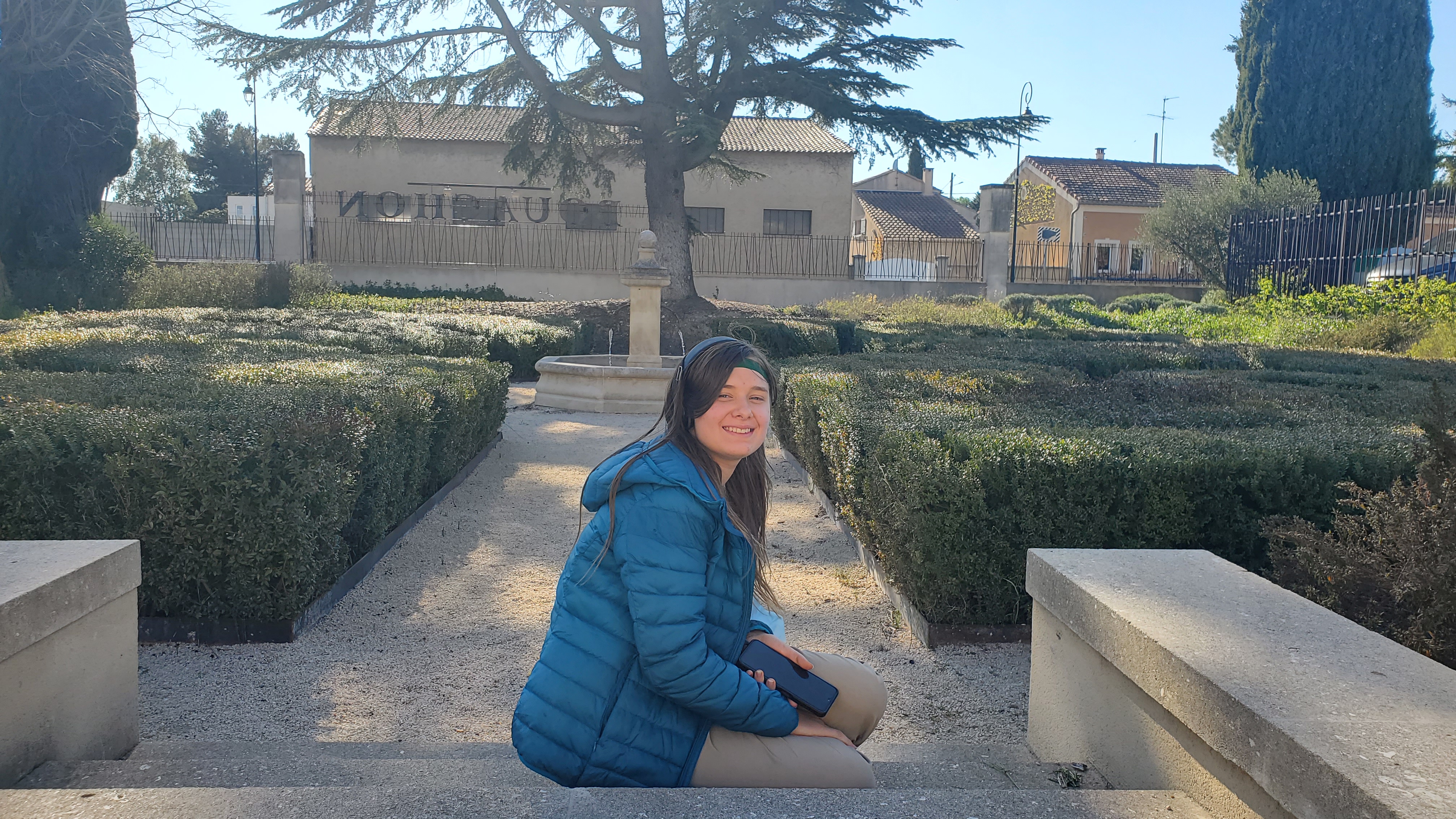
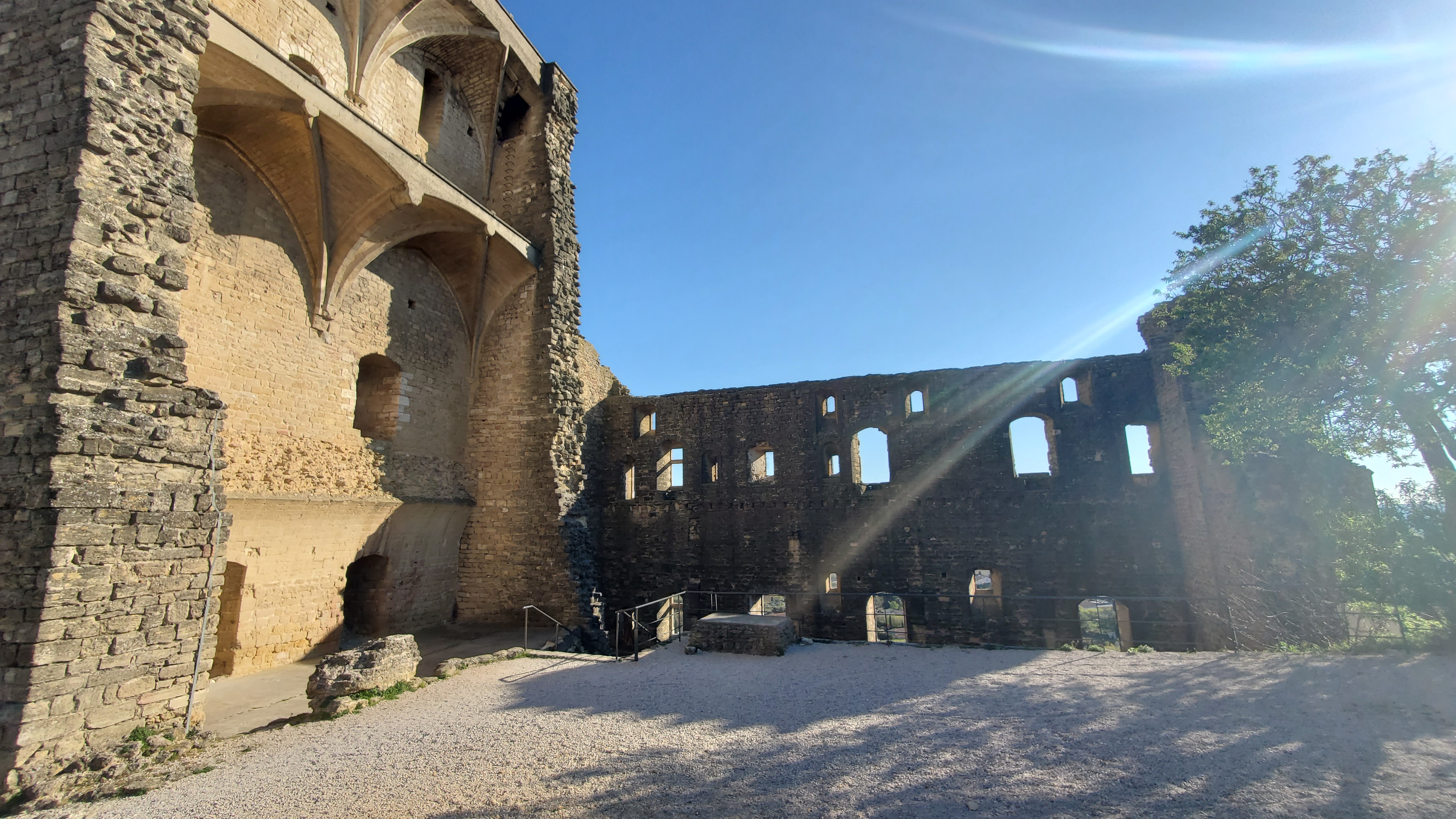
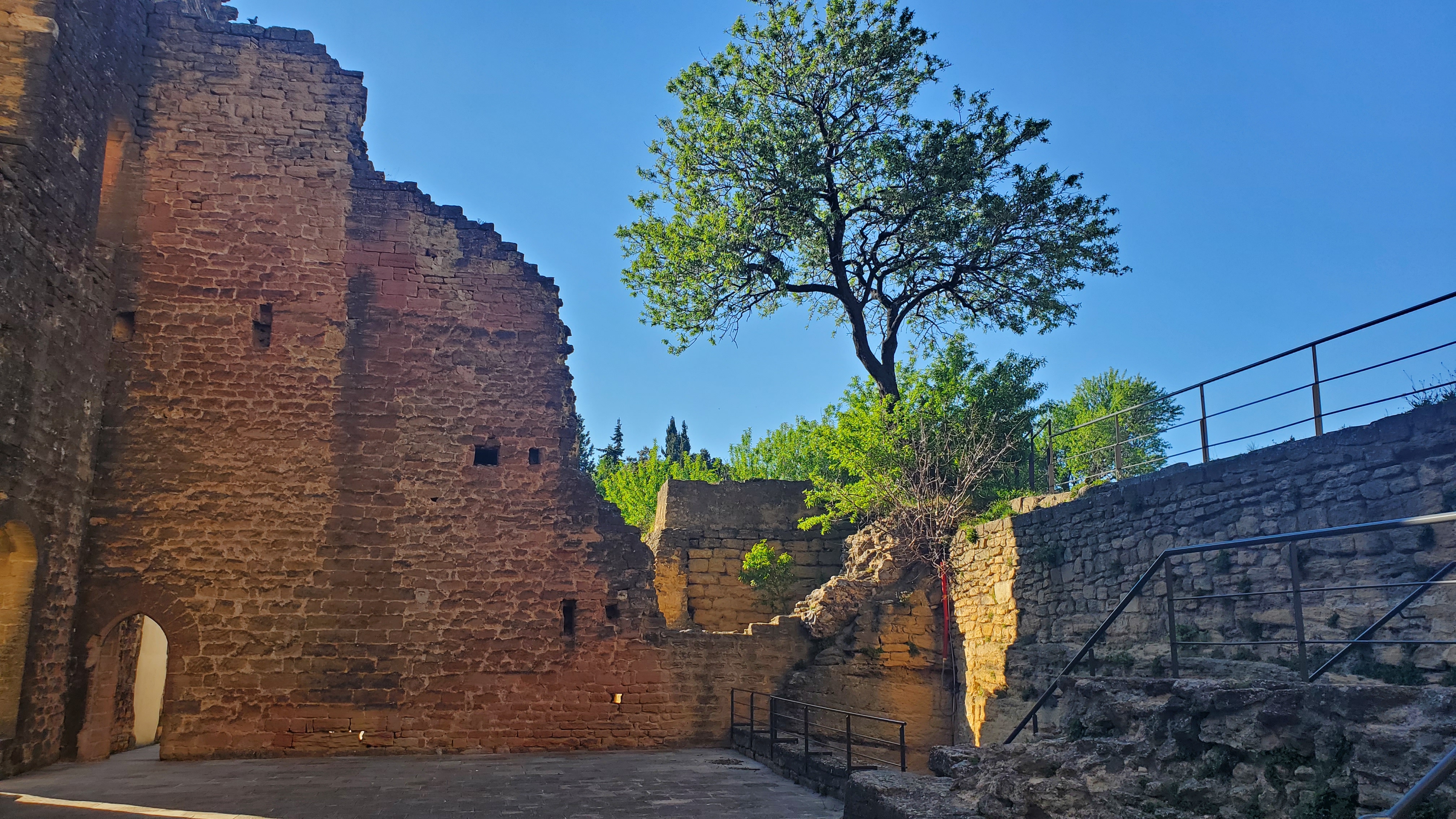
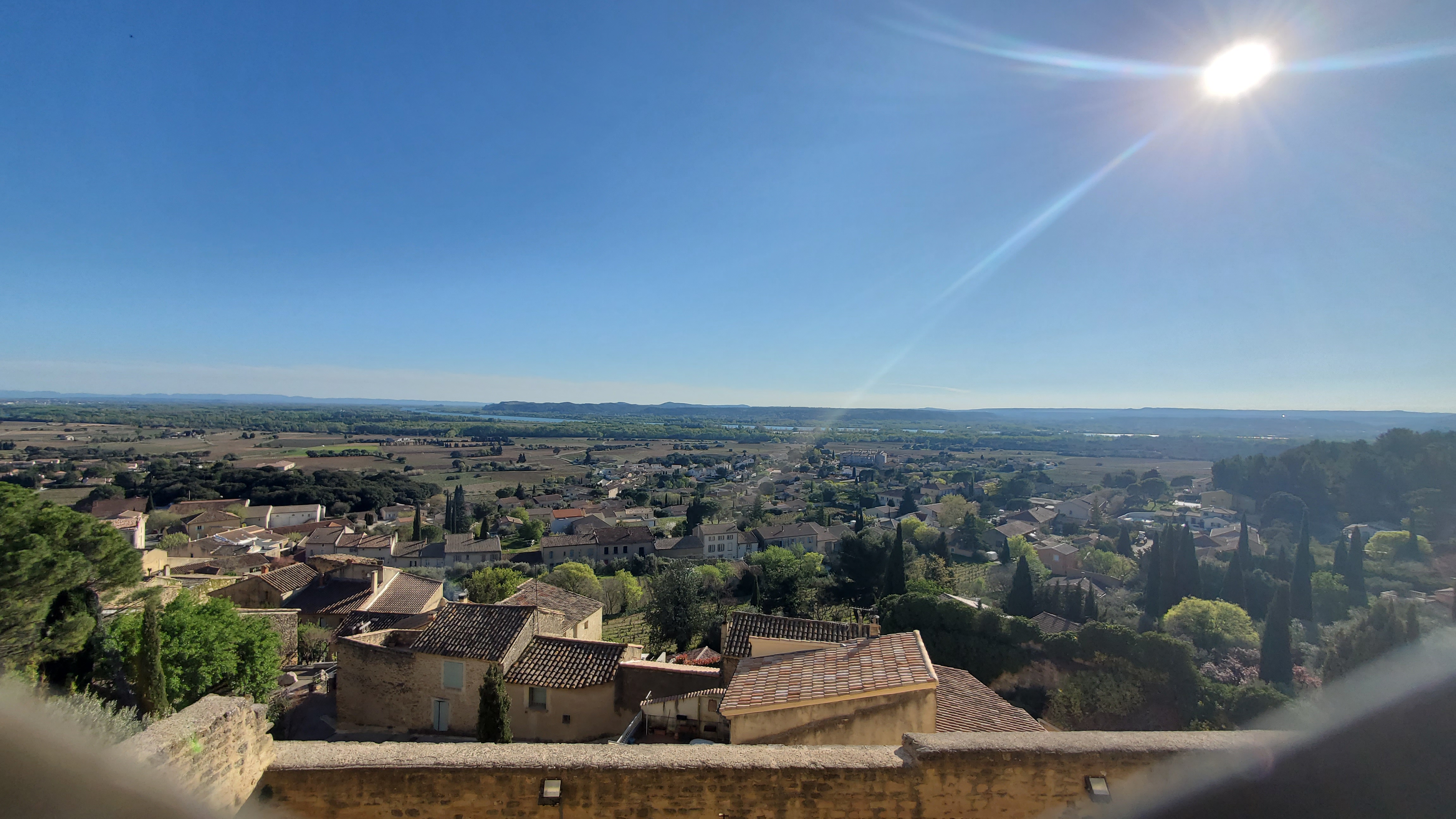

I can’t believe how much we got to see today! I have enjoyed Marseille, and look forward to another full day there, but it was great to get out of the gritty city for a day.
*I still long to browse the shop that was just opening as we were leaving. It sold only white woman’s clothing. Oh, that came out wrong. All the clothing was pristine white. And it didn’t look like they sold men’s or children’s wear. I know I was saved from myself by not being able to shop here, but there were lovely frocks in the window that begged to be taken across the Mediterranean with me. Sigh.
**Please, just let me have my outrageous French accent.
***Chateau/Castle new of Pope, for those who, like me, pretend they can read Français.
 Needopedia