We didn’t improve family harmony by making this tour mandatory, but it seemed sinful to have 5 days in Rome and not see the Vatican.
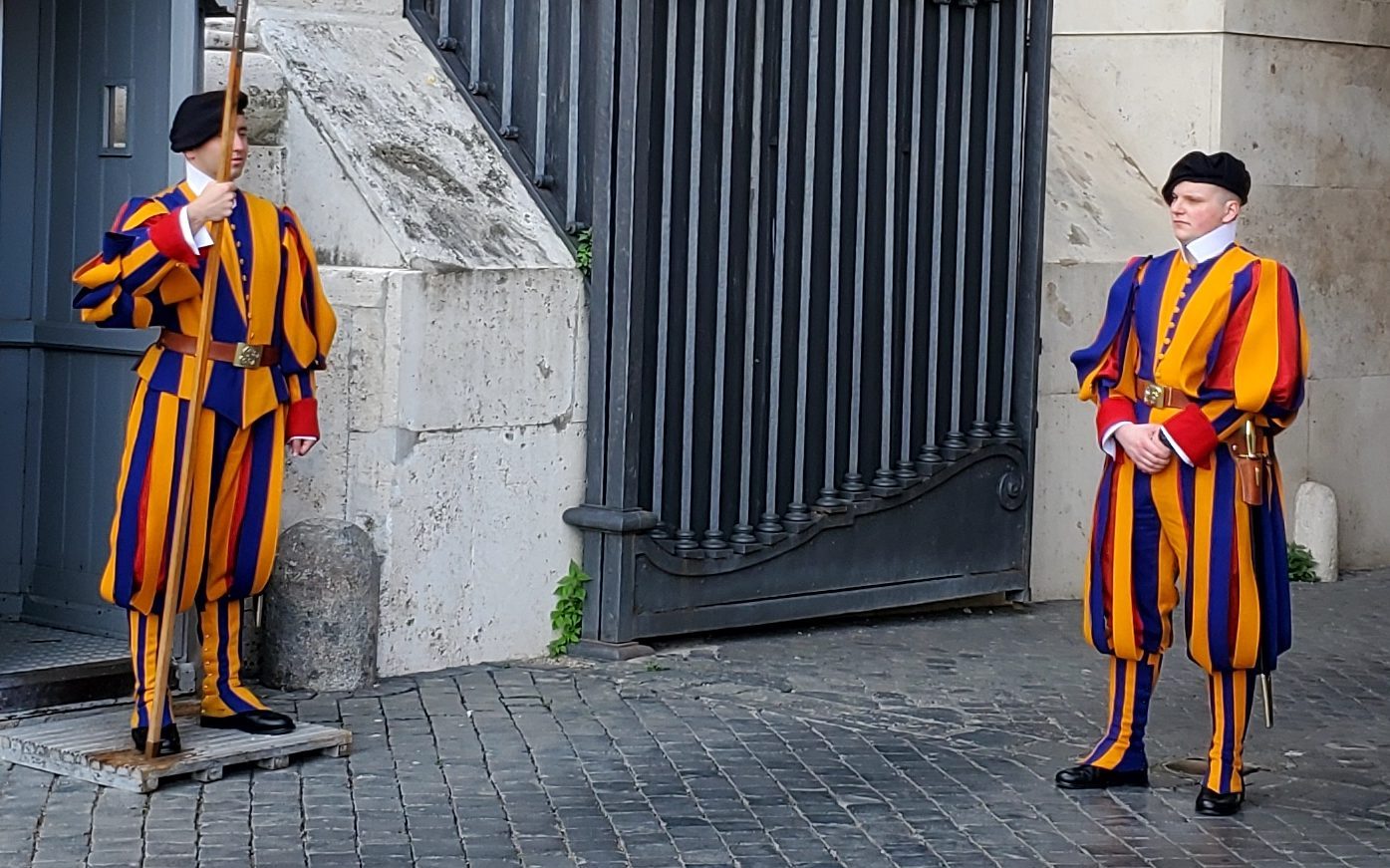
The smallest country in the world has the second-largest museum, after the Lourve, indicating the power, reach, and wealth of the papacy over the centuries. This niggles a factoid loose, that part of the golden extremism came as a counter to the plainness of Martin Luther’s Protestantism. It is easier to wow people with mighty buildings and a sensory overload of ostentatious accouterments. (Oh, crap, did I just revisit America, 2016?!?)
But luckily, our children’s religious affiliations cannot be bought with lots of boring art! They sell their souls only for good Wifi and gelato.
Truthfully, which of these screams “Jesus saves!” to you?

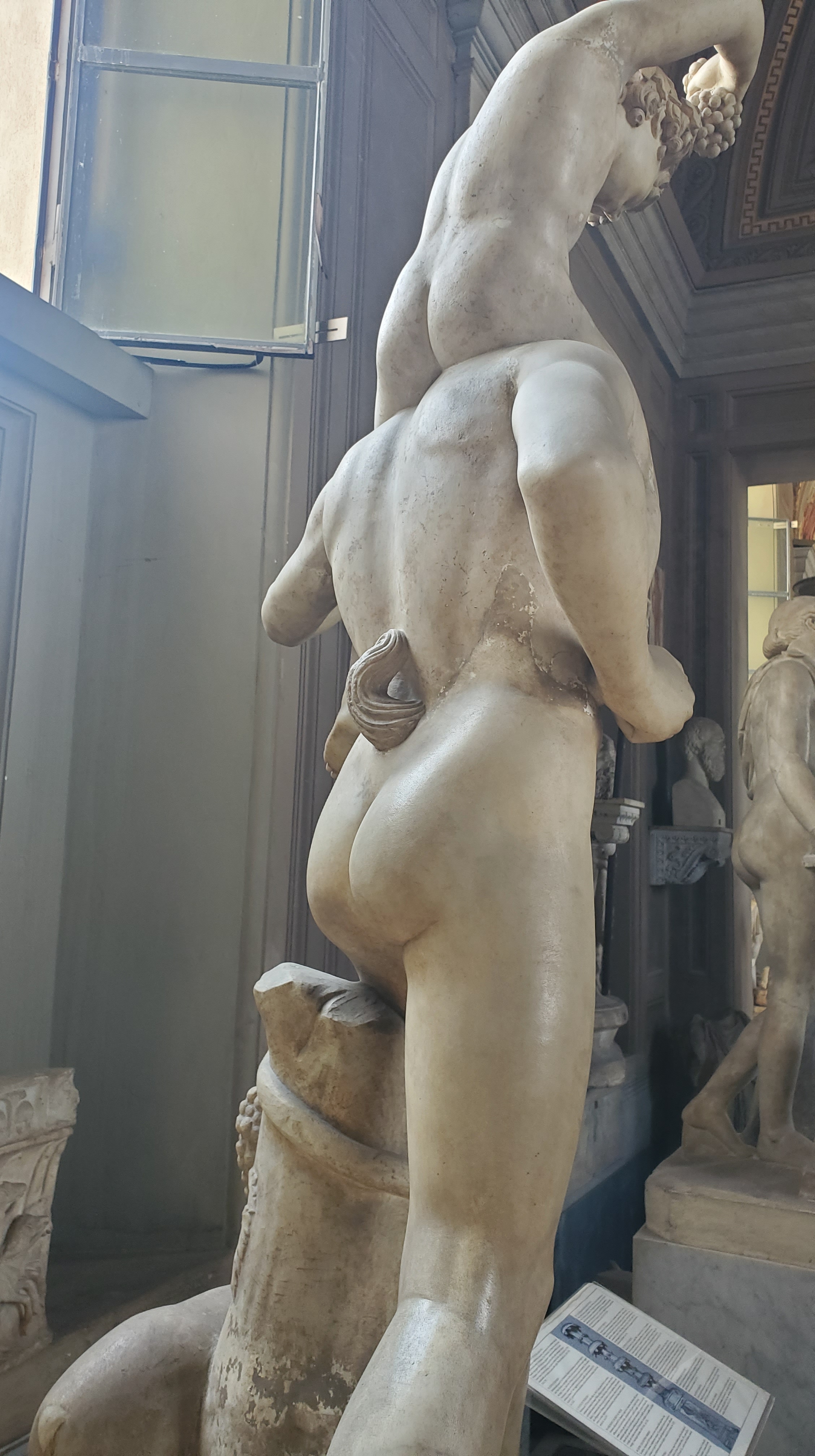
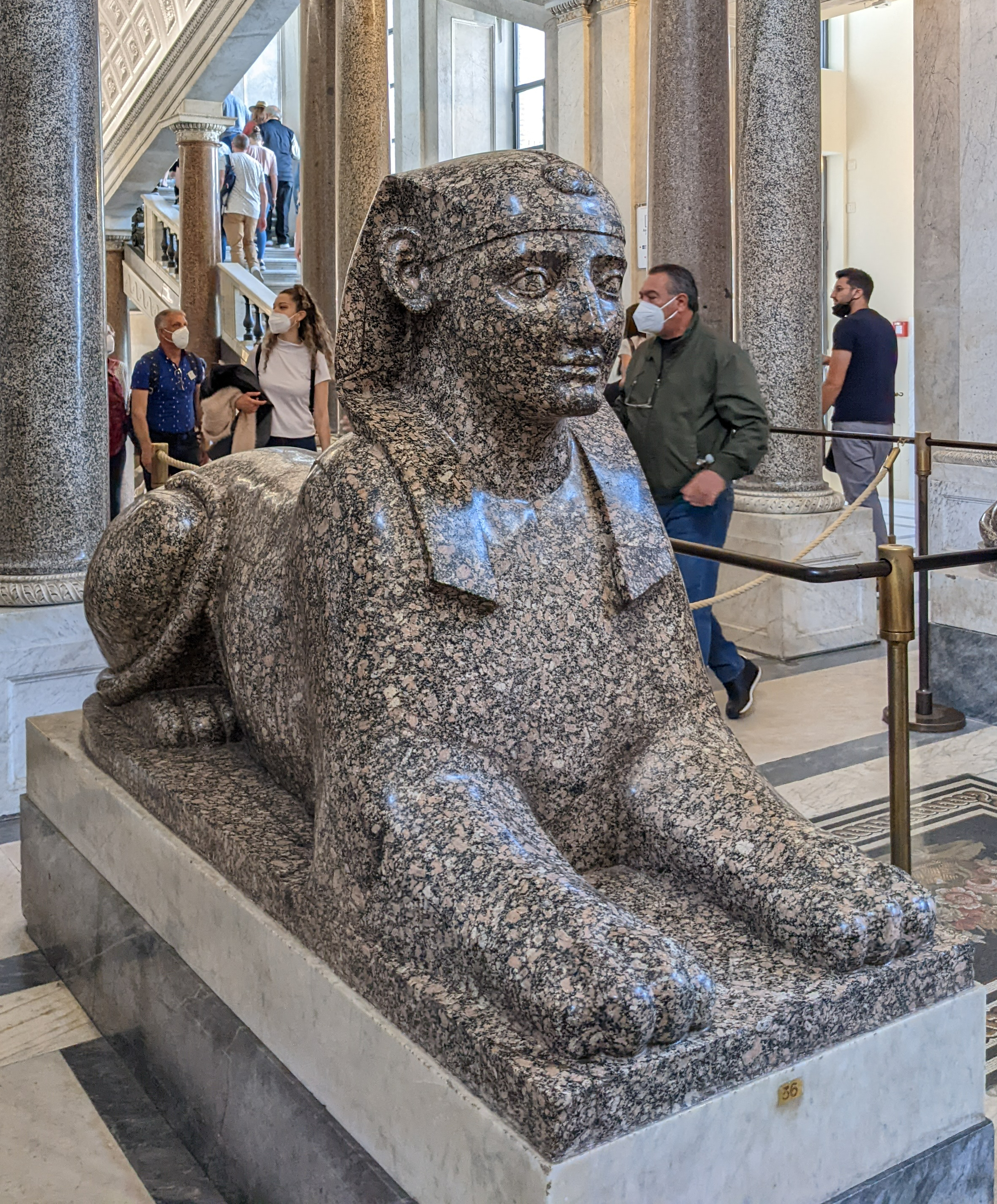
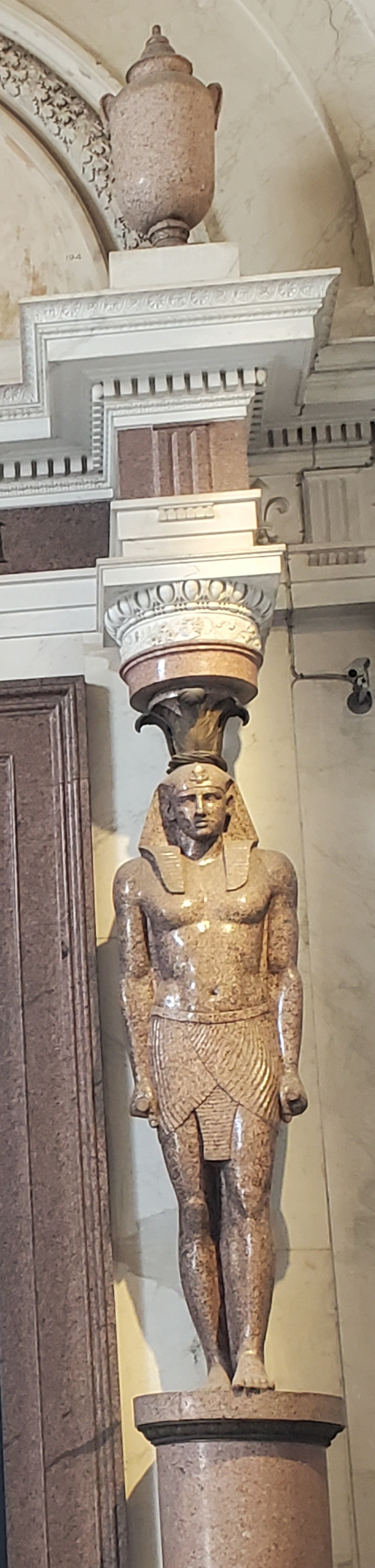
Actually, as soon as you realize that the Vatican museums are not about uplifting the Christian faith, or even Catholic traditions, and are really just showing off all the worldly goods collected over centuries, it becomes much more fun. [Honestly, one of the dreariest things to do in Europe is trying to appreciate a plethora of medieval religious art. Architecture, yes. Art, no.]
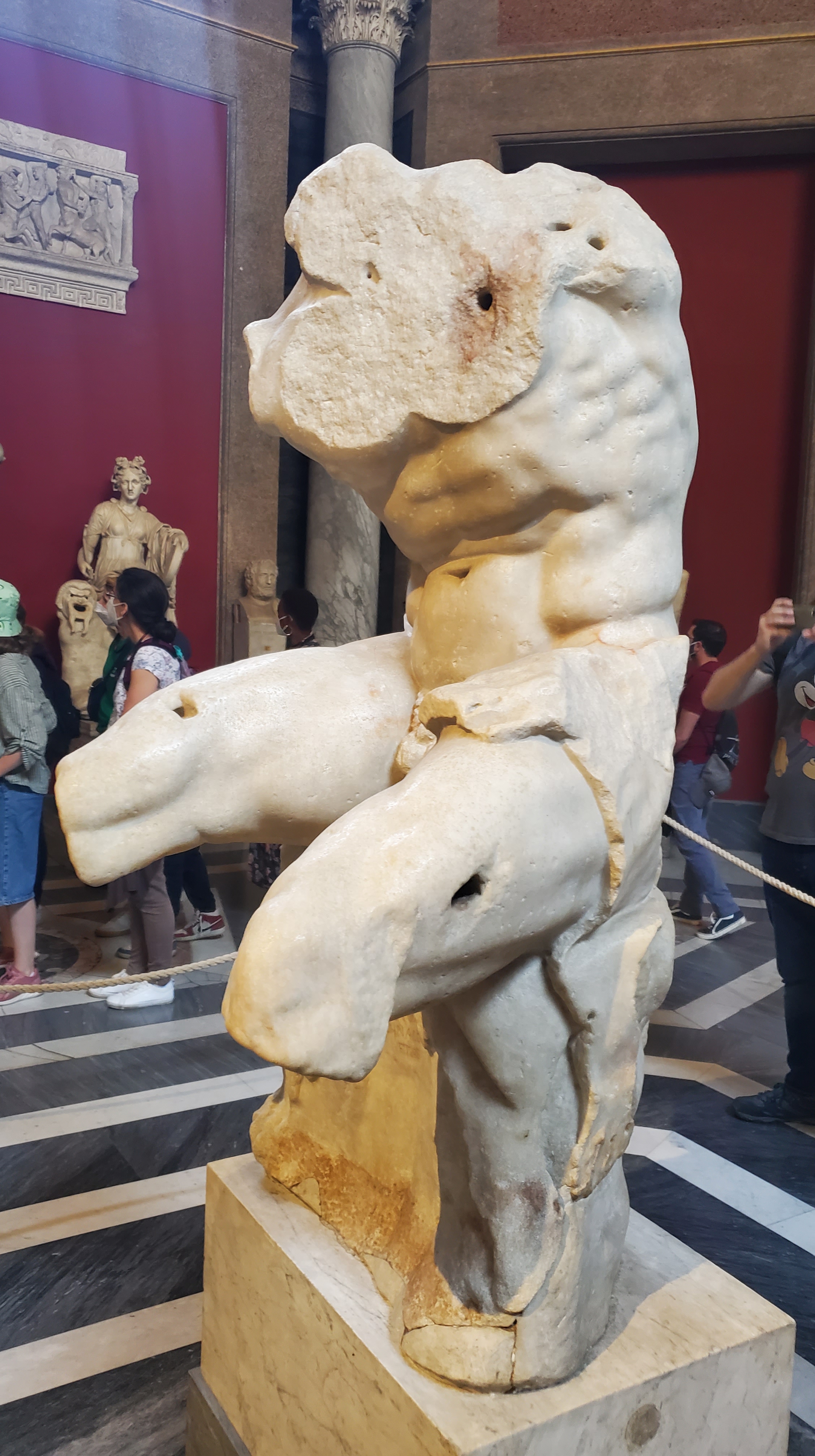
These pieces are interesting. The word is that Michaelangelo was deeply inspired by the movement of the left and right* statues and the perfectionism of the middle. These torsos inspired figures in the Sistine Chapel Ceiling, and the face of the Apollo was a model for one of his depictions of Christ.

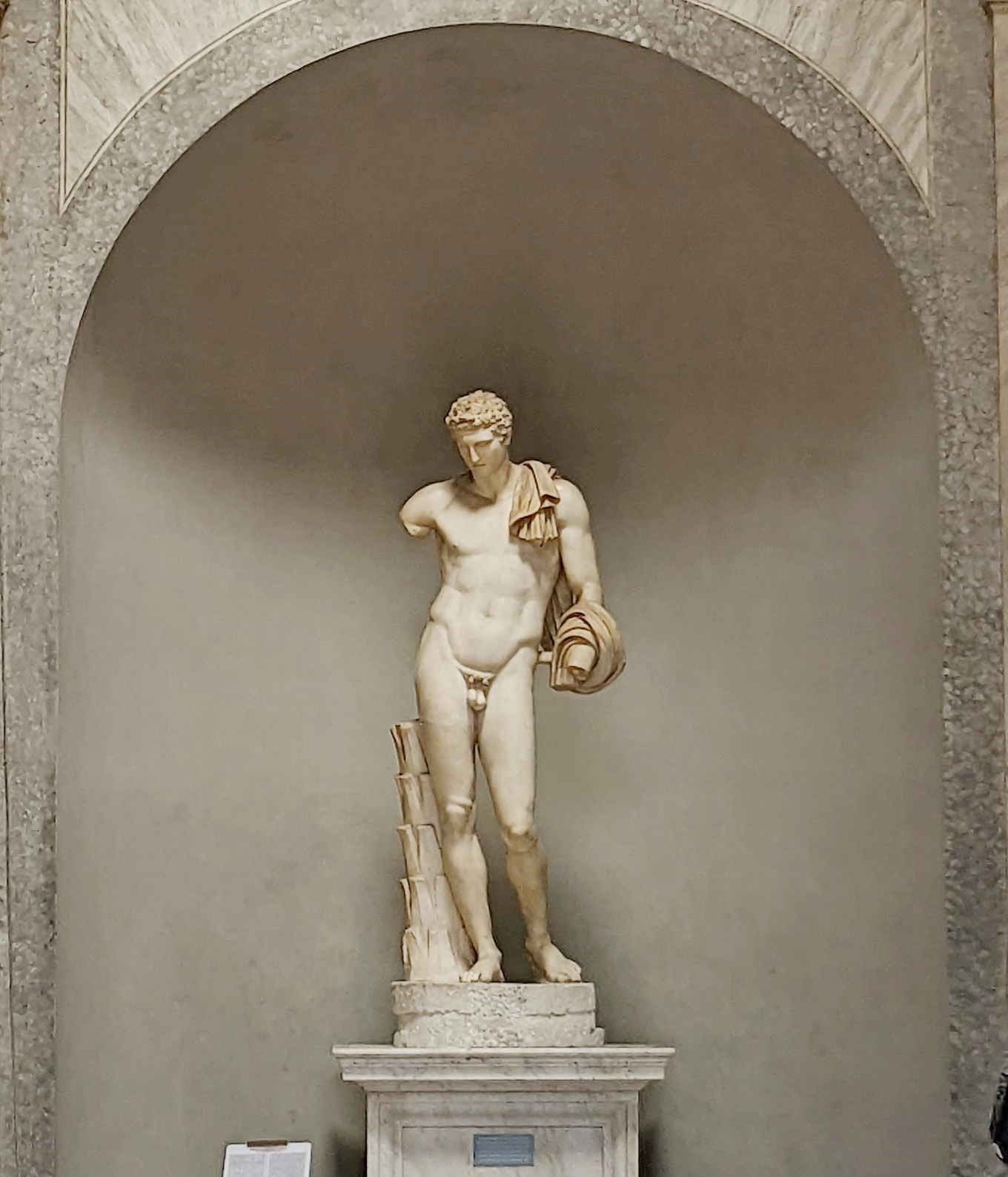
Oh, and the ubiquitous fig leaf! Check out how many I captured in one shot! And, yes, they were added later during particularly censorous periods.**

The museums lead to the pope’s personal conclave, known as the Sistine Chapel. No cameras are allowed in the place-with-the-famous-ceiling, but Internet has its ways. Honestly, after passing through all sorts of rooms that looked like this,
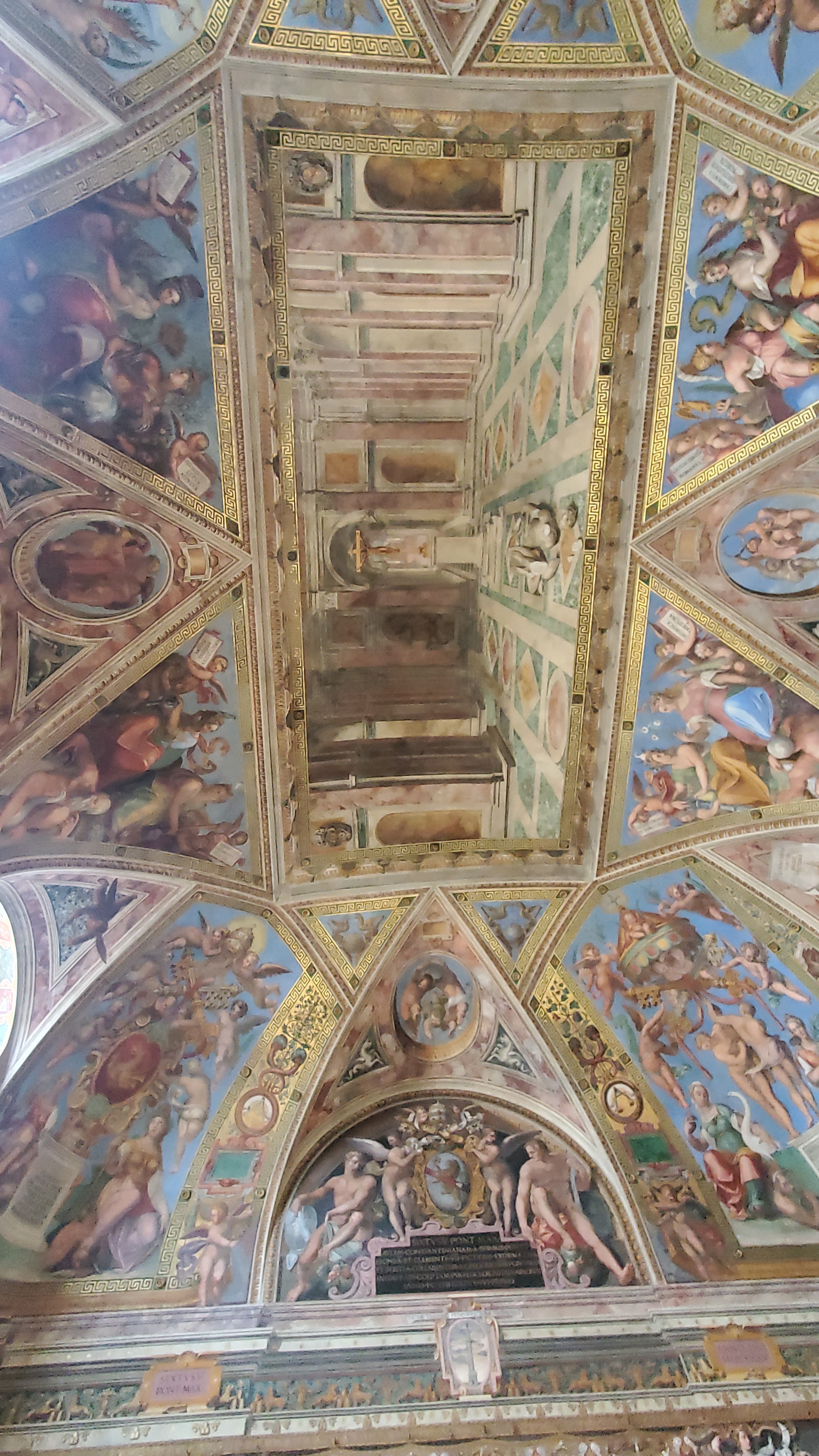
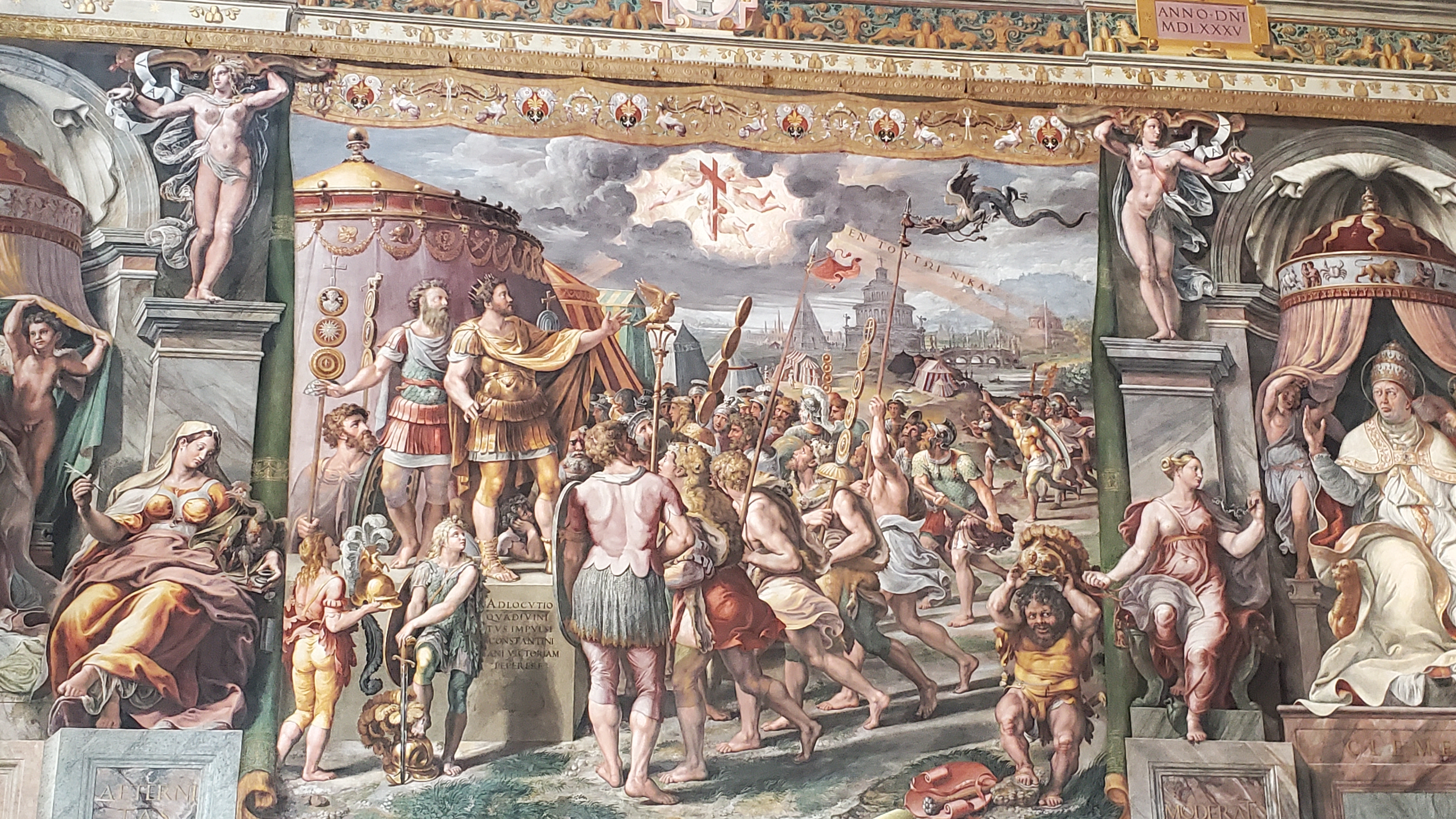


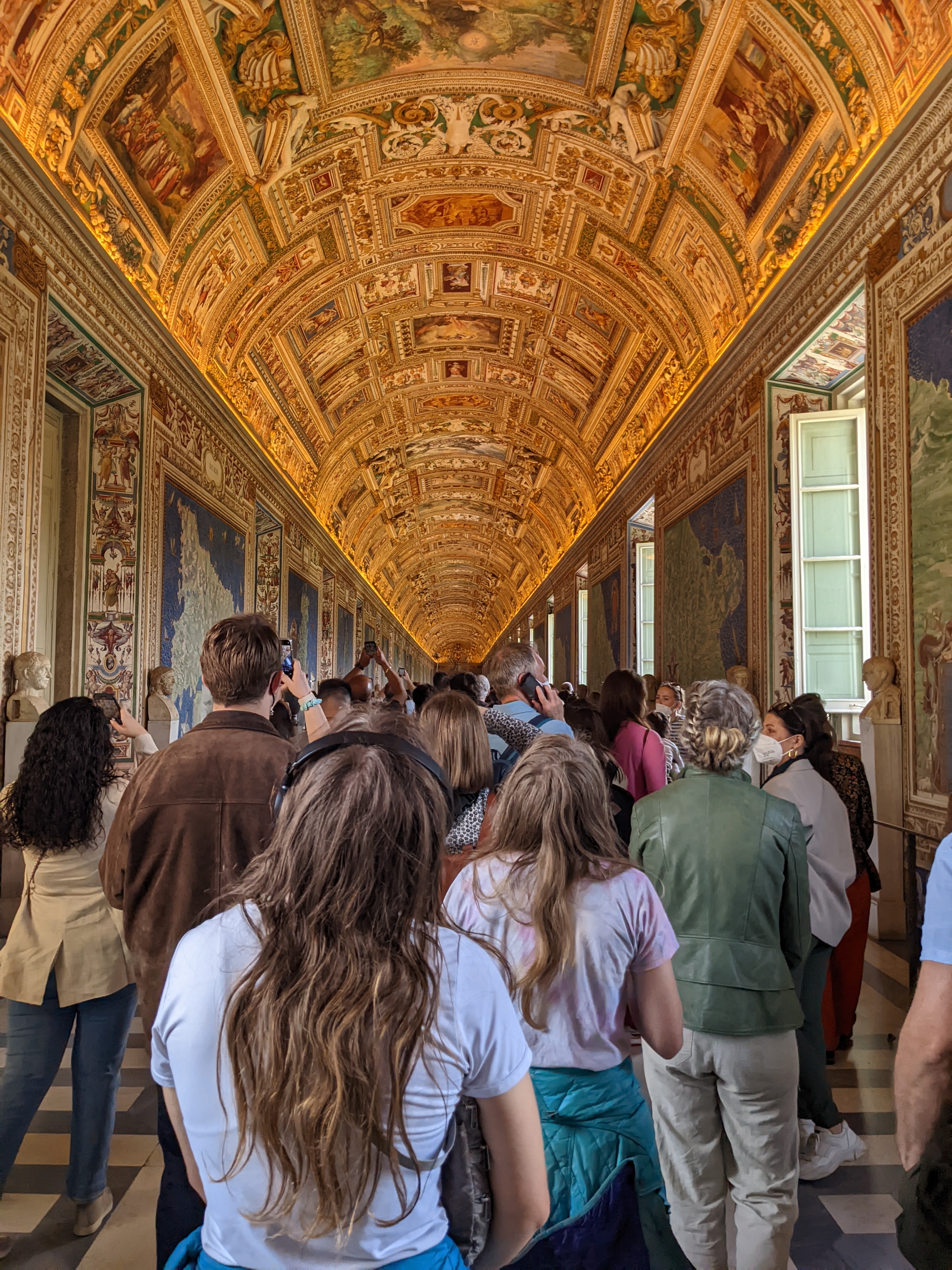
…it was a little harder to think this was as singular as its reputation.
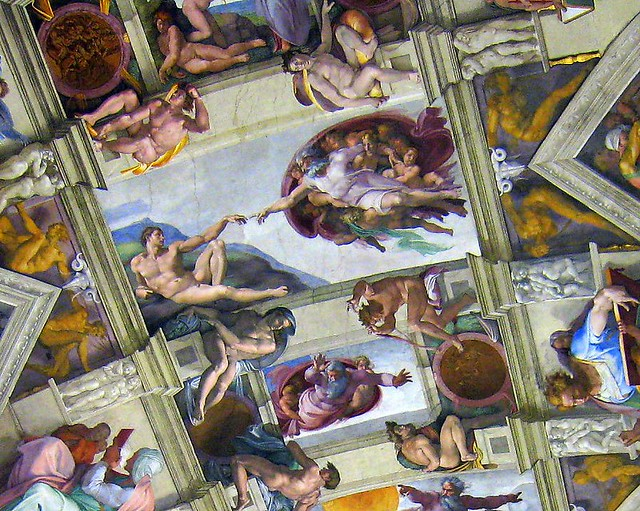
What does impress me is that this is Michelangelo’s debut fresco, and he had only done a few public paintings before this, though he had an impressive sculpture resumé. To go from chisel to paintbrush, and find that this is what comes out of your palette, is pretty impressive.

The Chapel shoots you out away from the third stop: St. Peter’s Basilica, the largest church in the world. It is enormous and I actually liked walking in and seeing that it was not taken up with benches, showing just how big the footprint was. I haven’t bothered to figure out what separates major (of which there are four and all are in Rome) and minor basilica (18,000 of them lurking around the world), but of course, St. Peter’s is major in every way. It is proud of its size and on the floor are plaques marking how other enormous churches stack up. I will admit that the art isn’t dreary; the basilica is light and airy, and it felt more uplifting than heavily sacred.
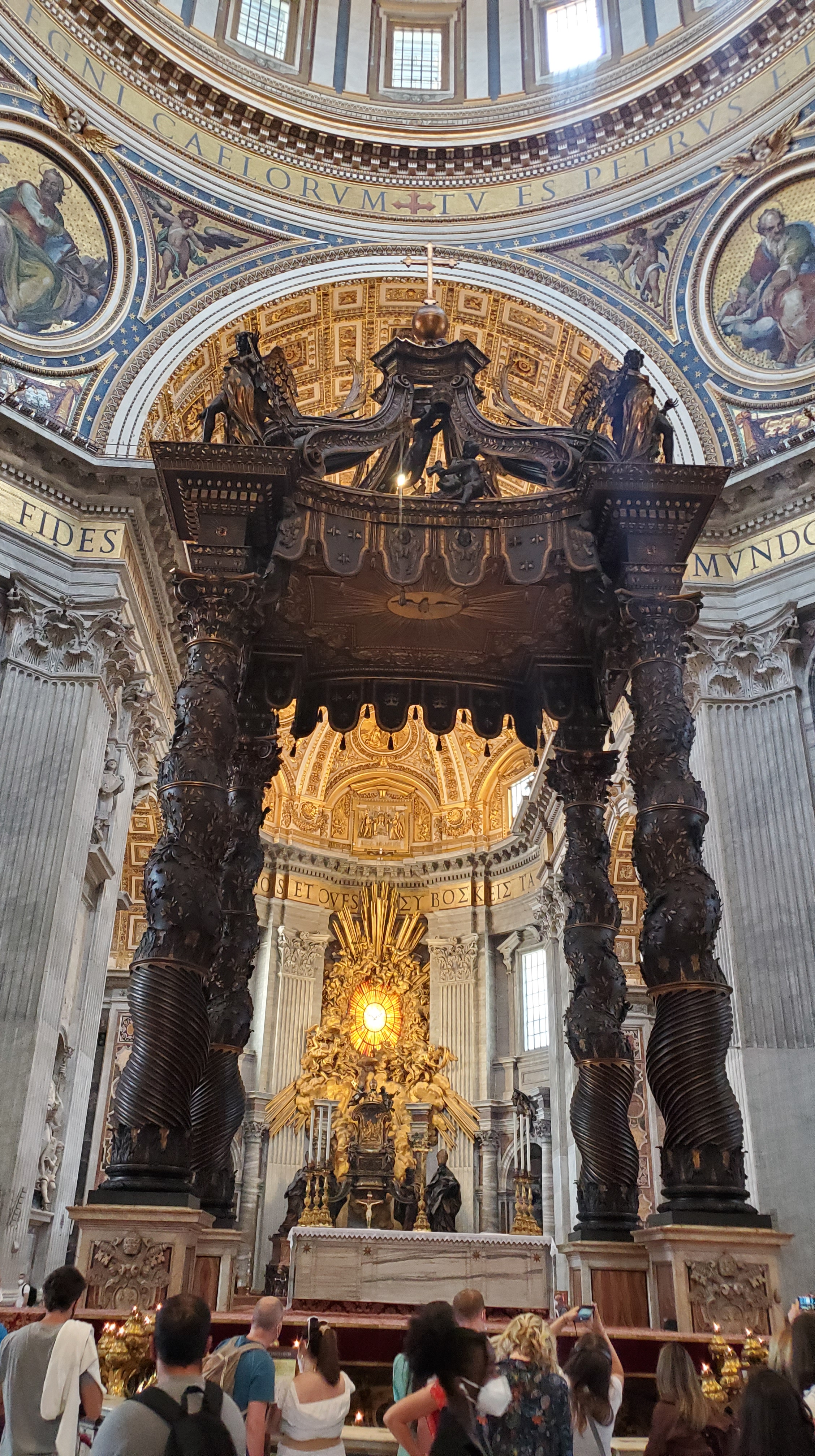
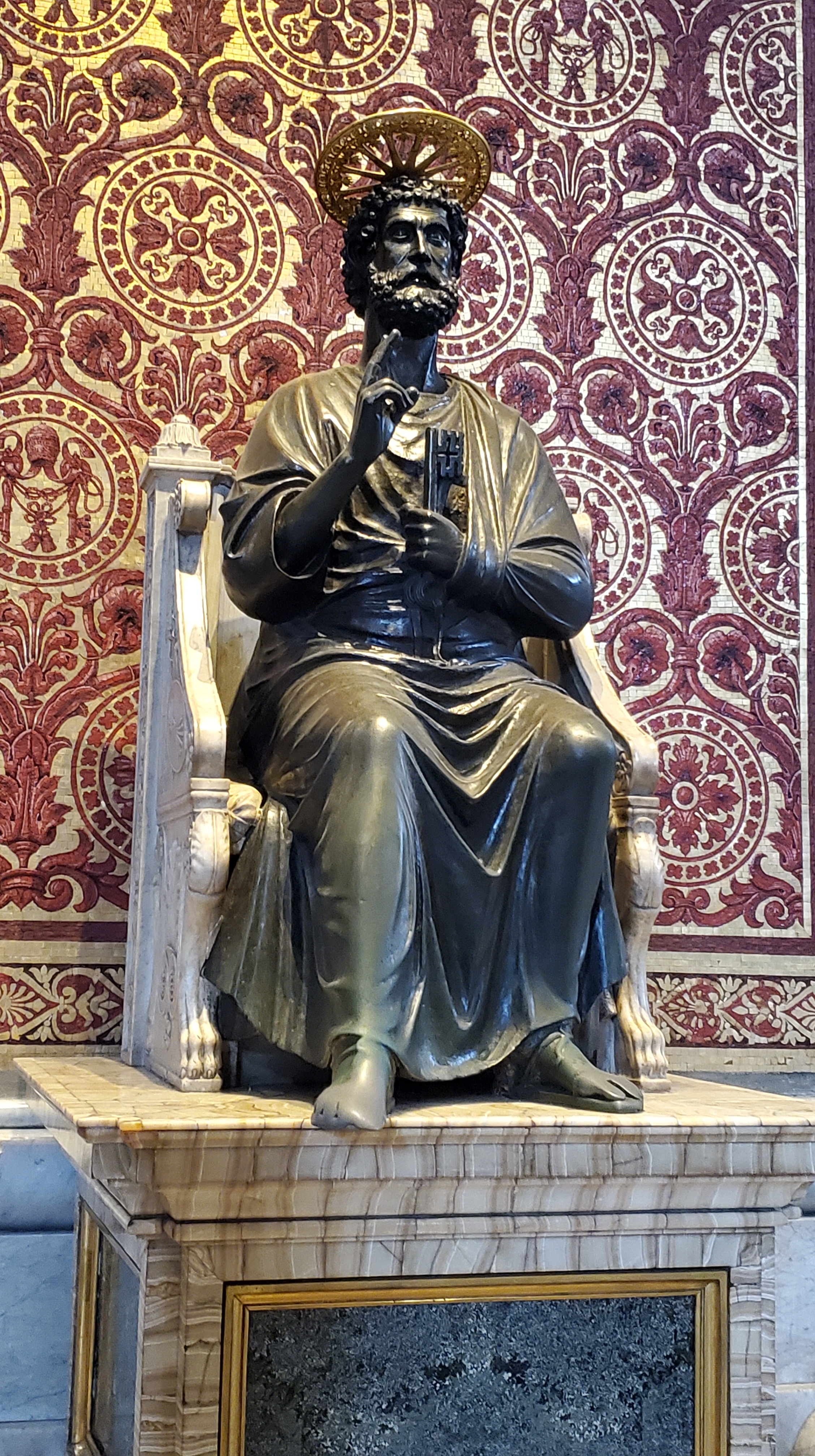


And now we’ve done the Vatican–
Won’t have to do that-again!
* * * *
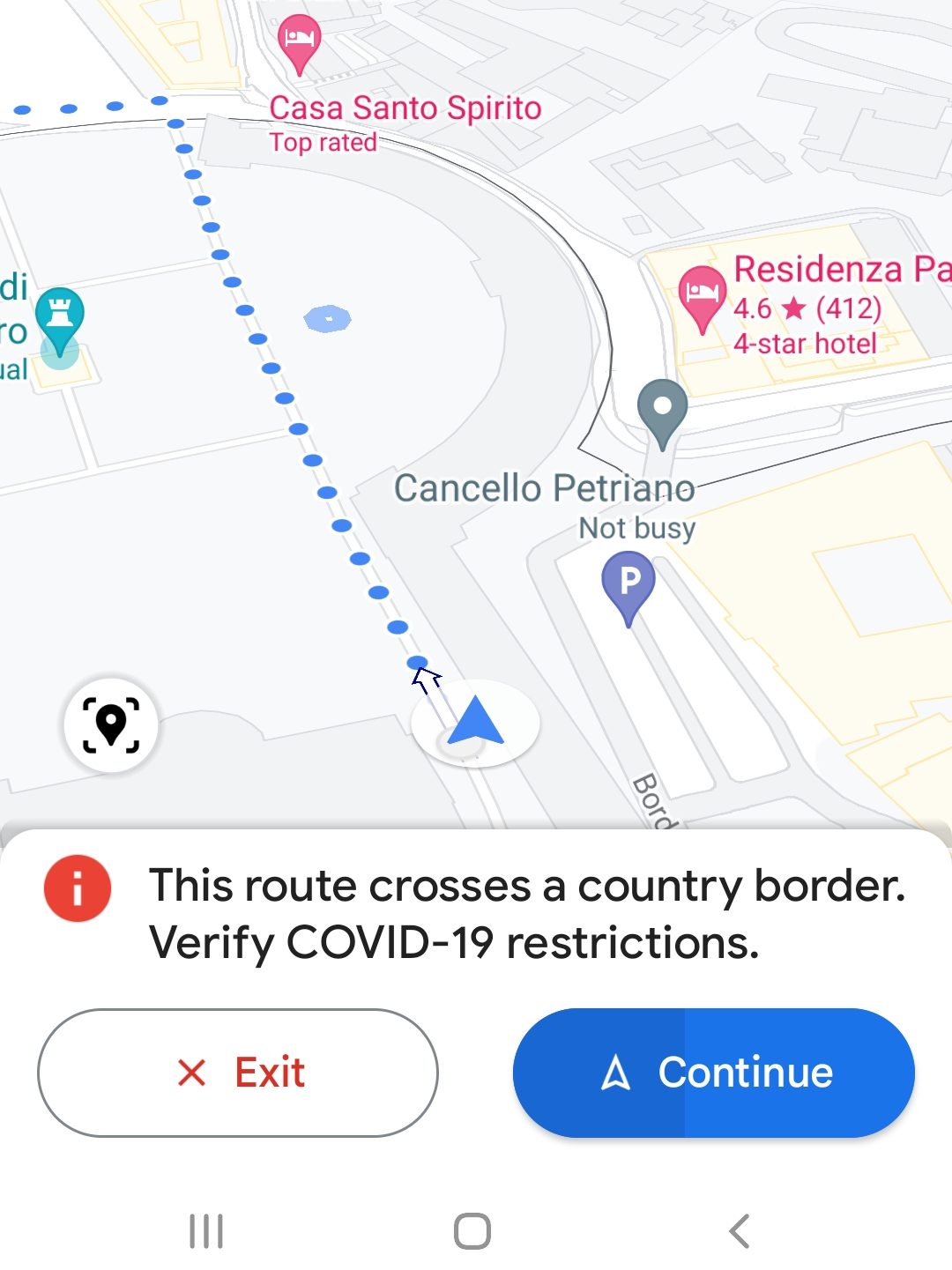
A little extra: Google Maps cracked me up as we mapped our way home from St. Peter’s. While we could walk back to our hotel, we were still in a different country, as noted at the bottom of the map. I think what I most like about the Vatican is that compared to The Holy See, Americans aren’t special snowflakes at all!
*“The Belvedere Torso, which means “the beautiful torso,” could arguably be one of the most important statues in history. This is no small feat for a statue that is lacking legs, arms, and even a head.” This link mentions further influences, including it becoming the base of the famous The Thinker sculpture.
**Perhaps a fig leaf is preferable to castration, but I do think it leads to far more wondering, “What’s under there?” [Underwear, if you are up for an elementary school joke.] Here’s a fun factoid I came across the other day. Penises really are smaller on Greek (and therefore Roman) ancient statues. It is counterculture to today, but modest genitalia symbolized restraint and wisdom. Only the most base of creatures, like satyrs and barbarians, would be portrayed comedically large, signifying all appetite and no refinement. And now you know.
 Needopedia