Turkish Delight: Our last destination

We had hoped to spend more time in Turkey, but my Great Croatian Knee Adventure changed our timeline so that we got only two and a half days in Istanbul. Luckily, Dwayne and I are great with half days!

Of all the places we got to explore, I rated Instanbul as “Most Exotic”. Not only does it straddle Europe and Asia, but it has …. Turkish baths. Sigh of happiness.

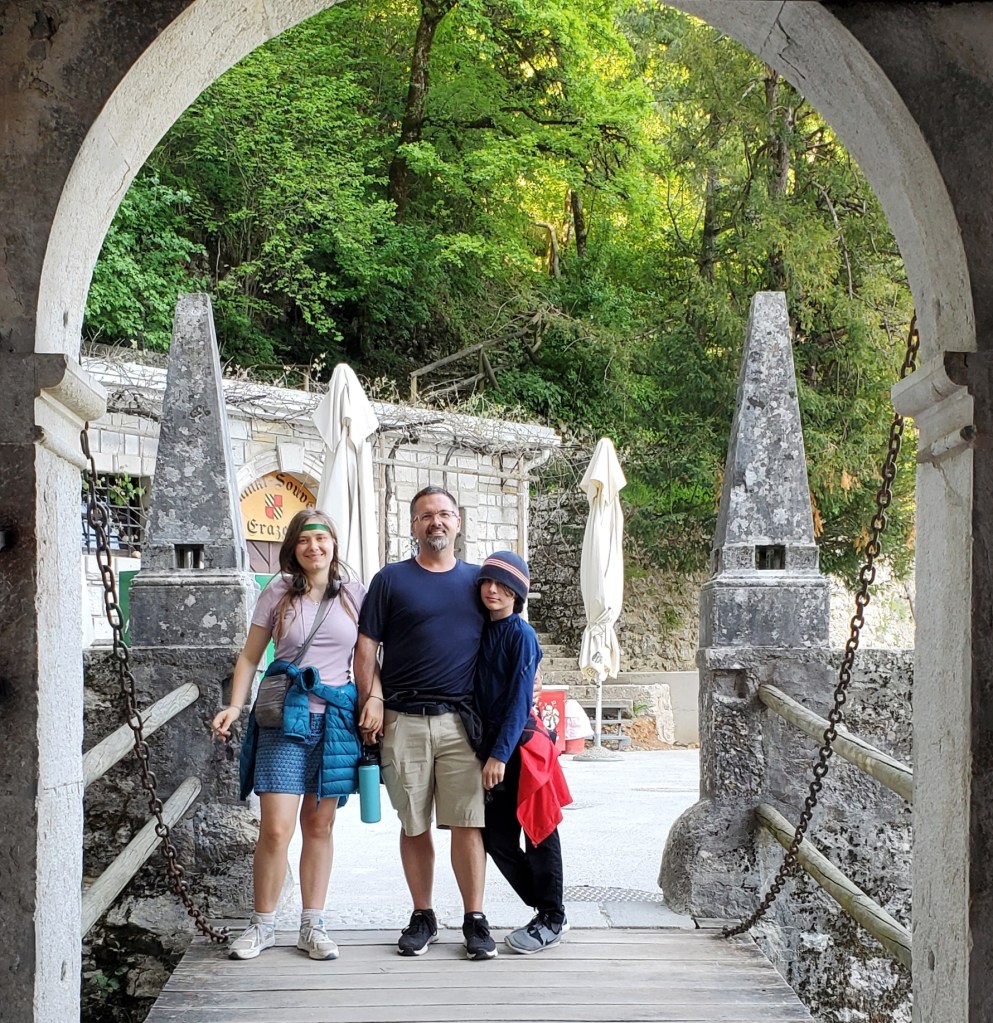
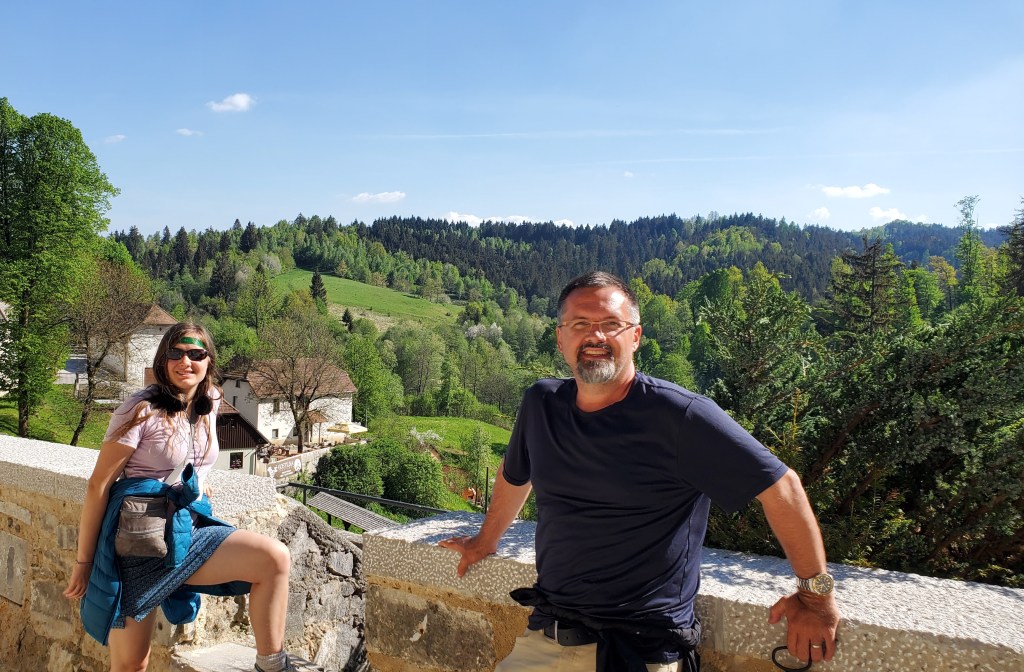
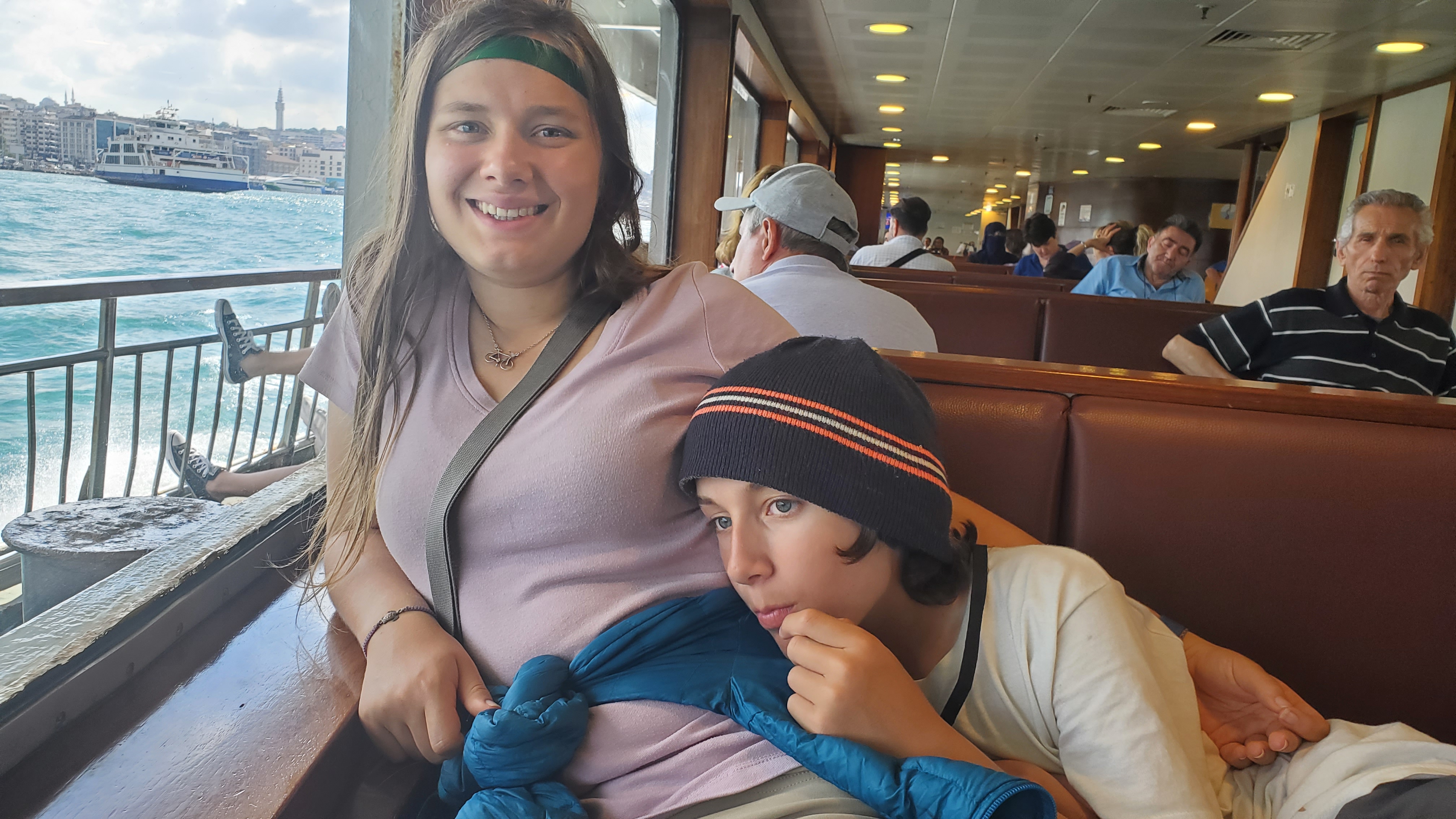
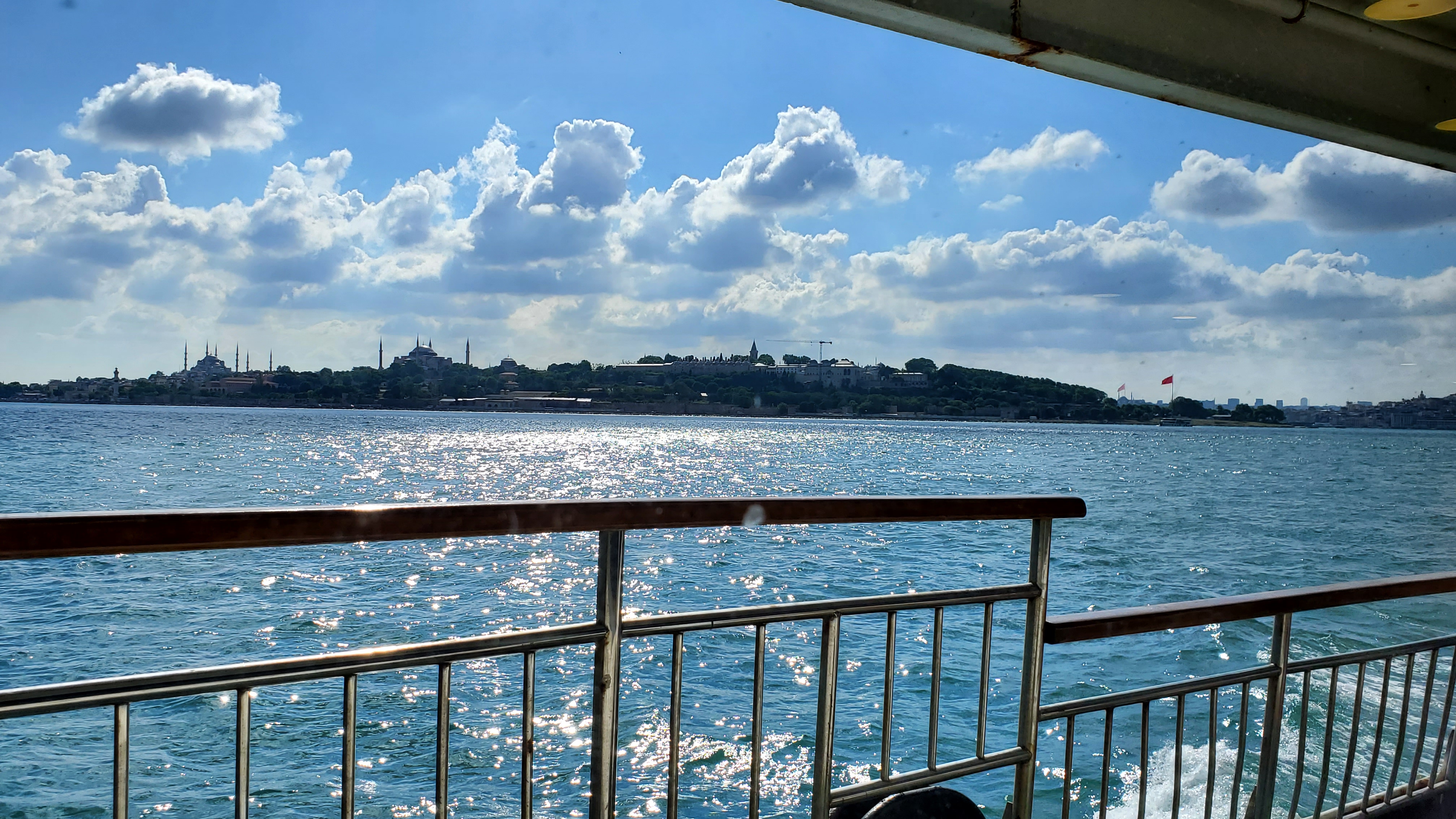
We had an excellent location, Europe-side, just a few blocks from Galata Tower. (I had never heard of it, but I mention it so I can find it again when we return.) Dwayne and I took our half-day to wander down by the waterfront and figure out public transportation, that, like Washington State, includes lots of ferries. We figured it out in enough time to be only 10 minutes late for our first family tour–a walk-and-taste tour on the Asian side of Istanbul. And the views were pretty great.
I had scheduled a full-day tour for Wednesday, which turned out to be a half-day too long. Again, think hard before signing up to be besties with new guide for a day, especially when you have no choice in who shows up. However, we mostly got to do most of the must-sees, and got a bonus.

First, here’s my take on the history of Istanbul-not-Constantinople. When Constantine chose this city to be made the new seat of the Roman empire, he left Rome to the popes (and you see where that got the world). The western Roman Empire petered out not long afterward, but the eastern Byzantine Empire lasted another thousand years, eventually losing out to the Ottomans. Dwayne and I wondered how THE EASTERN ROMAN EMPIRE (aka, the Byzantines), who had not been conquered for 1400 years, lost to the Ottomans. Kyla, with 1 semester of AP World History and a brain for the why of things, was able to explain to us that the Ottomans had superior use of gunpowder. No surprise, she was right.

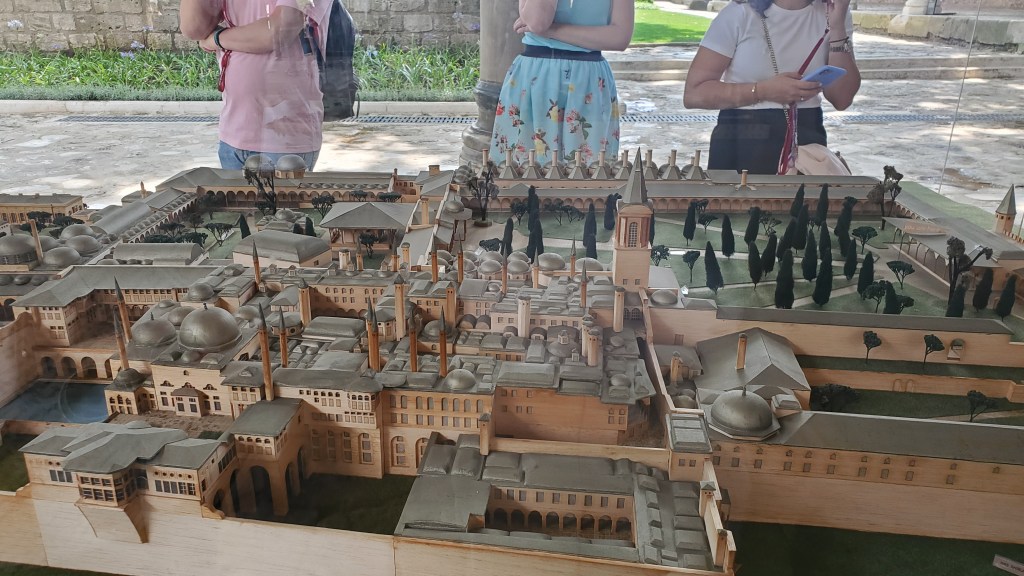
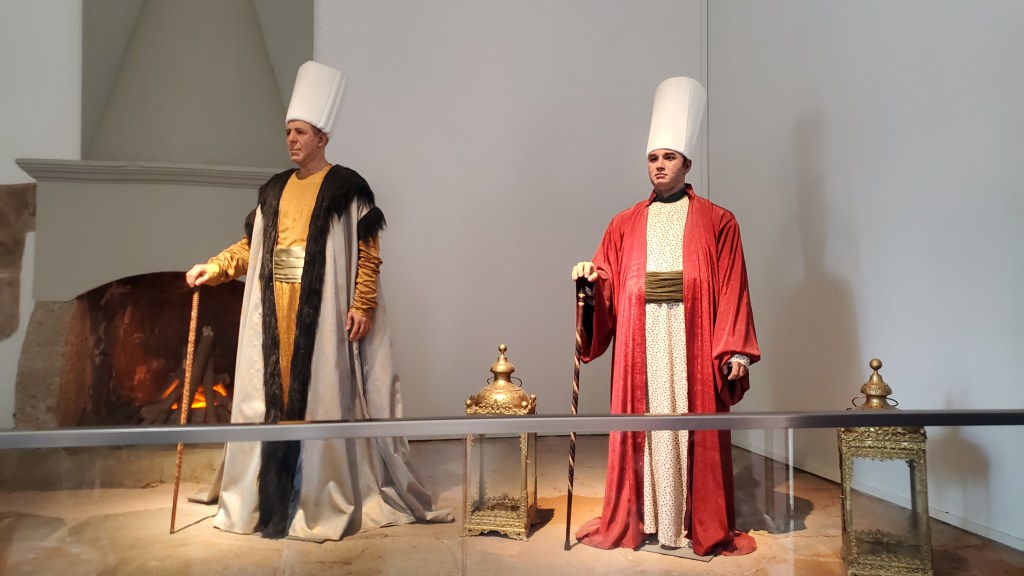
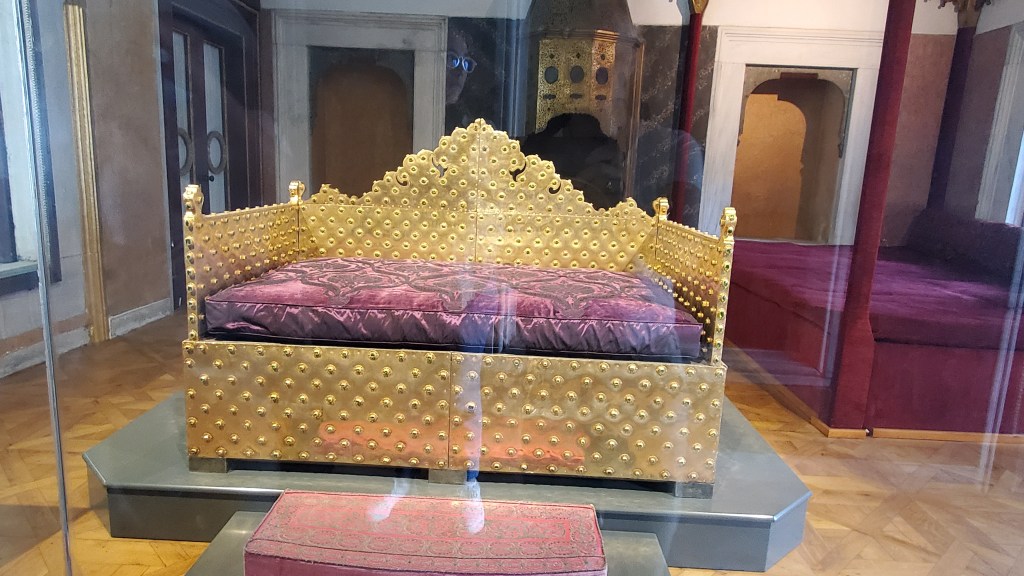
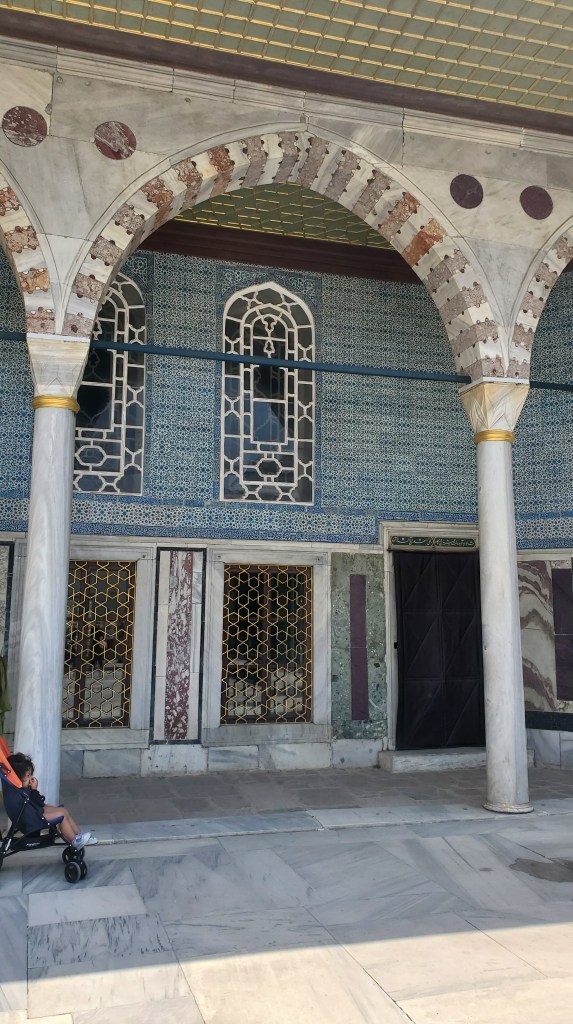
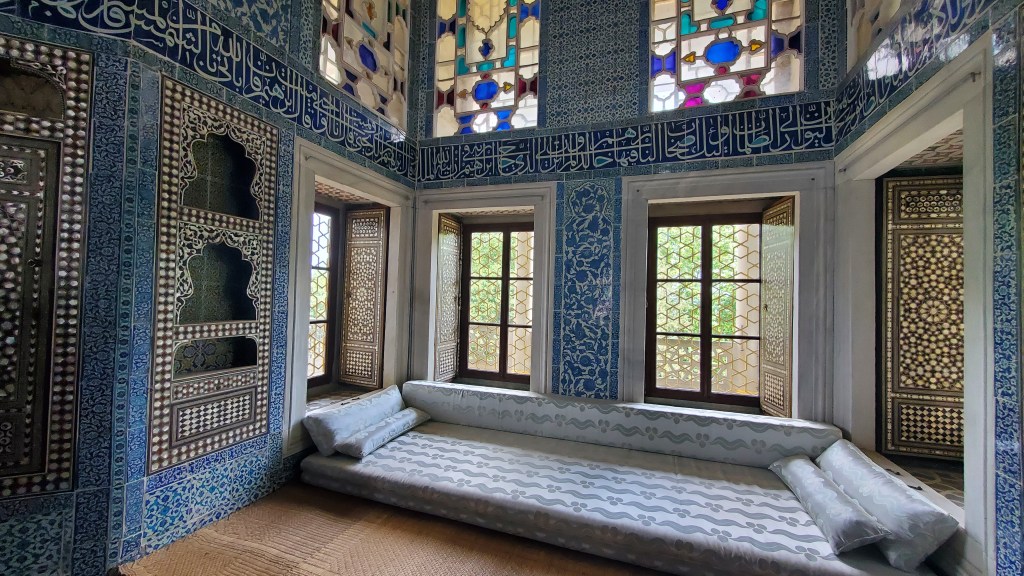
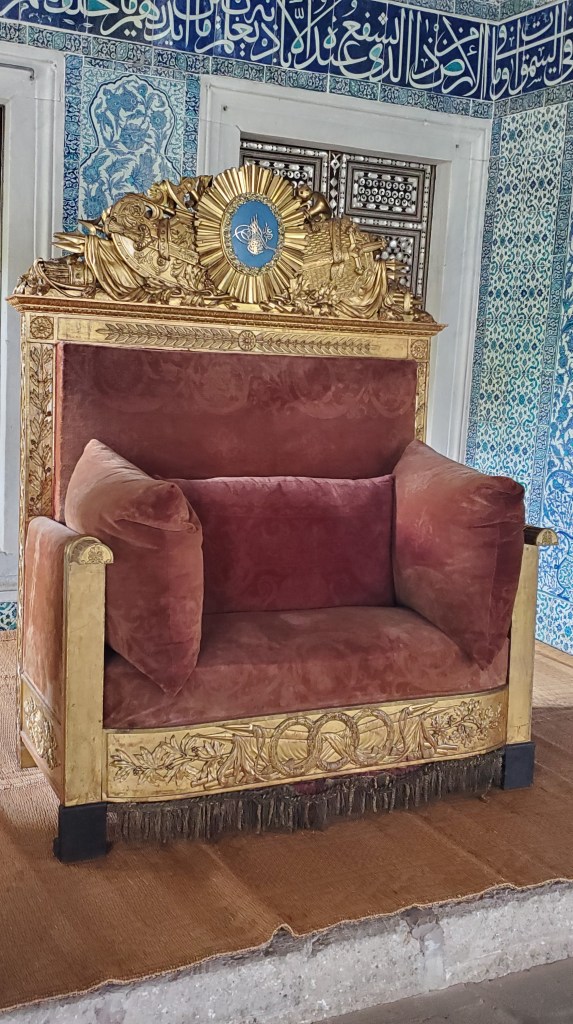
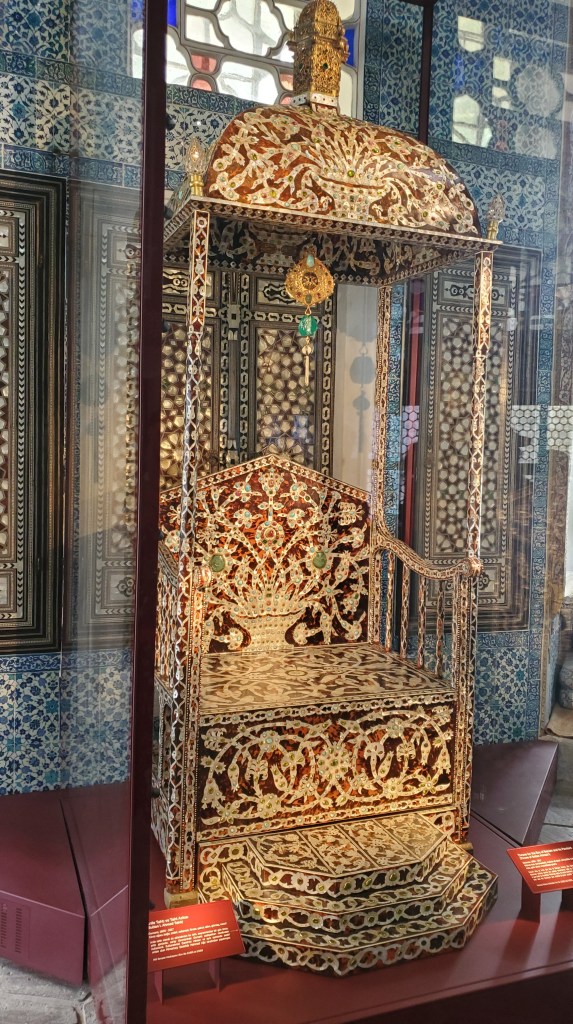
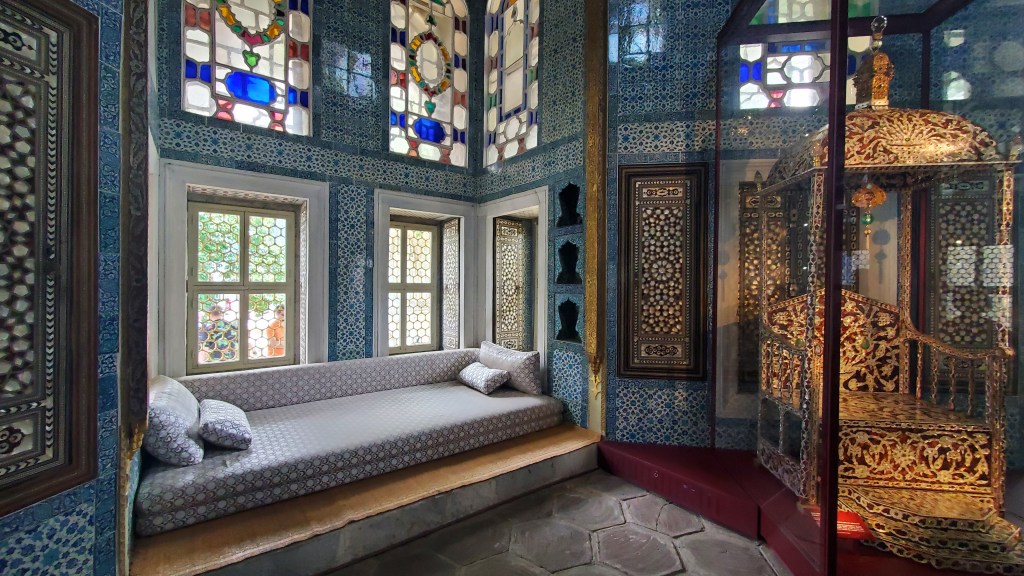
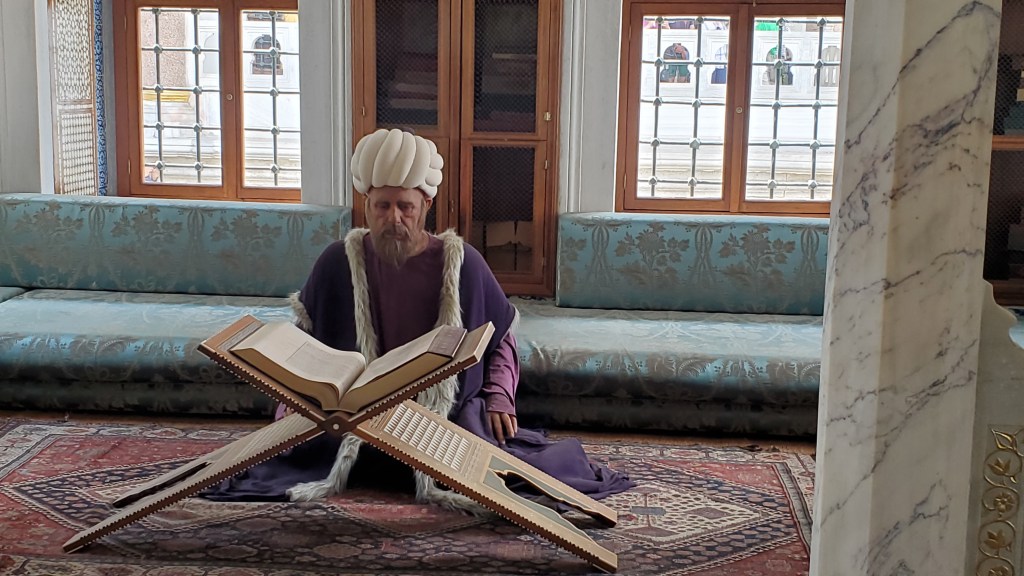
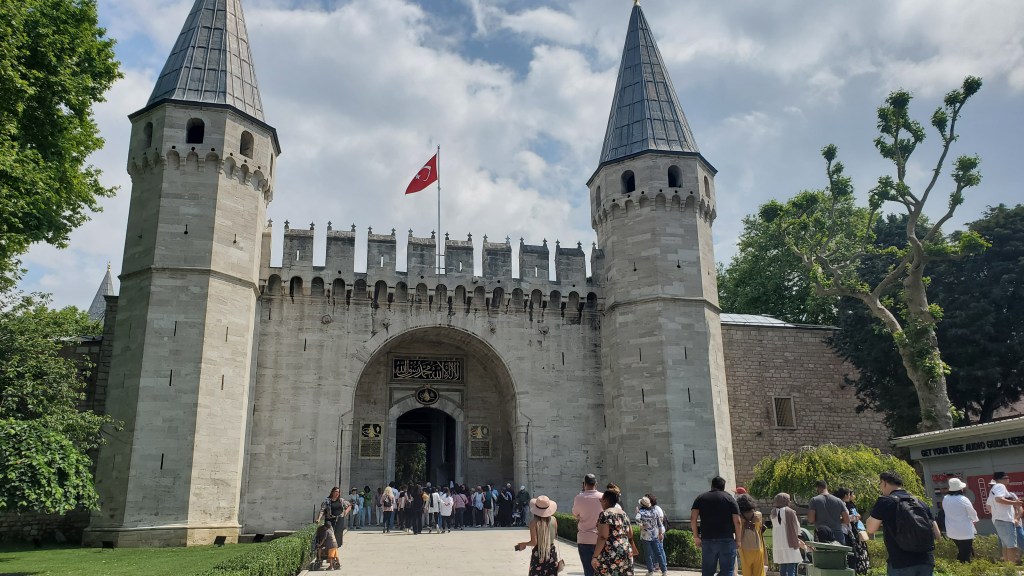
Here’s an important thing about the Ottomans: they had sultans. Sultans were just like emperors, kings, pharaohs, medieval popes, and orange presidents: self-serving and dictatorial. Mostly this meant lavish lifestyles in decadent palaces wearing splendid clothes while being tended to by yes-men, a word which until recently, didn’t need to be de-genderized. Perhaps the biggest difference between sultans and other patriarchs is the wearing the turbans (instead of other funny hats) and ostentatiously reading the Koran, instead of pretending to read the Bible.** And sultans lived in places like Topkapi Palace (at least until it got boring and newer, bigger, better palaces were built):
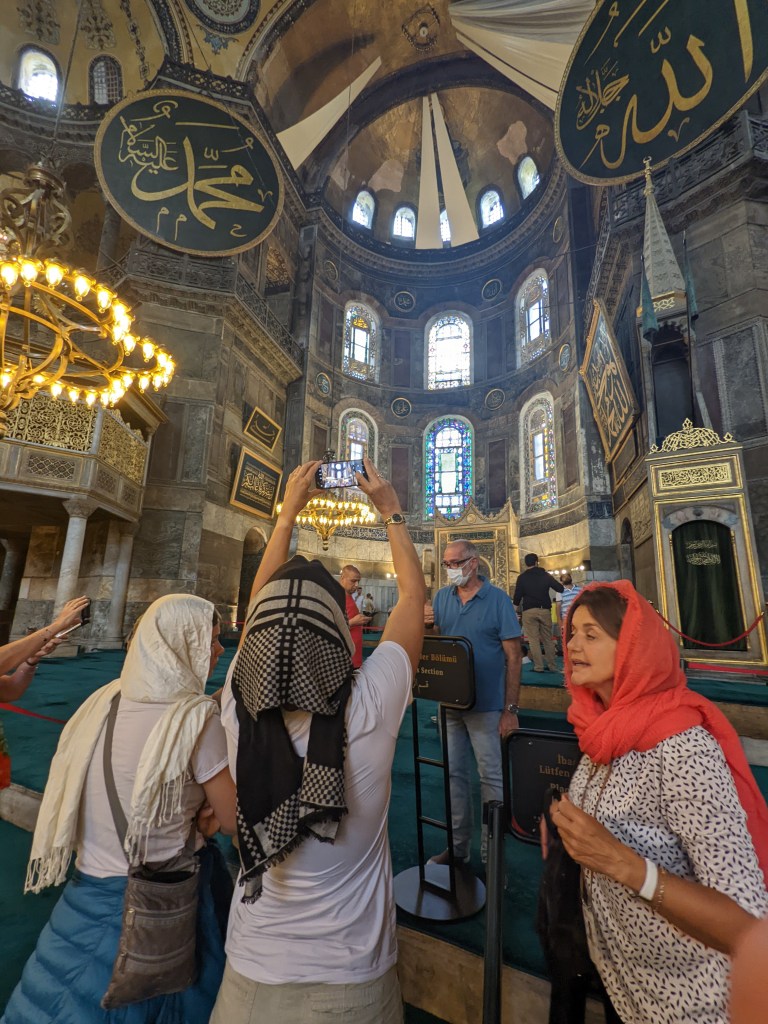
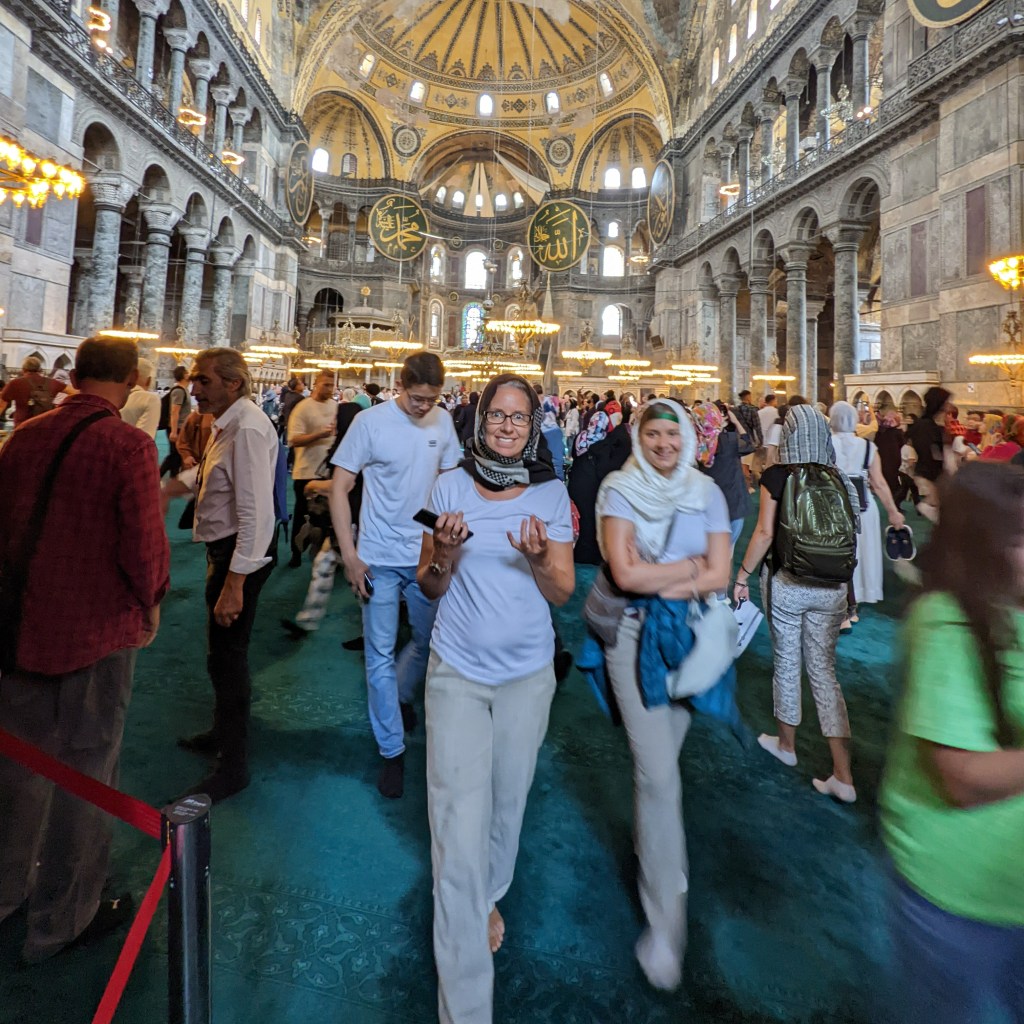
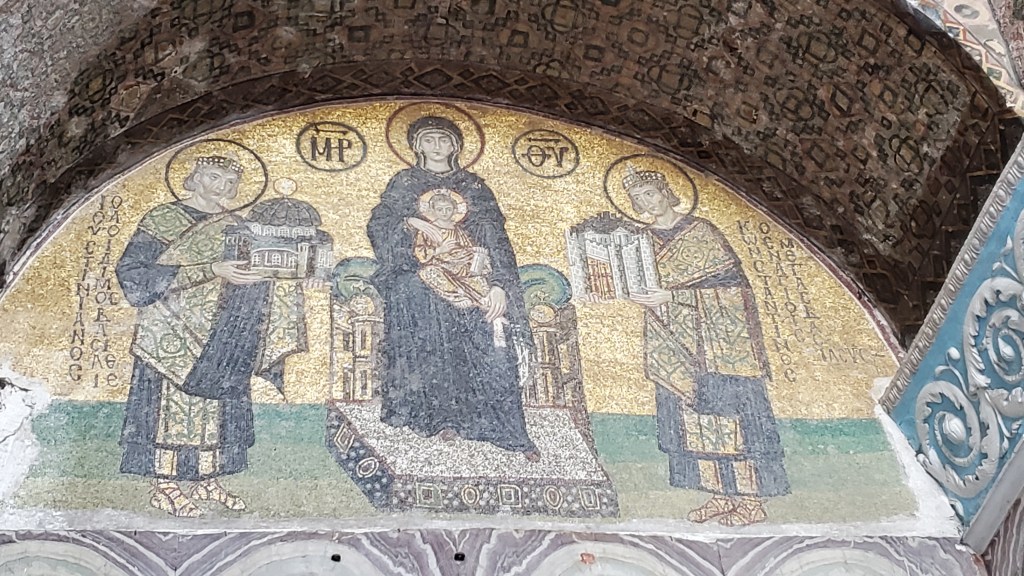
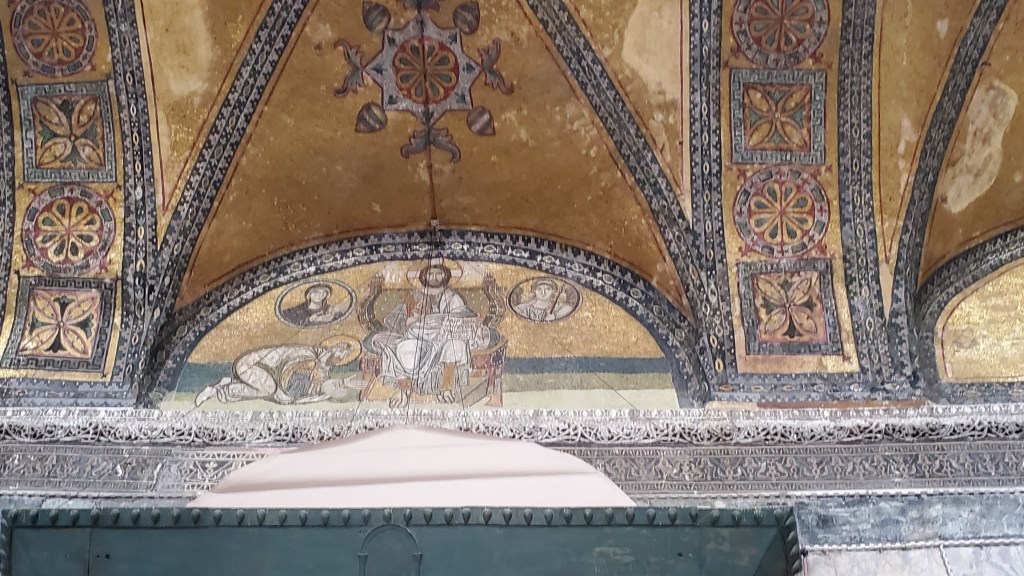
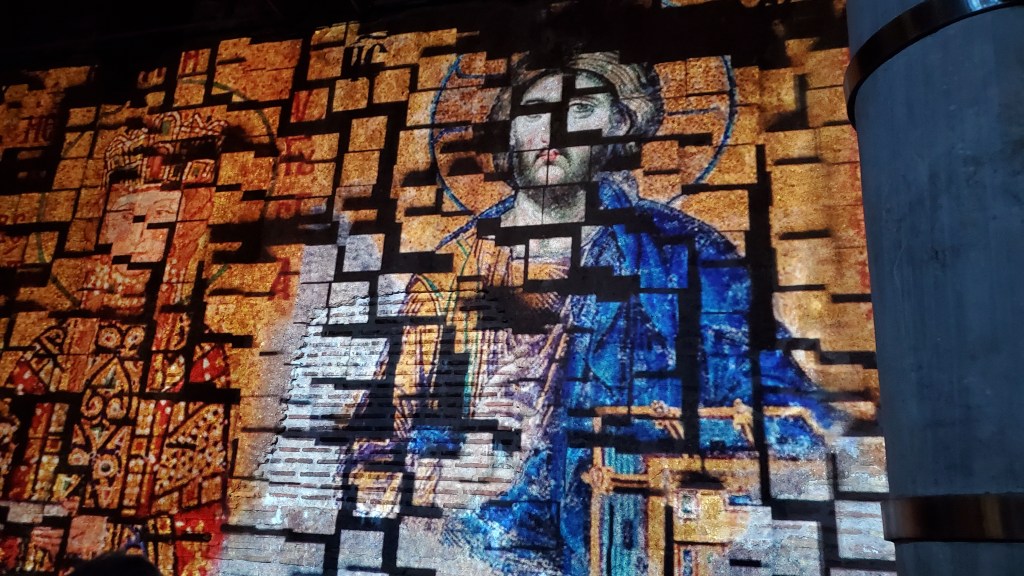
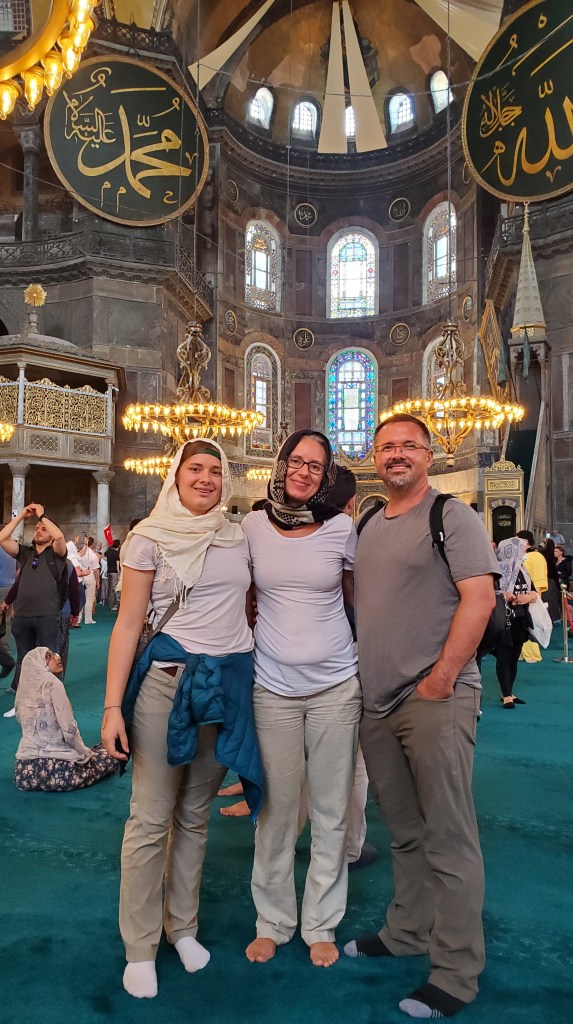
We also visited the Hagia Sophia, the Holy Wisdom, an Eastern Orthodox church-cum-mosque-cum-museum-cum-mosque** again.
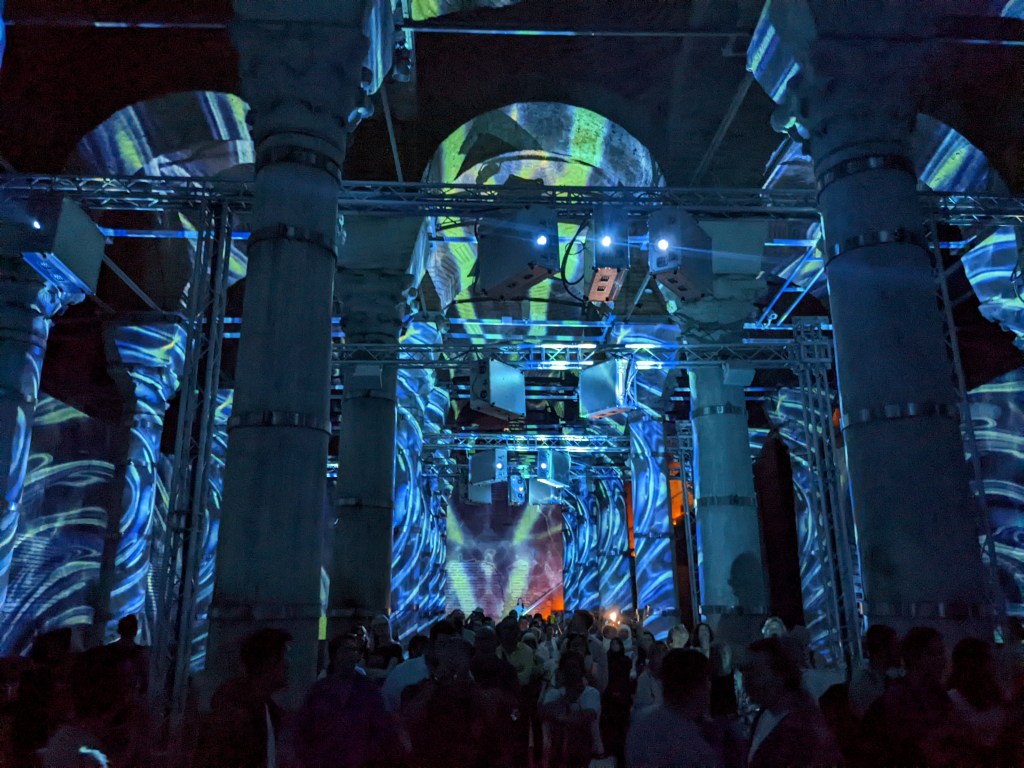
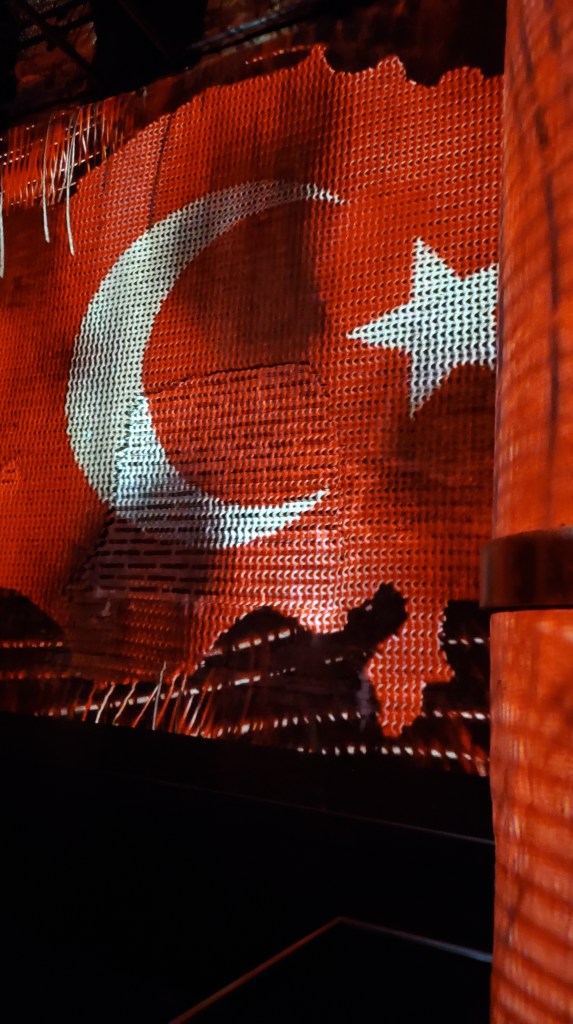
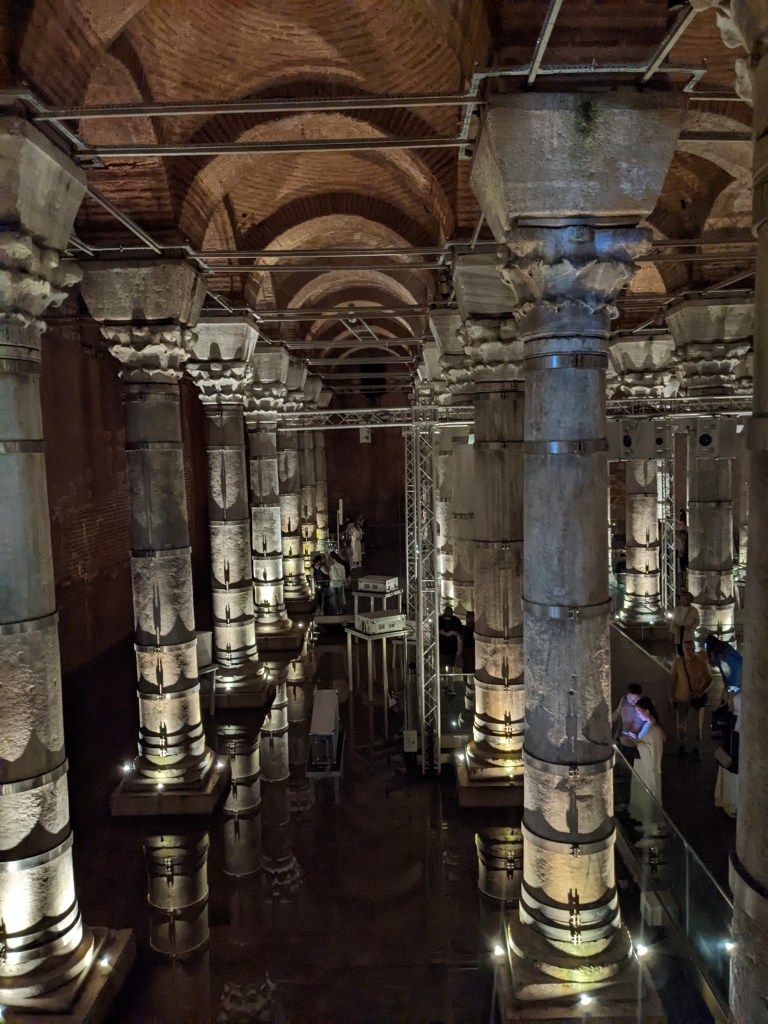
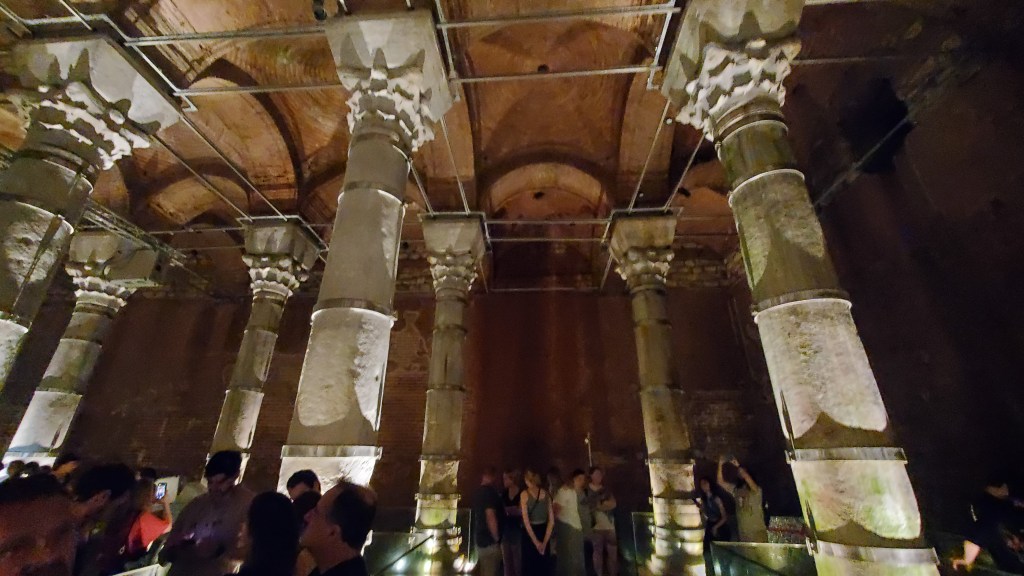
We had hoped to explore the Blue Mosque as well, but it was closed for renovations. But that gave us more than enough time to visit something not on the Top Ten tourist sights–an old city cistern that does subterranean laser shows.
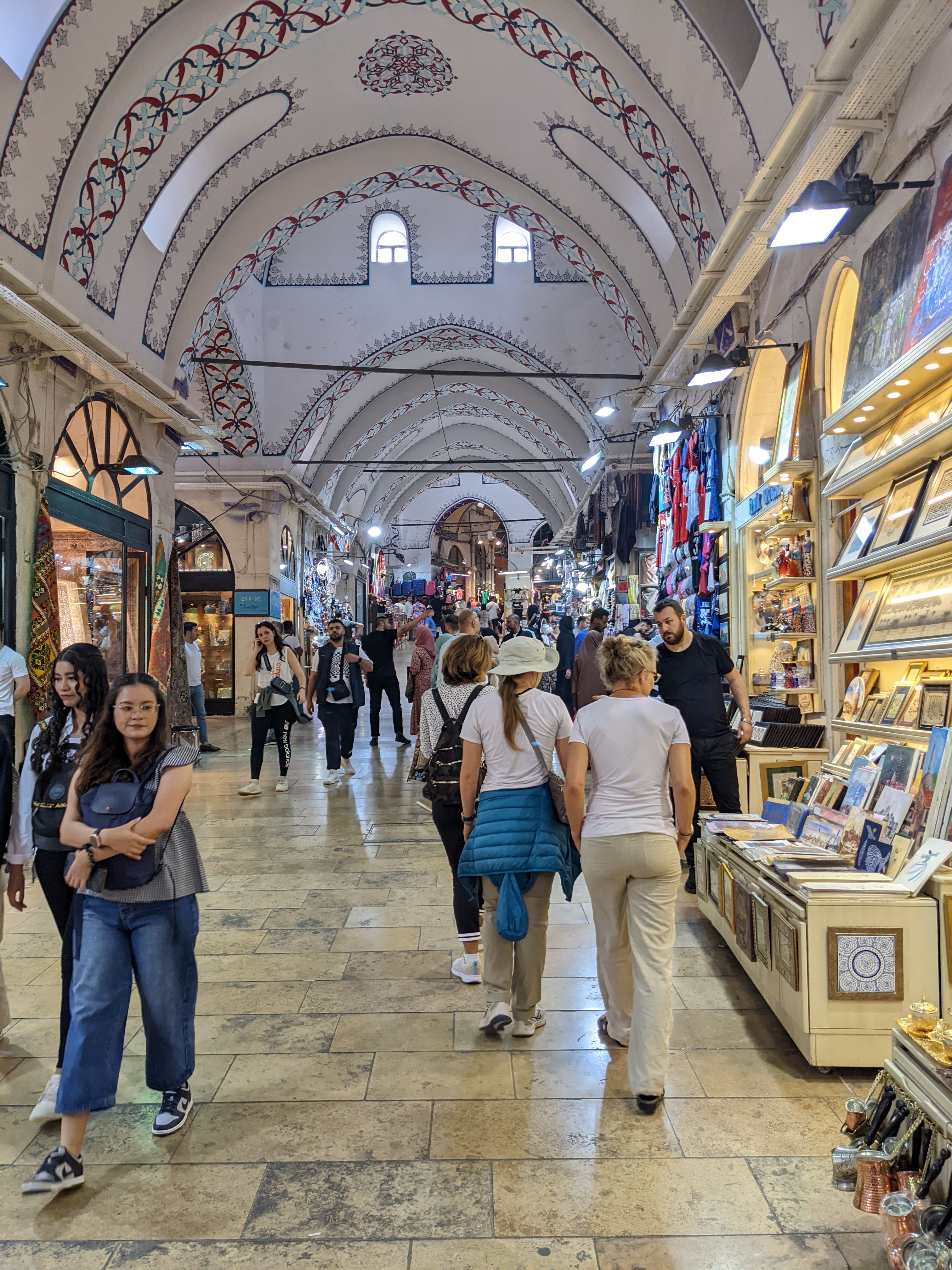
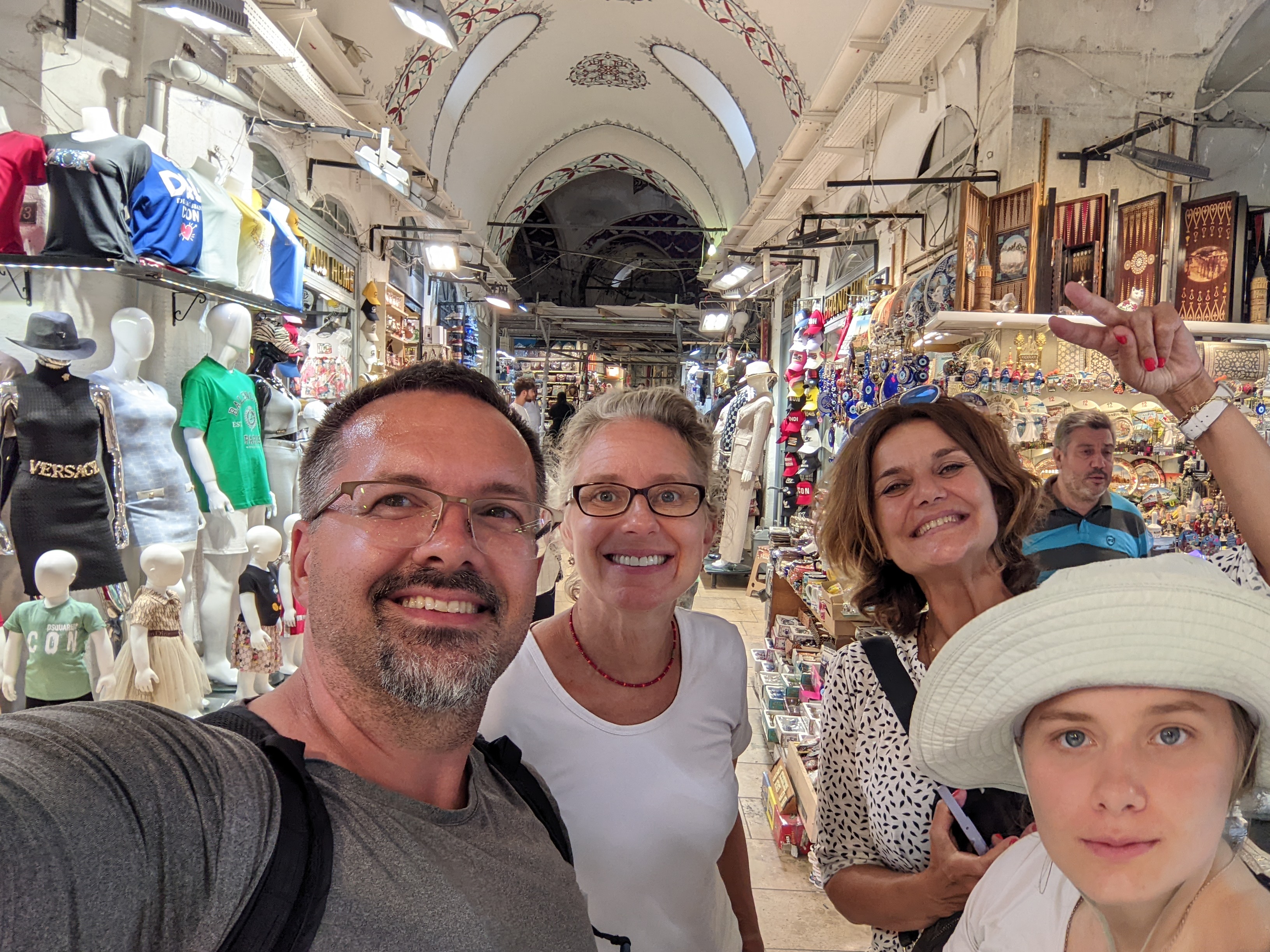
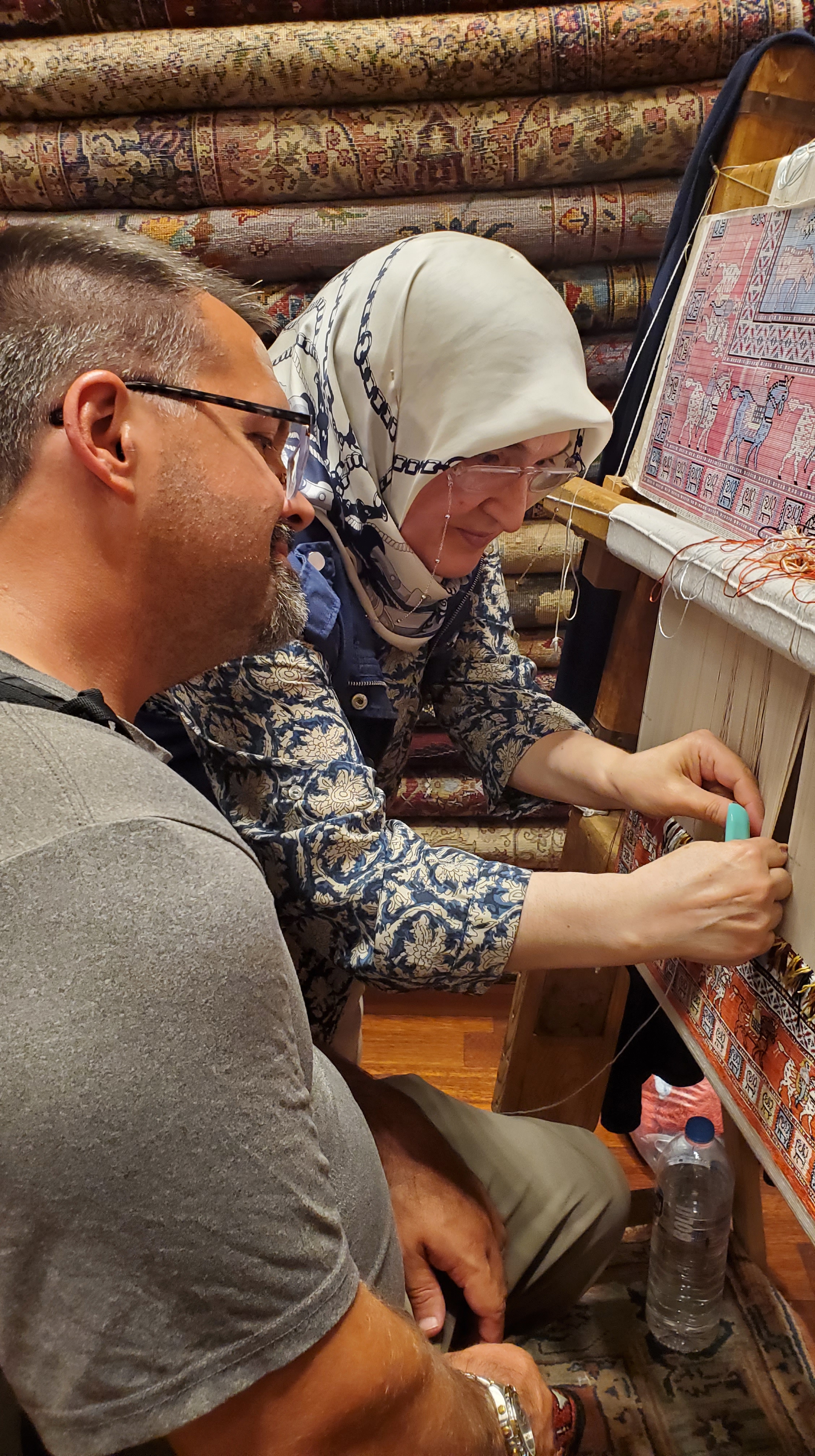
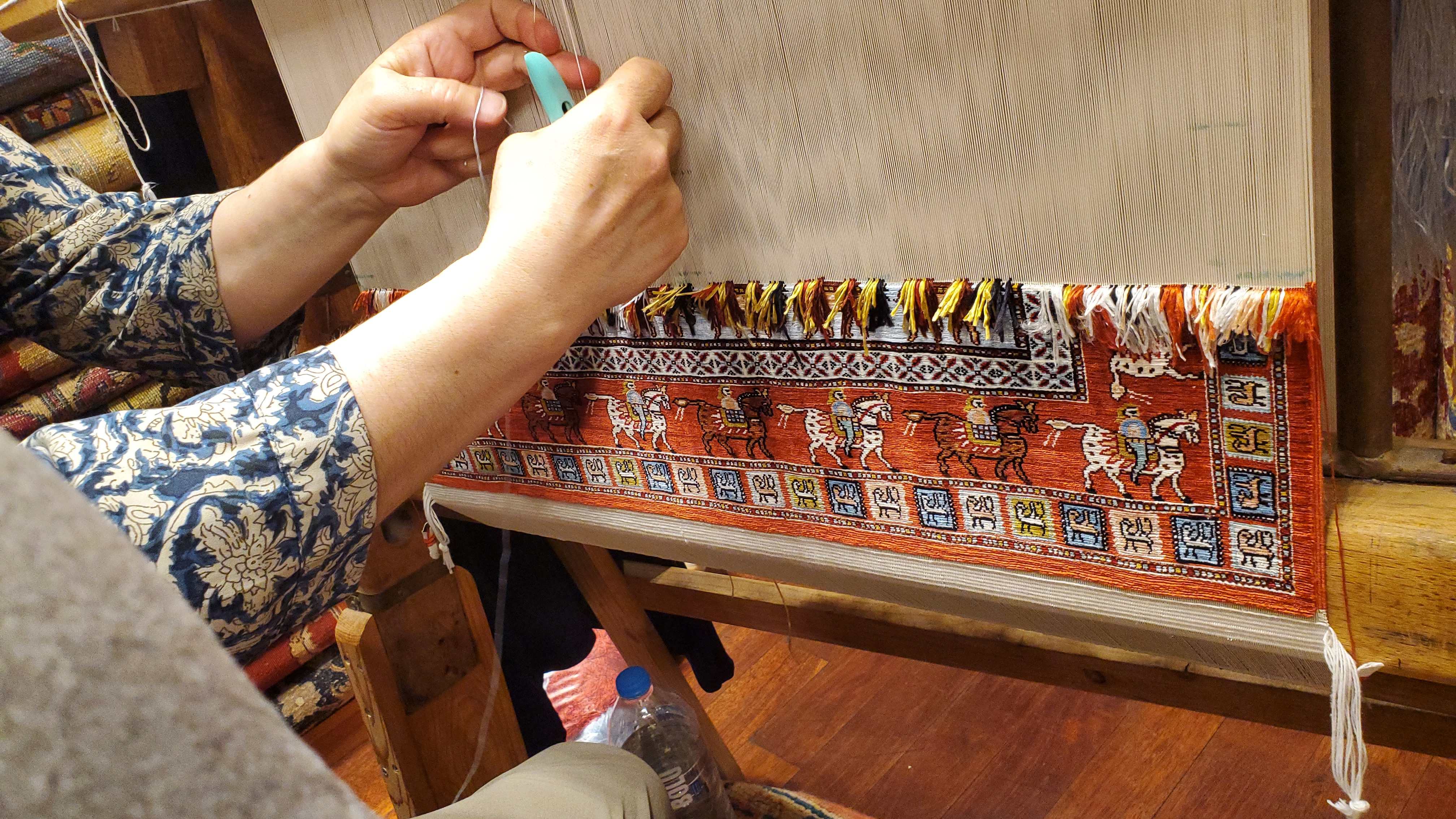
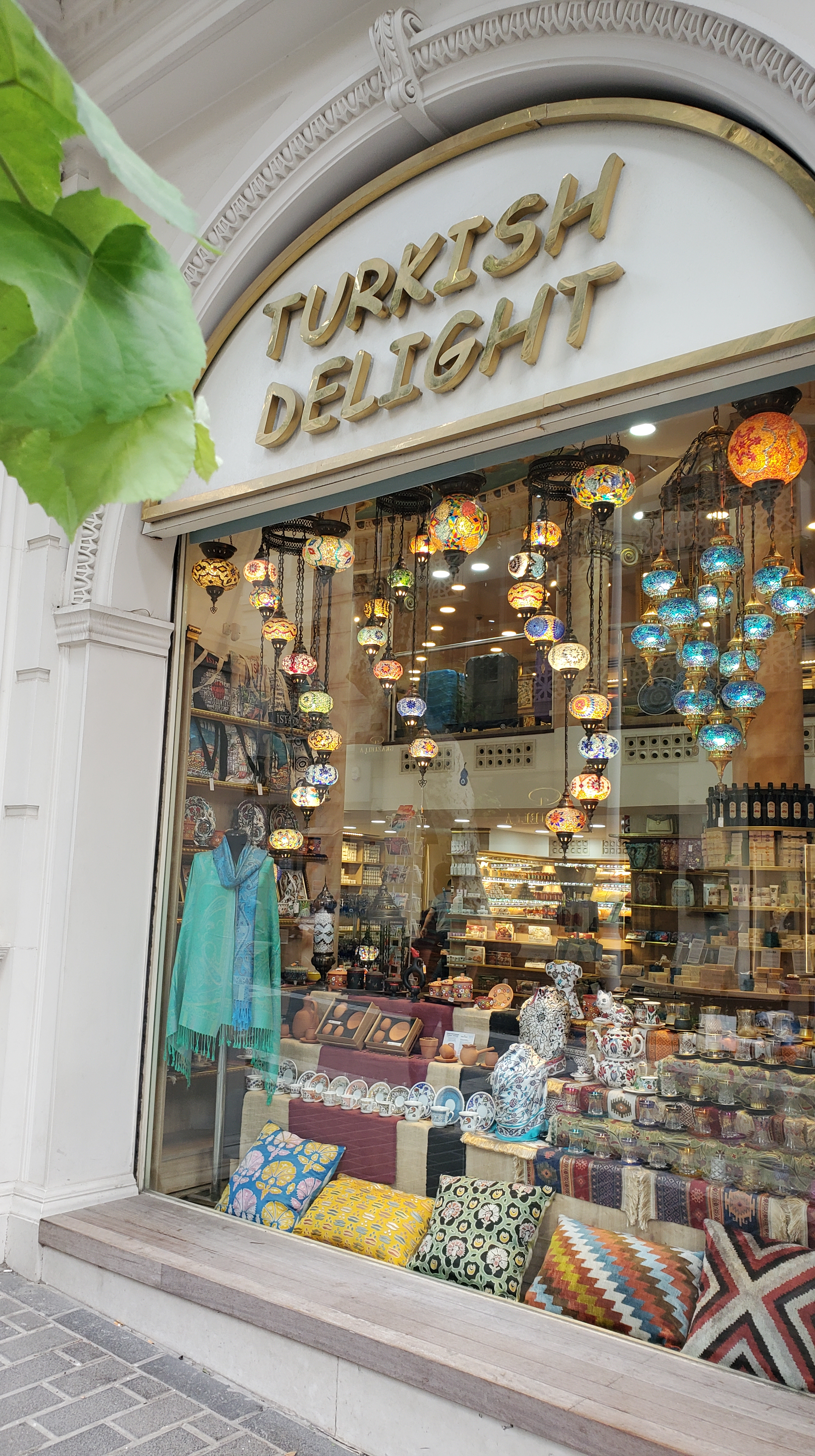
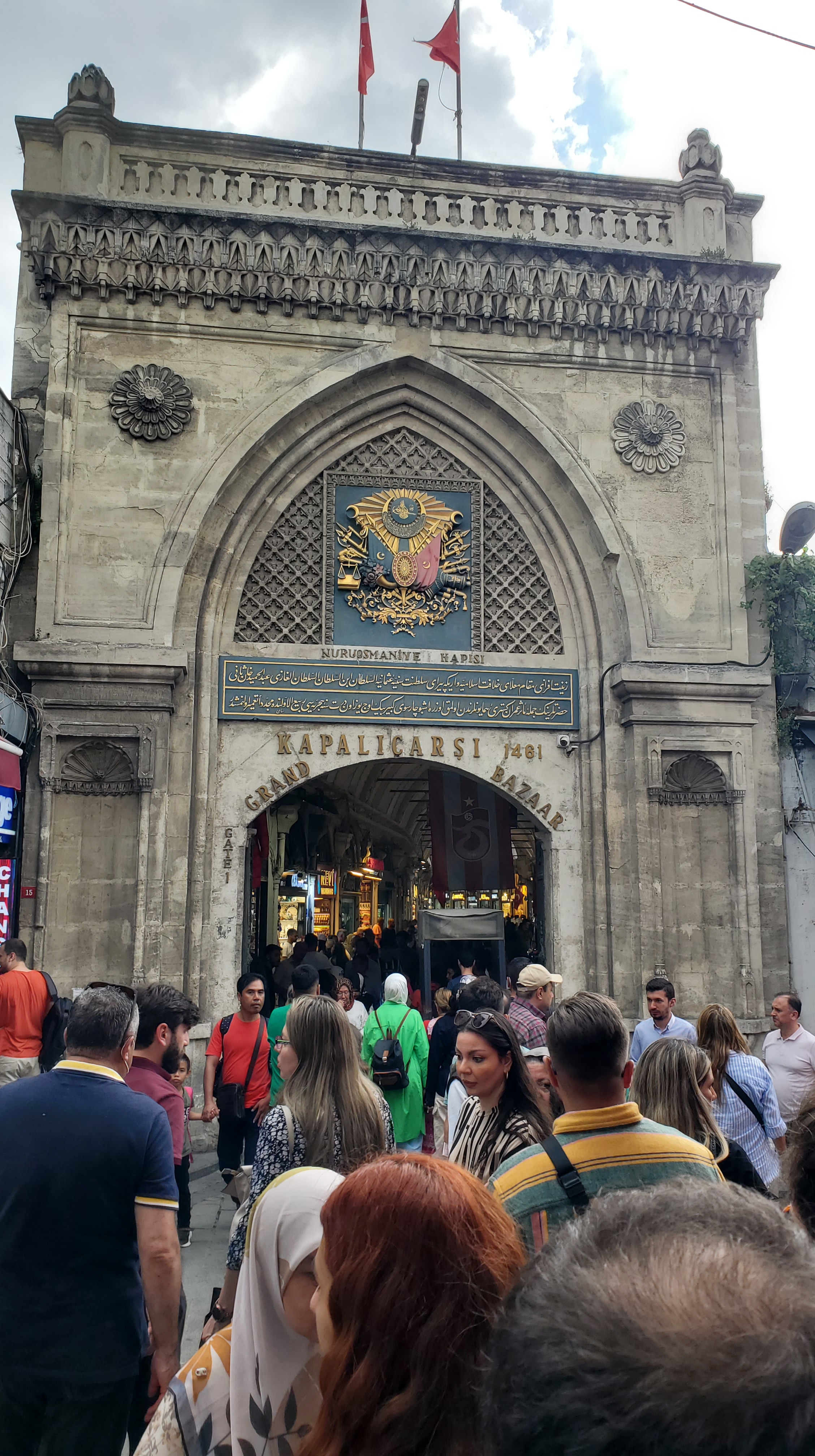
Not counting food, we fit in one more adventure that day. We went to the Grand Bazaar, which Wikipedia describes as 1) one of the world’s most visited attractions and 2) one of the largest and oldest covered markets. It is listed as having 61 streets and 4,000 shops, accomplishing being both superlative and superfluous simultaneously. Turkish delight, tea, and a few casual necklaces are all that hopped into the shopping bag that day before us introverts got overwhelmed. We then “just stopped by to use the restroom” at a Turkish carpet emporium, which felt like an ambush by both our guide and the salesman. I did turn down the beautiful rock-bottom-priced $5000 carpet because, well I’m not sure I need a reason to not bring home a large, expensive rug, no matter how plush and beautiful.
In 1.5 days, we hit Istanbul pretty hard. We have just another day and a half before flying home. What other trouble could we get into, one might politely ask….


*I really don’t think I’m being too harsh here.

**It was reverted back to a mosque in 2020, signaling that Turkish secularism is on the decline in this “religious” strongman throwback era. I have feelings.

Cooking Class in Athens

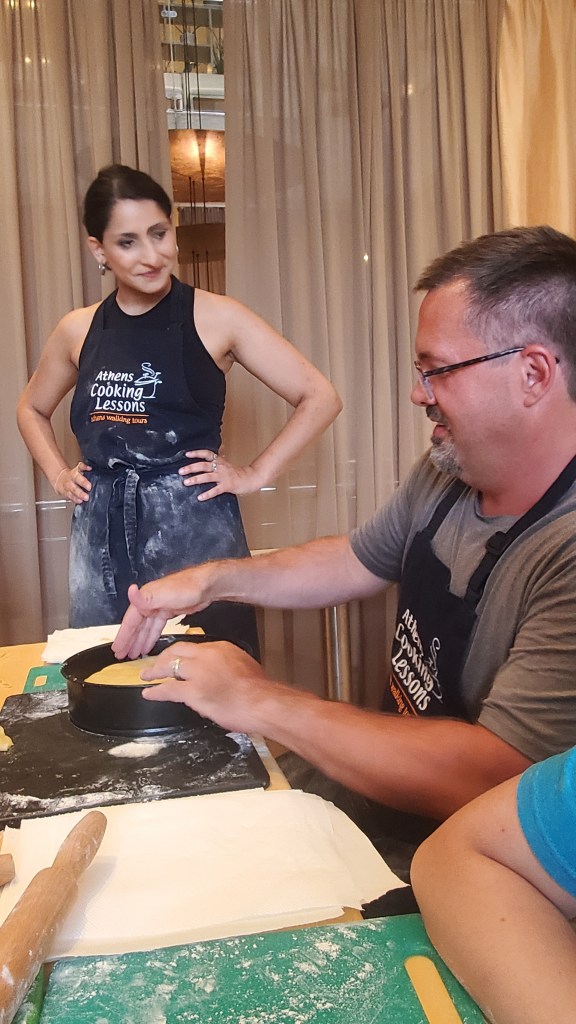
Kyla and Wes did the Segway tour with us during the day, so Piper joined us for an evening cooking class. We aren’t allowed to take pictures of the middle child these days, but she enjoyed making stuffed grape leaves, Greek salad, and other yummy food. I pulled my usual trick of cooking indifference so I could cheer on others while sipping wine and chatting with new people from other countries.
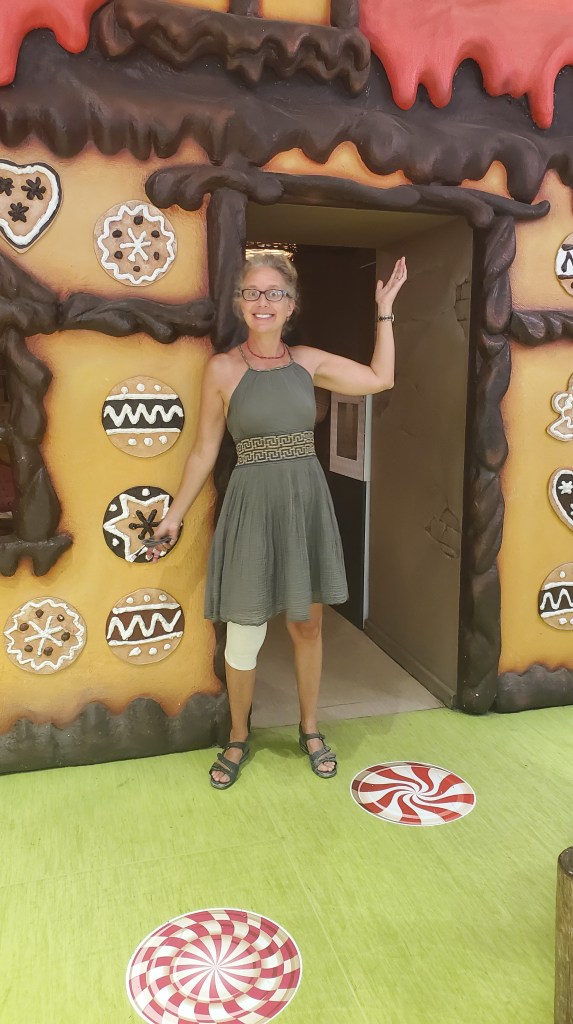
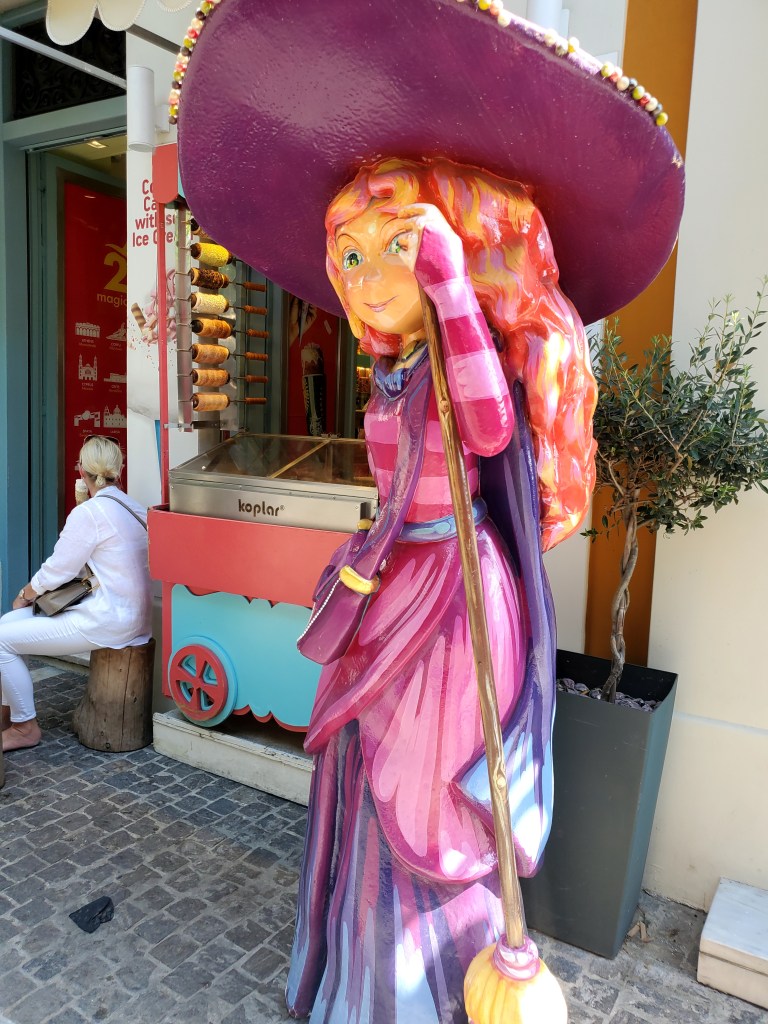
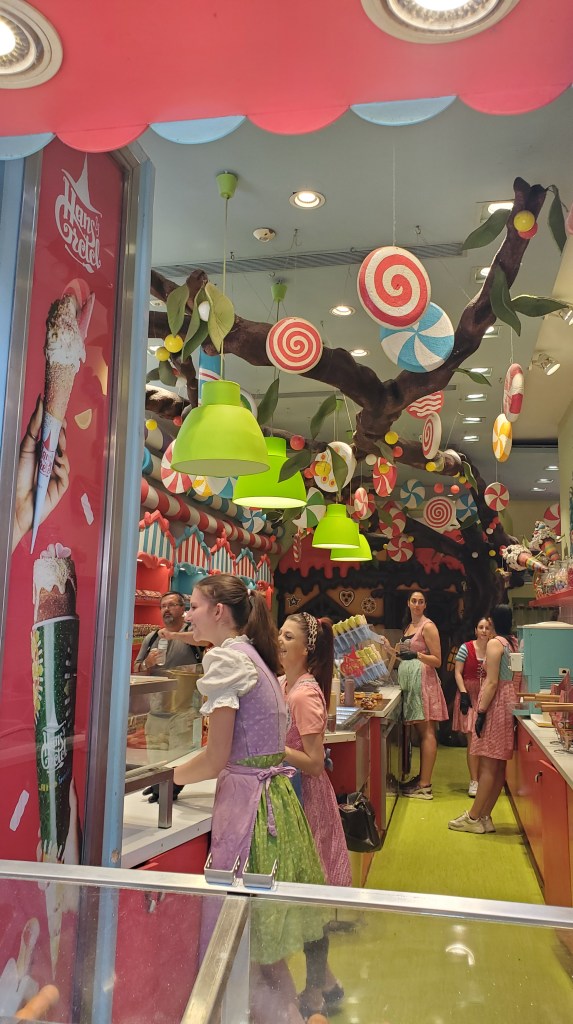
Honorable mention to Hans & Gretel, ice cream place extraordinaire. The kids almost didn’t notice the long distance we walked on a hot day to get here. Deciding what to order took most of the afternoon!
And while I am wrapping up our time in Greece, I remembered our taste of rose cordial at a 19th century restored city house of a prosperous farmer. Ten days in Greece wasn’t enough!

Day #110: Athens with St. Rick

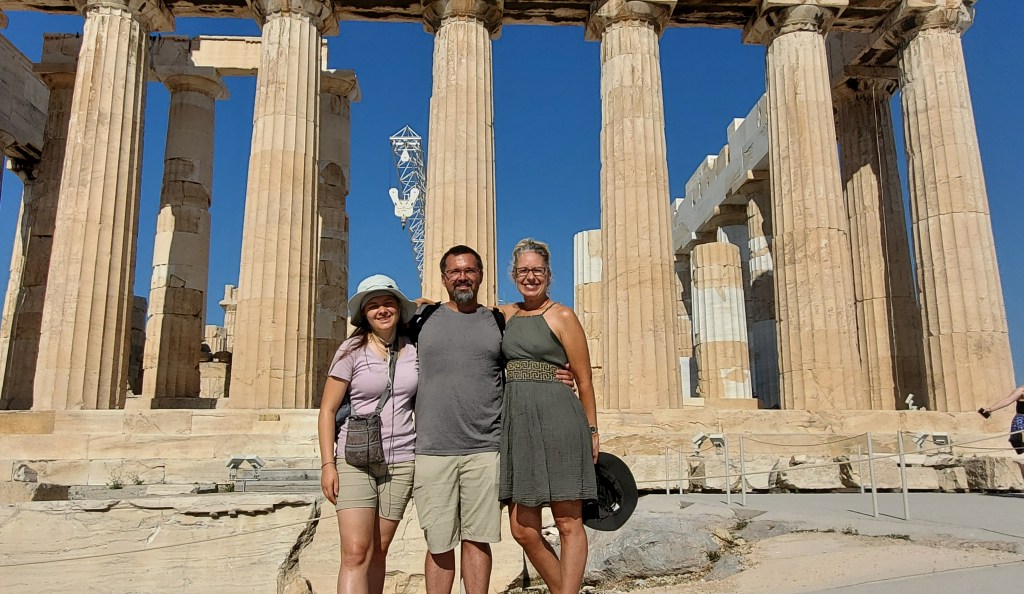
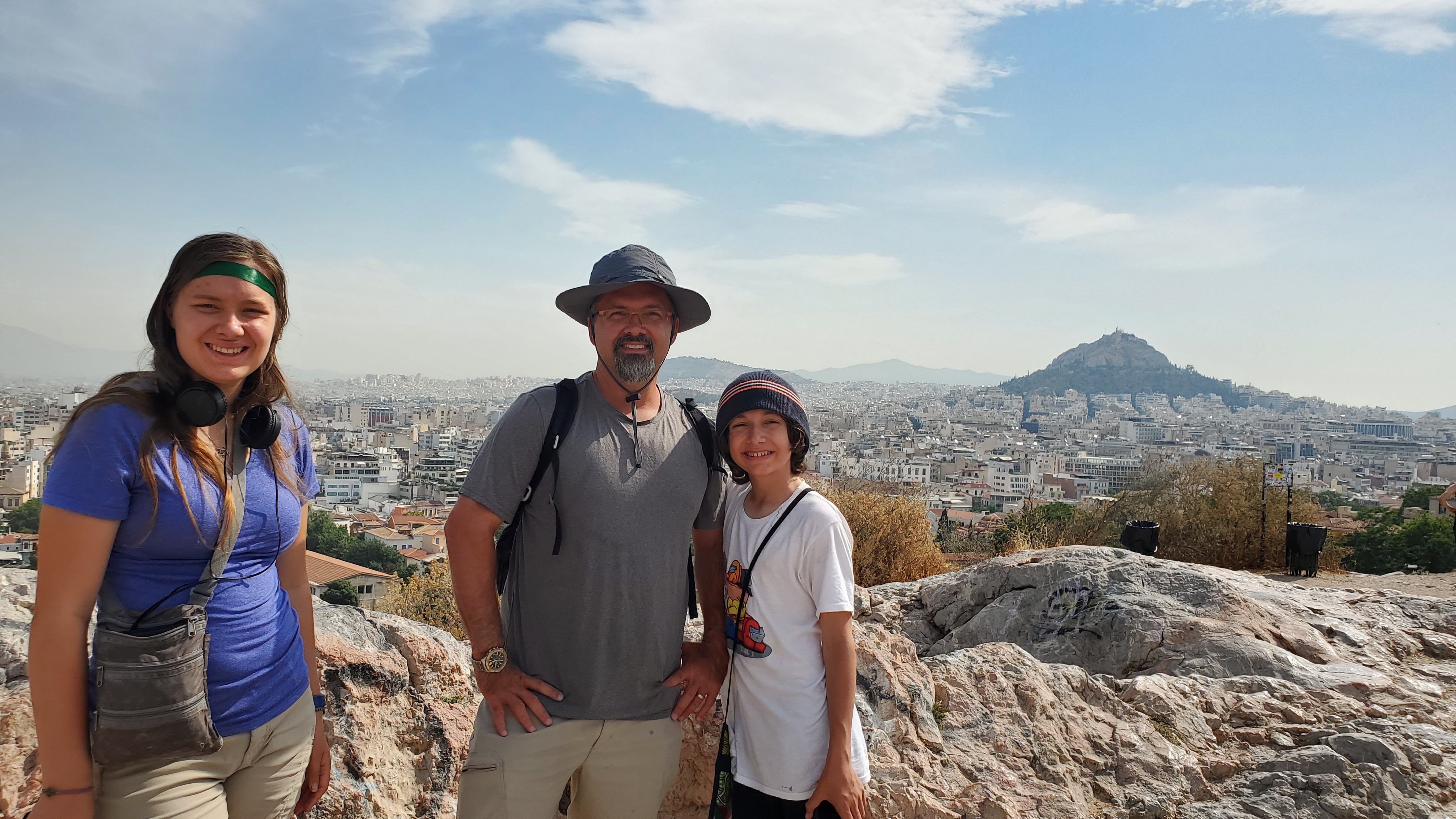
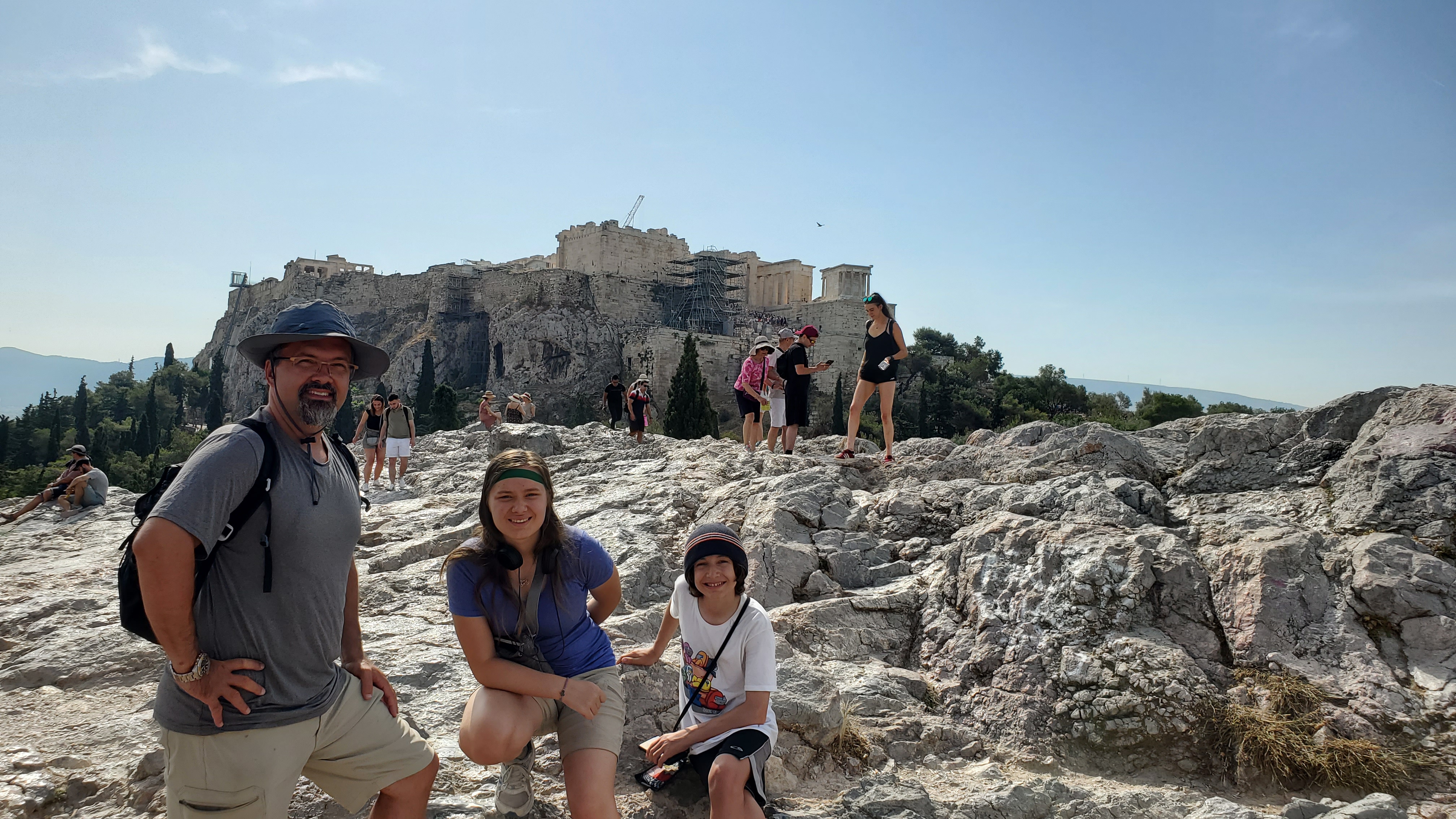
It was day #110 of 115, and I was ready to make up for the last 3 weeks of limited adventuring with a full day of sightseeing. We gave the usual cursory invitation to Wes and Piper, and then Kyla, Dwayne, and I set off early to explore the Acropolis before it got too hot, with four Rick Steve’s audioguides downloaded to each of our phones*.

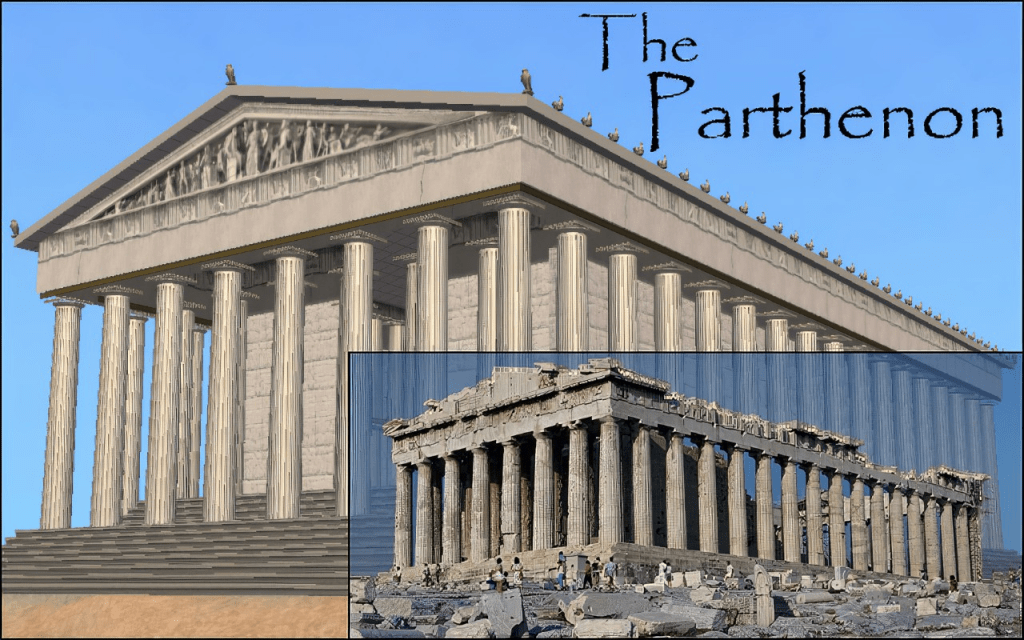
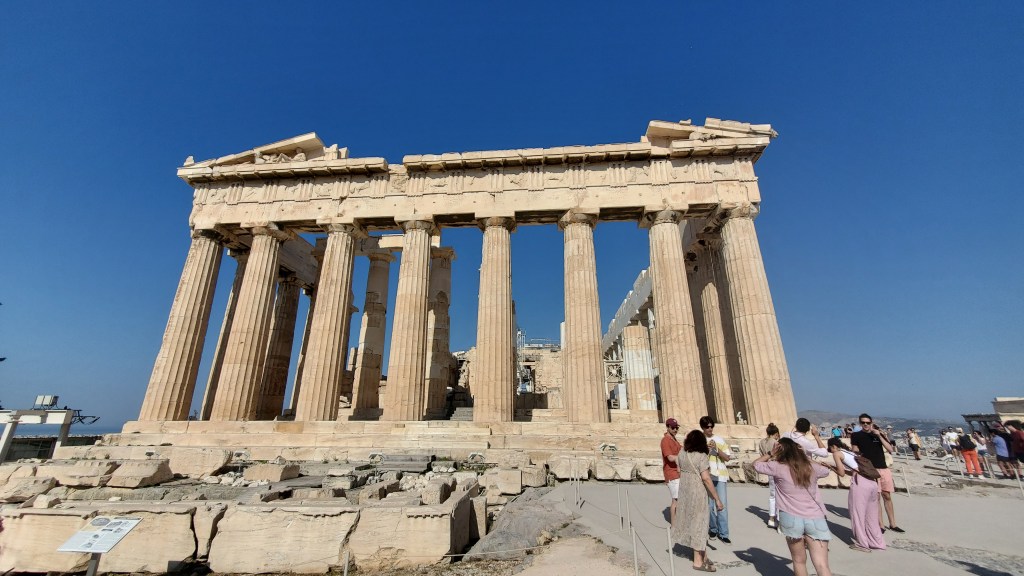
I have heaps of ignorance so I had to research was the Acropolis was. (Kyla, of course, knew already.) The “high city” is crowned by the Parthenon**,  or as Rick Steves classifies it, the “greatest Greek temple” and possibly “the most influential building in the world”. Like all mostly intact ancient temples, it spent time as a church over the centuries after the fall of Rome. In fact, it was in darn good shape until gunpowder stored in there during a Venetian-Ottoman conflict in 1686 was hit with a lucky shot. Oops.

A representation of the original Parthenon against one bombed about 400 years ago, before restoration began.

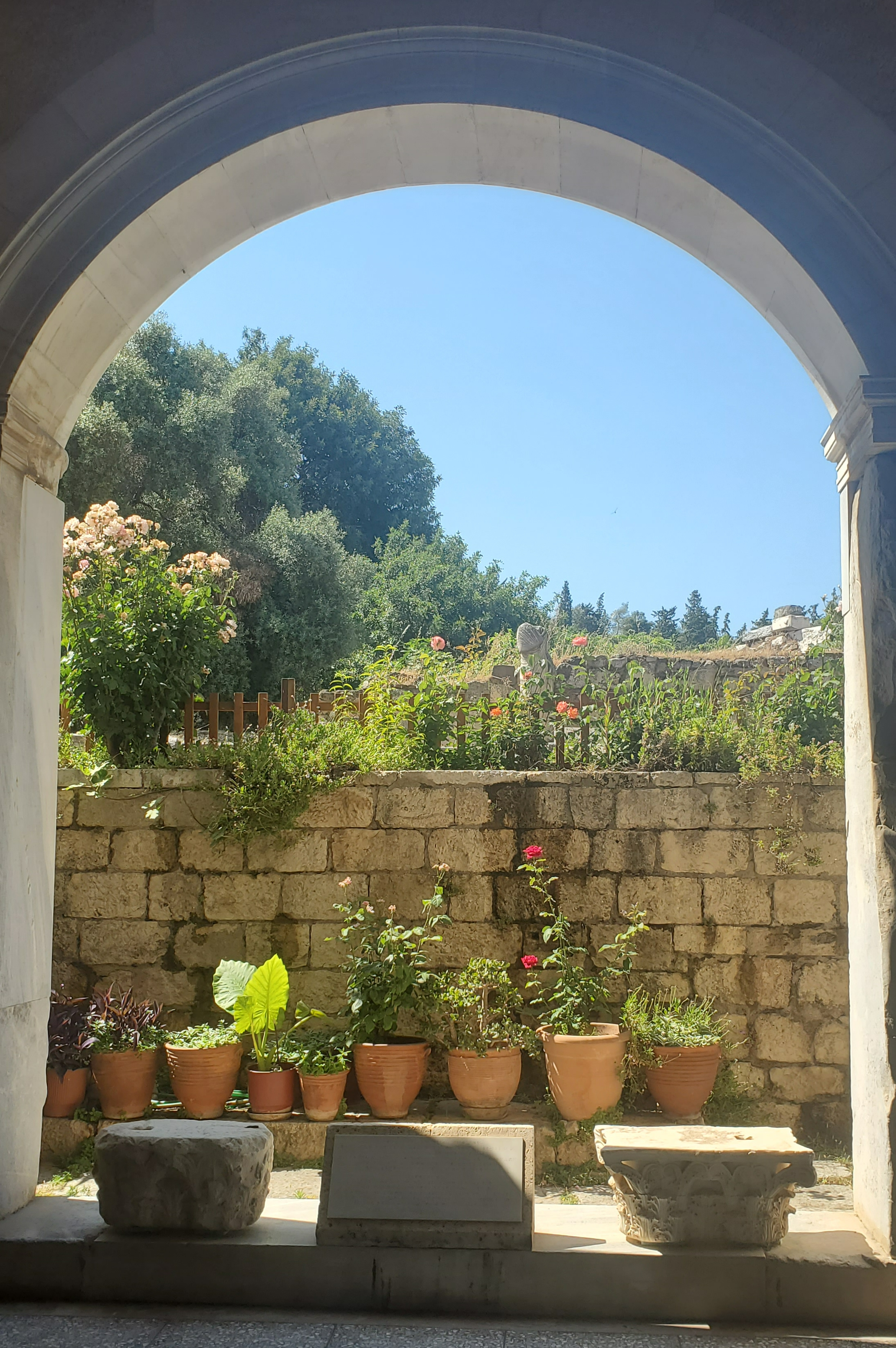
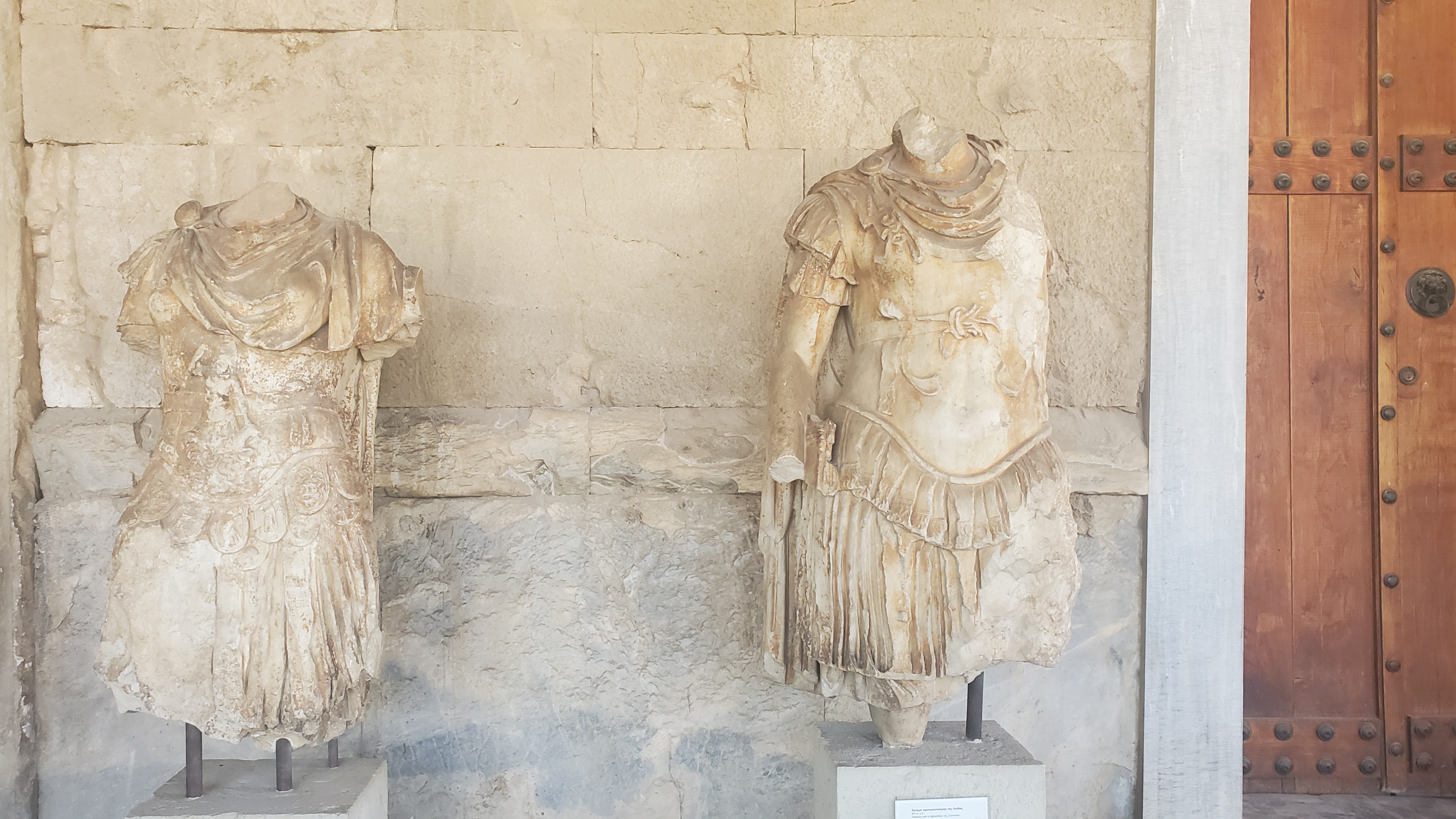
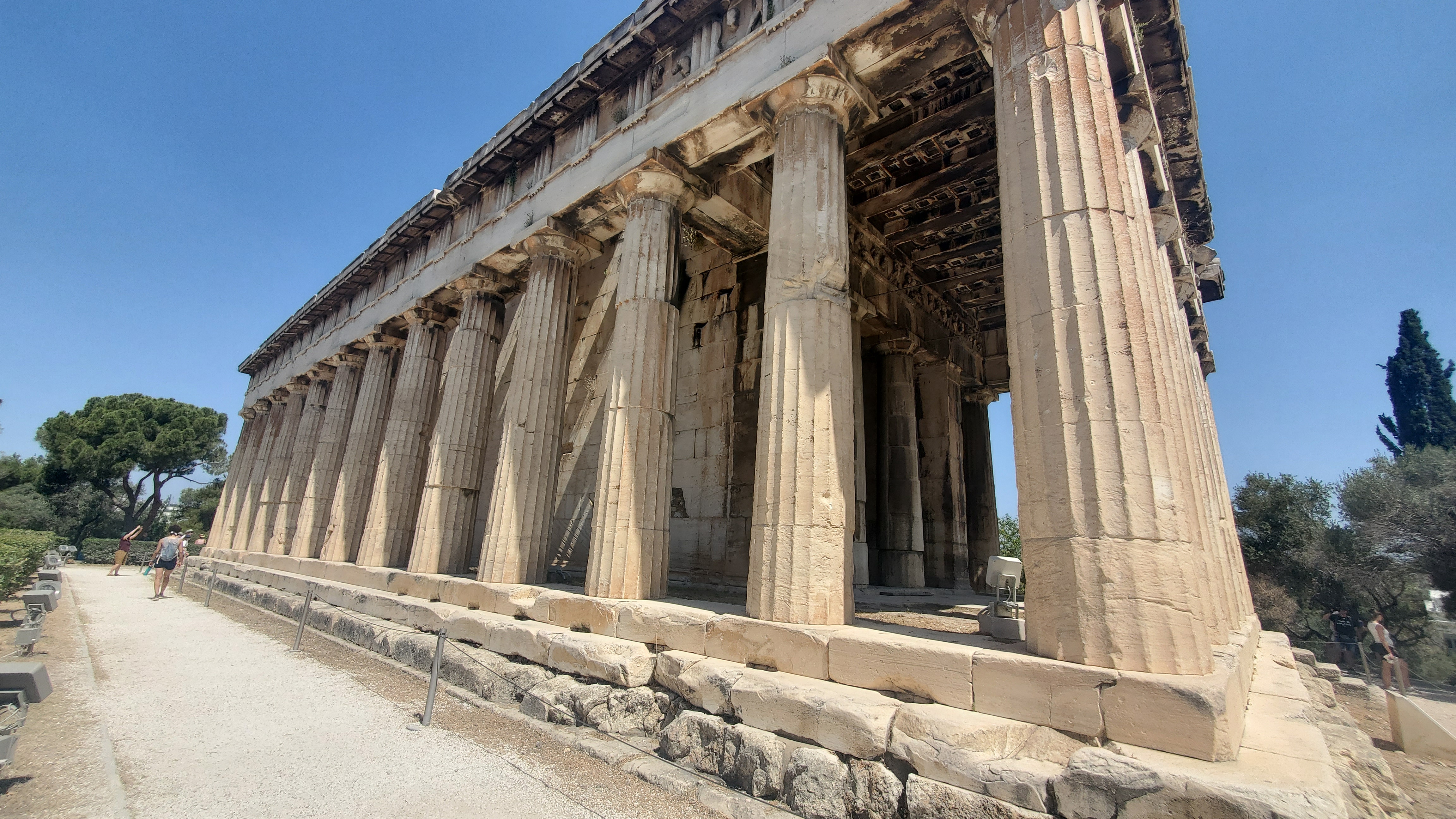
After that, we meandered to the Ancient Agora, a thing I knew of only as a useful crossword trivia. Again, St. Rick led us through the heart of ancient Athens, the place of business, debates, politics, and entertainment, and one of two possible spots for the “true birth of democracy”.

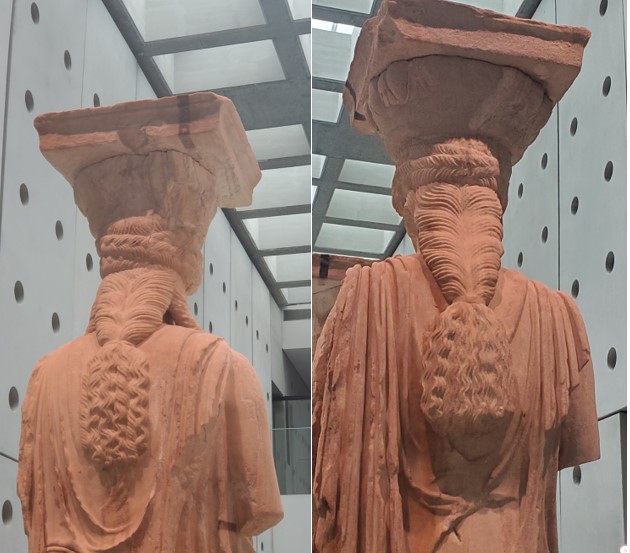
We had lunch at the Acropolis Museum before enjoying many of the original hilltop treasures now protected inside. (I mistakenly thought this was Archeological Museum, which confused me and the museum guards until someone pointed out I was in the wrong museum. Oh, well, I am always happy to see more naked statues.)

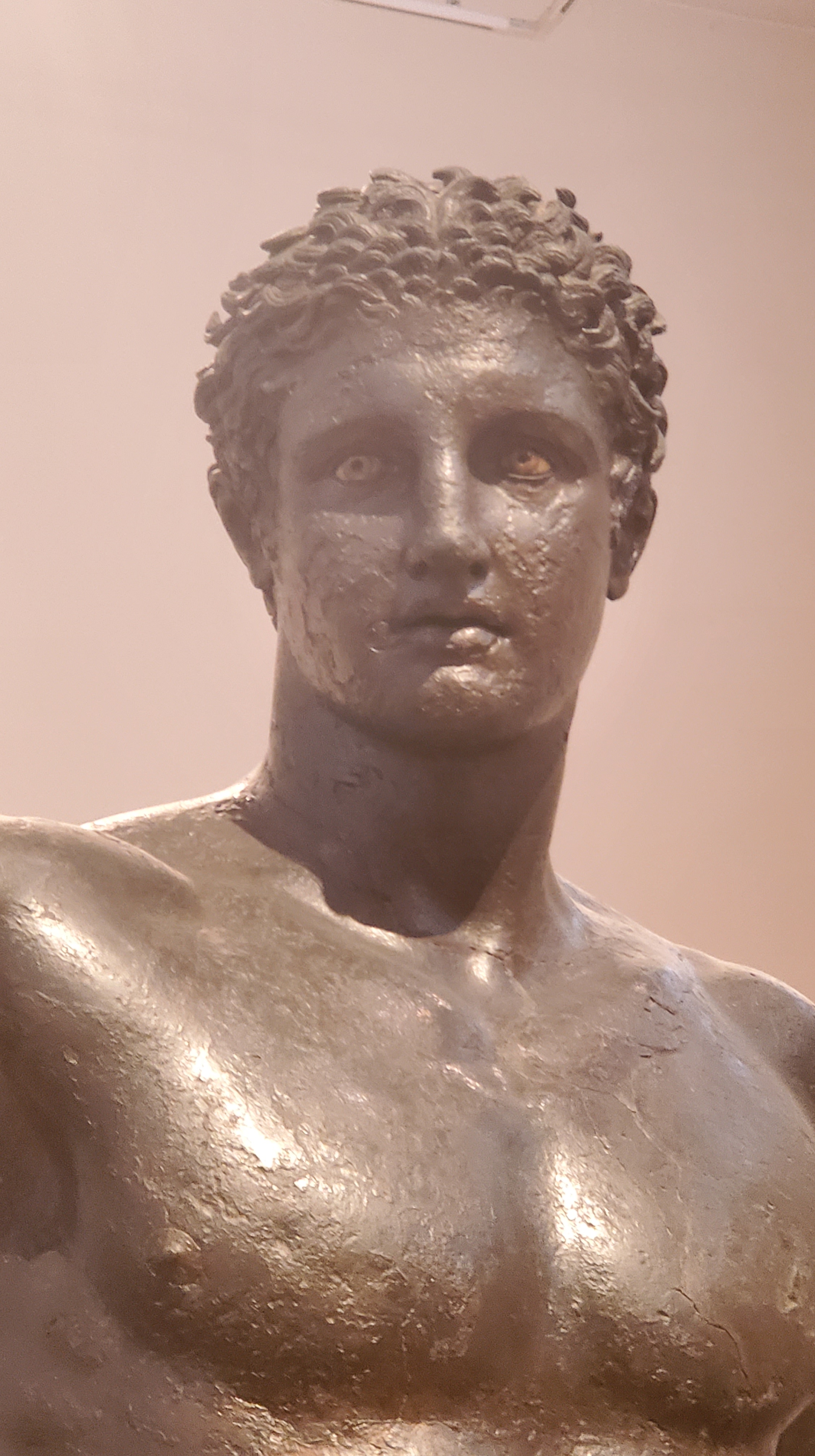
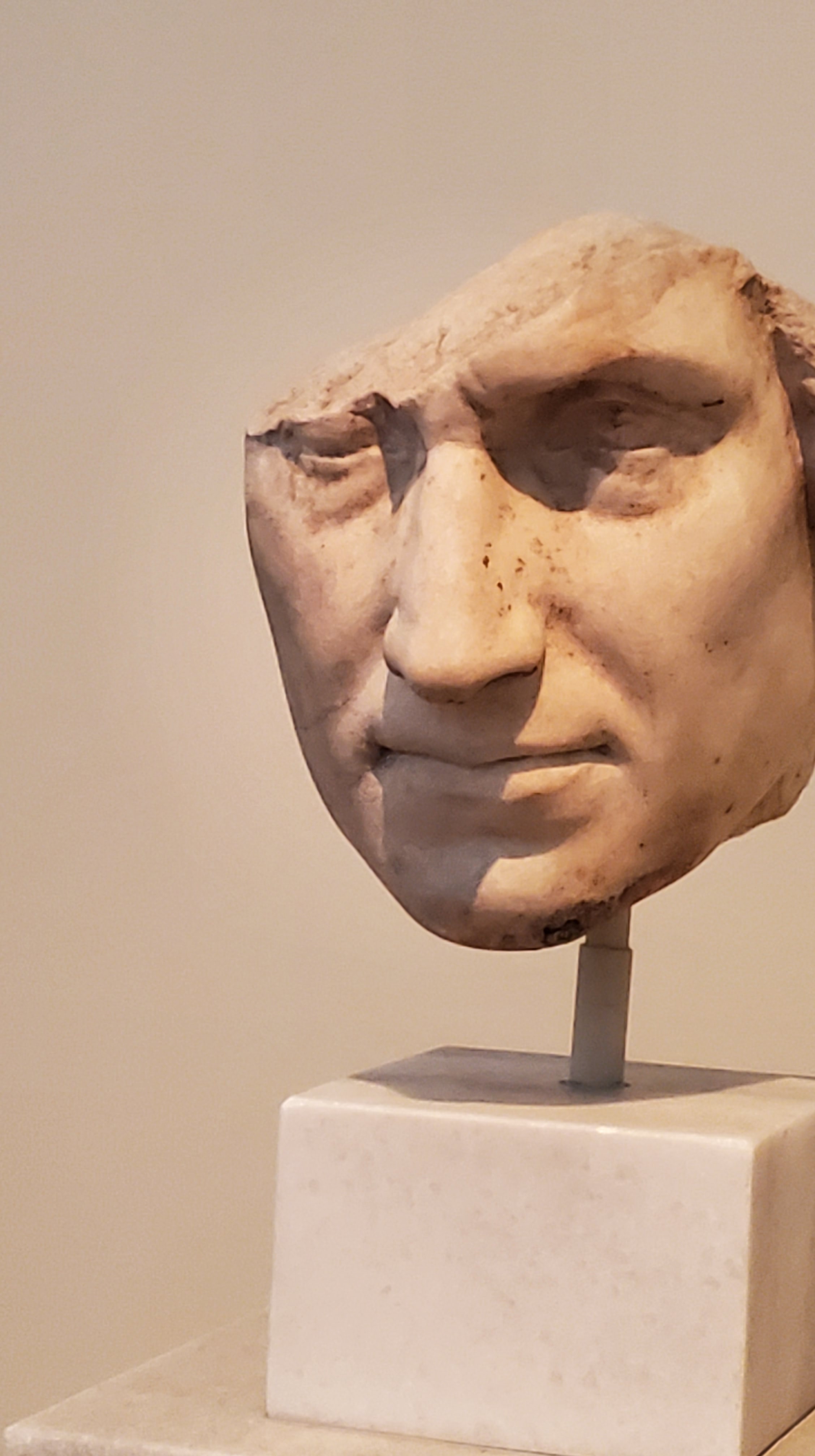
Kyla trouped with us, and we caught a tour bus to make it to the (ahem, real) National Archeological Museum, which again, St. Rick curated for us.

We had 9 miles in by then, so I was grateful to take a taxi back to the hotel before we gathered the kids for dinner.

A day like that requires a more restful day afterward.  I had booked a Segway tour for everyone but Piper, but our tour guide was very inexperienced and we saw very little that we hadn’t seen the day before. We clambered over Mars Hill a bit, but the associations with Apostle Paul and a failed Seattle church didn’t spark joy.

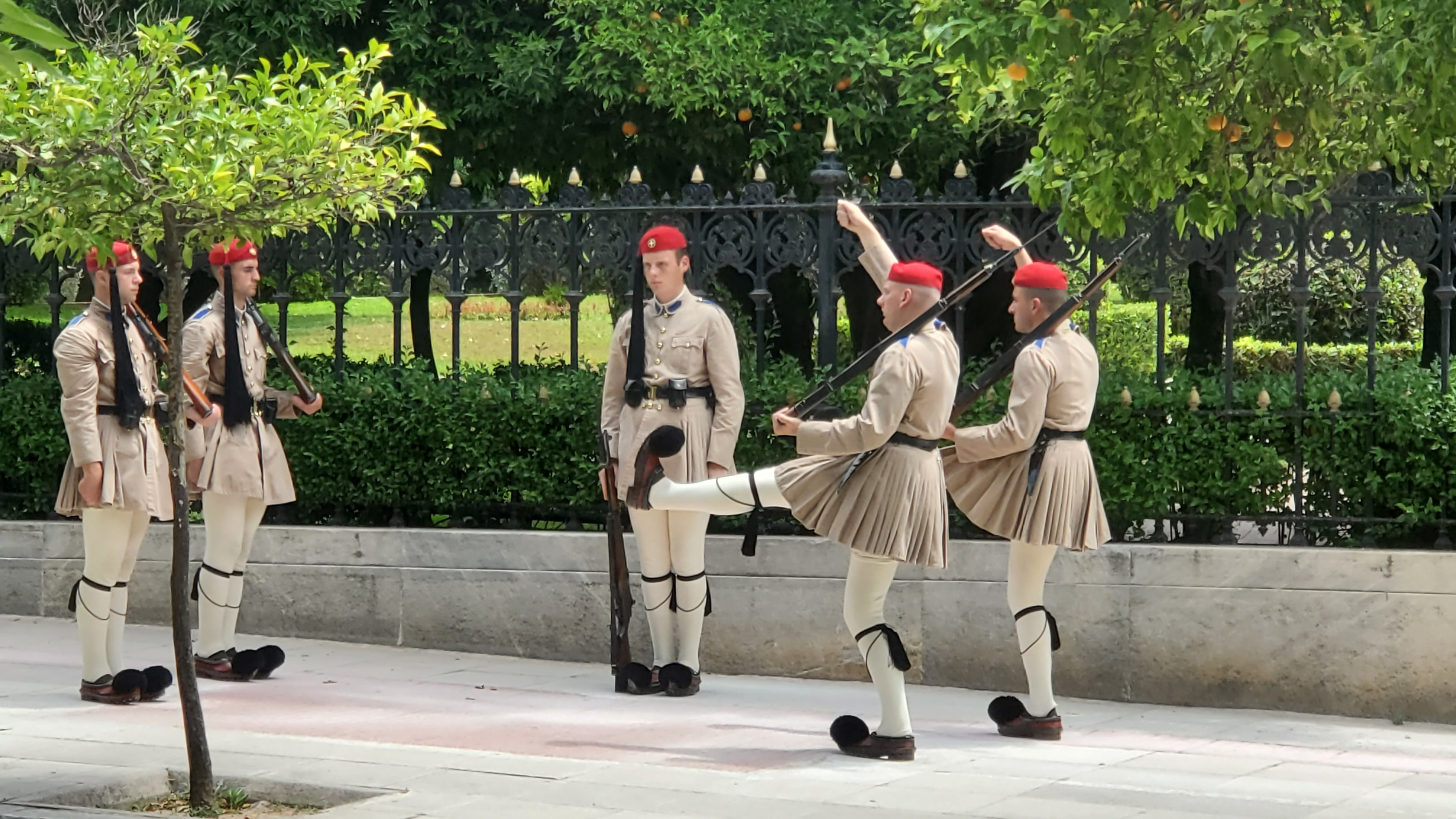
After seeing the papal Swiss Guards, I thought I might be immune to costumed guards, but nope. I was still fascinated, especially by their slow high-step duck march (not my video).

I could spend more time in Athens, but I calculated that we did about a week’s worth of activity (minus shopping, which we were out of suitcase room for anyway) in our 2.5 days.


*We have had all sorts of guides on this trip–long-term guides, day guides, half-day guides, driver guides, walking guides, Segway guides, professional guides, local guides, expensive guides, and work-for-tips guides. Each one spoke English as a 2nd or 3rd language to varying degrees of fluency. Concentrating on translating an accent, picking out words that you know and just have to adjust slightly while figuring out which words are unknown names of people and places takes effort, especially while moving. [And I’m incredibly grateful that our English-only selves were able to navigate 12 non-English speaking countries because so many others bothered to learn another language or two!] But lost in translation is the ability to say things once, as often information is repeated several times to bridge the communication gap, some storytelling and a lot of humor. One Rome guide and a Corfu aquarium guide were both native English speakers and it really made the tour flow more educationally and enjoyably. I say all this because being able to cue up a Rick Steves walking tour, play and pause on command, and learning through curated facts and funny anecdotes was probably the best sort of tour for me. In Athens, Rick had the Acropolis tour, the Ancient Agora tour, the National Archeological tour, and the one we didn’t get to because we did a lame Segway tour instead, the city walking tour.

**I now know the difference between the Pantheon and Parthenon. They start by being in different countries.

Currently

We landed in Istanbul this afternoon! Tomorrow, we do a “When Europe Meets Asia” full-day tour. I’m blogging about Croatia now and then will catch up on Greece. Whatever I don’t finish in the next few evenings, I get to complete during our 12-hour flight home this Friday.

Love,

Denise

* * * * *

Athens:  The City of a Goddess

Exploring the National Gardens on our first afternoon in Athens.

My phone calls me “goddess” so it’s not surprising Athena and I have so much in common.  Sure, she has an entire ancient city named after her, a unique origin story, and the adulation of millions, but we could totally be besties.

Athens: Sure, fine, go ahead, Tourists. Take pictures with the ancient temple ruins we couldn’t bother cleaning up in our Garden.

Of the Big Cities we’ve explored, Athens might be my favorite*. It was shiny and clean and stuffed with Greek ruins and good food. I was surprised to learn that when I was in high school, Athens was Europe’s most polluted city. It has literally cleaned up its act with car-free zones and driving restrictions. At 33°C (in the 90s!), it was bearably hot, compared to the 45°C it will be in height of summer.

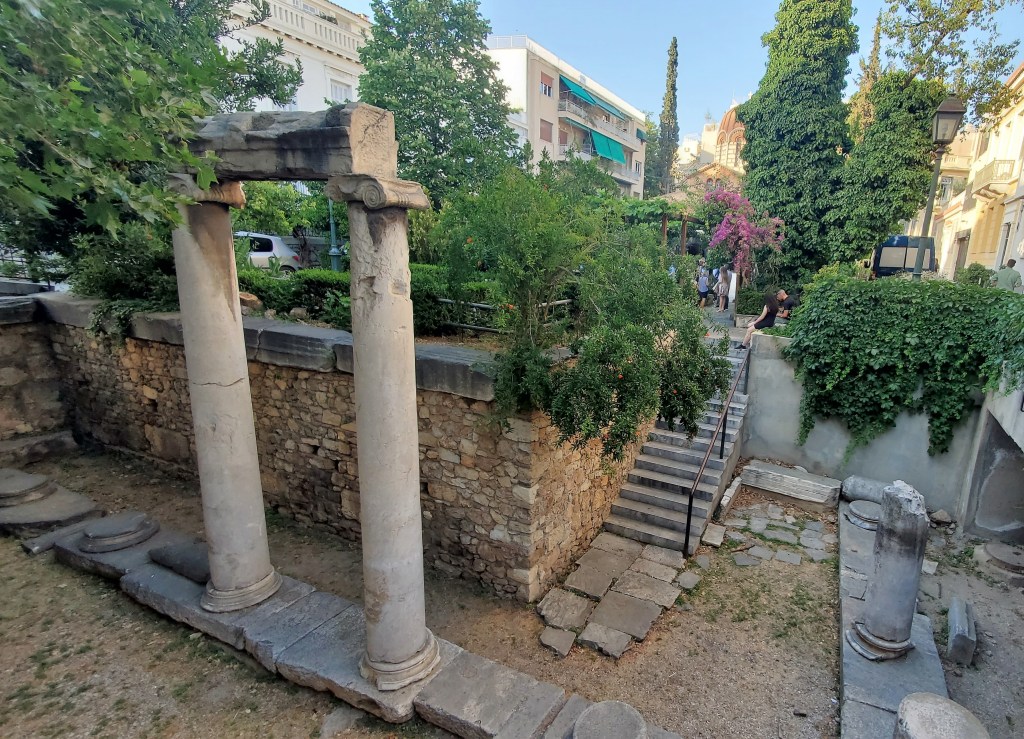
More casual, unidentified ruins and columns on our way to Hadrian’s Arch.
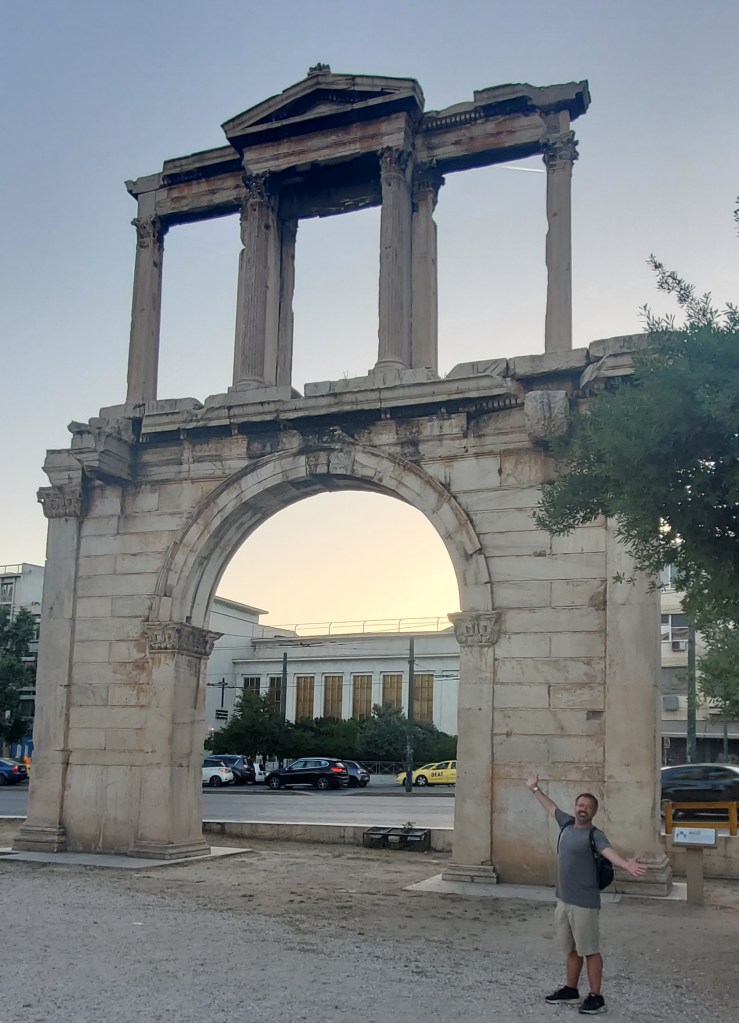
Hadrian’s Arch

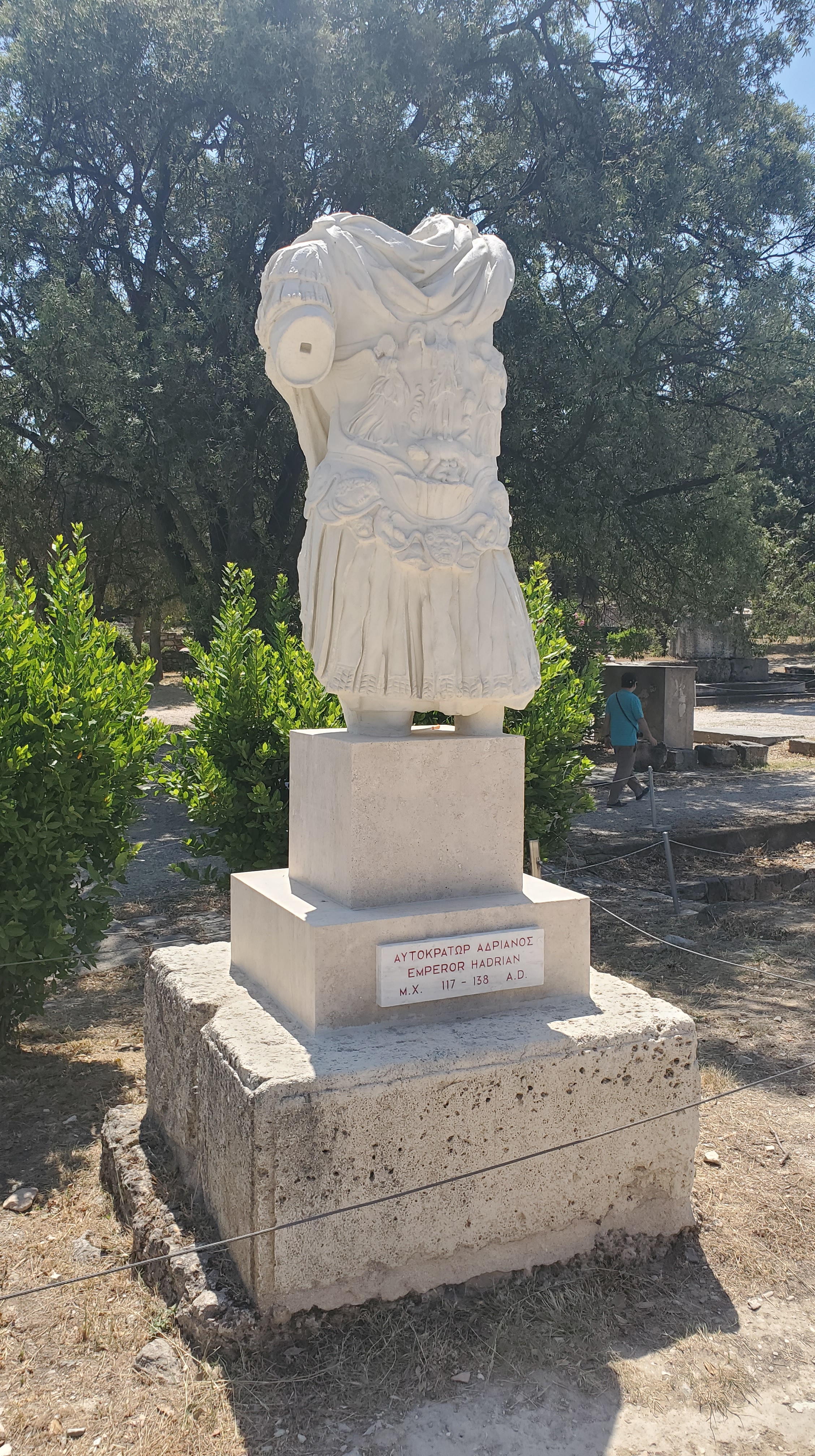
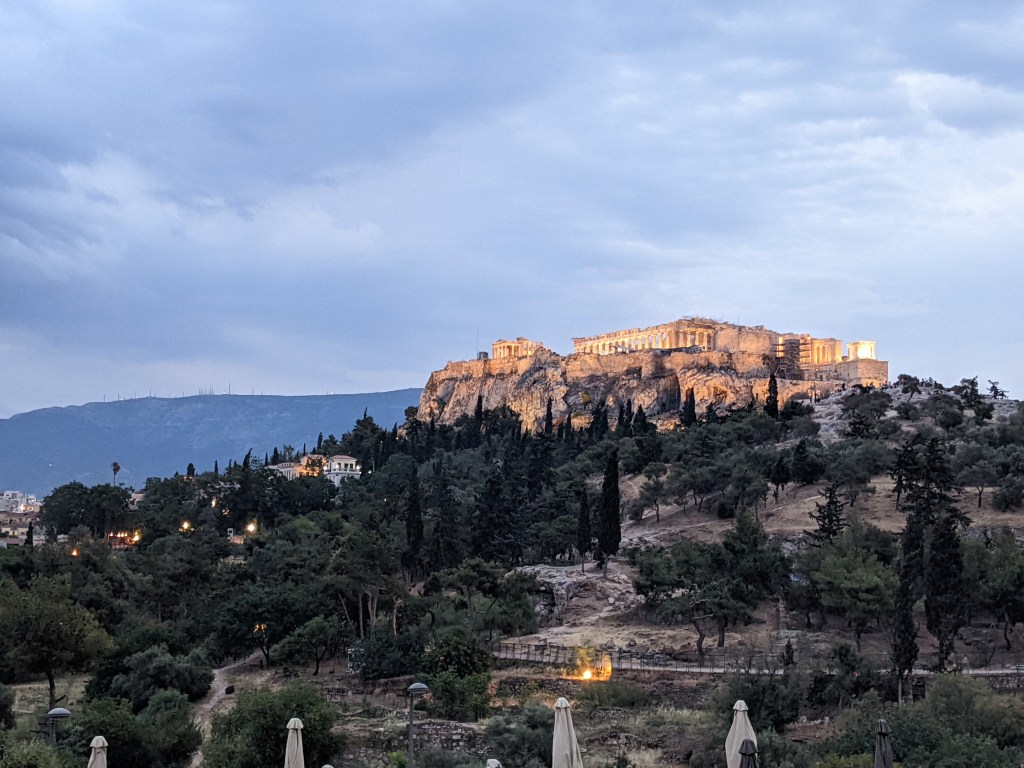
My favorite part of a city is the afternoon we arrive and Dwayne and I savor our first taste of a place, usually by walking to the nearest and biggest green spot on the map. In Athens, we stumbled across Hadrian’s (yes, Hadrian, again!) Arch and the ruins of Zeus’s Ridiculously Big Am-I-Compensating Temple on our way to the National Garden, before we had a family dinner under the lights of the Acropolis. 

The Acropolis from a distance. I swoon.

It was a delicious first bite of Athens. Four-course meal tomorrow!


*Eleven million people call Greece home, and almost half of them live in Athens.  So, when I say we saw Athens, please read that as “We explored the square mile or so around the Acropolis” and count that as Athens. 

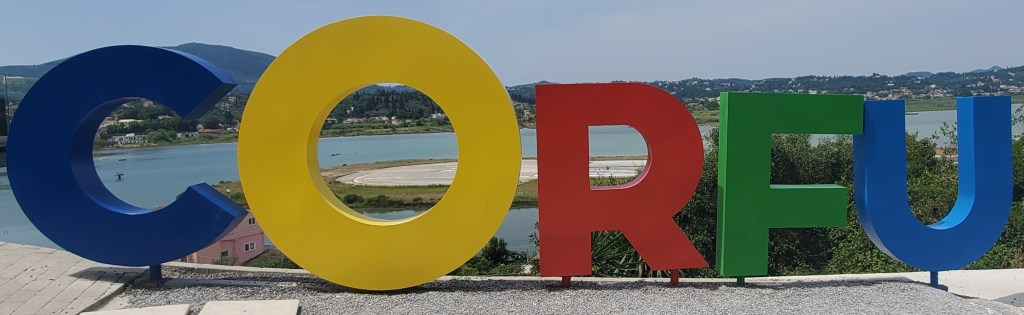
Third to Last Stop: Corfu, Greece

Corfu is a great little Greek Island that has many things going for it:

–>A great water park that, on a hot Tuesday in early June, had lines about 3 people long. It had many more water slides than Wild Waves and way fewer people. And if Piper didn’t put on a swimsuit and leave her shaded chair, she at least took off her winter coat/security blanket by 4pm.  Kyla, Wes, and Dwayne got as waterlogged as possible, and my knee was allowed the lazy river and wave pool, under the direct supervision of Dr. Dwayne.  However, I read a book and didn’t tear off my leg, so it was still a wonderful day.

–>An Old Town with terrible parking but great shops and cafes, and a living history museum, depicting late 19th-century upper-class life with freaky automatons, which delighted me. 

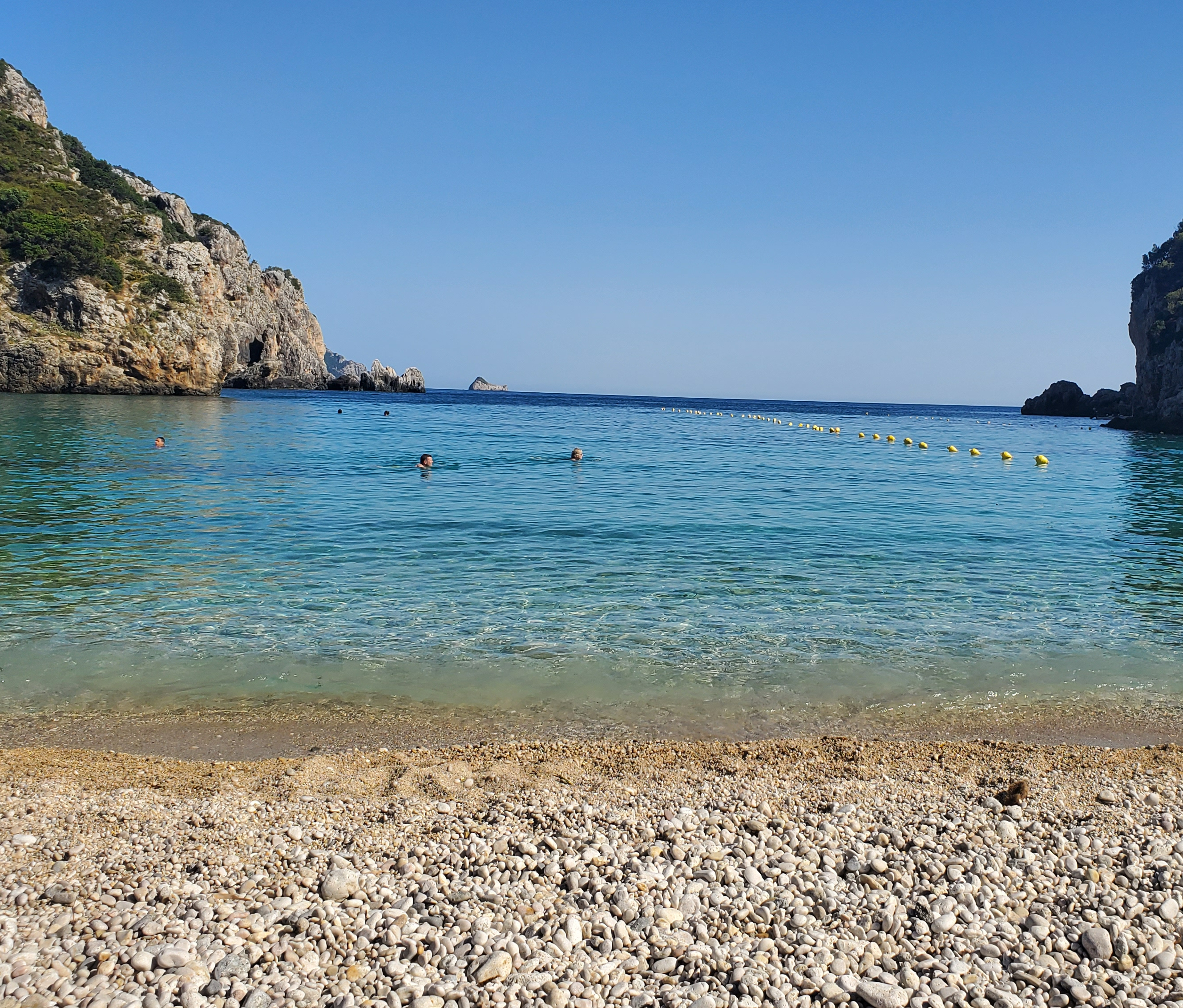
–>Beaches with terribly pebbly beaches (seriously, do I have to go to Whidbey Island to get some decent sand this year?). But what they lacked in sand, they make up for with turquoise water, hot sun and toplessness. (Poor Wes and Piper.)

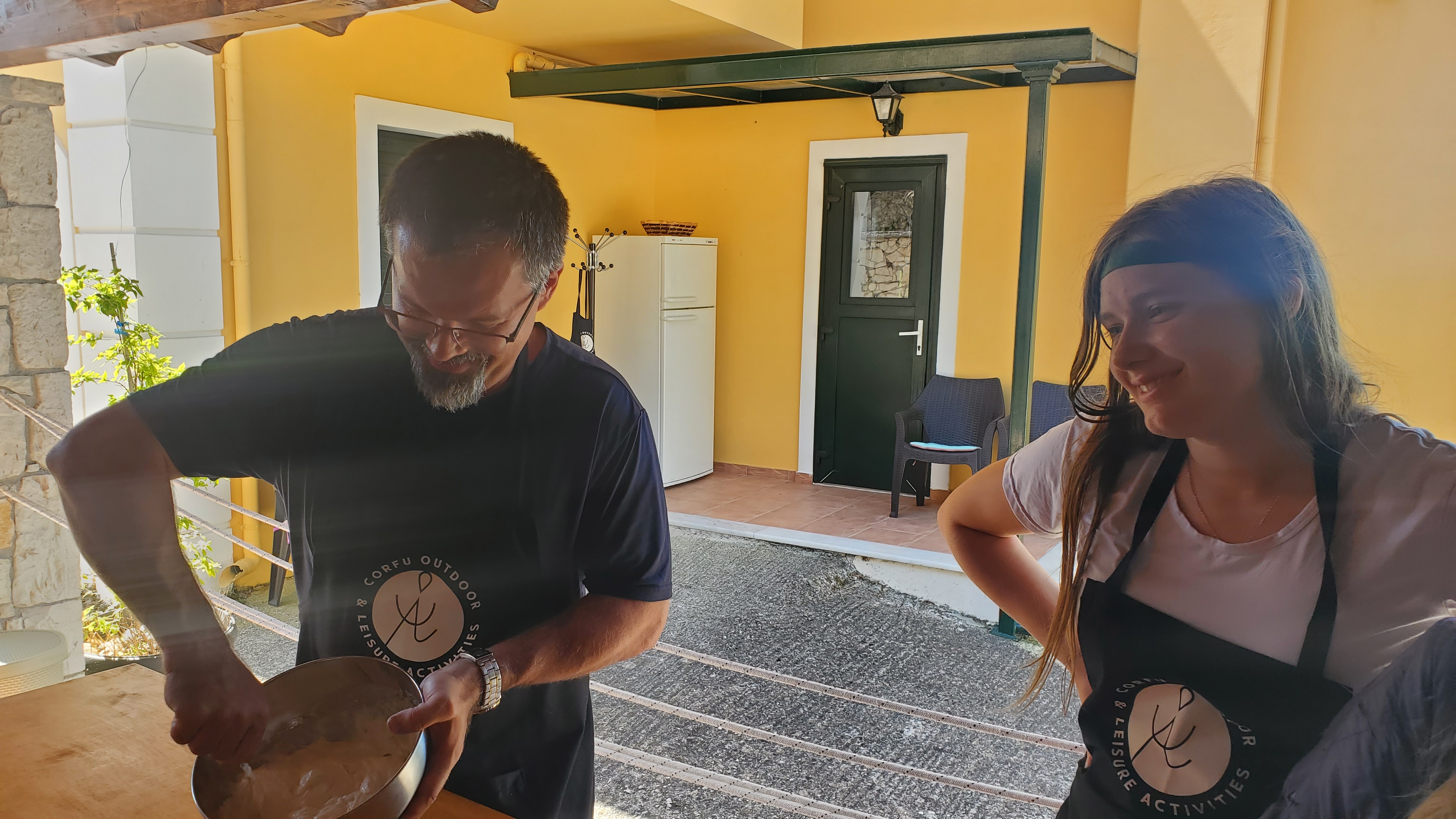
–>Cooking classes!  This was a long one, where we met a small group in Old Town for market shopping before driving out to the host’s home out in the country. We made some traditional Greek dishes in the outdoor kitchen, and then feasted on the front deck. At 6 hours, it was a bit too long of a day for the kids, sitting around and talking news and politics with new friends from Greece, Germany, and the UK, but the food was good. Dwayne coveted the olive press ruins in the back yard and the kids had 6 semi-feral cats and 3 kittens for entertainment.

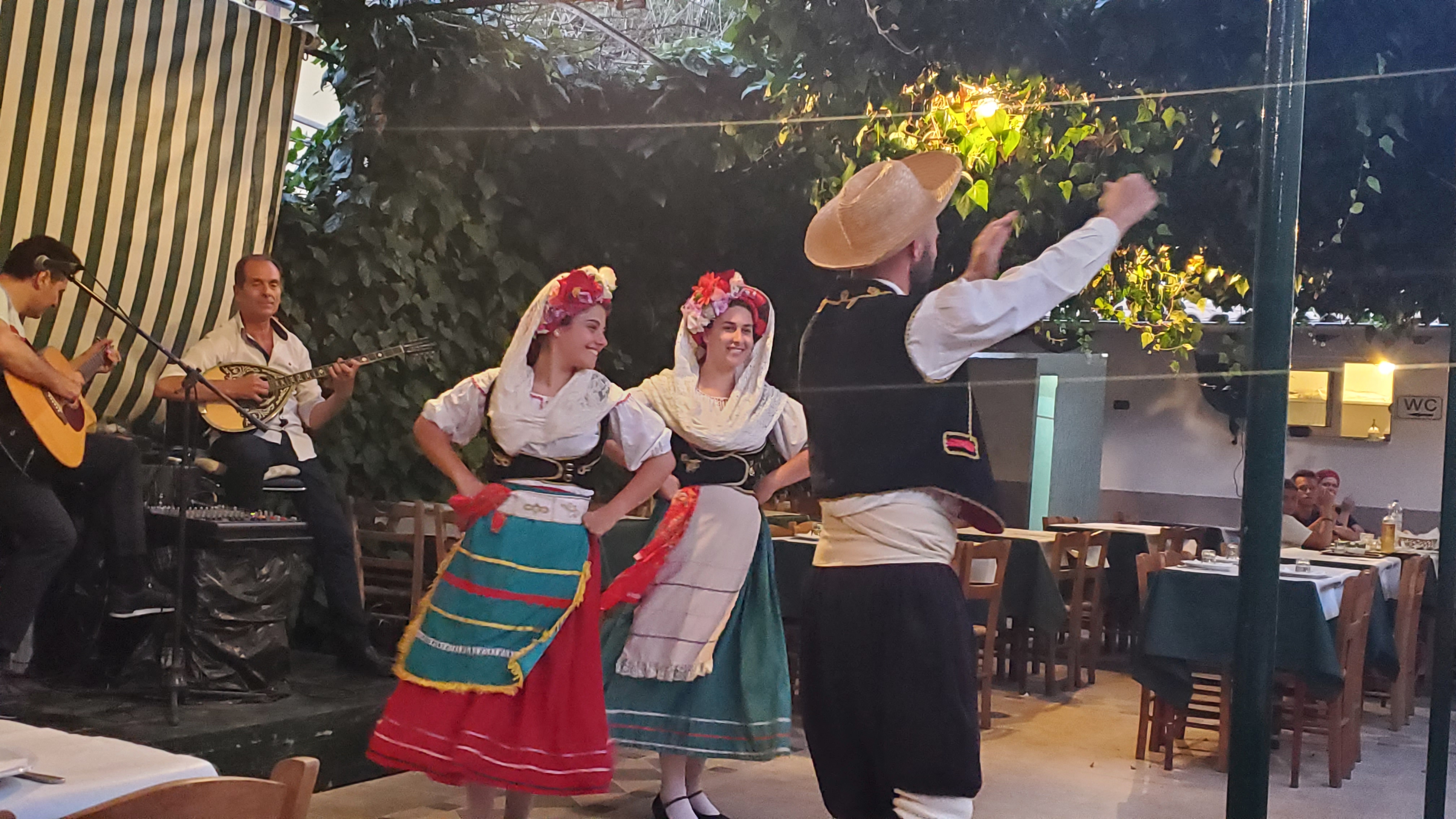
–>Tavern Tripa, a place in a small old town with questionable parking options that served traditional Greek food family-style, with music and dancing. It was similar to the one Dwayne and I enjoyed in Cyprus, and the kids didn’t hate it. I felt like I sneaked a little culture into their dinner.

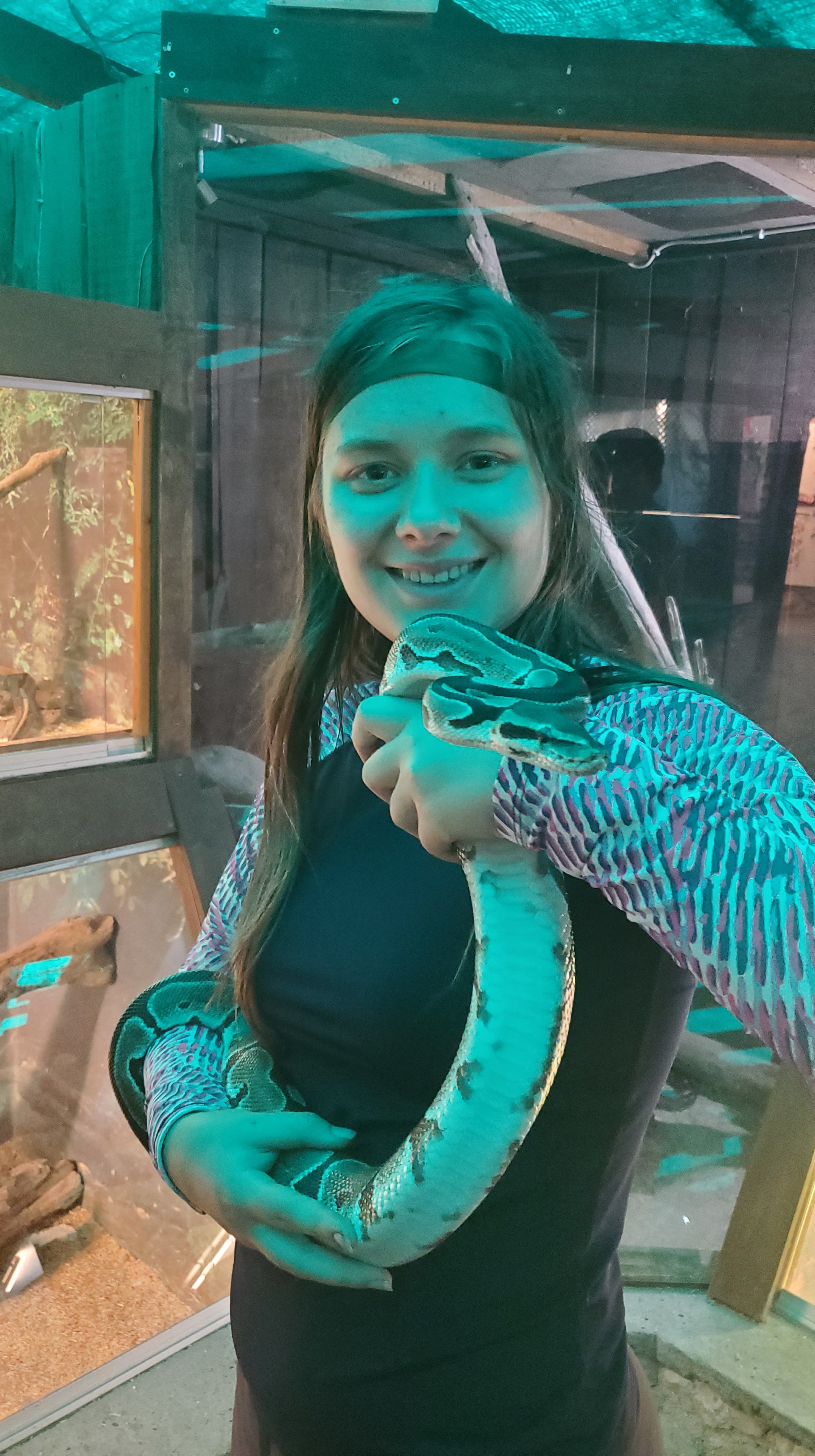
–>A fun little aquarium & reptile house that was passionate about local marine life, and let us hold their friendly python.

We got a whole week in Corfu, putting the finishing touches on our tans and enjoying living in a (VRBO) house again. But once the general details fade, I think Dwayne will vividly remember the worst thing about Corfu: driving. Generally, the roads were even a little wider here than in Sicily and Sorrento, but Corfu was missing Italy’s reluctance toward vehicular homicide. His opinion was cinched on a road Google Maps was convinced was a viable alternative to our cooking host’s home. I would have taken a picture of it, but I was too busy with the passenger’s window down, touching the sides of the walls two inches from the car door to help Dwayne navigate getting within a half-inch of the buildings on my side so he had enough room on his side. This road was NOT suitable for anything wider than a pregnant donkey. But again, a brag. Dwayne didn’t get a scratch on that car, and I would have sworn (oh, and I did swear) there were parts of that street that were narrower than our car.

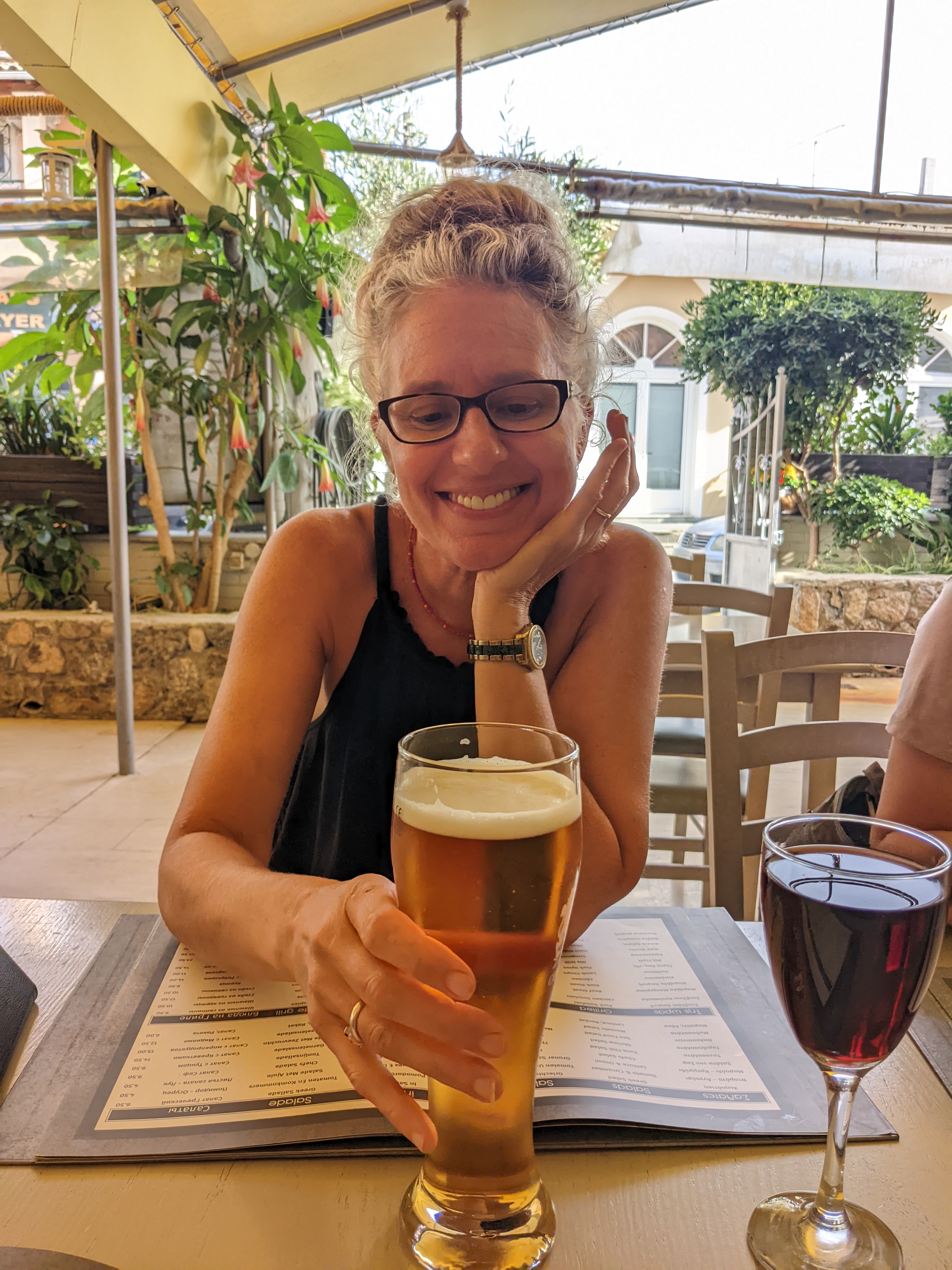
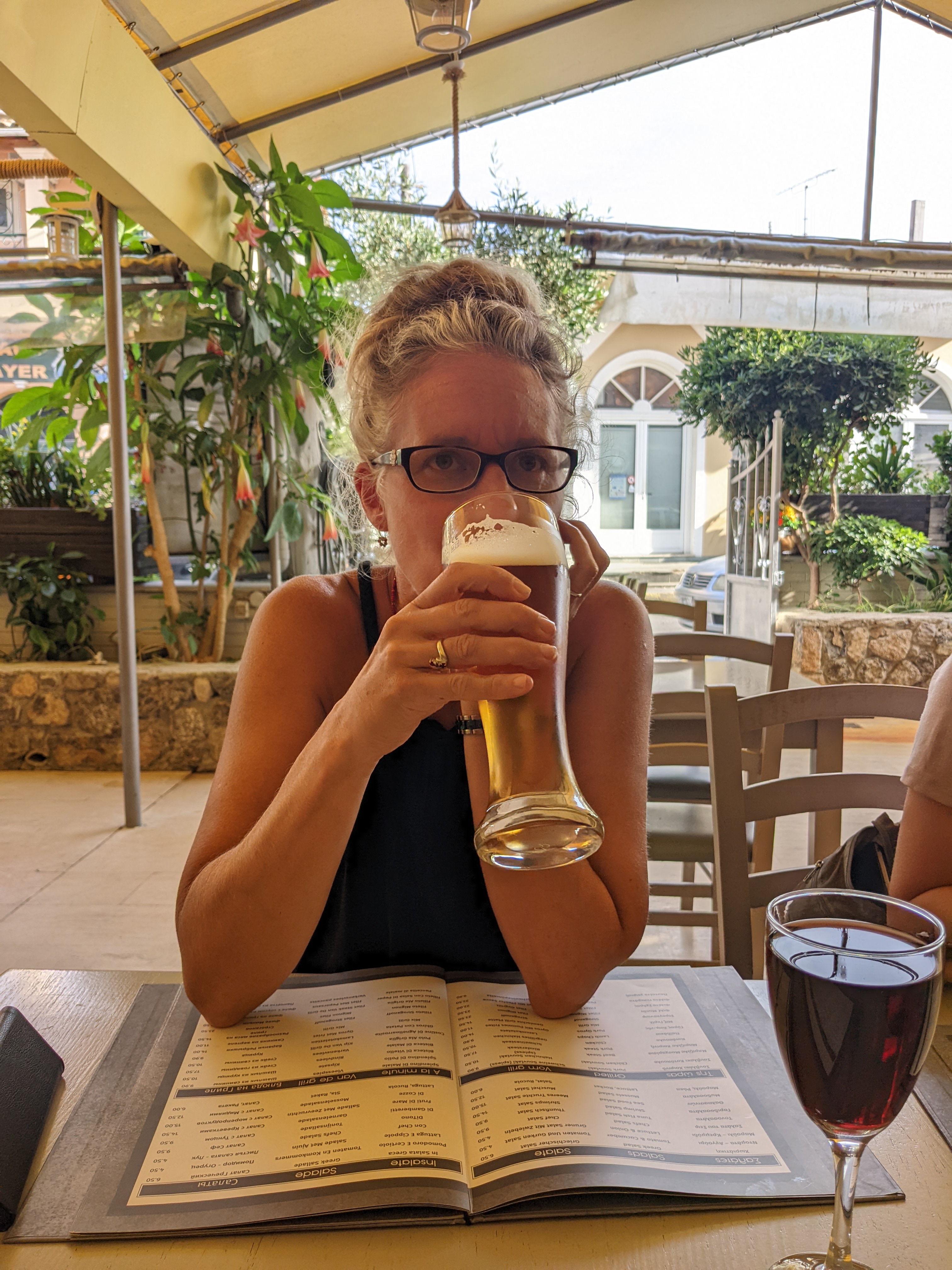
More fun than “Can You Survive this Greek ‘Road’?” is still the “Does Denise Like Beer Yet?” game.

Corfu was for storing up energy and good-knee karma before our last week on our Big Adventure, split evenly between Athens and Istanbul.  Oh, this is going to be good!

Croatian Cruise:

There is something special about the Croatian coastline—thank goodness, because we spent an extra week cruising the islands.

Here’s what I love about coastal Croatia:

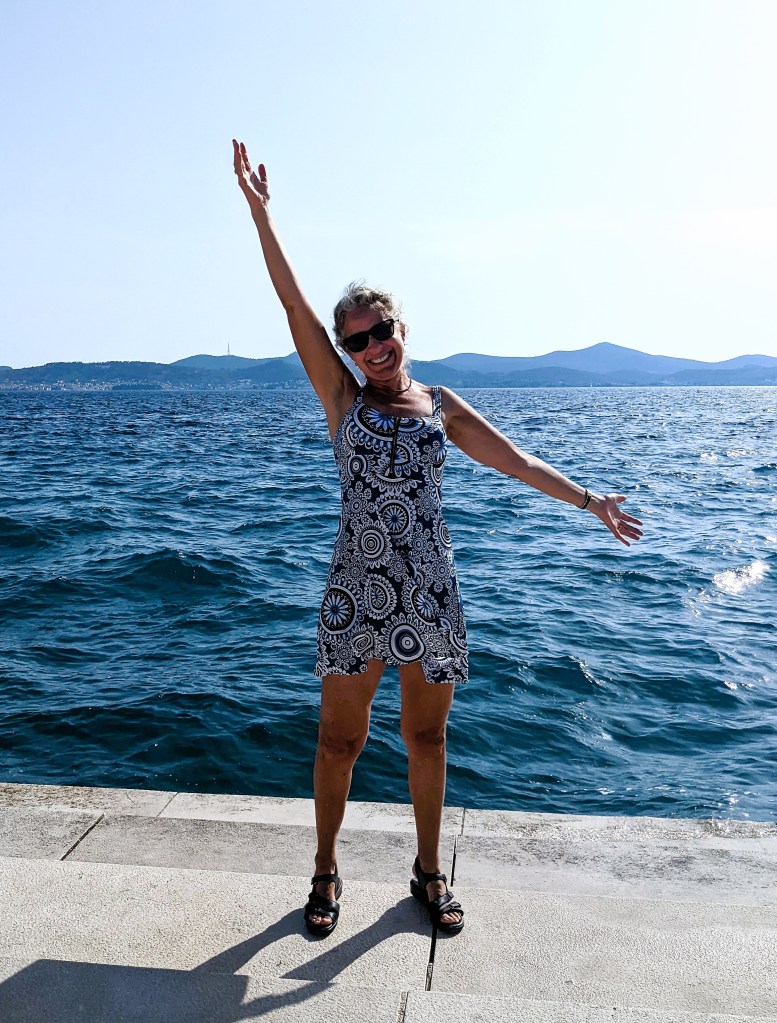
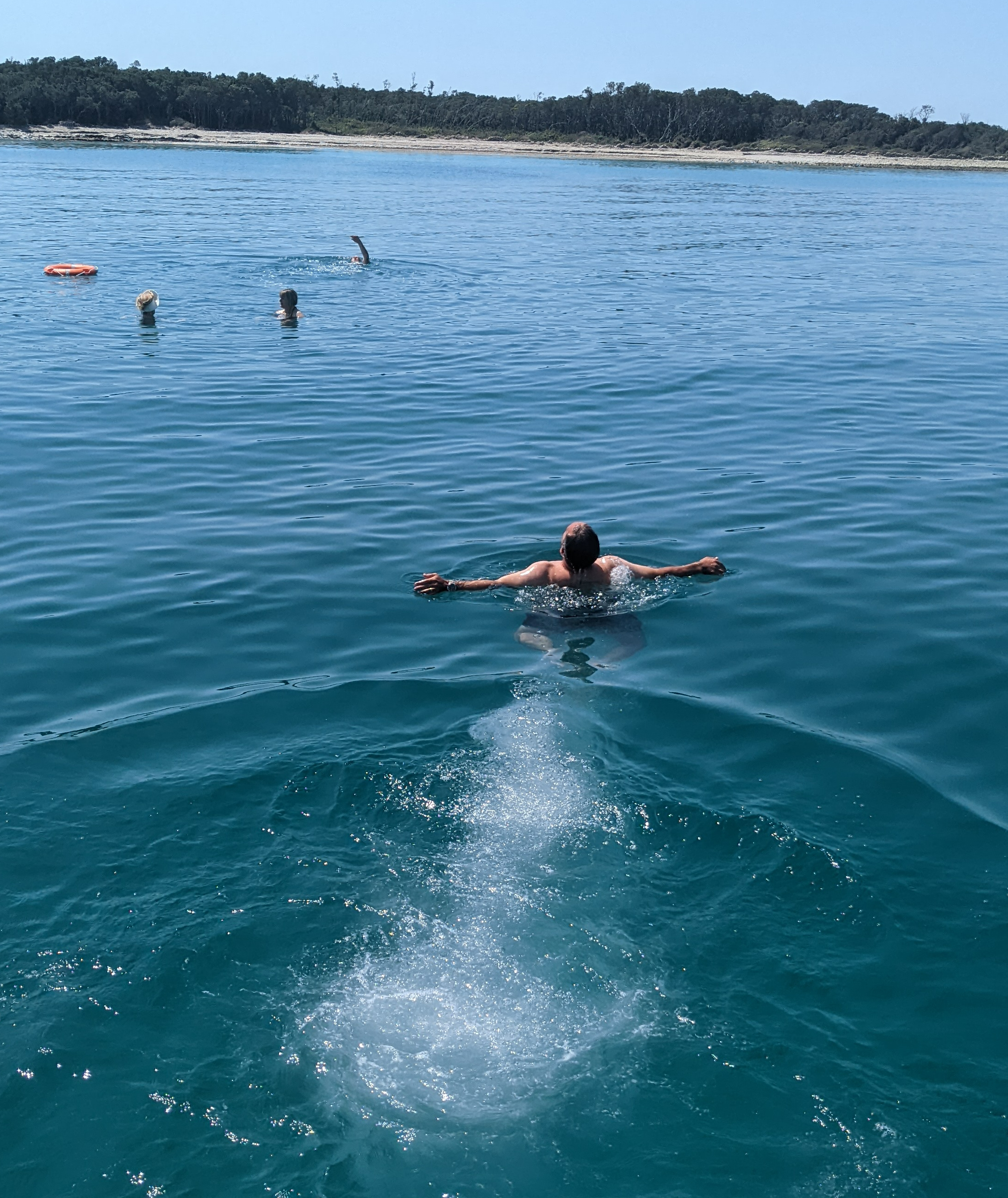
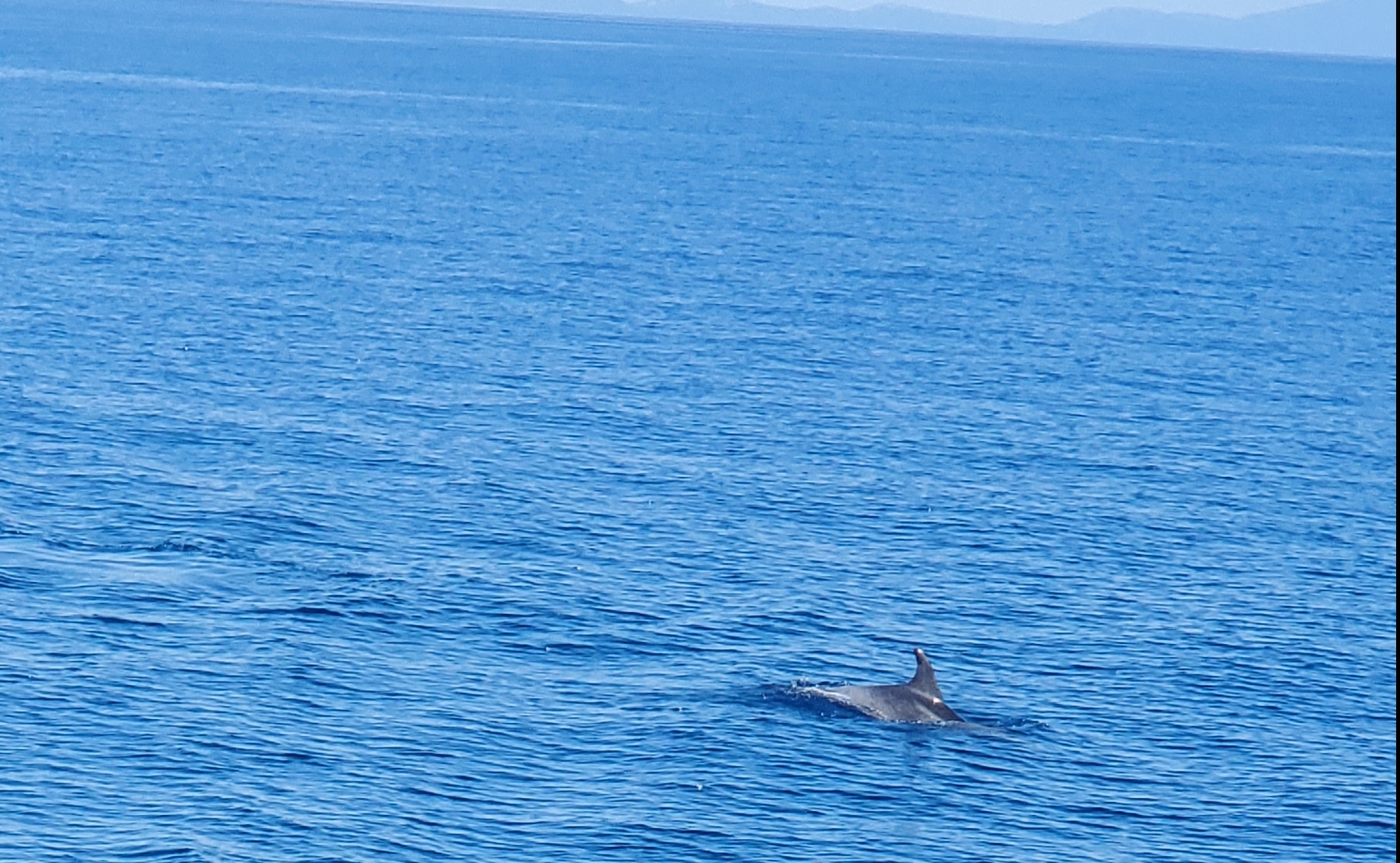
The Adriatic Sea.  The sea is colorful, clear, and refreshingly cool. Pre-summer, it feels too chilly the first two minutes and then was quite swimmable…unless you are 12-year-old boy with very low body fat. Bonus: We saw dolphins several times.

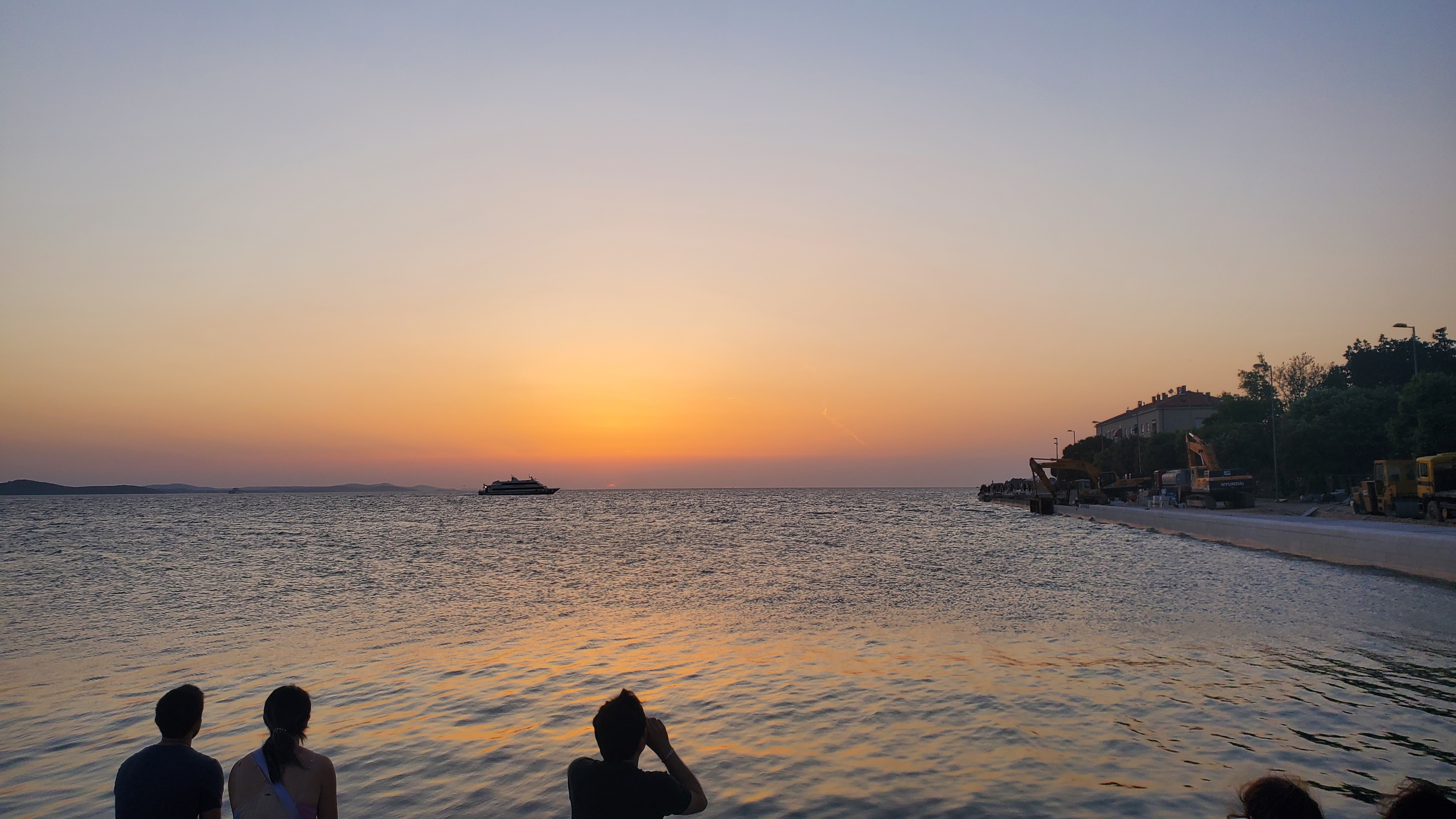
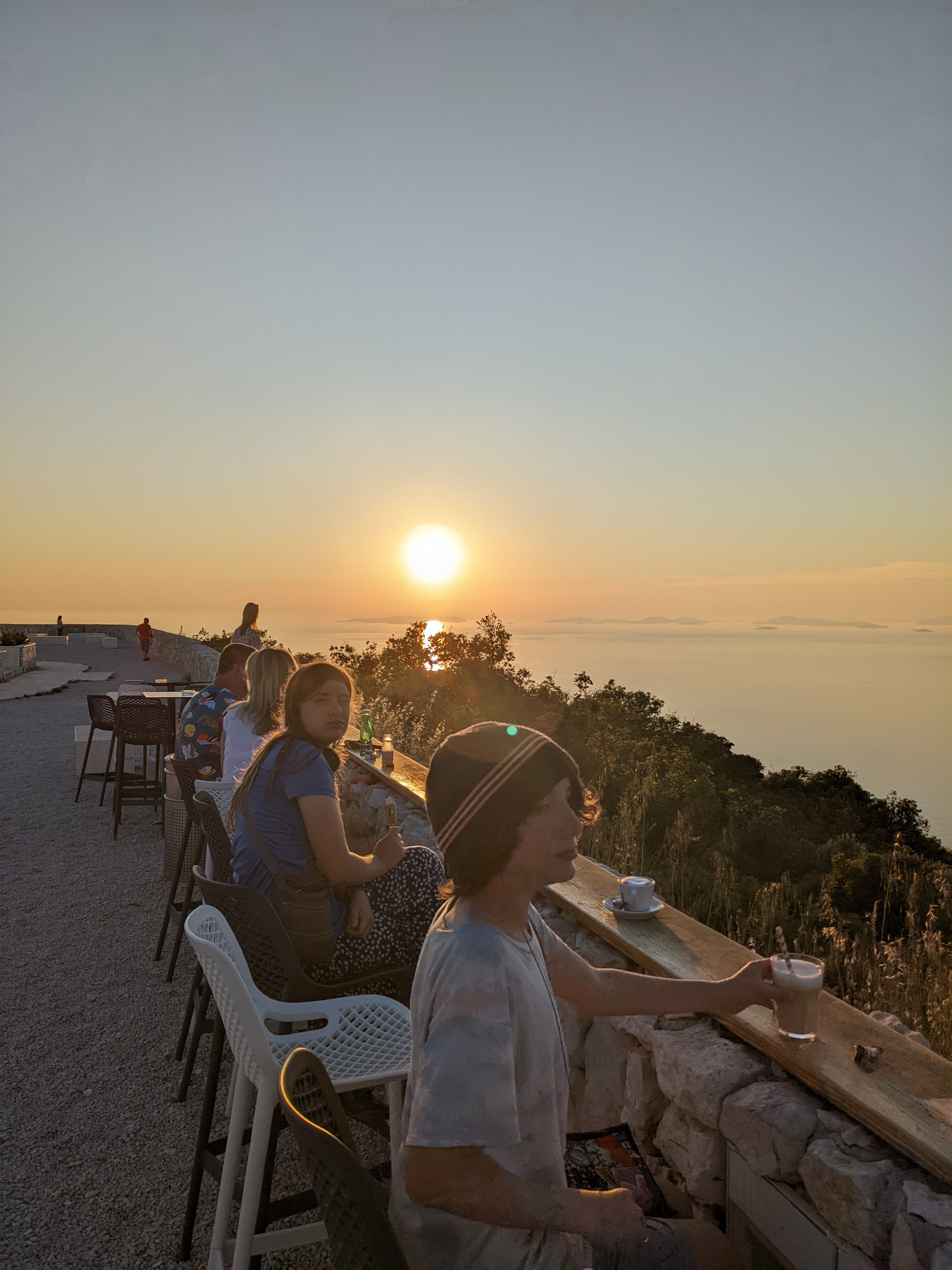
Sunsets on the Adriatic. (Okay, no brainer. Sunsets make the world go ’round. Sorta.)

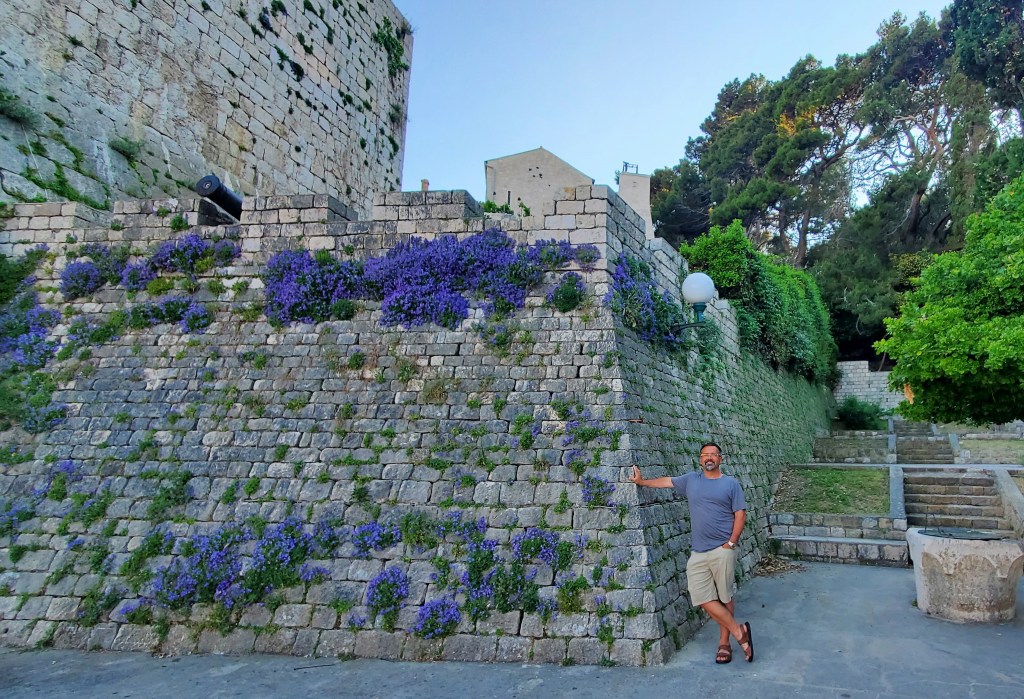
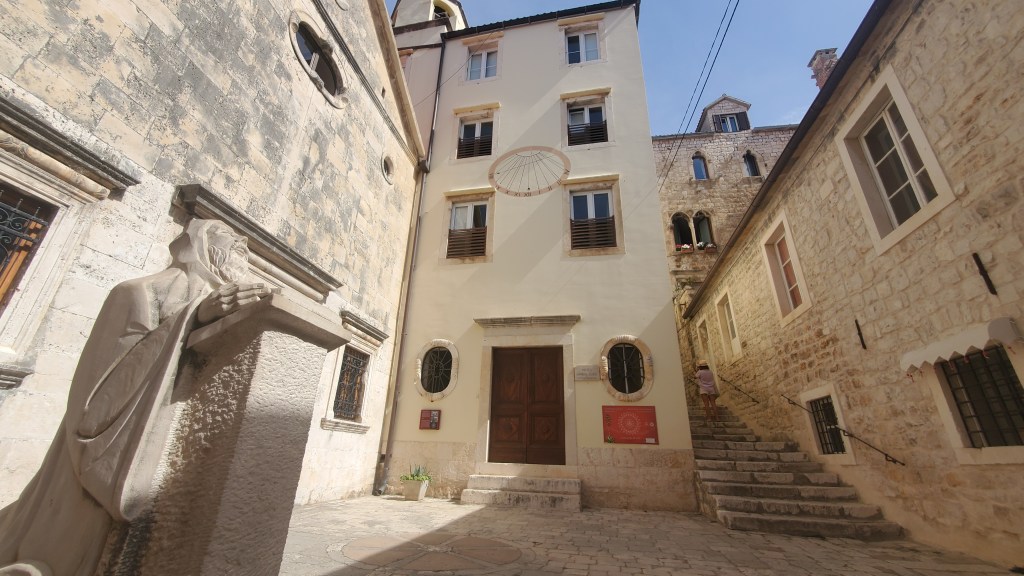
The towns. I had to wear sandals the entire time because I was so charmed my socks fell off.

The beaches are less than ideal. Think sharp, stabby rocks and extra-pointy sea urchins, or at least uncomfortable pebbles. This is probably the one thing that keeps tourism slightly under control, so I am actually thankful for them.
Plaque reads: This modest house was built around the year 1495, in the time Ch. Columbus made his frist travel to America adn when Leonardo da Vinci painted ‘The Last Supper’.

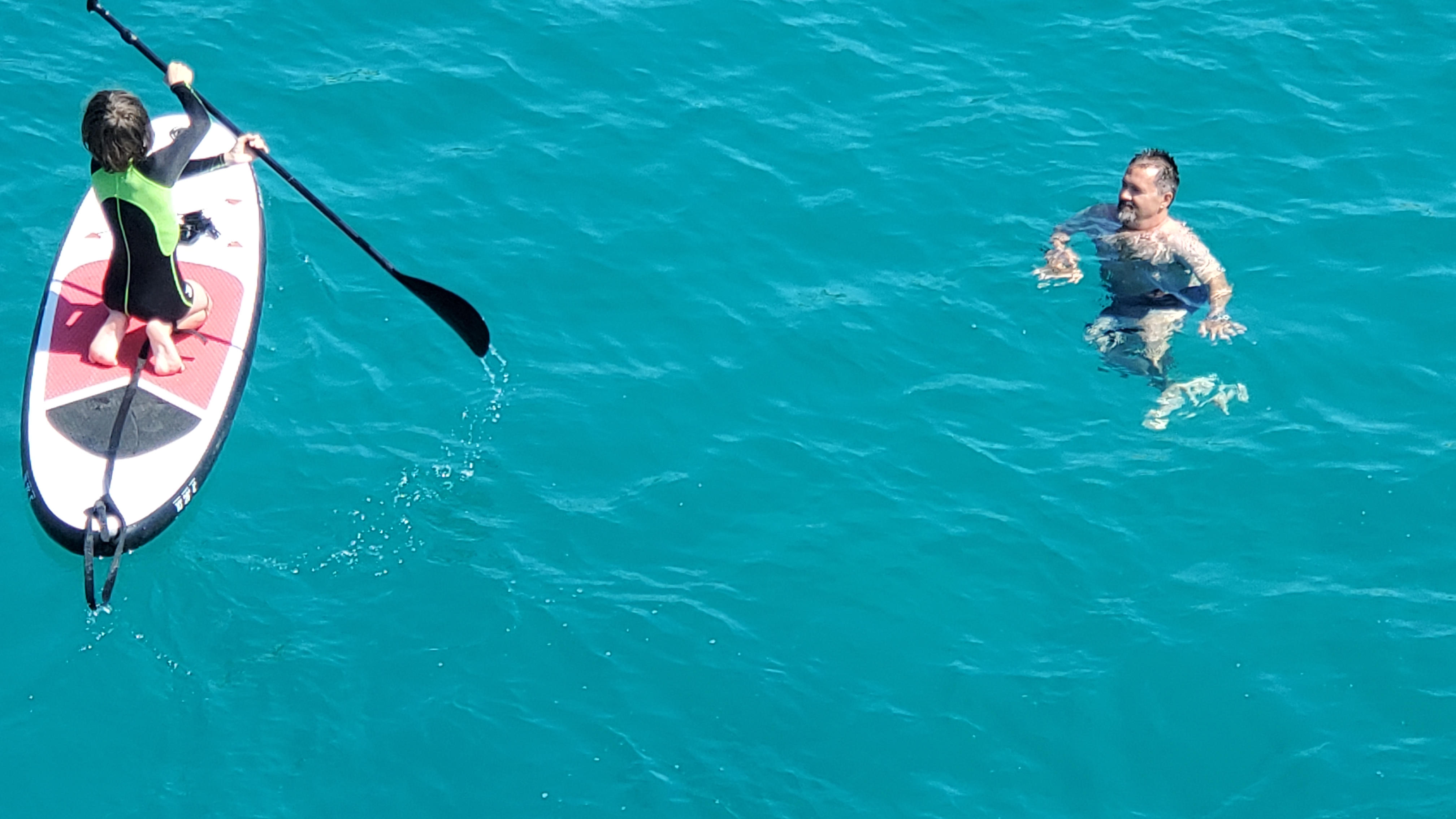
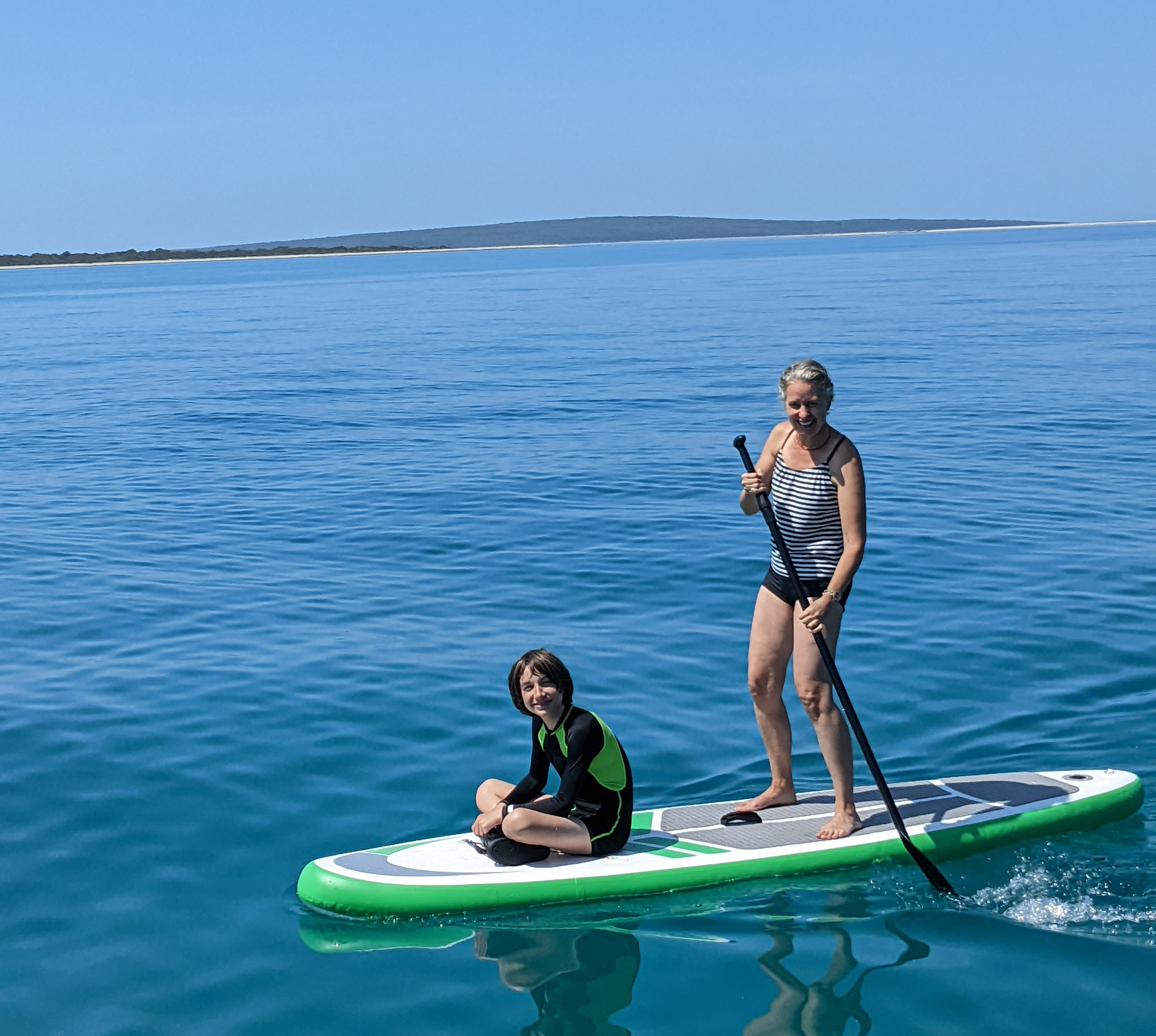
And I was able to enjoy all that for 24 hours before I screwed around on a paddle board and forgot to take my right knee with me when I splashed into the water. A hospital visit and Xray later that afternoon said nothing was broken—but the doctor pointed out that didn’t mean nothing was wrong.

So we booked another week on another ship. If I am not supposed to be doing 20,000 step days, I needed to be put on a boat leash. Not exactly a great hardship, and when I could stagger as well as a drunk 3-legged elephant, I was at least able to get into the sea and do some PT swimming. 

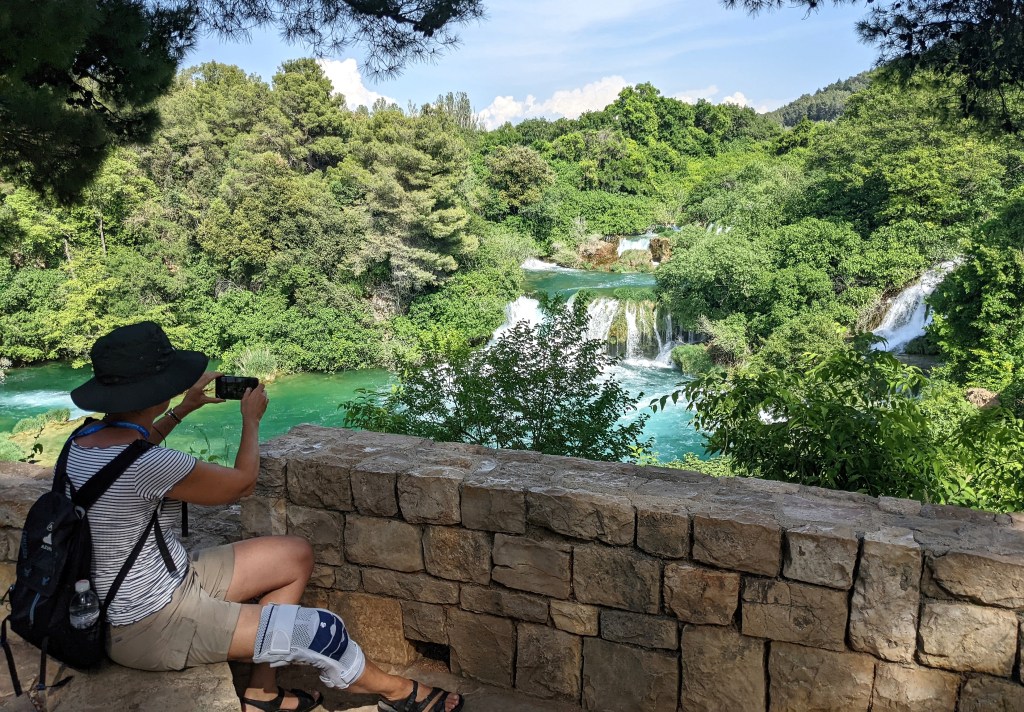
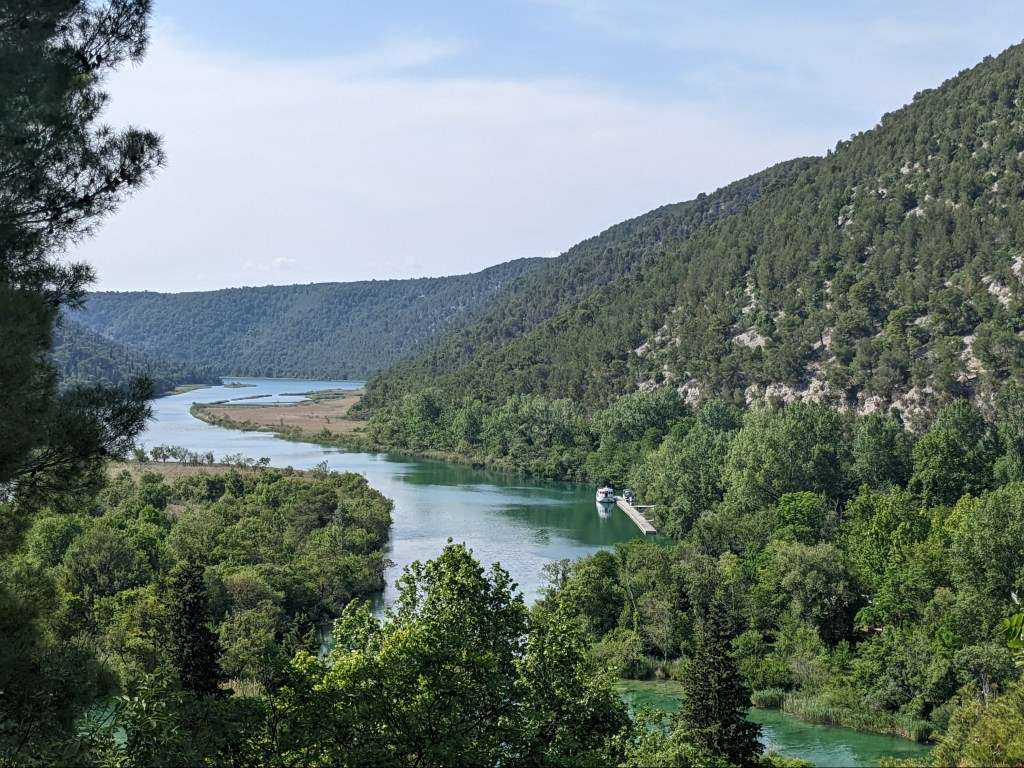
I still joined the group on the second week to go to Krka* National Park, Plitzvicsa’s little sister. Kyla and Dwayne did the full loop, but I still got some good views.

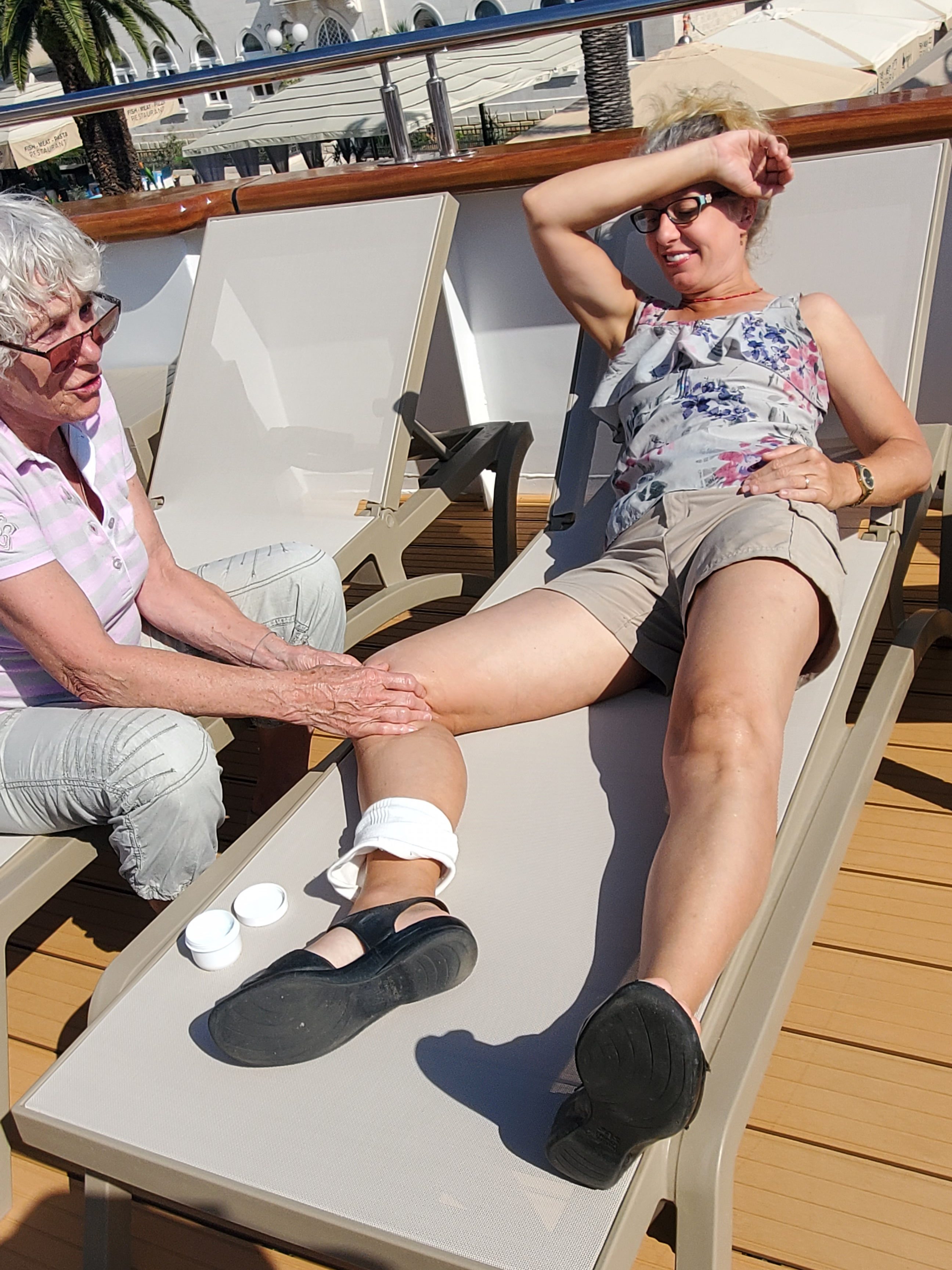
Ice, braces, and a bedtime Advil helped me get through the first few days. Then a wonderful Slovenian woman, a retired nuclear factory employee and trained masseuse, started massaging my knee twice a day, and gave me the opposite advice of the doctor. Mostly, I tried to listen to my body, and when we packed to leave Croatia, I had moments of not noticeably limping. Honestly, I’ll take it at this point.

Piper is still with us, but there will be no pictorial evidence. Just the bite marks….

And that’s how I gloss over 14 days in coastal Croatia–the most we spent in one area since we left home. On to Greece!


*Again, no vowels were inadvertently left out. This is the correct spelling.

Plitzvicsa, or the Day We Left 2 Kids in Another Country

Plitzvicsa [PLITZ vick ah*] National Park is a Croatian must-see that is, ahem, driveable from where we stayed in Slovenia. “Driveable” in this case means 3 hours by delusional Google Maps but 4.5 hours in reality. Of course, the drive was beautiful, and I was especially taken with the local WCs.

The WC. The world is my toilet on long country drives.

It wasn’t until a few hours in, after we were stamped out of the EU and into Croatia, that I realized we had completely left the youngers in a different country from us. This was immediately followed by a twinge of guilt drowned out by the realization that everyone was happier this way, and Piper and Wes had enough euros to feed themselves for a day.

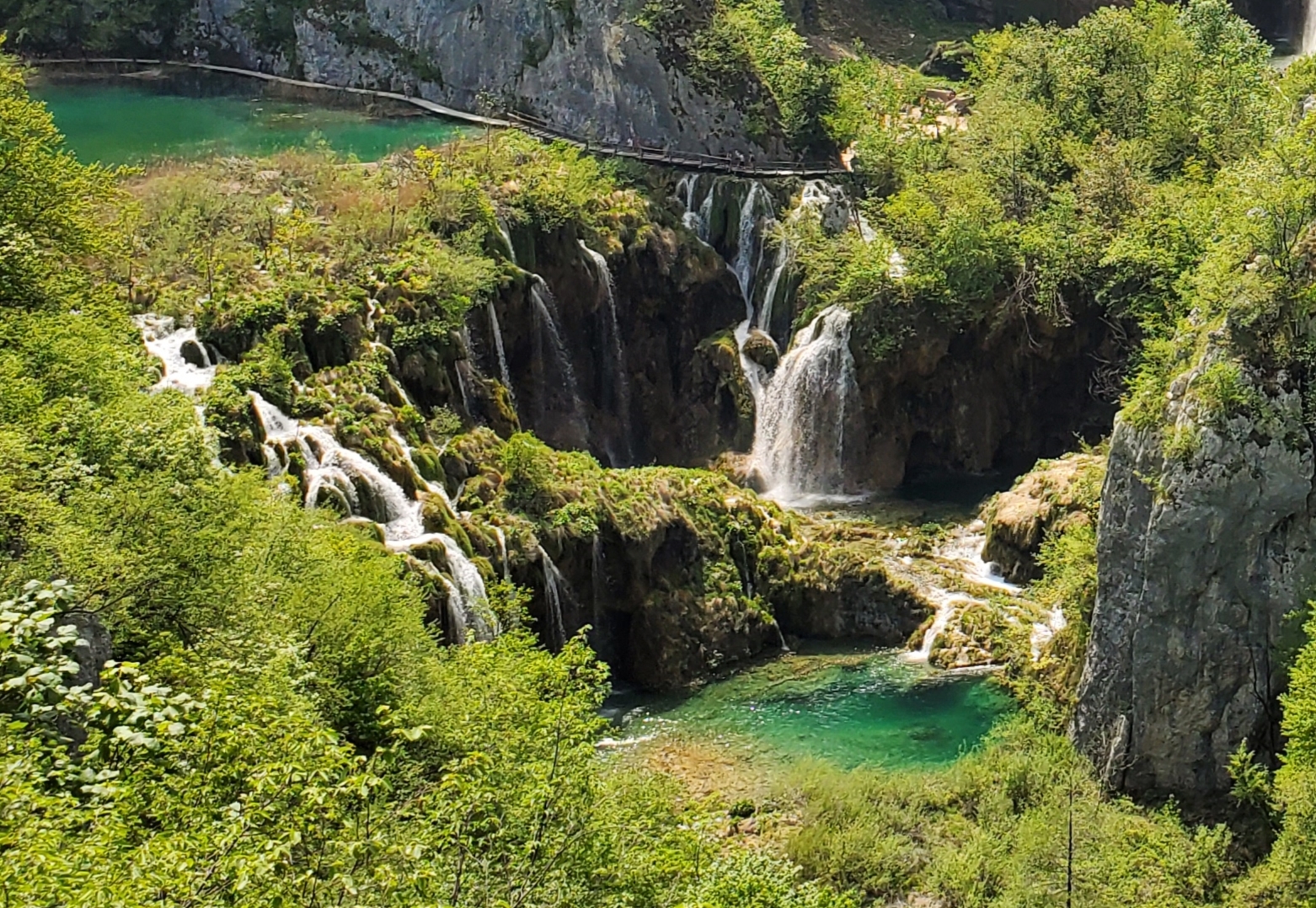
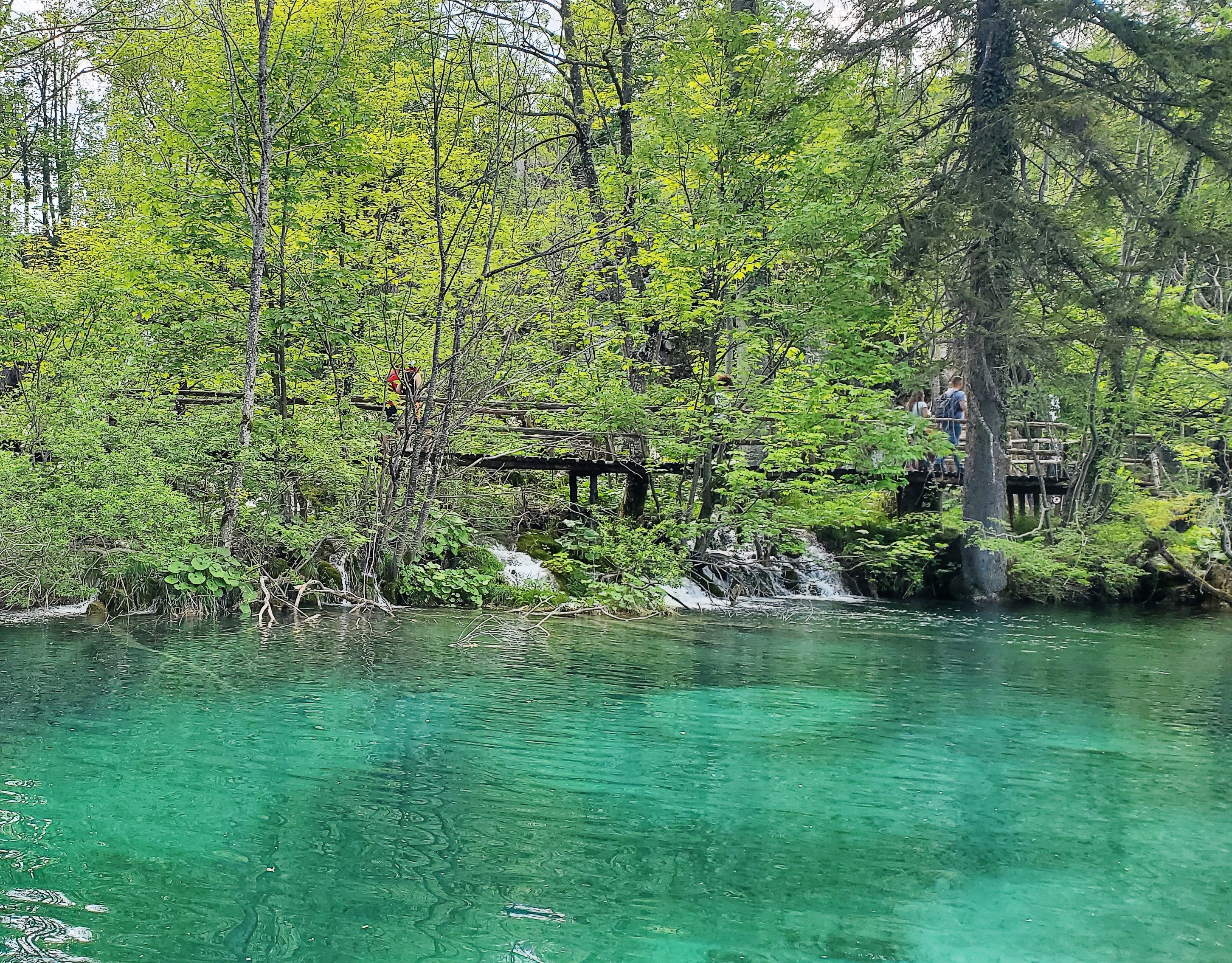
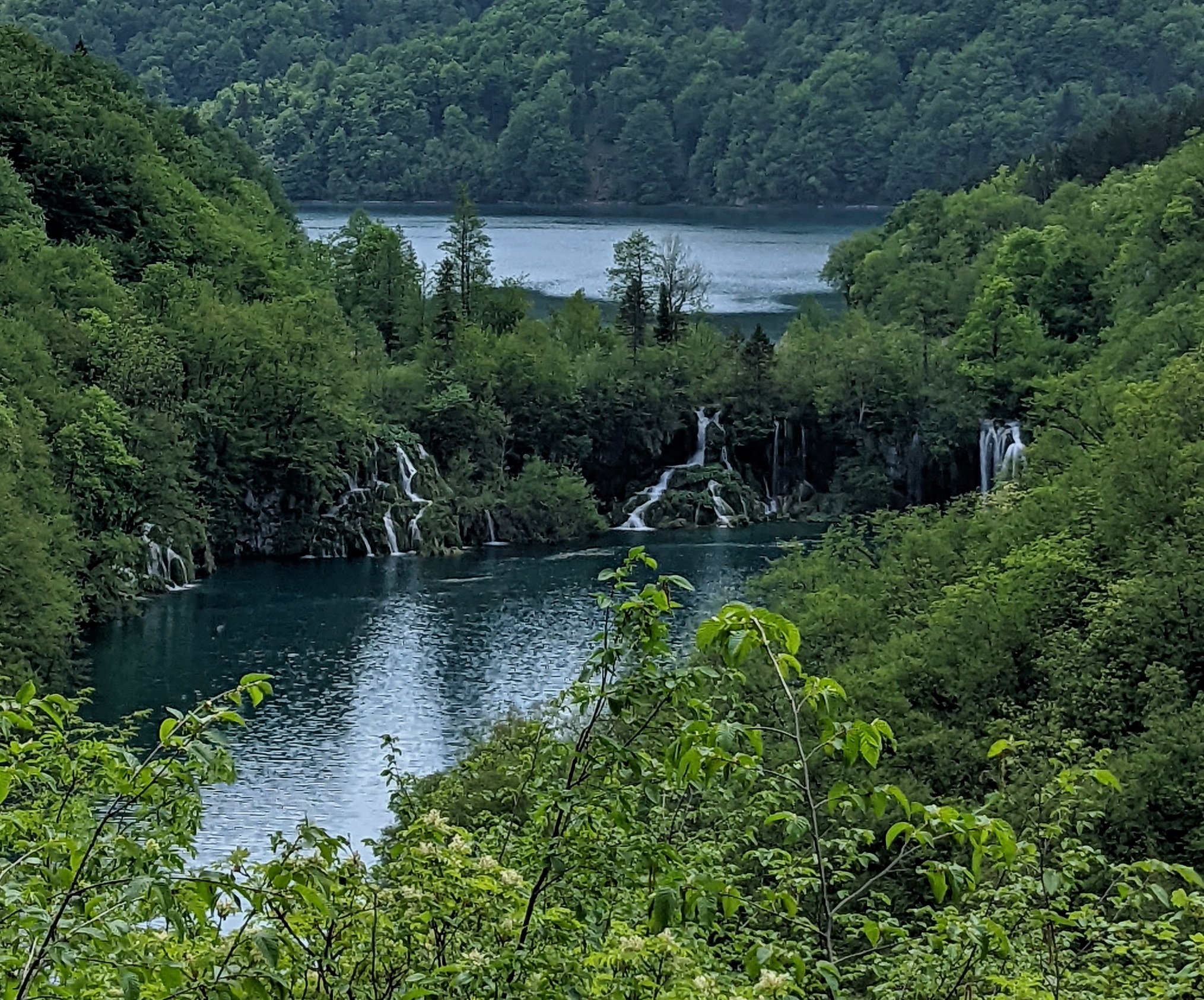
Plitzvicsa can best be described as a series of lakes connected by waterfalls. That is like describing a butterfly as a pretty insect, so let me show, not tell.

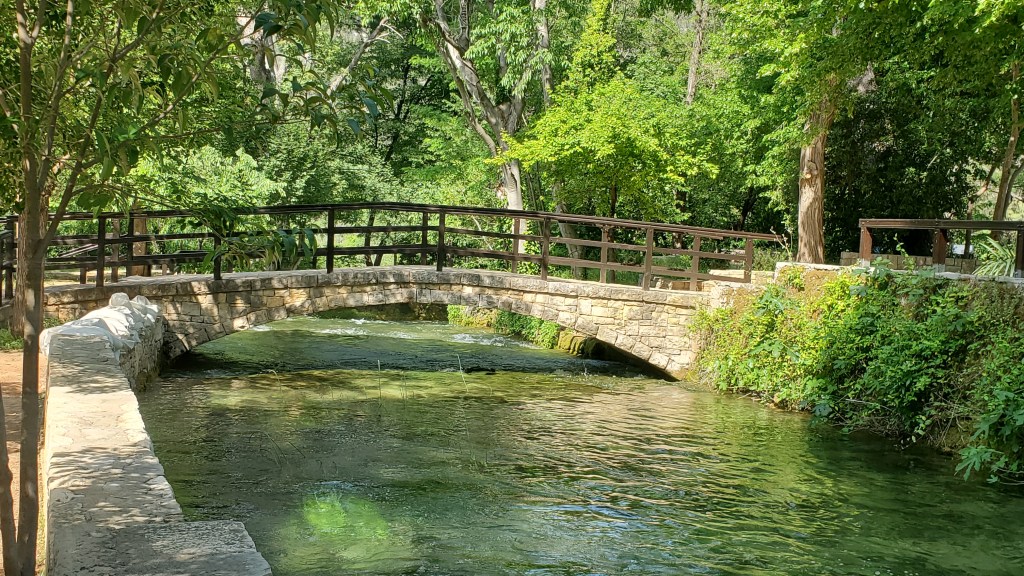
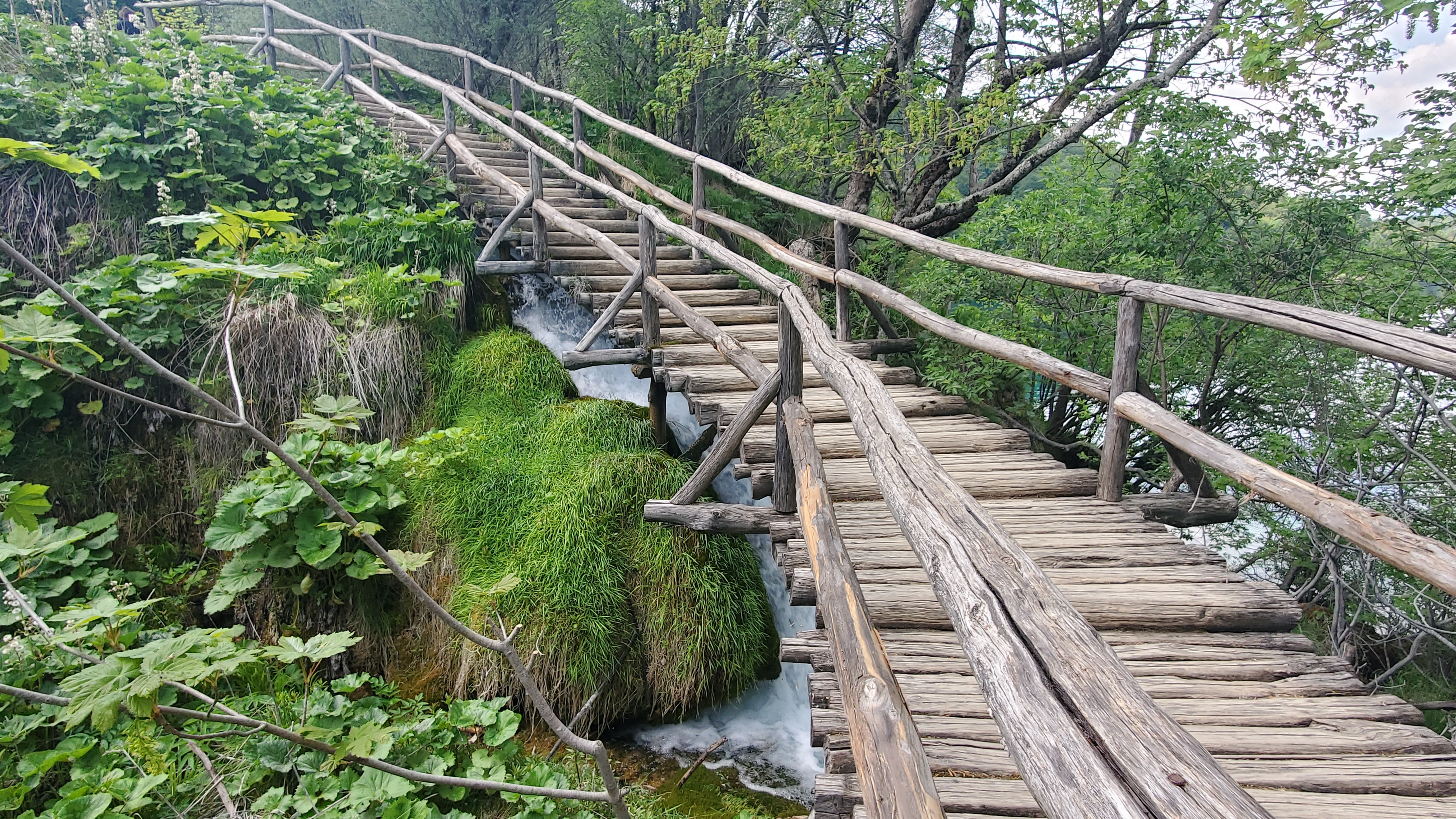
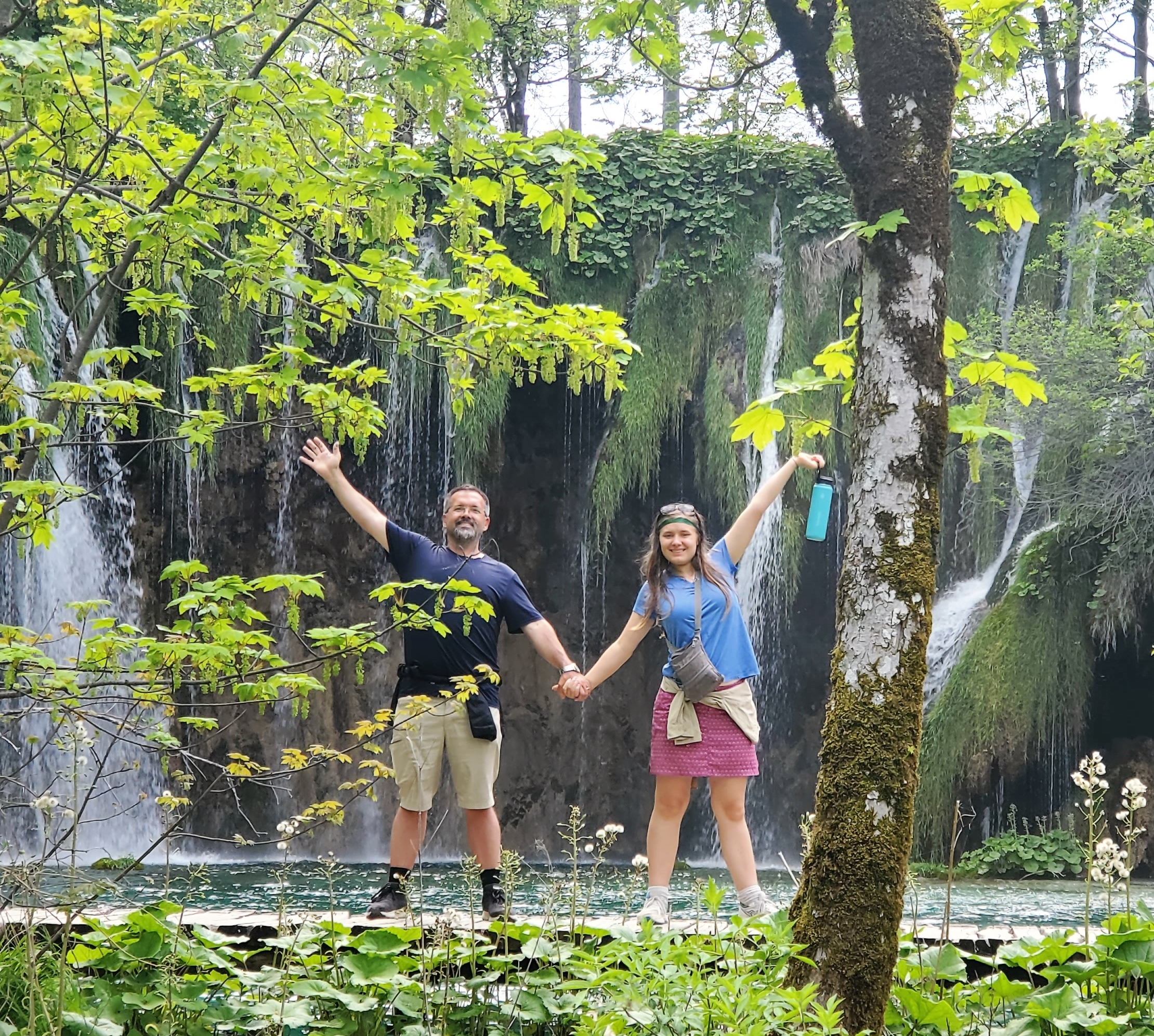
This is a place where we all wish we could swim, but fully agree others should not. The waters are so clear and blue that it’s cliché, and I had to give up on my kissing bridge rule, as there are more picturesque bridges than I have kisses. 

The park is well-organized with electric ferries and buses to bring hikers to each new place, and then back to the parking lot when we peaked. 

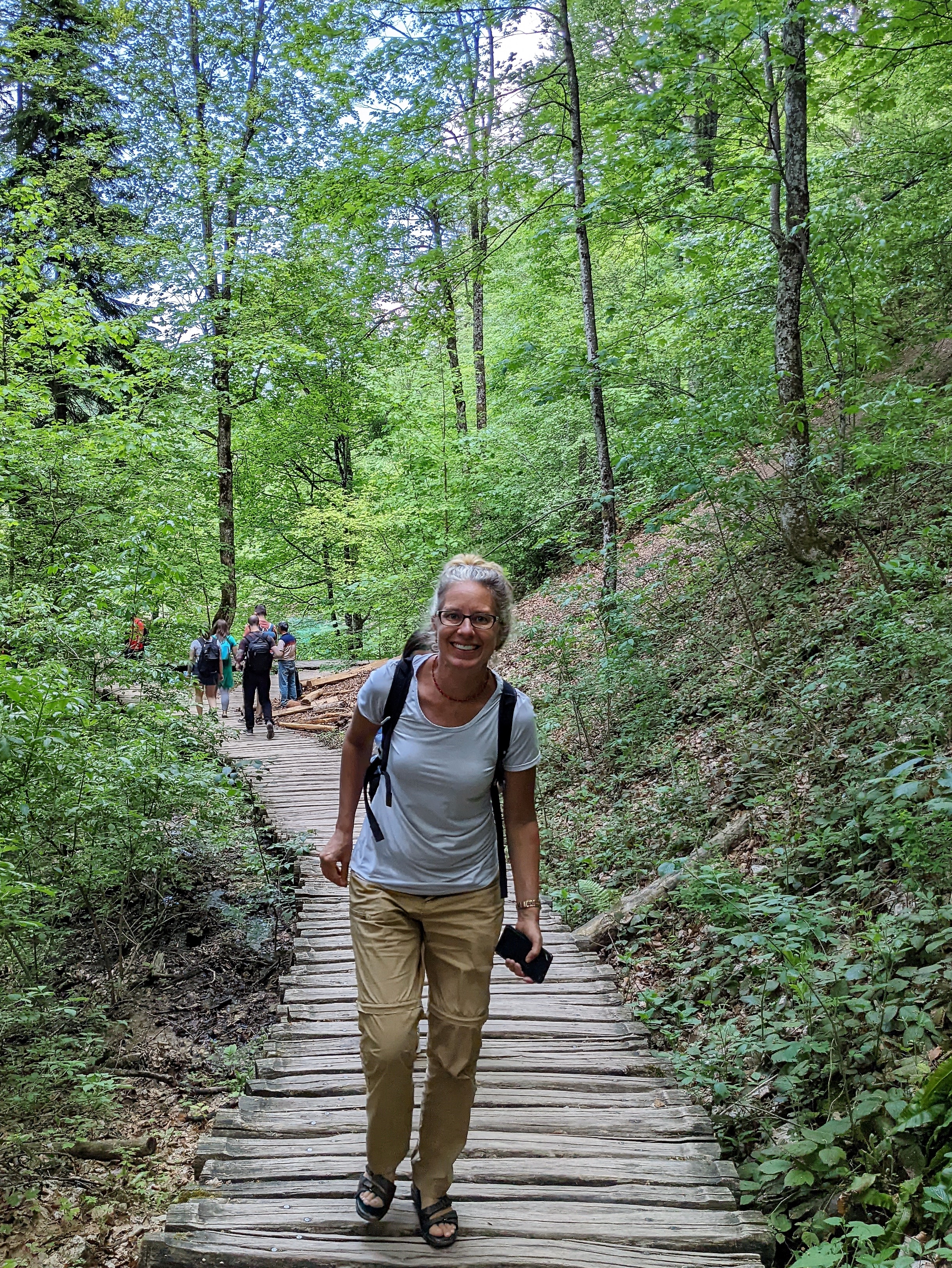
Again, May is the right time of the year— lush but not muddy, warm but not hot, crowds but not hoards.  When we were in Dubrovnik and Split in 2019, we were disappointed not to make it north to Plitzvisa then. This was worth the wait, however, and I bet we’ll be back again for the full day hike, instead of just a half-day.

PS We were gone for at least 12 hours, and I’m not sure our youngers noticed.


*Again, an acceptable pronunciation for Americans but in no way actually correct.

Postojna Postscript: Baby Dragons

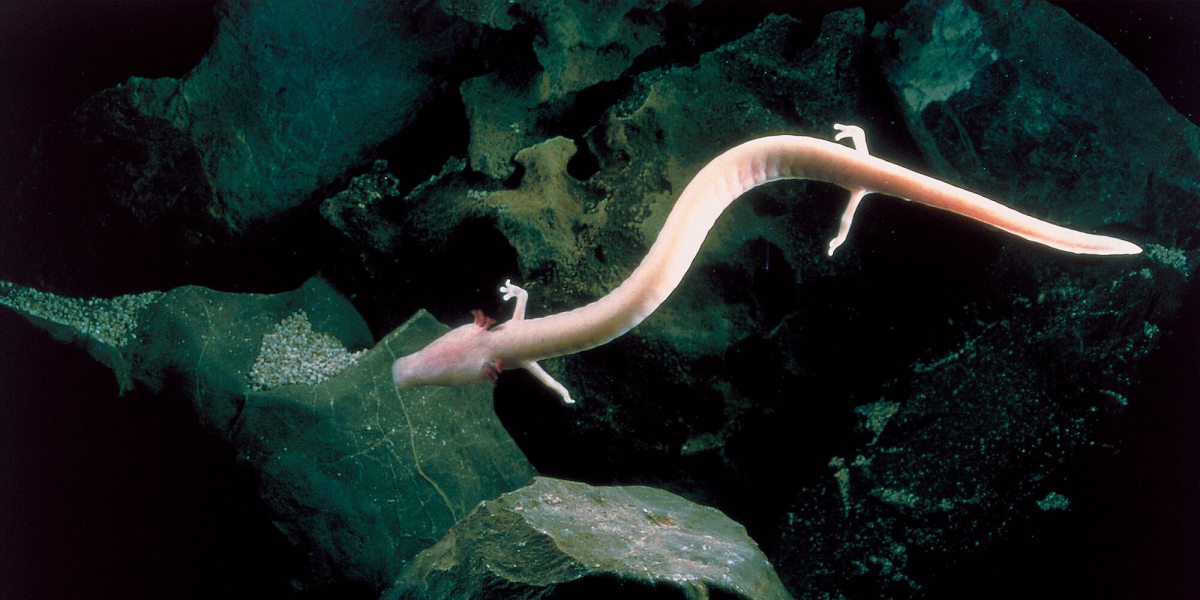
Finally, there be dragons. Baby dragons. Which is the working name for a blind cave salamander that is so specialized for the Postojna caves that it doesn’t live more than a few days if removed, even under the most careful conditions.

Like all proper dragons, everything you first hear about them is probably false. They live 100 years (fact: possibly, but better confirmation of 60 year lifespans), eat only once every 10 years (fact: okay, this seems to be true, but only if necessary, not as a lifestyle choice), and breathe fire (I refuse to believe otherwise). They are considered amphibians that are fully aquatic, and to really confuse us, ohms have both lungs and gills. They really aren’t even that cute, but between the good naming and excellent PR, we’re all lining up to buy baby dragon keychains that look hardly at all like penises.*


*Did I go too many posts without mentioning penises? My bad.

Slovenia Adventure #2: Caves & Castle

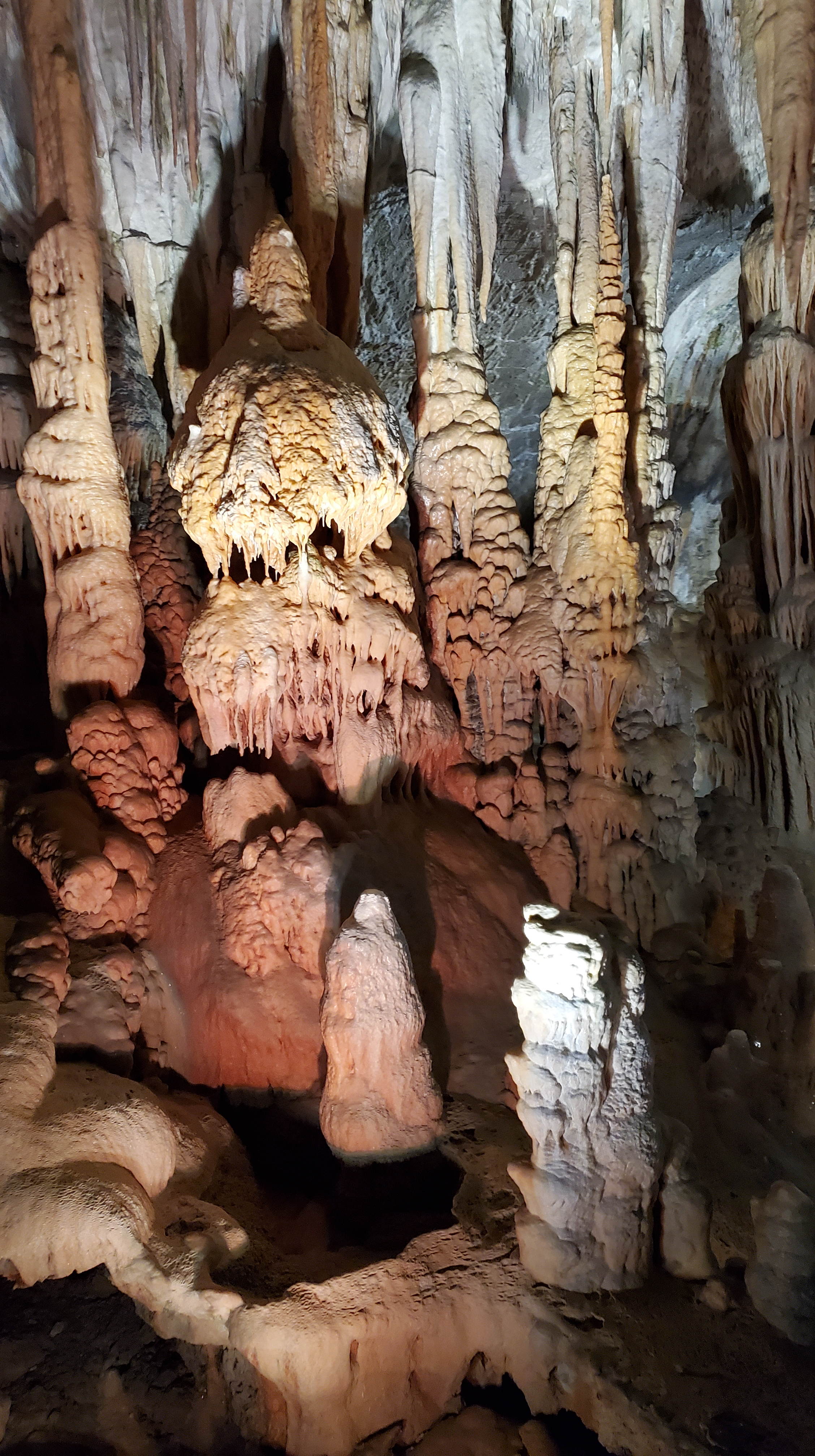
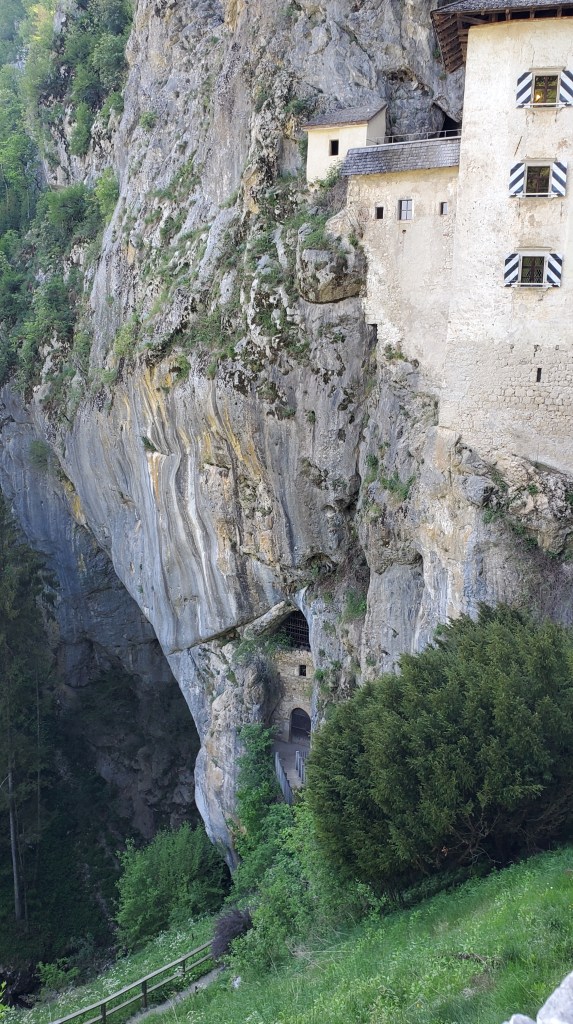
Our second spot in Slovenia was Postojna, a town that boasts the country’s second-largest cave system and one of the most scenic castles in Europe. Cave size doesn’t really matter, but the experience was “really cool”, and that is a Wes quote!

With an English-speaking tour guide, we took the cave train deep into the limestone caverns, carved out by rivers over eons.

The existence of the cave has certainly been known before recorded history, but it took some technology to discover its further recesses. Since we know exactly when distant caverns and tunnels were discovered, and hence, when they were widened and readied for tourists, stalactite growth can be precisely measured. Growth of about 1mm per decade is not particularly slow-growing in cave time. Almost exactly 100 years ago, this reinforcement was done and a new (circled) stalactite is growing.

This stuff is cool! (And, um, cold and damp, but truly, totally neat-o.)

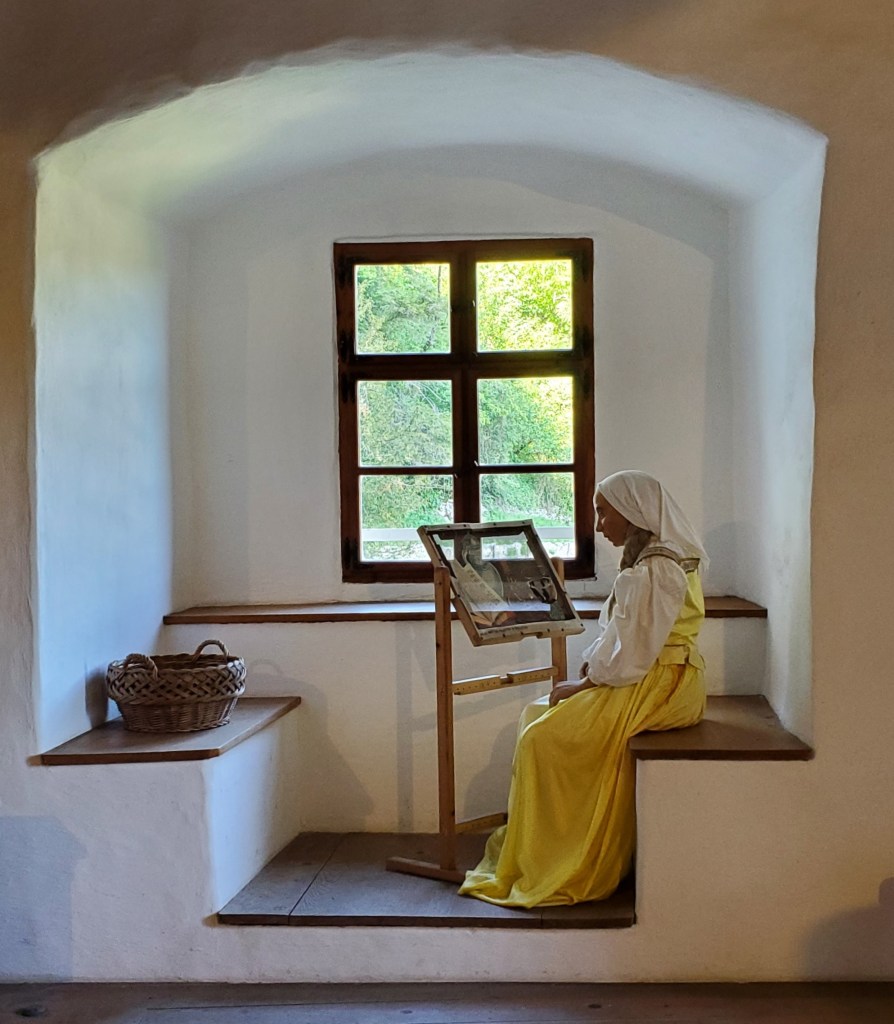
Down the (necessarily charming, bucolic) road is Predjama Castle, literally “castle in front of the cave”. It is both an incredibly attractive and very secure fortress. What it wasn’t was comfortable–at least for residents under siege for long periods of time. Cold, damp, dim…and that wasn’t just the torture chamber.

Have I sold you on Slovenia yet? Come with me next time!