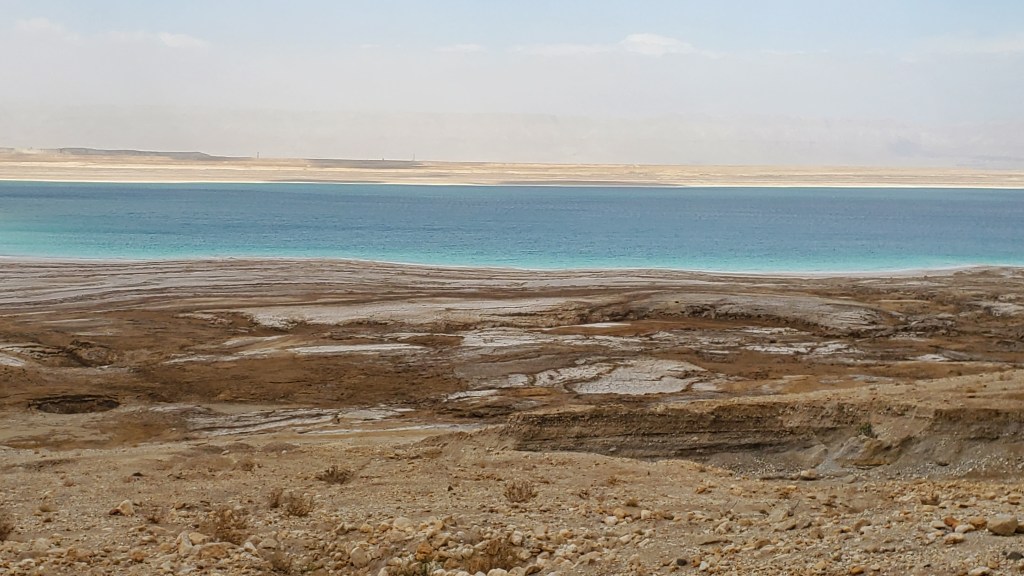
Since leaving Kenya, the weather has not been what we hoped. All the layers we packed “just in case” have been worn daily. The Dead Sea, the lowest place on earth, was warmer than Petra, but that’s a low bar. Unfortunately, it was a lot windier on the sea and the Red Flag of Doom was flying on the beach. That didn’t stop us from changing into our suits and attempting to enjoy it, even without a proper swim.
The Dead Sea is so named because it is so salty (34%-ish) that nothing but bacteria can live in it. We were also warned that swallowing even a tablespoon of the water would send us to the hospital…or the grave. (This has not been verified with casual internet searches; I’m sure the tour agency and the hotel want to minimize liability).
The logistics: Our tour booked us an afternoon pass at the Holiday Inn, an oddly luxurious Dead Sea resort. We gained access to the changing rooms, fluffy towels, a large “heated” pool, and the life-guarded sea. We changed, hugged our bodies as we made it down to the rocky beach, and were able to go in almost to our knees before the lifeguards blew their whistles. Honestly, the water was awful. Between the wind and the waves, large rocks would crash into our shins and smash our toes and there was no chance of trying to do the famous float. We rinsed off in the outside showers, warmed up in the inside showers, jumped into the heated pool, discovered that the heated pool was too cold, and then returned to hot-showers-that-quickly-lost-their-heat. We turned our afternoon stopover into just an hour, and that was because we ordered warm drinks and played cards in the lobby once we were dressed again.
However, the Dead Sea was a highlight for me for one reason.
This hotel also had complimentary buckets of the miraculous dead mud guaranteed to take off years. Turns out, that was years of maturity, not wrinkles or cellulite. But I had heaps of fun playing in the mud. Even my hair got a mask. The Fam laughed, I frolicked, and the outing was rescued.
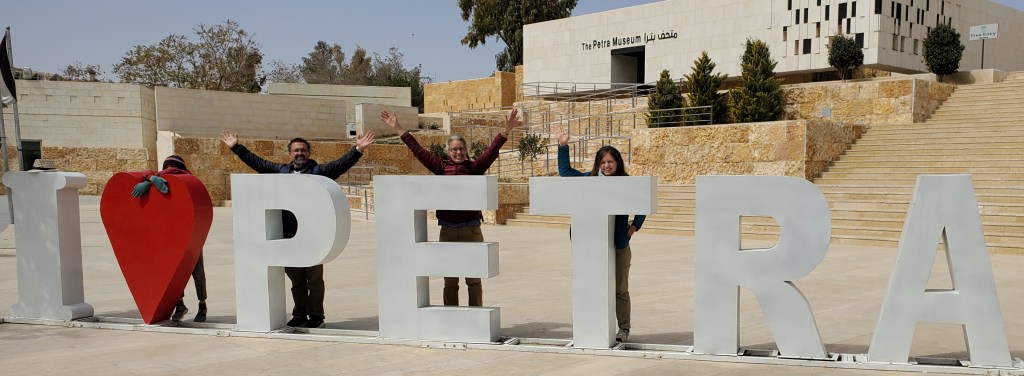
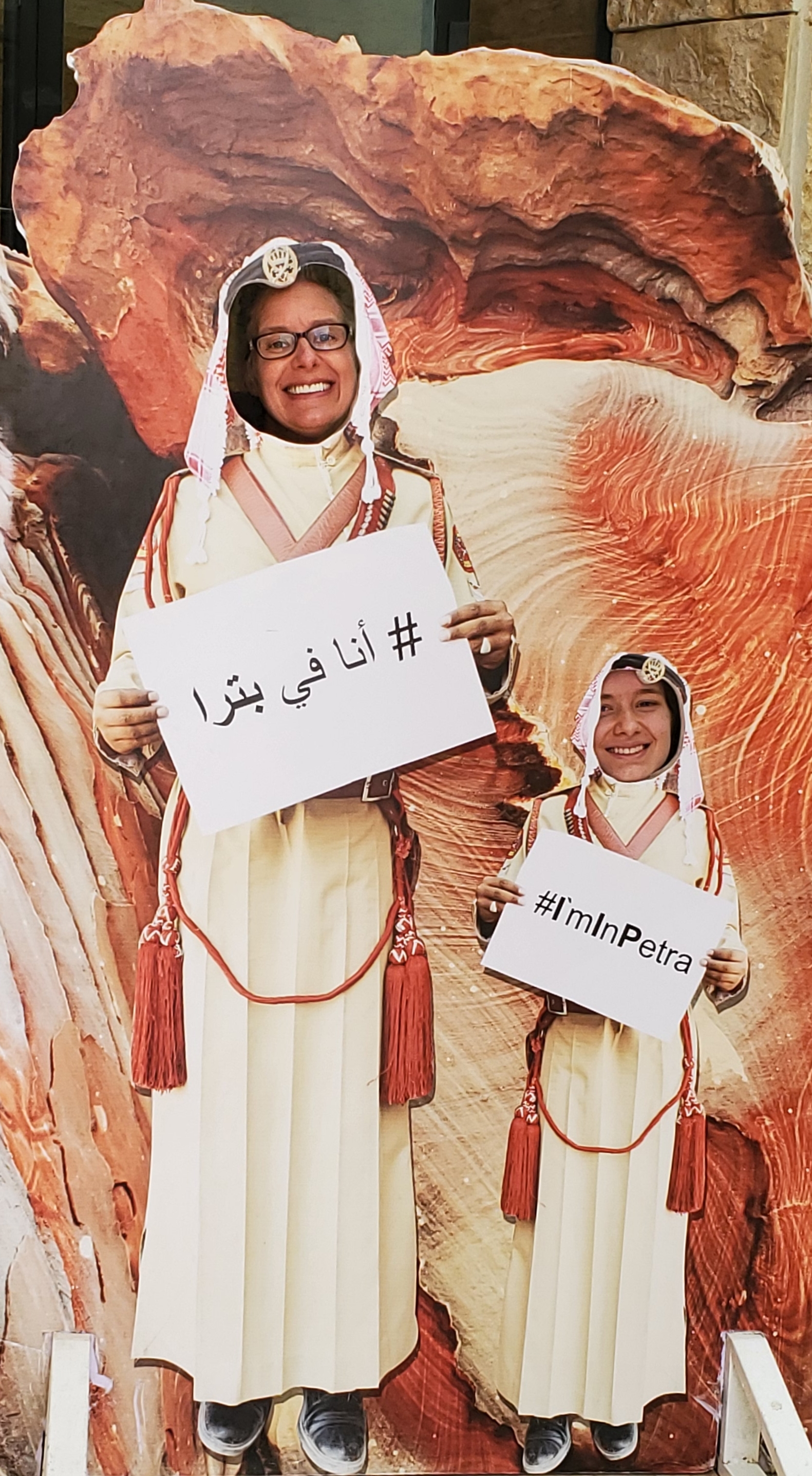
Piper’s beloved hat, doting the “i”, now stands in for her during this do-not-take-my-picture phase.
The Treasury is the poster child of Petra. Even expecting it, turning the last bend in the mile-long rock canal to get the first glimpse merits a gasp.
Here’s what I knew about Petra 5 years ago:
It is something very, very old, and looks like this–>
Dwayne really, really wanted to see it.
* * *
Here’s what I learned about Petra a few years ago, when we first booked the tour:
Petra is in Jordan. I can even point out Jordan on a map.
Petra is ancient and is much more extensive than this one picture suggests.
* * *
Long before we got to the Treasury, we saw amazing carved out areas and Roman ruins.
And here is what I’ve learned in the past two days:
I appreciate the man will pose for me.
From the ticketed entrance to the main event, the Treasury, it is about a mile walk, much of it over old (old!) Roman roads, that have been made uneven by time and earthquakes. Before getting to the Siq (the walled cavern that is most of the walk to the Treasury), there are several antiquities of note, almost all related to death and memorials. The canals, aqueducts, and dam were the most interesting to me, as enough of it has survived to truly picture how this dry rock was continually made rich with fountains and pools.
The ticket does come with a free horse ride down the Siq, but almost no one takes advantage despite the long walk. Our guide told us there was a mandatory “tip” of 3 dinars ($4.25) but there are online reports of 12-15 dinars demanded of riders. The attempted fleecing at every turn in Petra could only be tolerated only by ignoring it and walking purposely somewhere else.
The Treasury is as superlative as it is reputed to be. Nothing captures turning the last bend and seeing it for the first time, even with the crowds of tourests, hawkers, camels, and the many, many asses.
Petra is about the façades. Truthfully, the most inspiring finds (supposedly only 5% of the original city has been excavated) are mostly grave markers and empty tombs. The Treasury, which you might be forgiven for believing was originally a financial center, or, you know, treasure, is basically equivalent to the Giza pyramids. It was actually a tombstone, an extraordinary angel-mausoleum on top* of four small burial rooms. But if you are like me and yearn to clamber up and search every nook and explore each alcove, your soul will be cut deeply. As you can see from the top picture, there is the main chamber as well as a smaller chamber behind the second pillar on each side. Truly, they are just empty rooms, or more accurately, giant litterboxes. #CatsAreEverywhere I wanted them to be giant palaces carved out of gorgeous stone, taunting me with a “you may not enter and explore the elaborately sculpted halls, lowly swine!” locked gates, but alas, they are just skin deep, though their complexion is flawless.
Petra is extensive. Leaving the Treasury is when Petra opens up. Wide, wide up. We had a map with multiple trails and sites marked. On our first afternoon, our guide showed us many of the famous carved memorials, a church with some intact mosaics, pointing out temple ruins, etc. It was probably about a 7-mile walk that day, and the youngers refused to make the trek again**. The next day, Dwayne, Kyla, and I explored more of the main street before taking the longest, steepest, and furthest trail out to The Monastery. Between our day in Petra, and then returning for the night show, we walked 30,000 steps, or 21km/13miles, with significant elevation and rough ground.
The Monastery, it will not surprise you, was not built to be a monk’s retreat, though it probably became one many hundreds of years later. It, too, was a remembrance of a rich king.
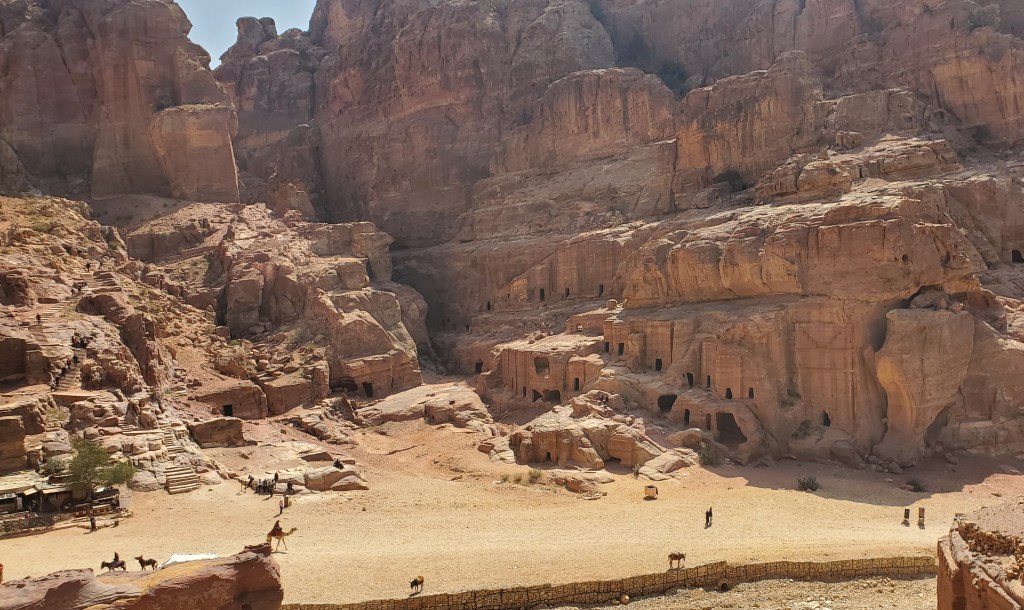
Petra is so brimming with carved out tombs (think Joseph’s tomb given to Jesus) in every rock wall that it can be easy to forget…
…that it was certainly a thriving city, a pulsating hub of trade. This was a pool complex with a public square, pavilion, and smaller theater, across from the remains of a public fountain.
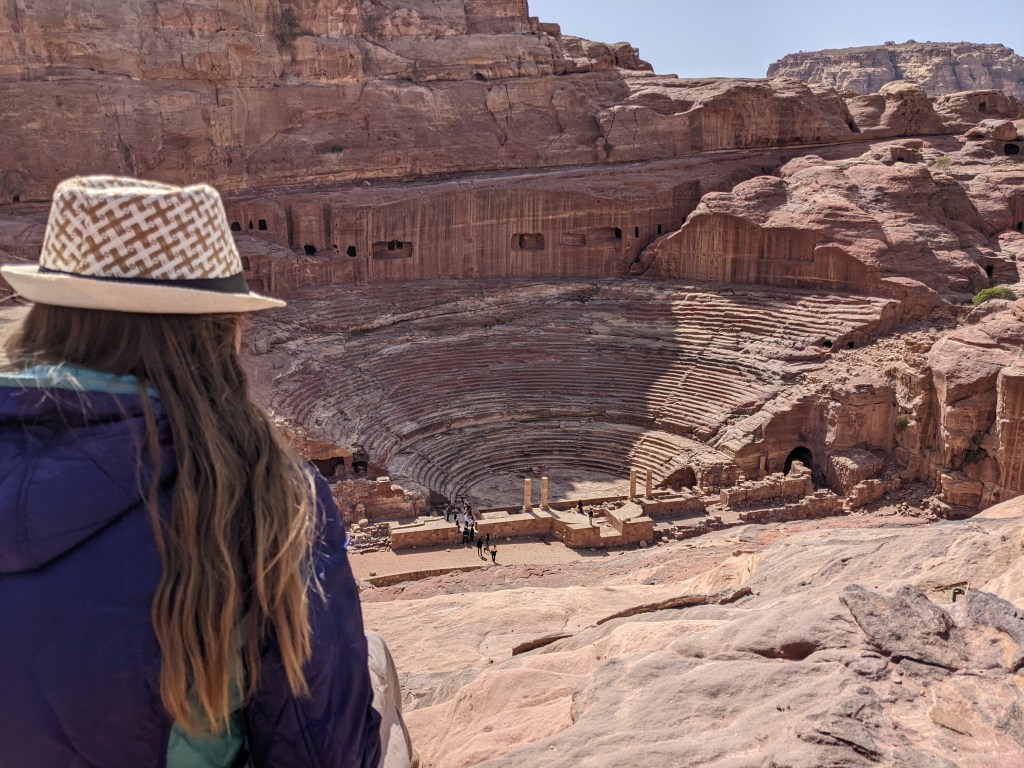
The smaller theater.
The larger theater held 3,000 people!
I love ruins I can scramble over and not just look from afar.
The main street is façaded well. [Yep, I am either murdering the English language or Shakespearianizing it. Just did it again.]
But the lasting part of this lively place is how it commemorated death.
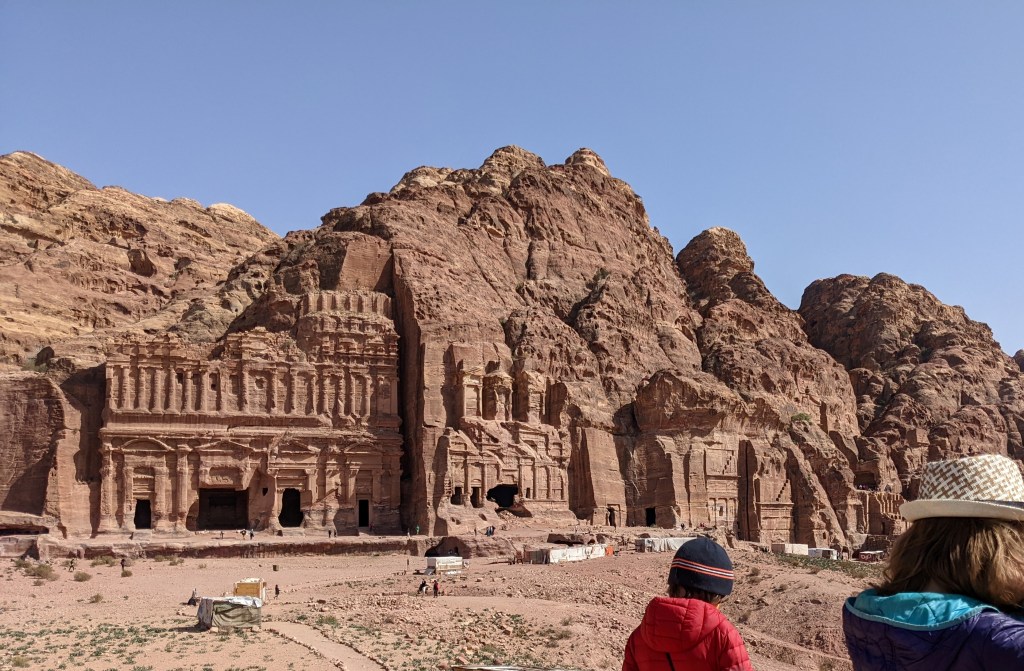
These four burial markers overlook the main street, where the market, public square, pools, fountain, and temples once thrummed with people living life.
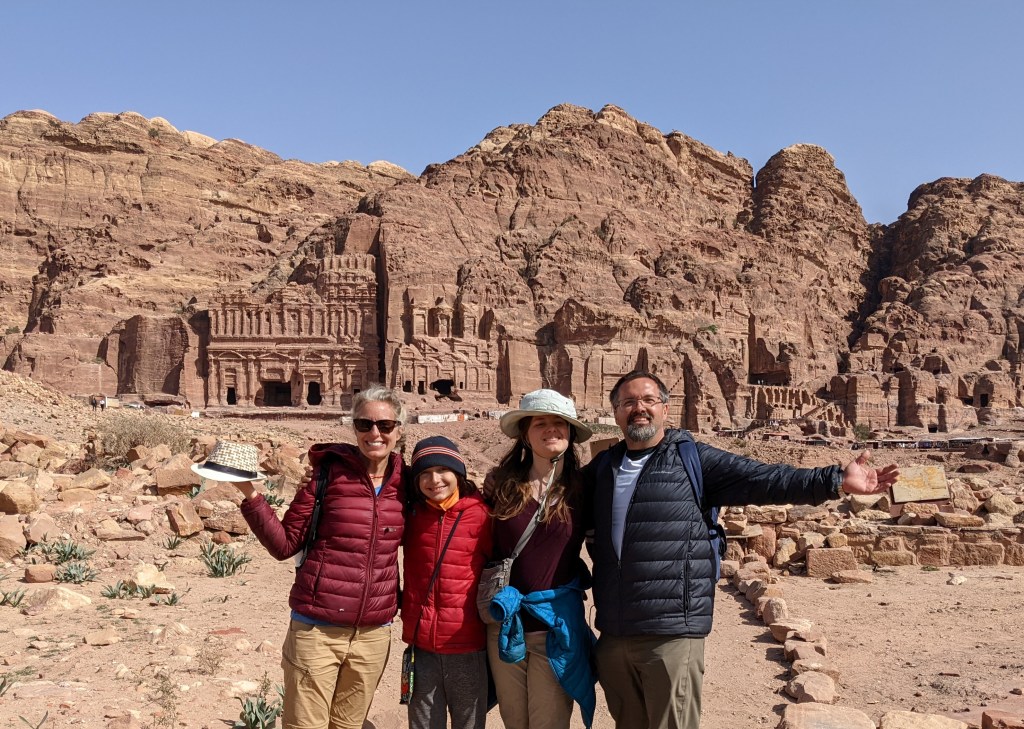
Piper’s hat has become another dimension of our family portraits.
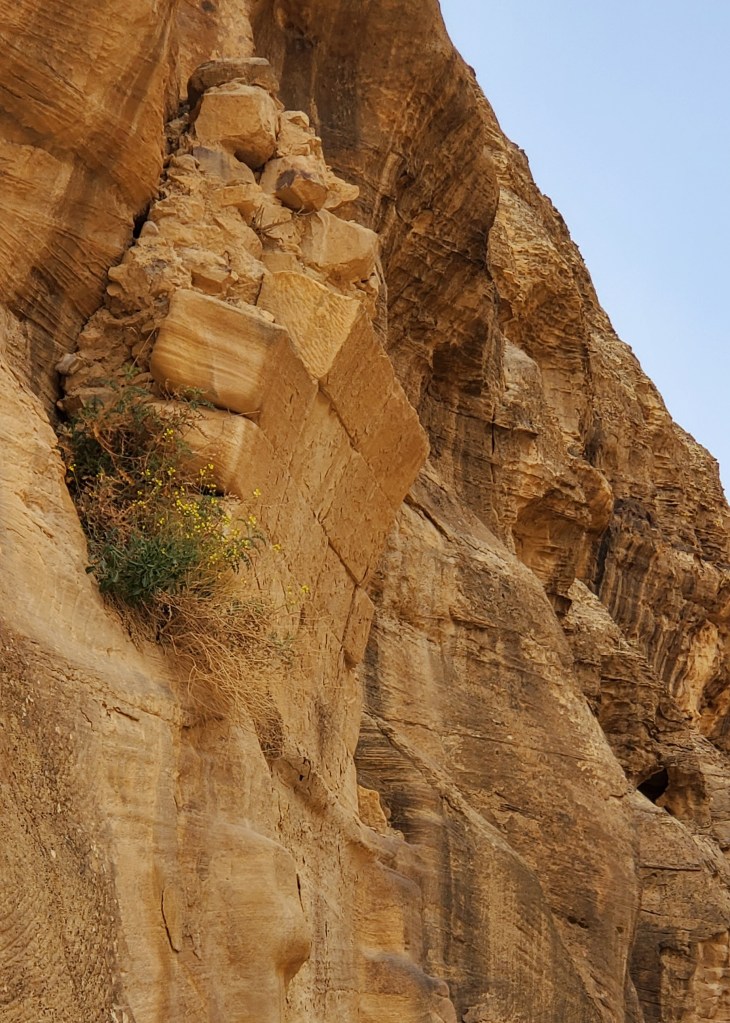
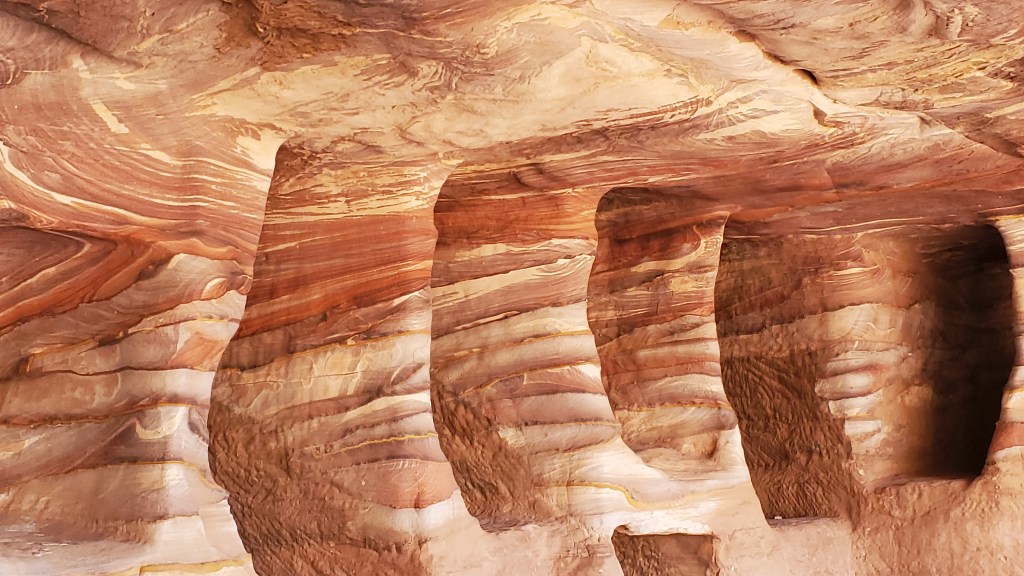
Part of the beauty of Petra is the rock itself.
The monastery. What a climb! But really worth the view and the cookie at the top.
Why yes, one of the movies was filmed in Petra. I am amused.
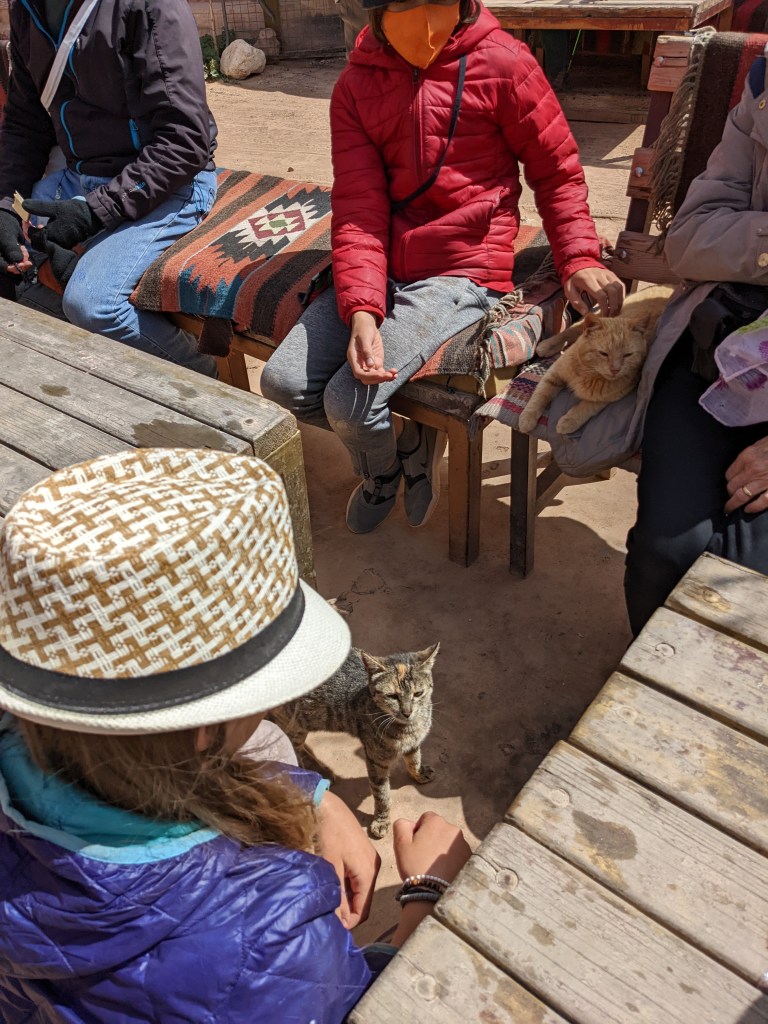
The youngers were pleased to have cats that needed scritches.
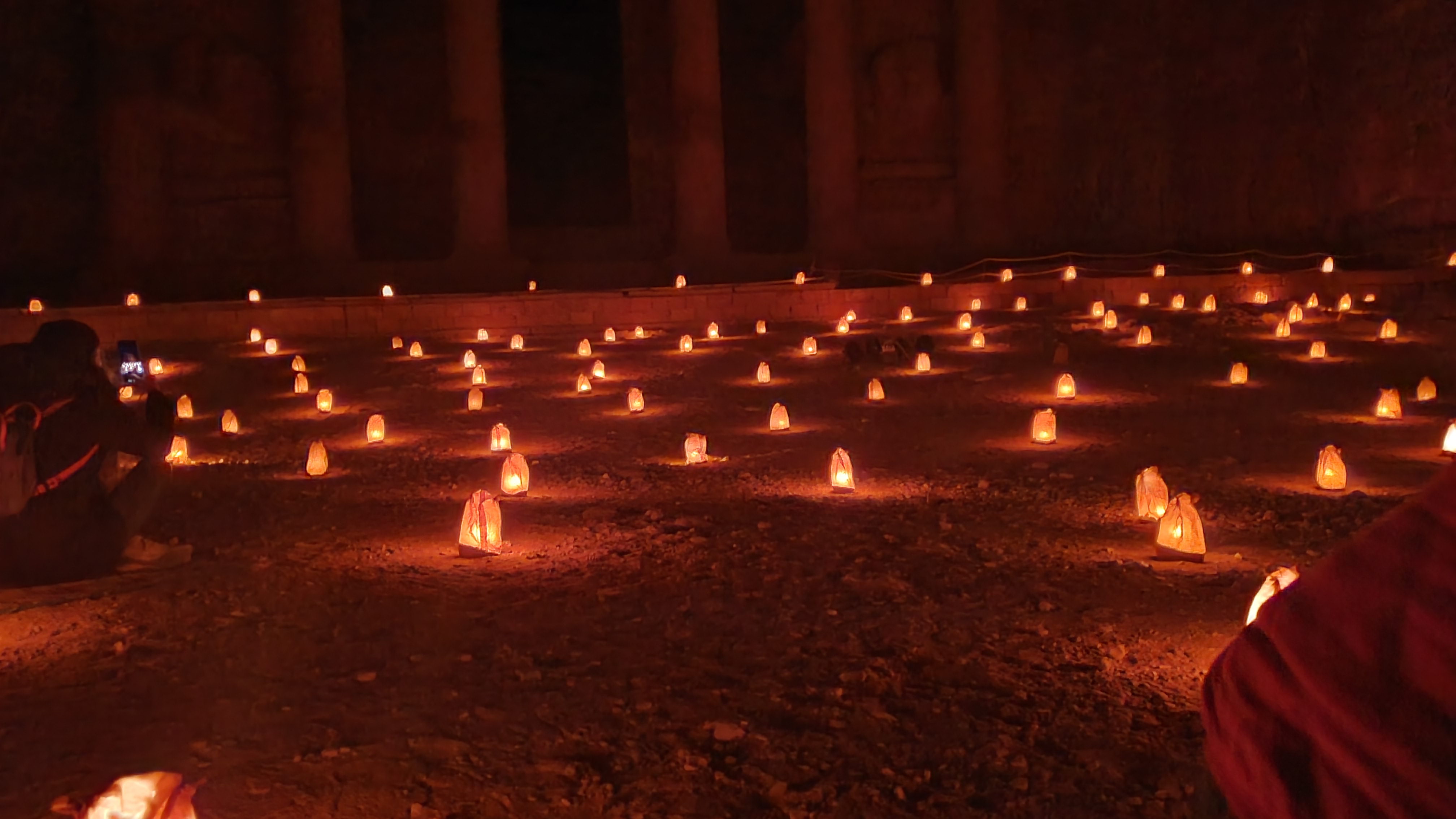
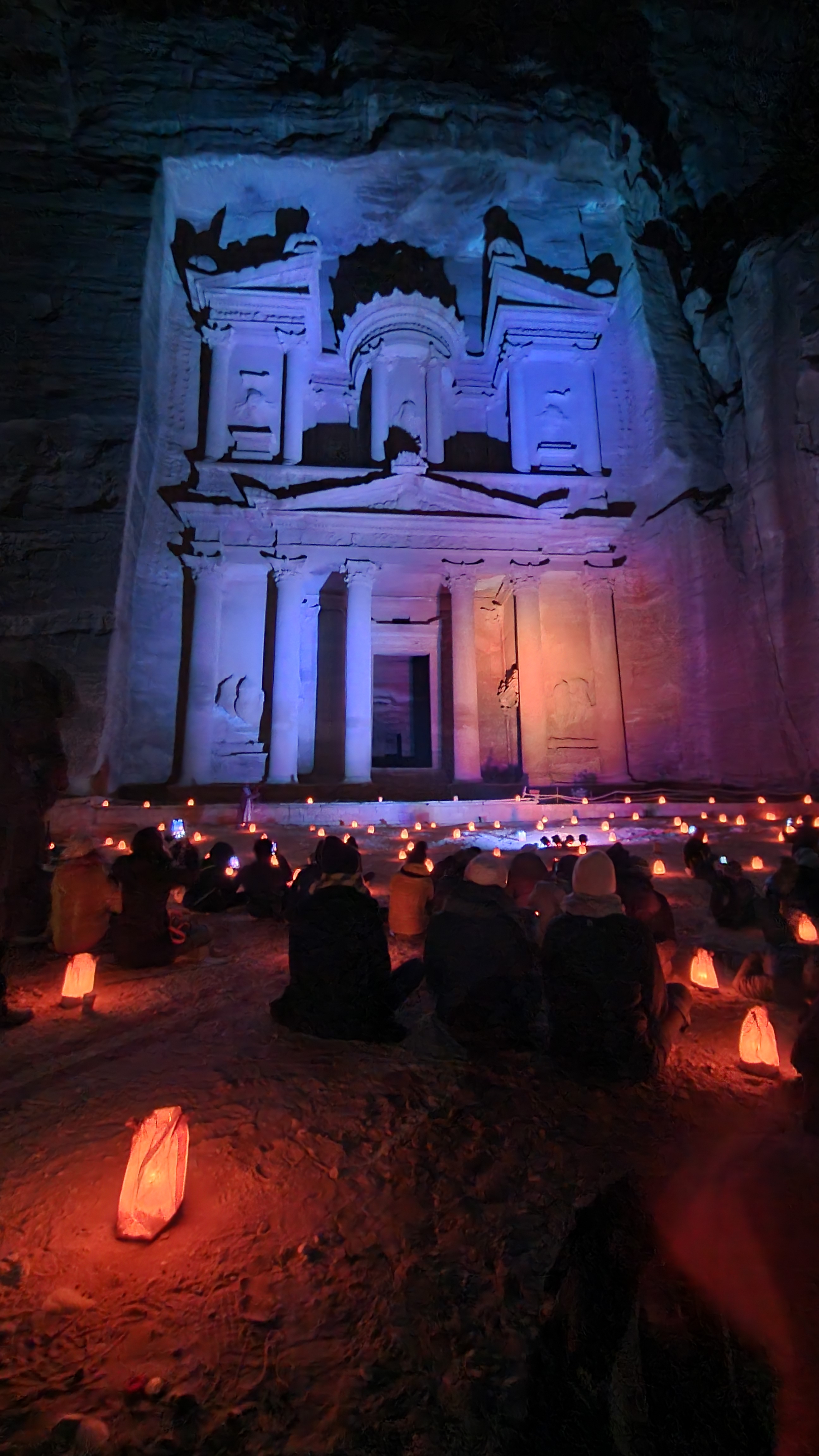
Petra at Night is a separate event and ticket, but the same long path newly marked with luminaries. The gates open at 8:15 to begin the walk down the Siq. We sat only in candlelight while two musicians playing traditional instruments and a storyteller wove a sense of history to the evening. When the Treasury was lit up at the end, several tourists saw it for the first time. For us, it was the final send off, first on another long walk, and then out of Petra the next morning.
I learned a lot about Petra that suprised me, but I was never disappointed by our experience.
*Technically, these tombs were ground level at the time of construction, but thousands of years of dirt and debris, and about eight feet of Roman road, gave them a basement location upon refurnishing.
**After carrying my 12-year-old whine sack for a bit on the last bit home, I was not unhappy to comply. You can read his take on our time in Petra here.
The beginning of Piper’s don’t-take-my-picture phase.
One of life’s conundrums is how it can take an entire day to do a 1-hour flight. We traveled from Luxor back to Cairo on an overnight sleeper train, and then got a short WC and café break before spending three hours at the airport for the short flight to Jordan. It does seem that a large portion of Kenya’s, Egypt’s, and Jordan’s economy is dependent on employing people to make us go through security check #1, passport check #1, boarding pass, passport check #2, Security check #2, boarding pass check #1, etc. And then when you get to your destination, there’s the person you buy the visa stamp from, the person who checks the passport, the person who puts the visa (adhesive) stamp into the passport, the person who rechecks the passport…and then you go through customs. We amuse ourselves by trying to guess how many people will pretend to check our documents.
I think Jordan is our monarchiest* country yet. I know UK is lousy with royals, but it seems different here. The only ones with more power than the king are the big, big businesses. Hmm, so maybe not that different from anywhere else, including home.
Kunafa
The capital, Amman, has a few things to recommend it. One, street vendors are amazingly polite, low-key, and non-pushy, especially compared to Luxor and Cairo. Two, they have a fabulous dessert called kunafa, a warm dish served with melted goat cheese as the base, layered with a sweet cake-ish top and drenched in honey-sugar syrup, and possibly pistachios. For not having any chocolate, it is remarkably delightful, but even a small piece must be split five ways because it is so rich.
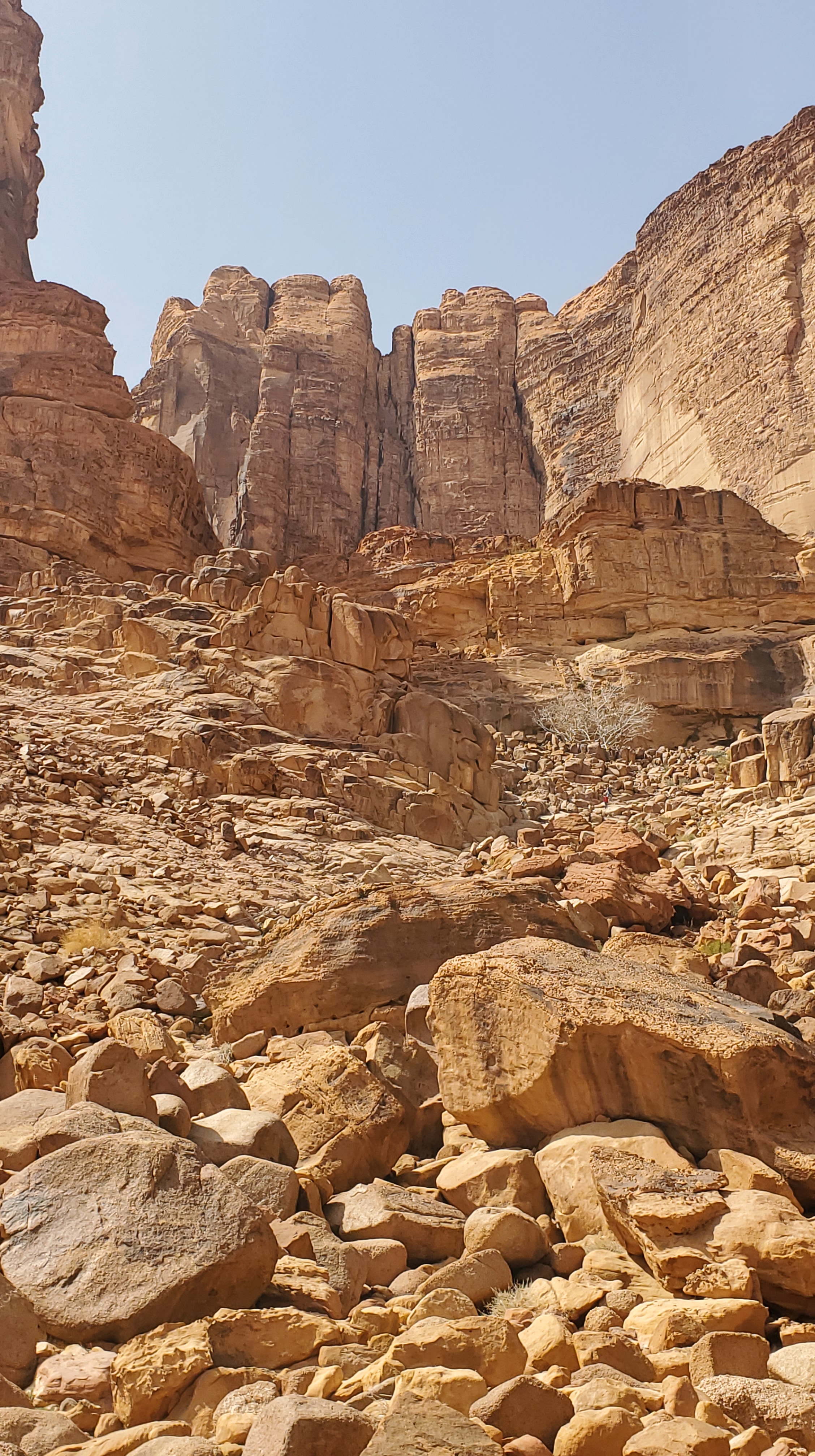
Amman was a quick layover before we headed far south to Wadi Rum. Wadi means valley, but Wadi Rum means holy-cow-it’s-desolate-even-for-a-desert. It is where Lawrence of Arabia, The Martian, and Dune were filmed, if you are unsure of what “desolate” means.
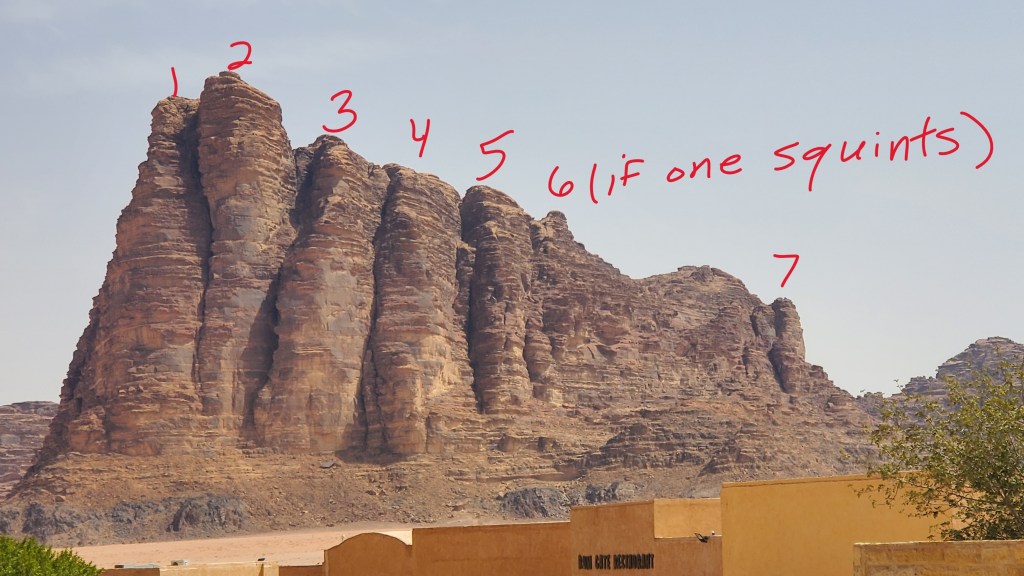
The Seven Blessings of Wisdom, if “wisdom” means “my prescription needs to be updated”
I could have easily hated it…except my kids loved it.
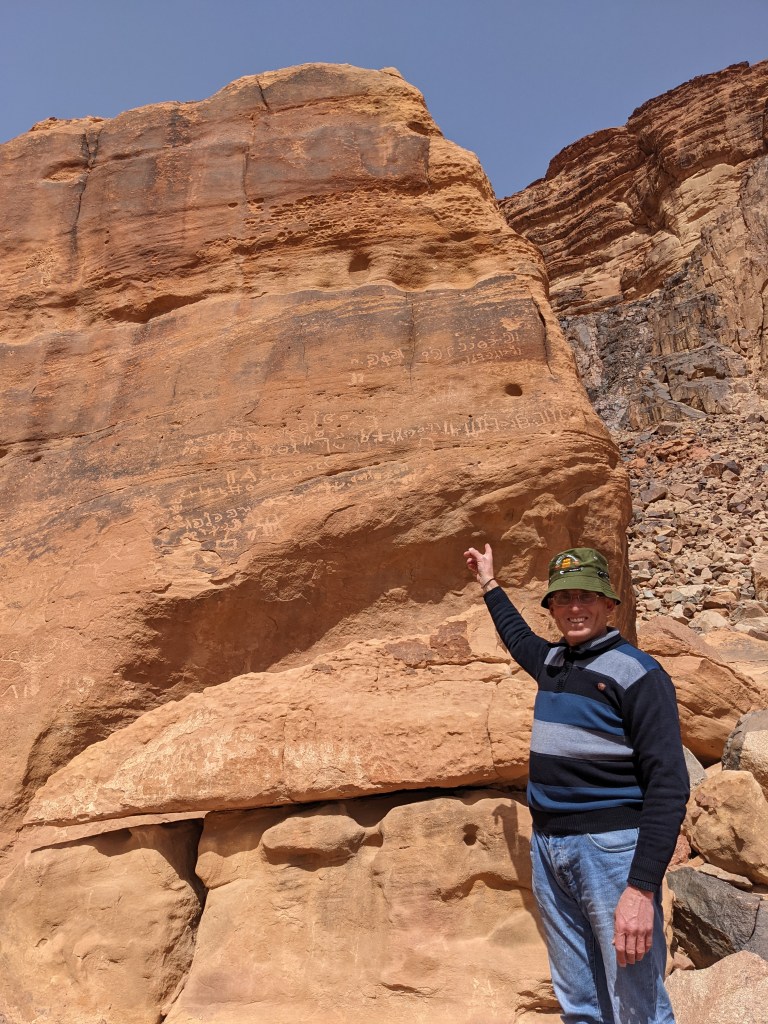
Just five minutes after we switched our comfort bus to the sand-handling Land Cruiser, we made a stop to see where caravanners had scratched their names thousands of years ago. Before we had even turned our backs, Wes and Piper were scrambling up the hill. Kyla was torn between the grown-up desire to nod solemnly over ancient carved writing and joining her sibs. Rock writing did not win. (Goats are visible in the first picture; the kids are somewhere in the second, but we never saw them!)
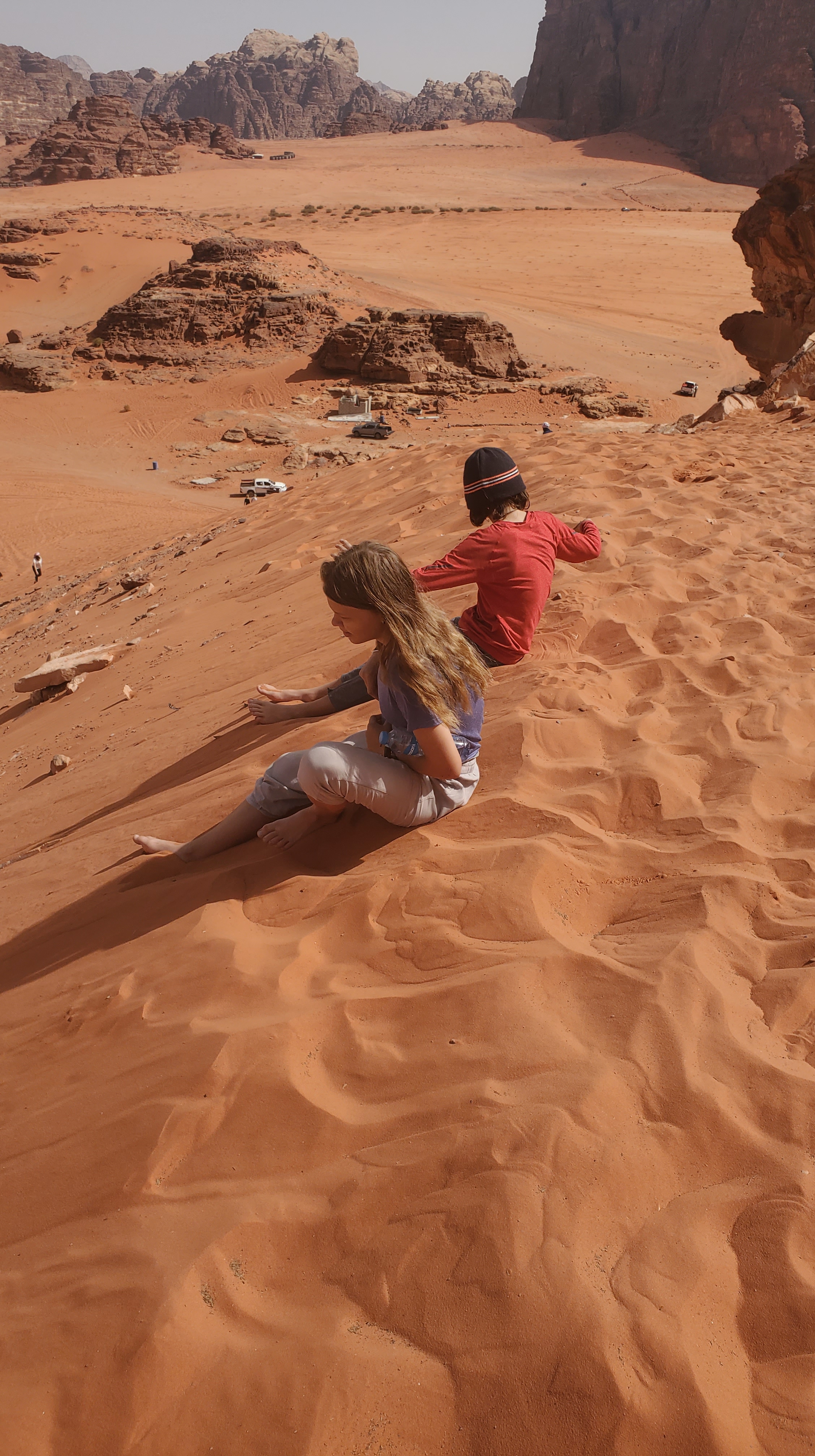
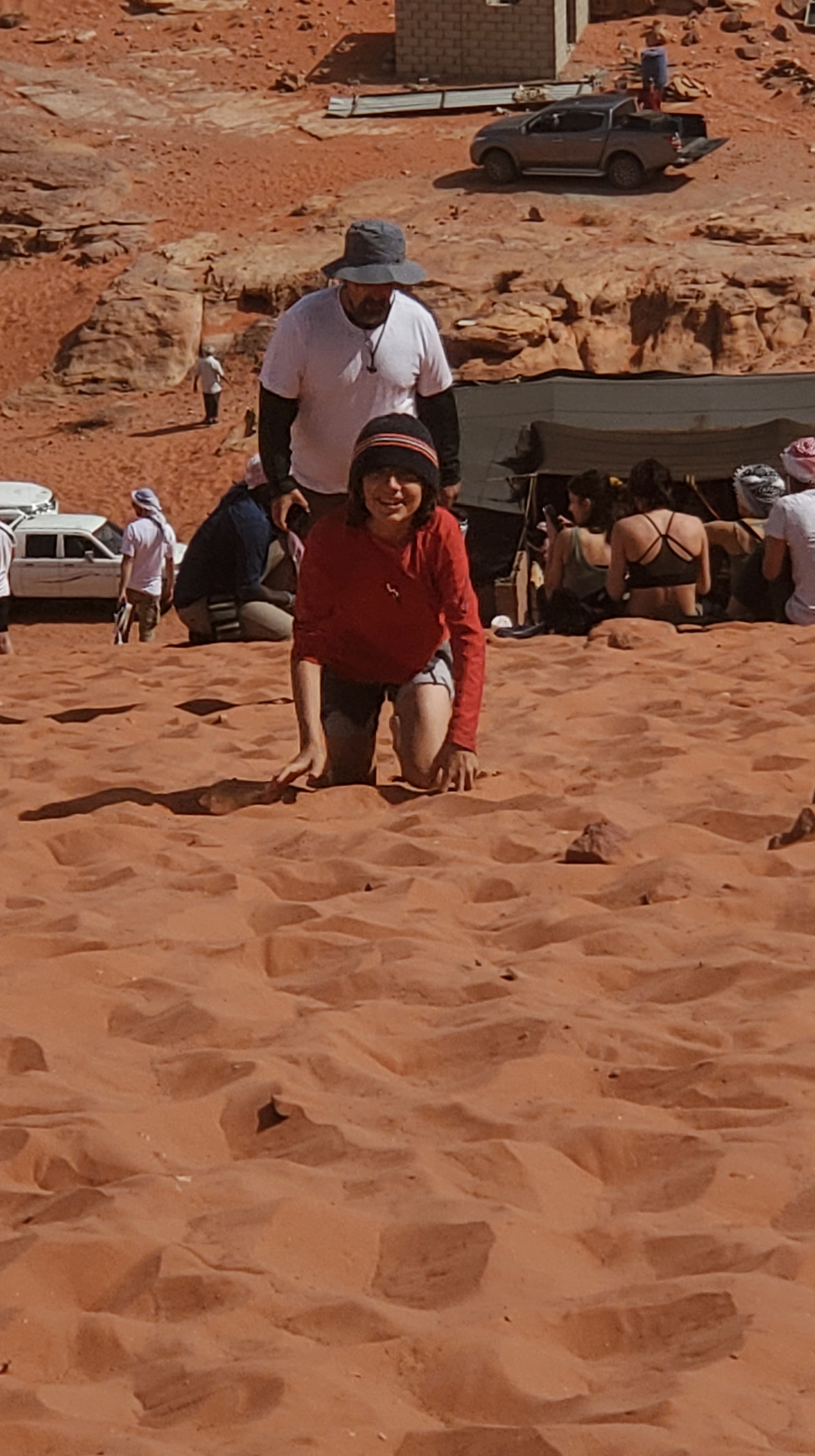
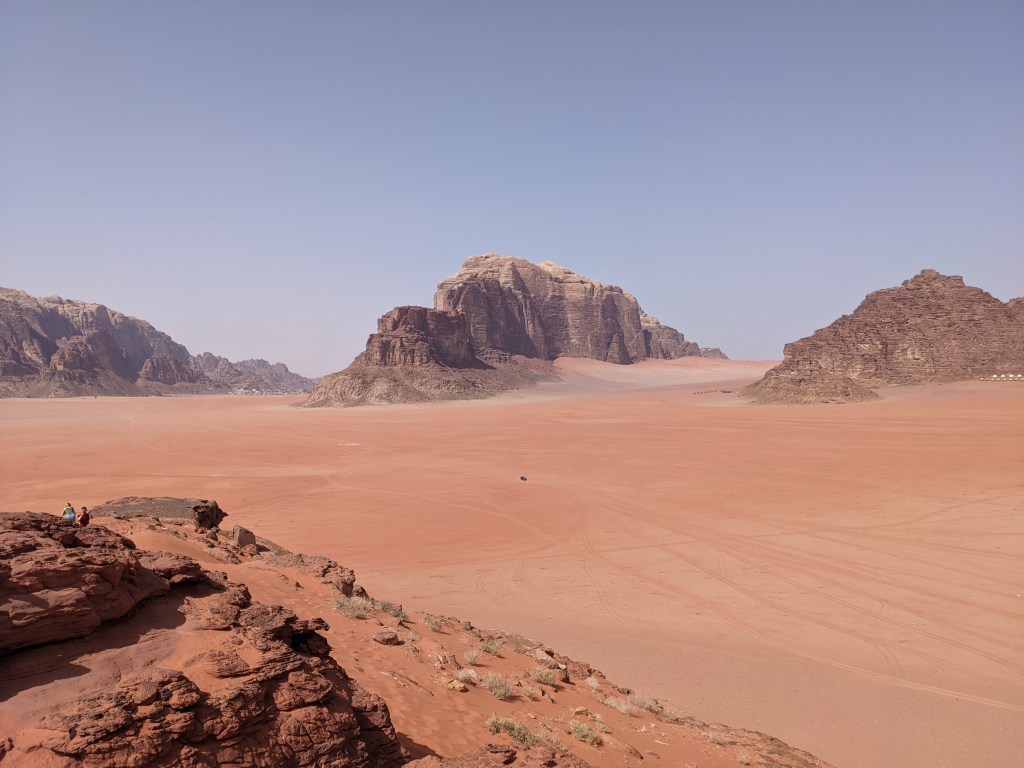
Our next stop was a red sand dune climb up to a Very Important Rock. Again, climbing and creating sand games, then scrambling to the very top for a panoramic view. No matter where we landed, the kids figured out something fun (and off-script) to do, including building a pyramid to entomb a dead beetle. I guess they were paying attention in Giza after all.
We stayed at Sheik Zaib’s camp for two nights. All resources had to be carefully doled out, and we slept in two-bed tents with a single light bulb and no heat. [Dwayne and I shared one twin bed and the blankets from both beds almost kept us warm. The kids did not fare as well.] Winter became Spring, technically, during our stay and the daytime temperatures never got warmer than taking off our puff jackets while we hiked and climbed midday.
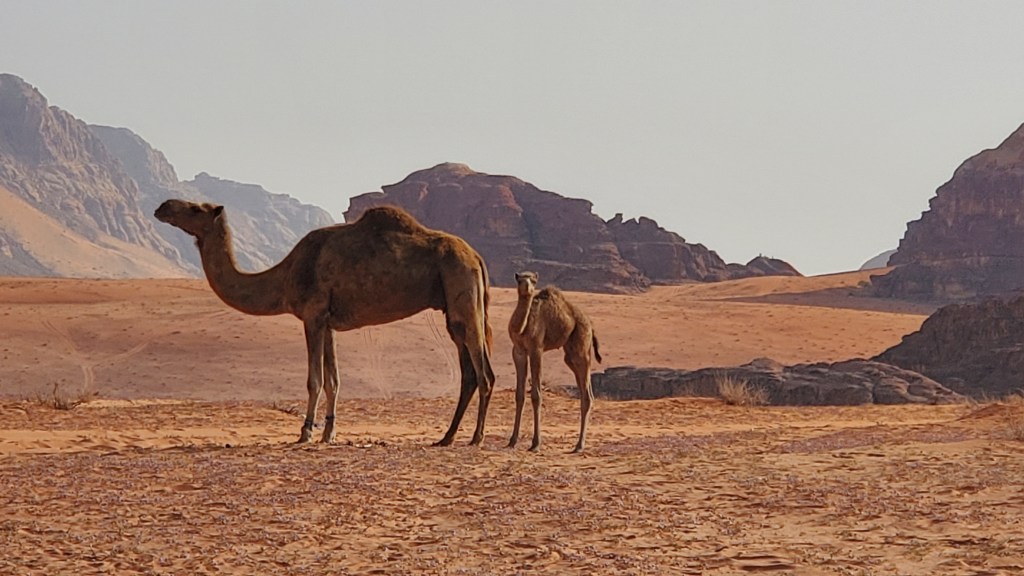
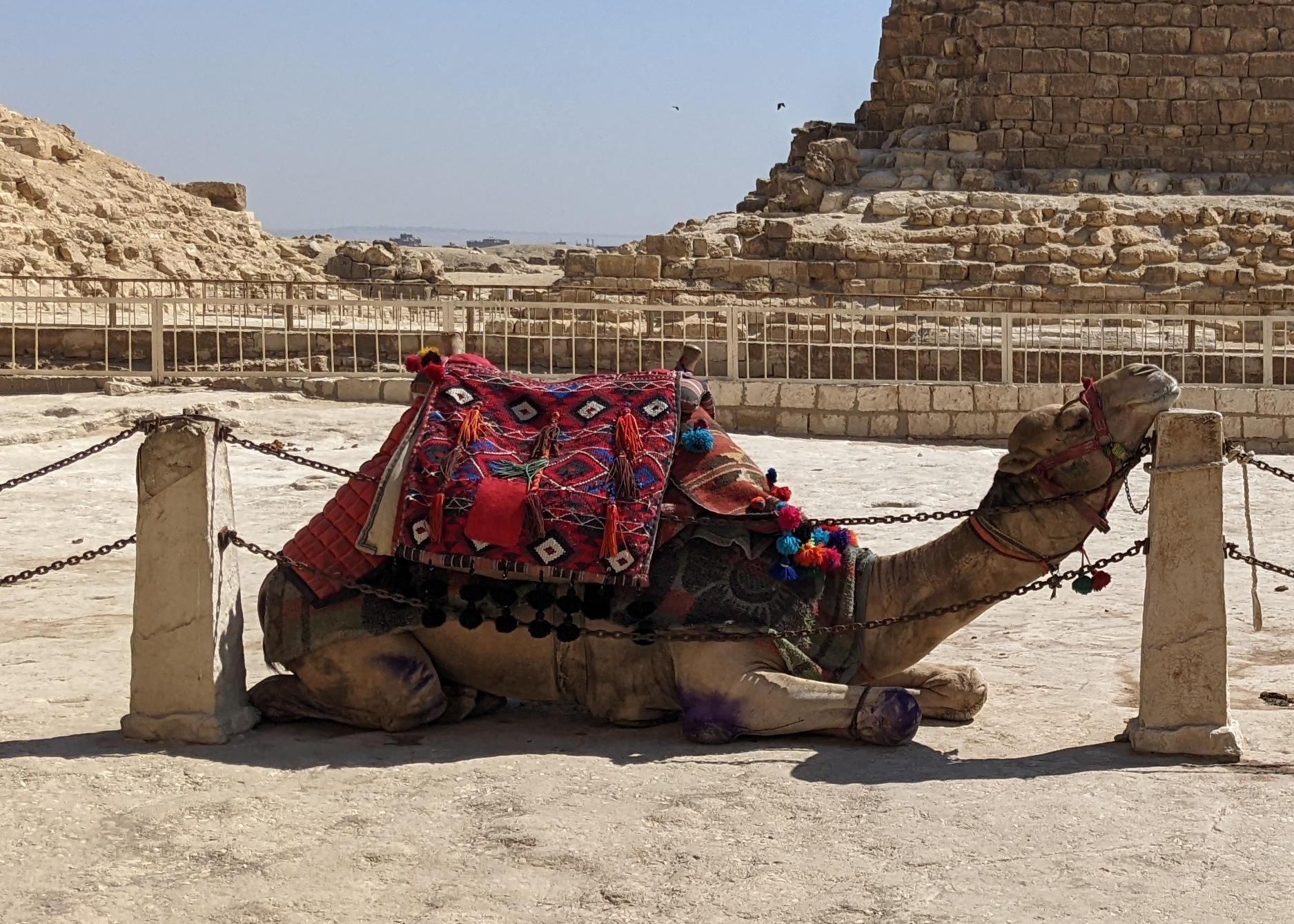
We have now seen camels like we see deer back at home.
I surrender. The desert actually has lots of flora, even if it not easy to see through a wide lens.
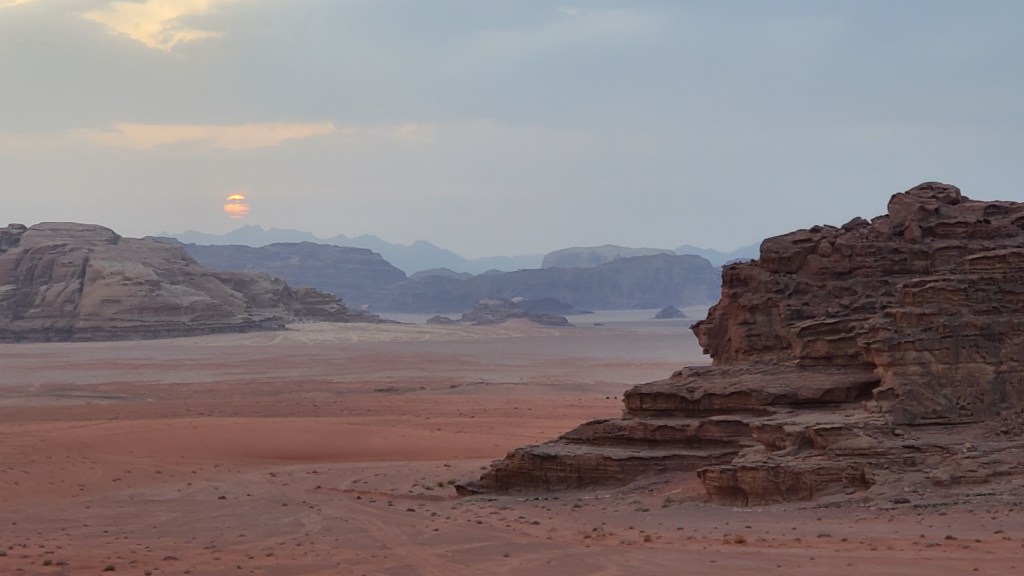
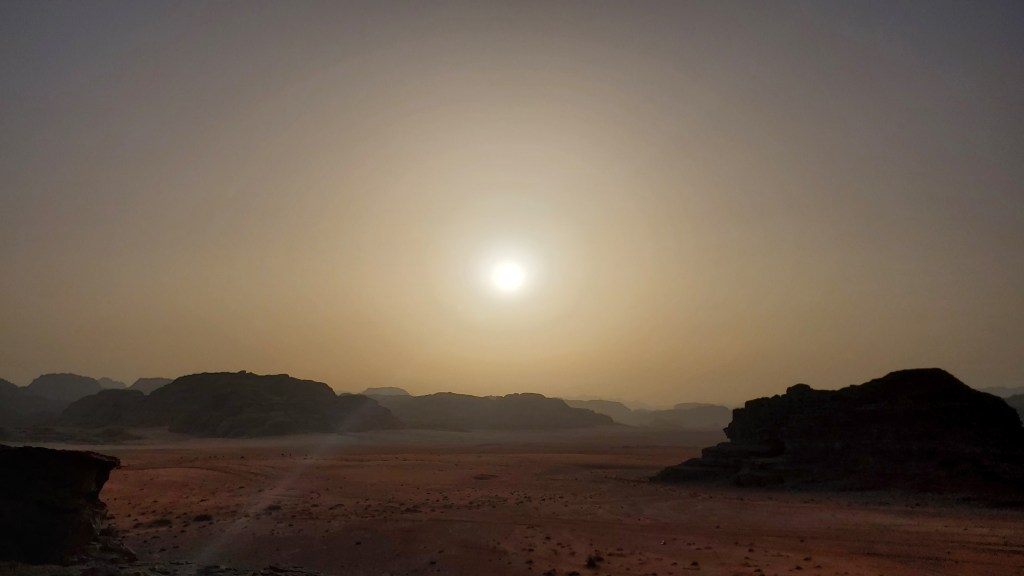
Sunset over the Wadi Rum.
It looked like this no matter which way you turned. It’s beautiful in it’s own monochromatic way.
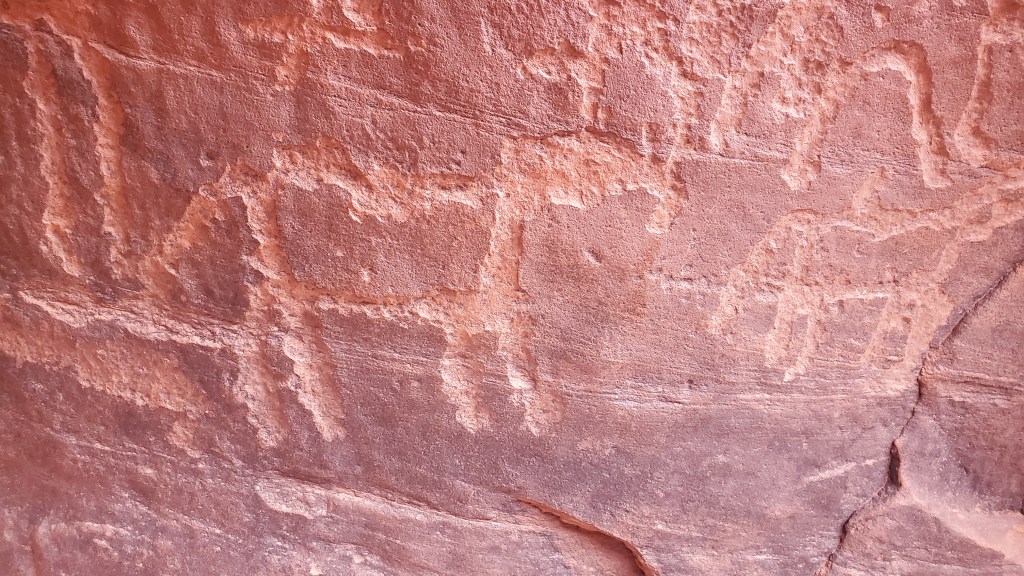
Ancient wall engravings. This is an elephant, which begs the question where elephants roamed thousands of years ago. My pictures of the woman giving birth are too dark to publish.
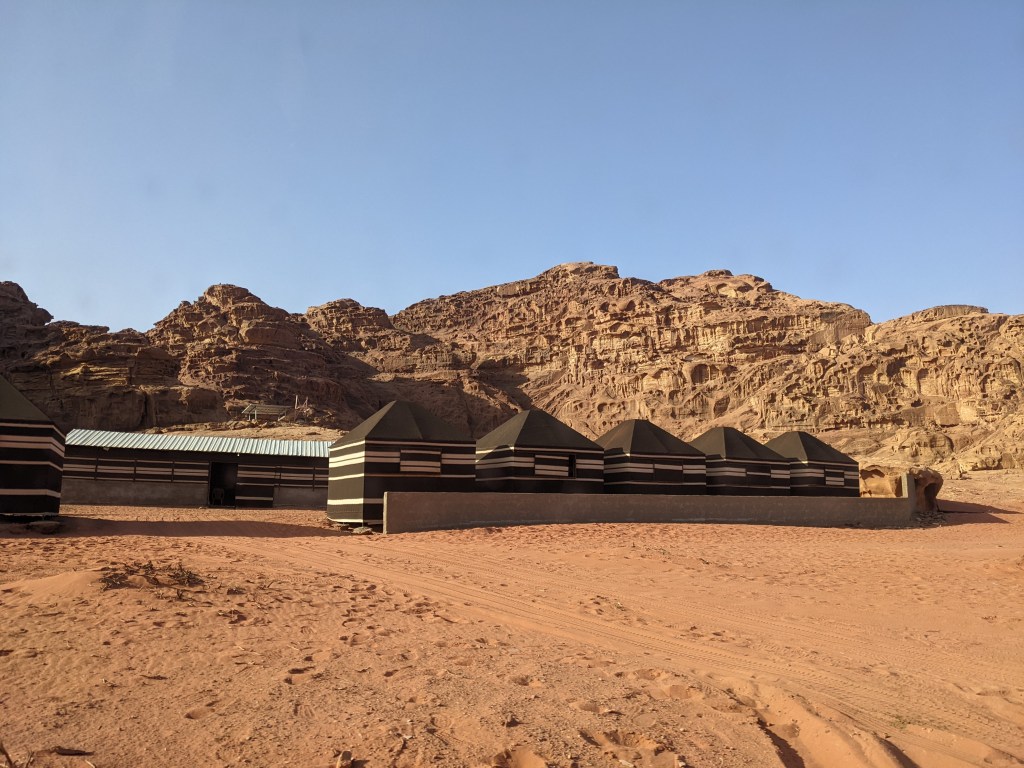
These are the 2-person tents we stayed in. The long one in the back is the lounge / dining room / warm room.
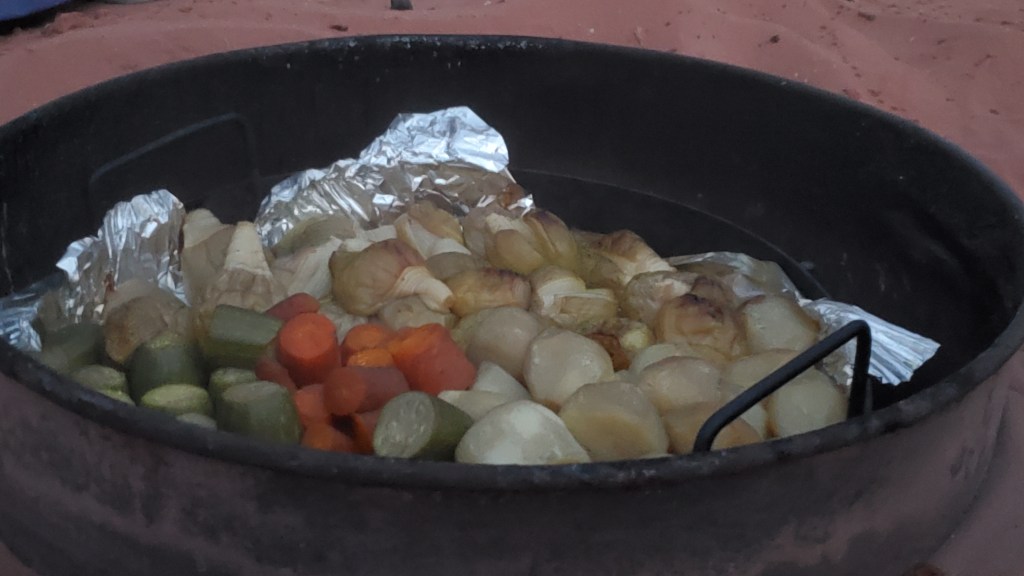
We did get to have zarb our first night. It is a delicious local bbq, done by layering veggies and meat in pans and burying it with a fire under the sand for an afternoon. True to all of our experiences so far, all the veggies offered were cooked (blech, as quoted by youngers) and there was a lot of dry pita bread and non-sweet foods. Luckily, we brought a tine of cookies and another tin of baclava for our two days here.
The sheik had chosen his camp a location of both sunrise and sunsets over the rocks. I did not get my cold self out of bed to witness the first, but we enjoyed the evenings.
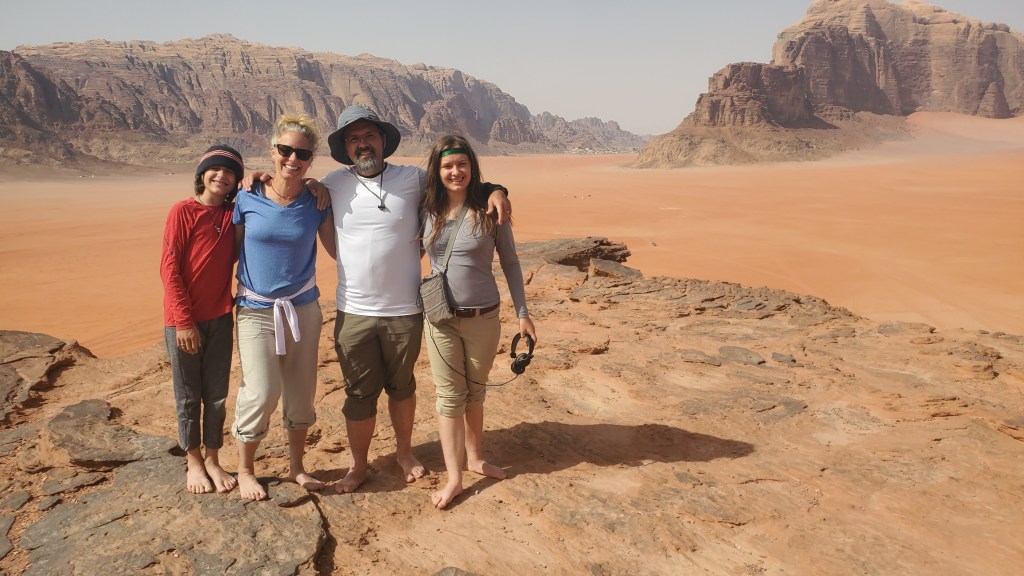
Dwayne sincerely enjoyed the beauty of Wadi-Rum. It grew on me, but so do warts.
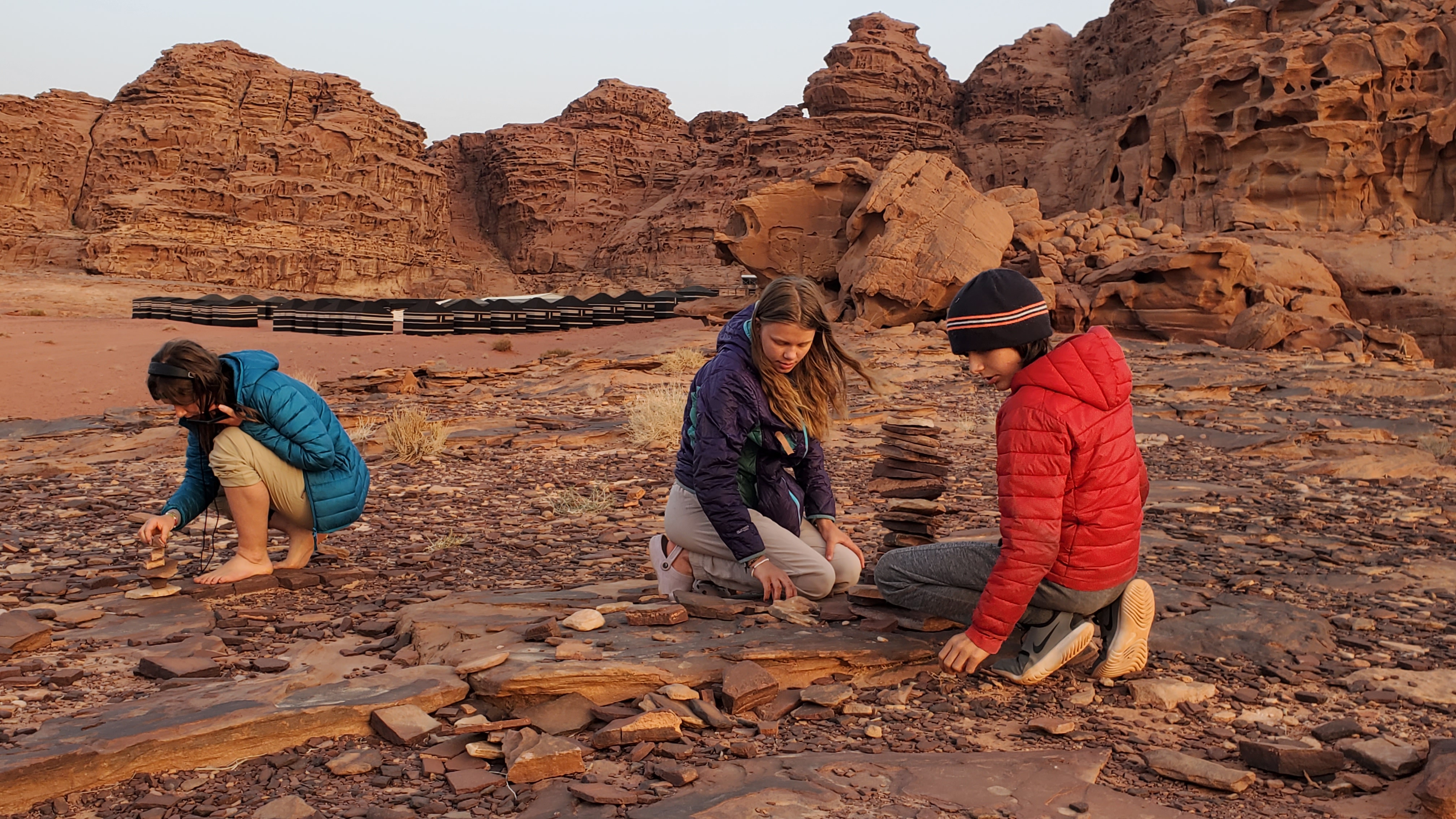
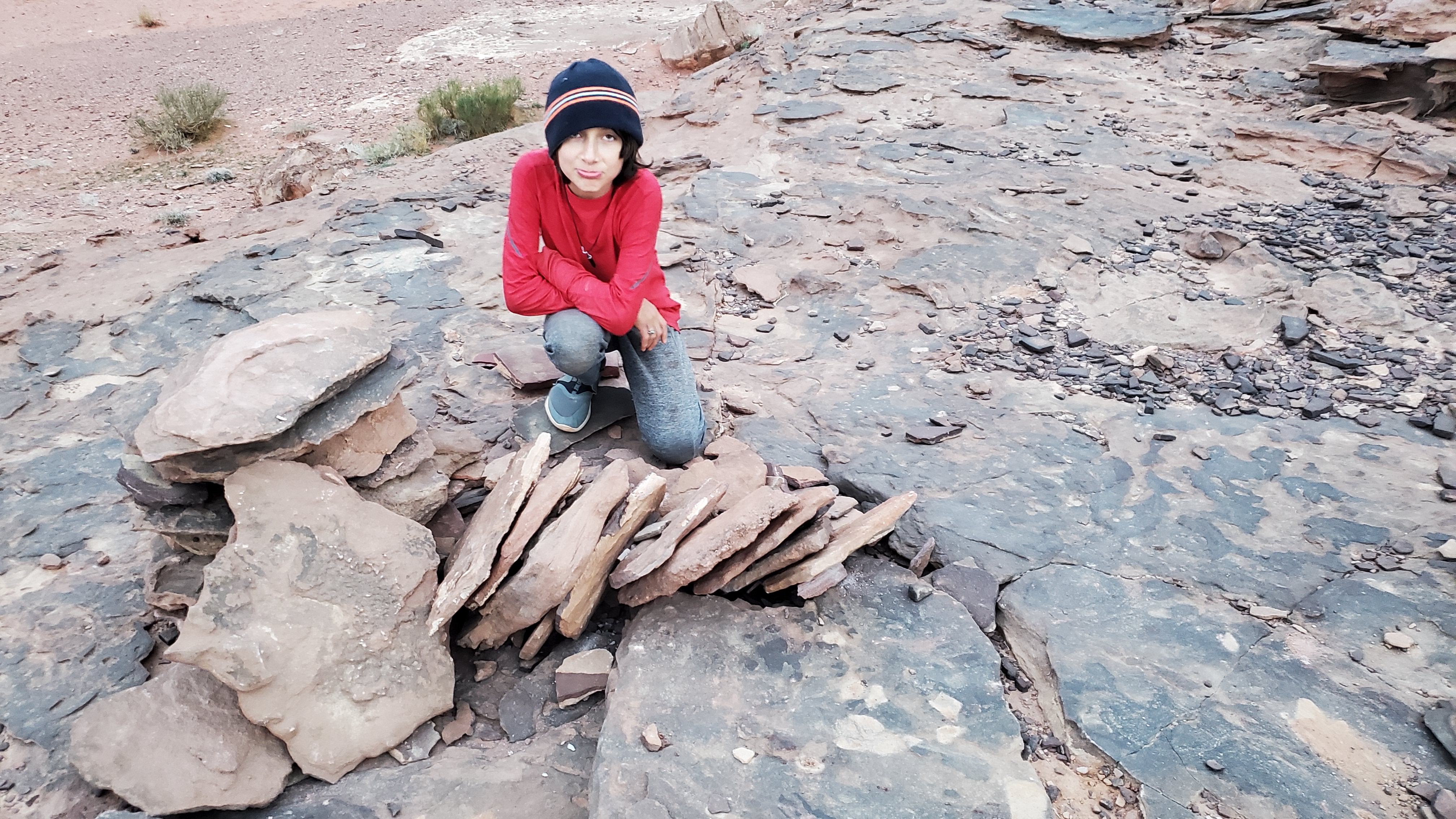
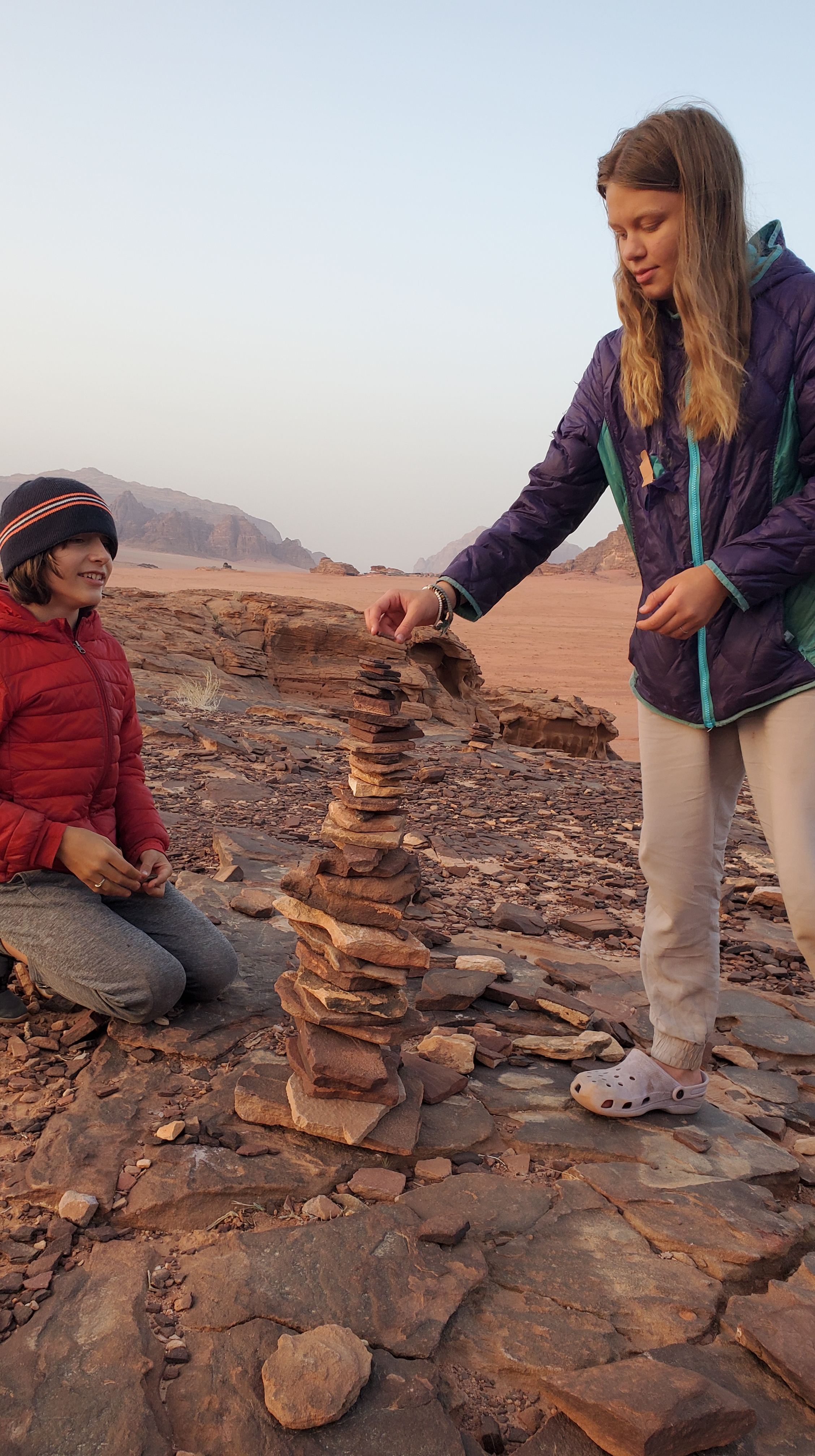
Wes and Piper, perhaps bonded by misery, were determined to build the tallest cairns on the rock where we watched the sunset. Finding rocks that neither could lift separately, they moved them together. And they got to 40 rocks tall (aiming for 47, the age of their parents) before gleefully witnessing The Fall.
The Wadi-Rum was an experience I’m glad I had, now that I’ve had a hot shower and a good night’s sleep. Next up is the reason we came to Jordan: Petra.
*Again, a coined word that makes sense in this context.
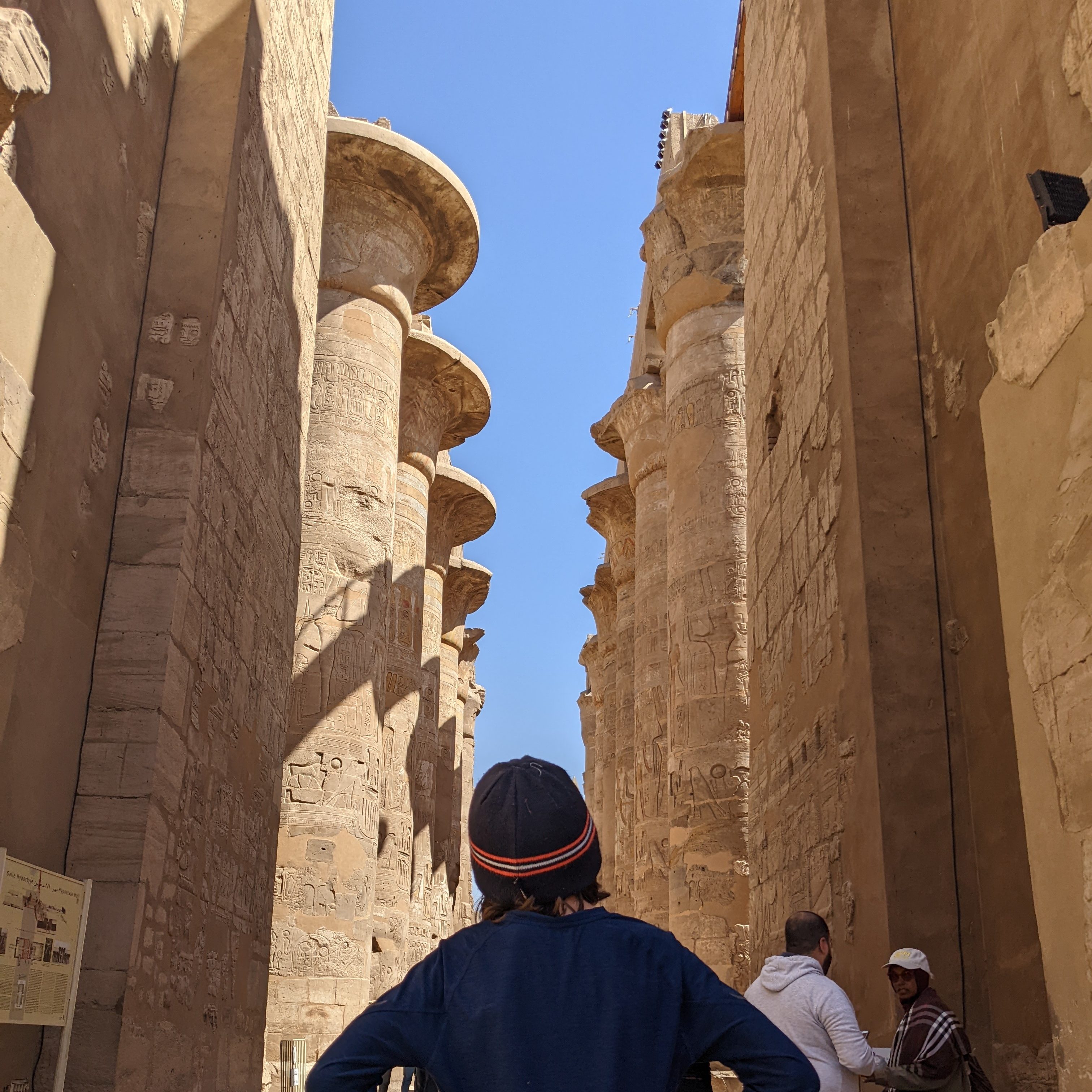
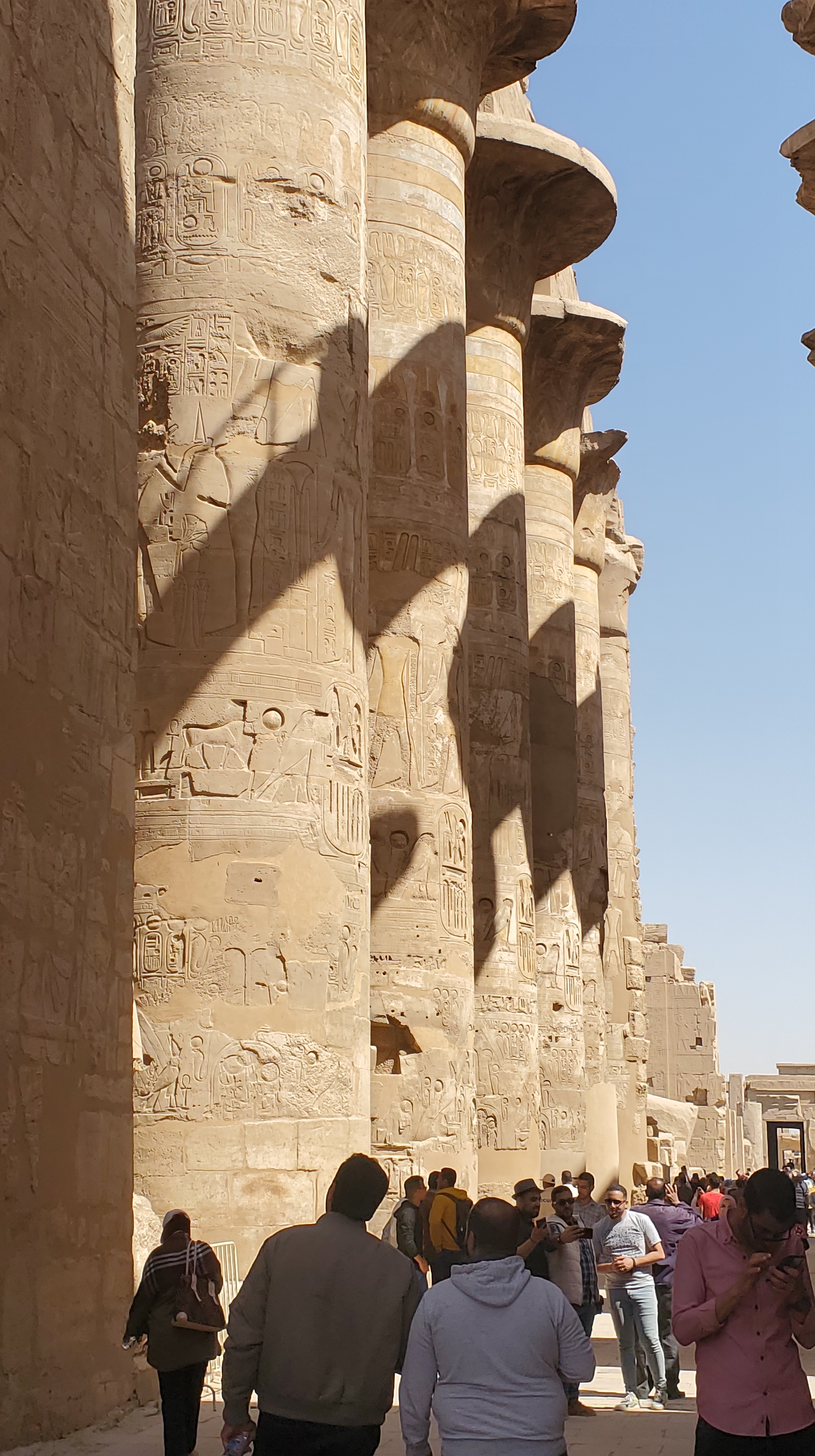
Wes stars at the giant pillars at Karnak Temple in Luxor.
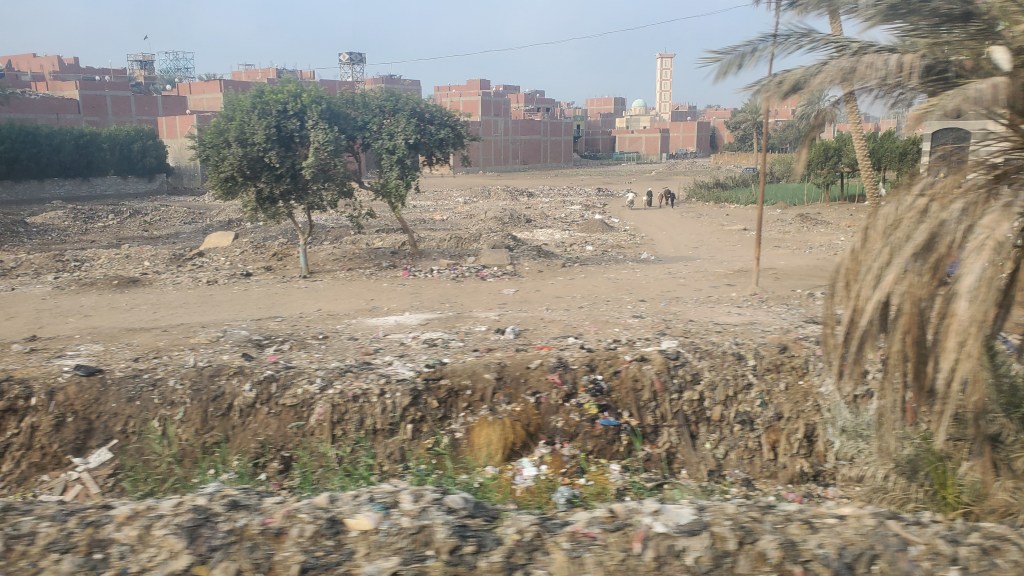
… and we were surrounded by this:
Taken from the train window. There was no irrigation ditch, tributary, path, sidewalk, road, curb or front yard that was not covered in litter.
I found myself very fond of the sight of a distant mosque among palm trees, a lone camel grazing near the Nile, the sand becoming lush fields jutting against the river. I loved the sense of turning a corner and stumbling across another ancient ruin.
My enthusiasm diminished when there was far more trash than splendor or when I had to look straight ahead and ignore all the sensations of the suq to minimize harassment. I have no regrets (other than accidentally using Dwayne’s toothbrush and catching his cold!) of our North African adventures. Egypt was absolutely worth doing, but now that it has been done, my Amelia Peabody* itch has been thoroughly scratched.
*Amelia Peabody is a turn of the century lady-ish Egyptologist, created by Elizabeth Peters. While a fun read, they are best listened to as narrated by Barbara Rosenblat. The series is most noteworthy because of all the books I’ve read (and since childhood, that number is certainly in the many thousands), her son, Ramses, is my absolute favorite literary crush. Peters also created the longest and slyest literary joke I’ve ever come across, as she cross-references herself and Amelia in another of her series. Amelia and her family spend lots of time in the turn-of-the-century Valley of the Kings, Karnak, Cairo, Thebes (present-day Luxor), the Egyptian Museum and the Egypt wing of the British Museum (where we also toured in 2019), while working along and against other real-life Egyptologists.
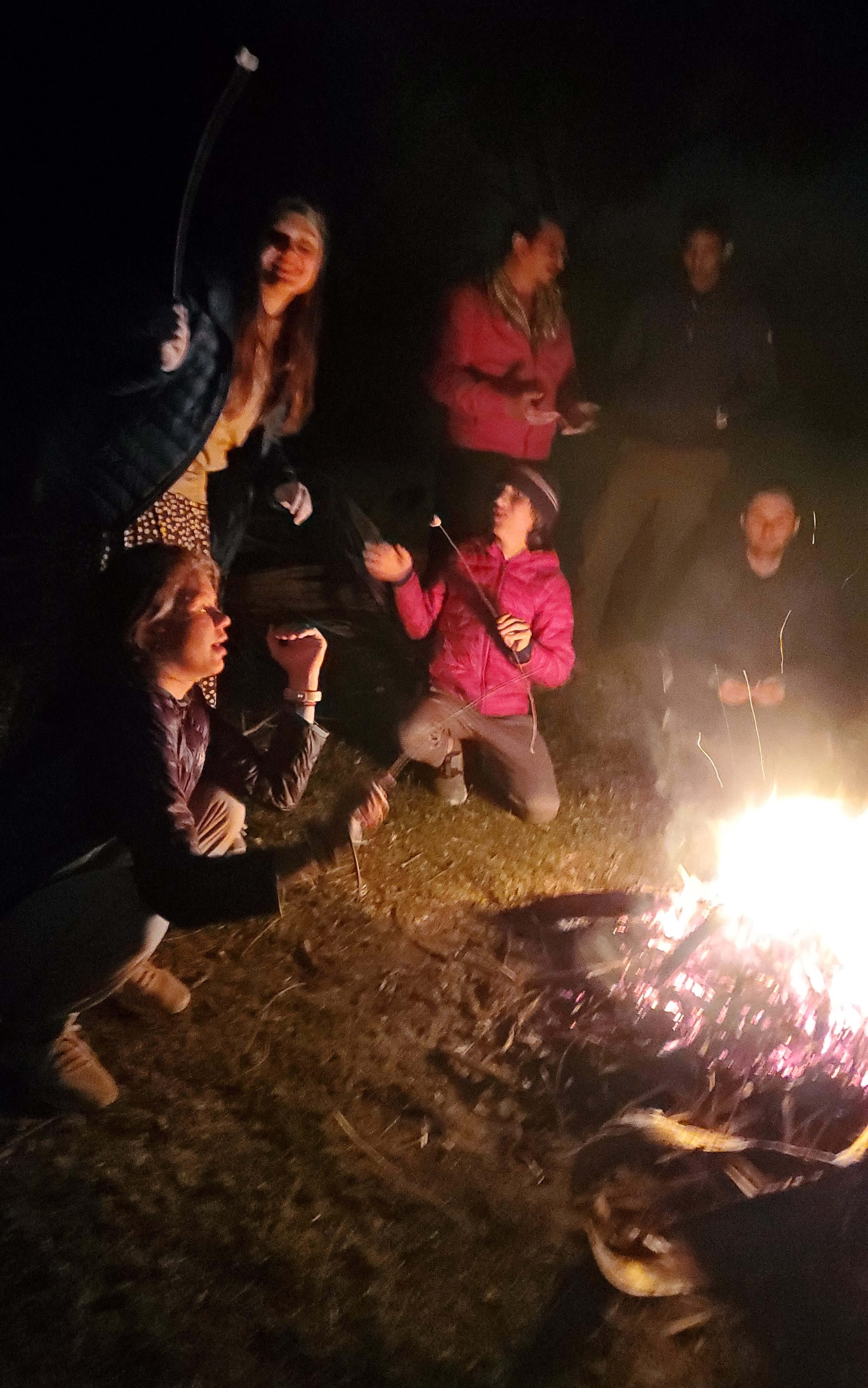
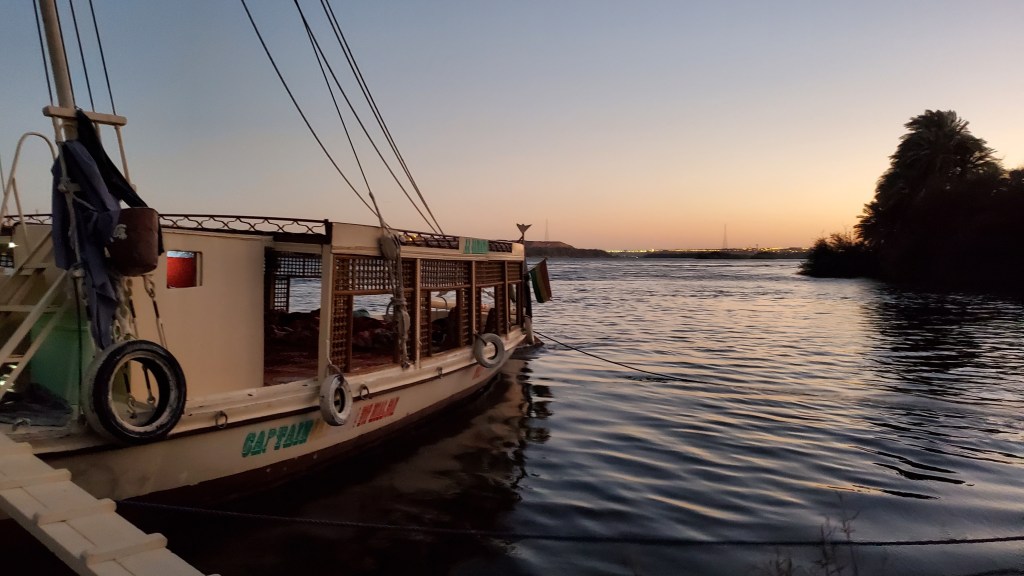
We loved the felucca and wished it had lasted past an early breakfast. Another tour group camped on the same bank we did and used fallen palm branches to start a campfire. Our guide had picked up a package of Egyptian marshmallows (much smaller, don’t puff up, but gets golden and tastes sweet) and the party group had a wireless speaker, bad 80’s music, and they weren’t afraid to use either. The girls loved it, Wes gorged on marshmallows, and I think it will be a memory will all recall fondly tomorrow and in twenty years. And with enough blankets and clothes, we didn’t freeze that night. [Allegedly, it was hot last week, but we’ve rarely taken off our puff coats this week.]
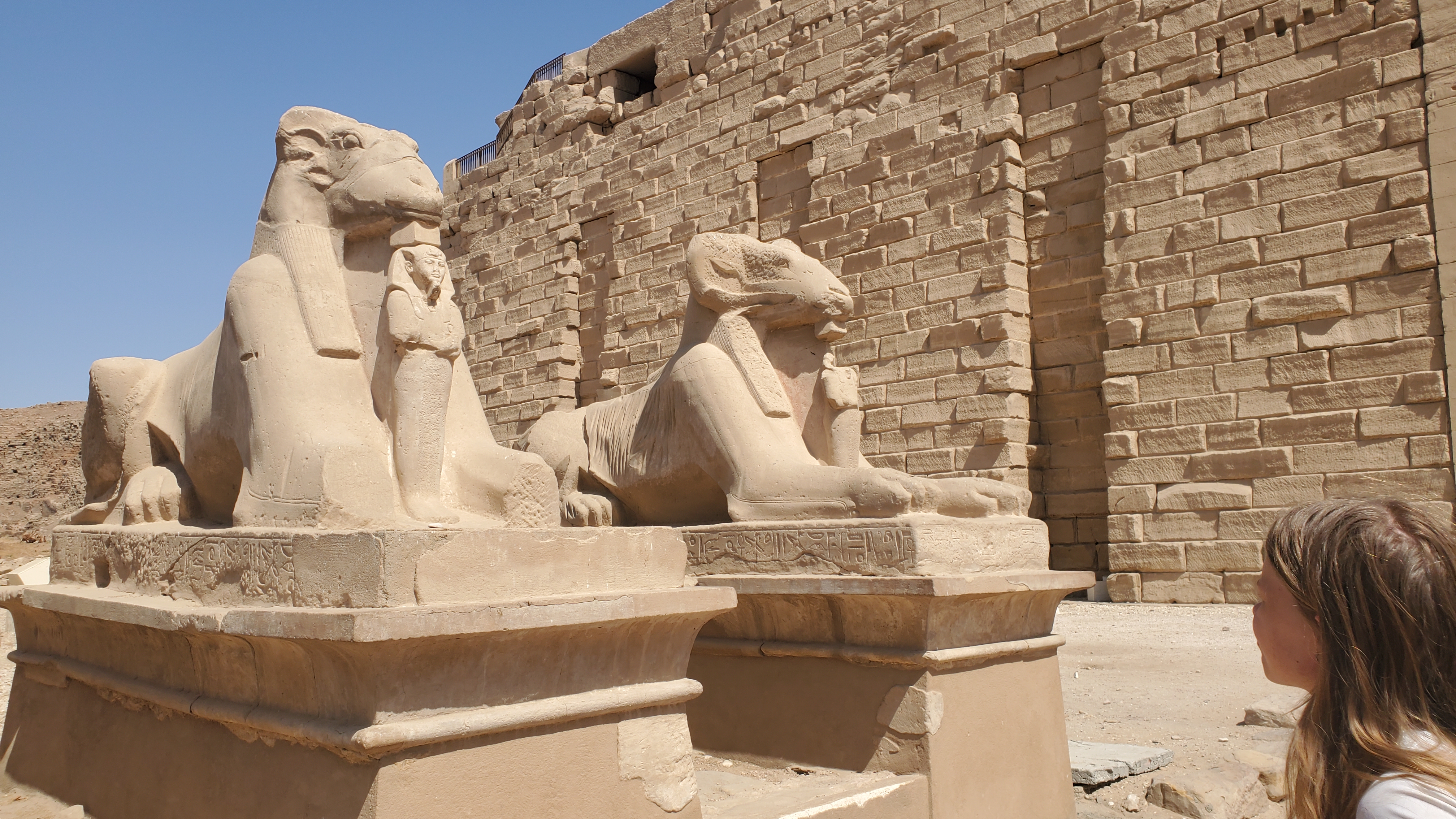
It is lucky to circle the Giant Scarab statue at Karak Temple seven times, counterclockwise. Wes whizzed through.
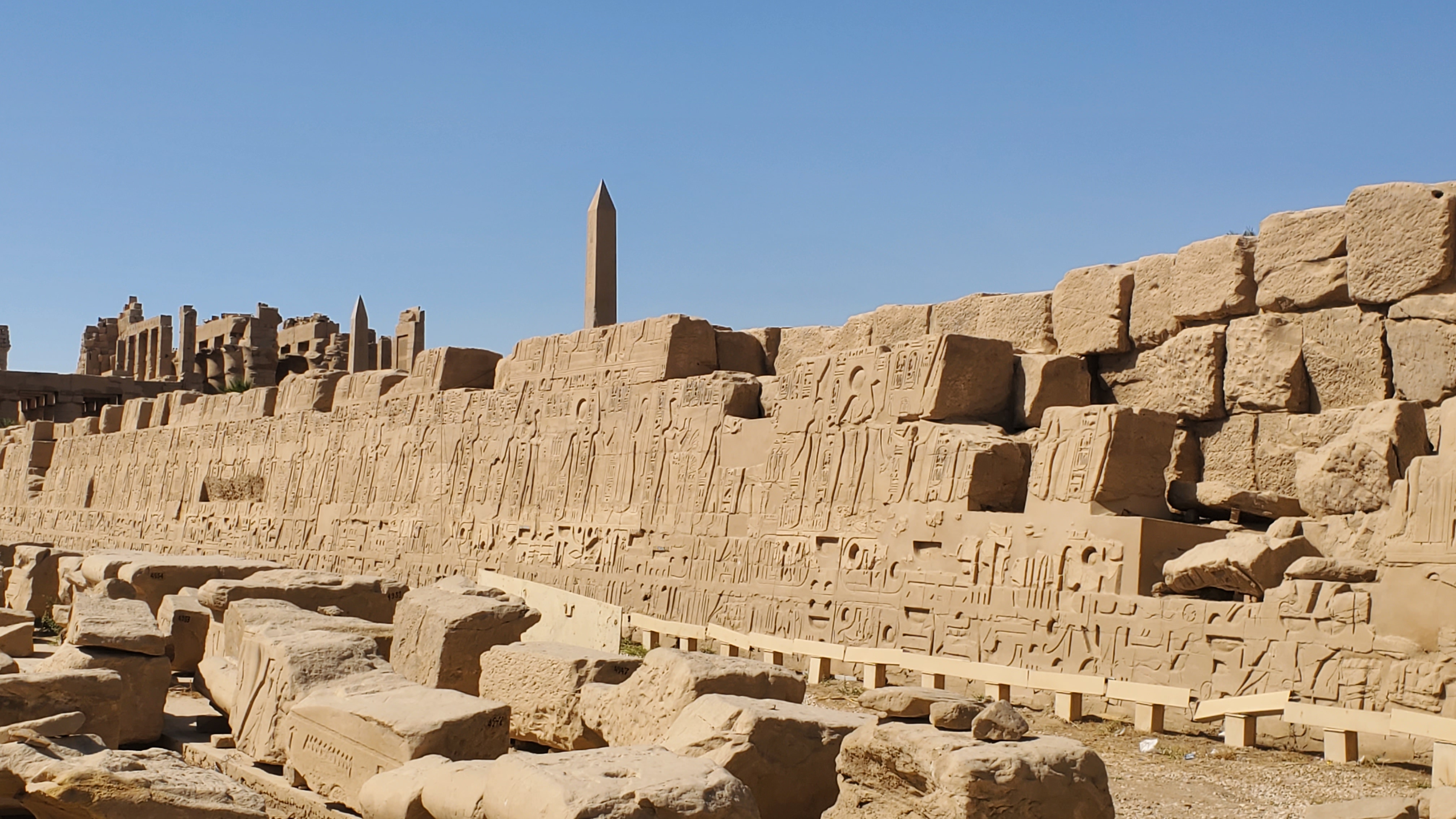
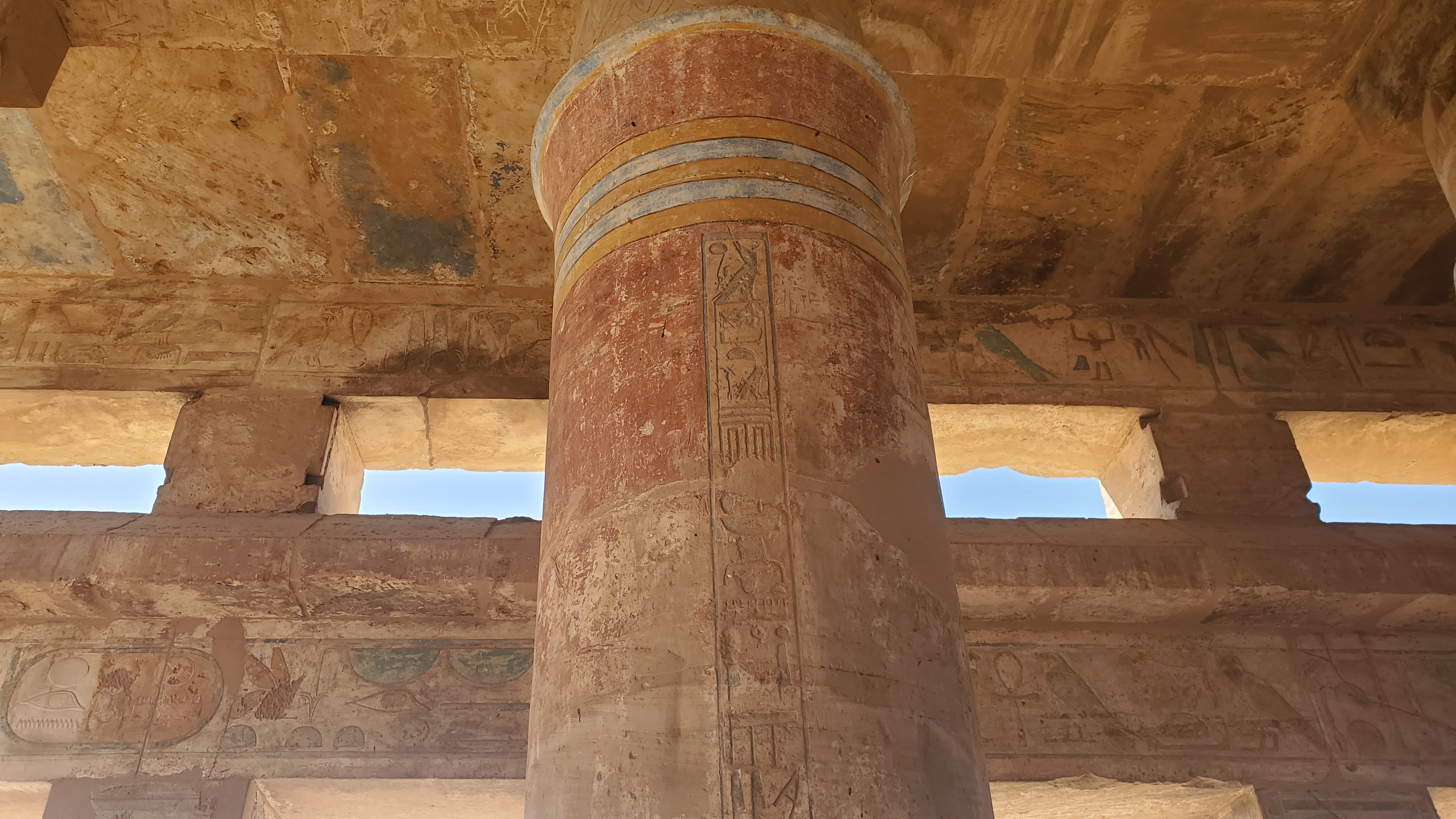
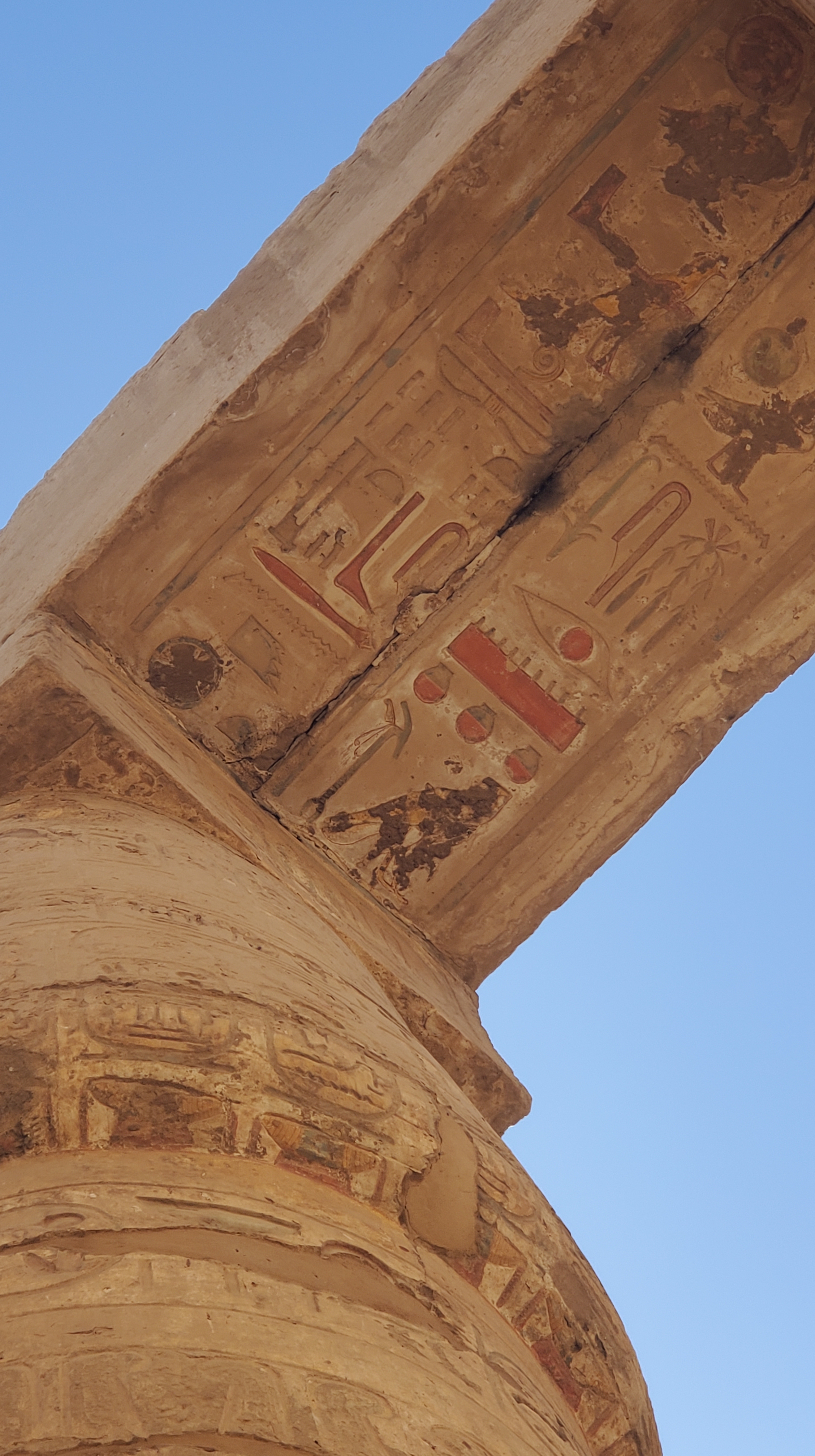
The drive to Luxor from where the felucca stopped was the Five Hours That Broke Our Kids in Egypt. We bribed them with anti-whine ice cream to spend a few hours at Karnak Temple, a structure that was added onto for 2000 years as king after king “humbly” built temples for their gods. We saw some of our first images in their original colors—what a difference it made, and one can begin to imagine how stunning they were in their first millennium or so.
Next to our hotel is the Luxor Temple with its recently semi-restored Avenue of Sphinxes that runs from it to the Moon Temple at Karnak, about 3km distance. This is my view as I type this.
Today, we ended our tourist time in Egypt with a trip to the Valley of the Kings and the City of the Workers. There are logistical issues with building a new pyramid complex for each new king and by the New Kingdom era, pharaohs were building caverns into a pyramid-like hillside. Workers were blindfolded on the way there so they wouldn’t know exactly where this giant underground treasury was (but at least not killed upon completion). This is where King Tut’s tomb was found. Because each burial was top secret, when a new king would have his built, it sometimes ran into an old one. Tut’s was a relatively small one built accidentally between two bigger ones. If you were looking at the landscape and had to decide where to start digging, you probably wouldn’t choose this tiny area between two other tombs, which is why many think King Tut’s puny burial site was the only one –so far— that has been discovered intact over so many millennia.
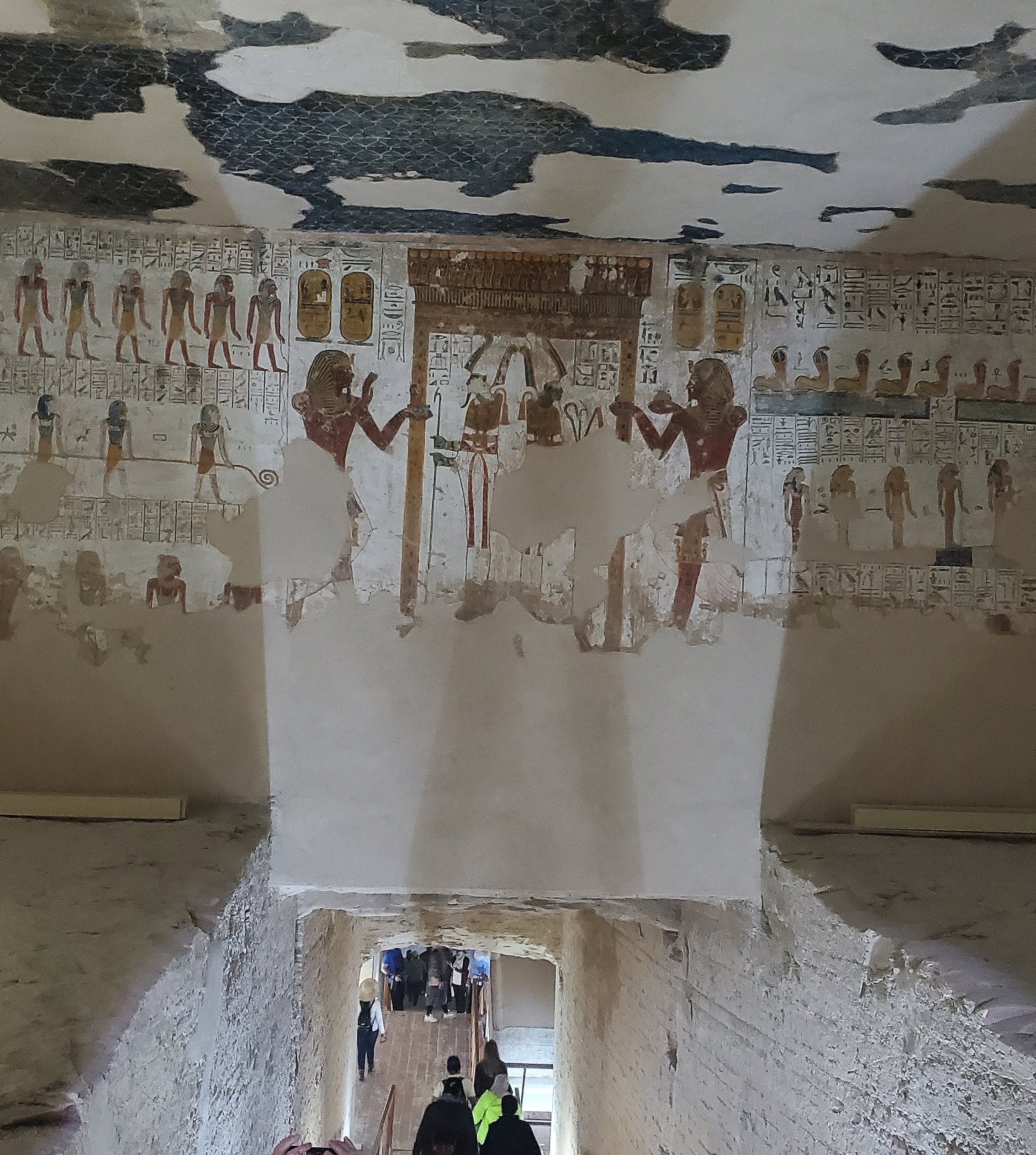
If you flip your brain inside out, you can see that this is an underground view of the 62 discovered tombs in the Valley of the Kings. Like the pyramids, the entries can be quite long and narrow to get to the actual chambers and tomb. The vary in size, and some are just glorified holes and one has dozens and dozens of rooms.
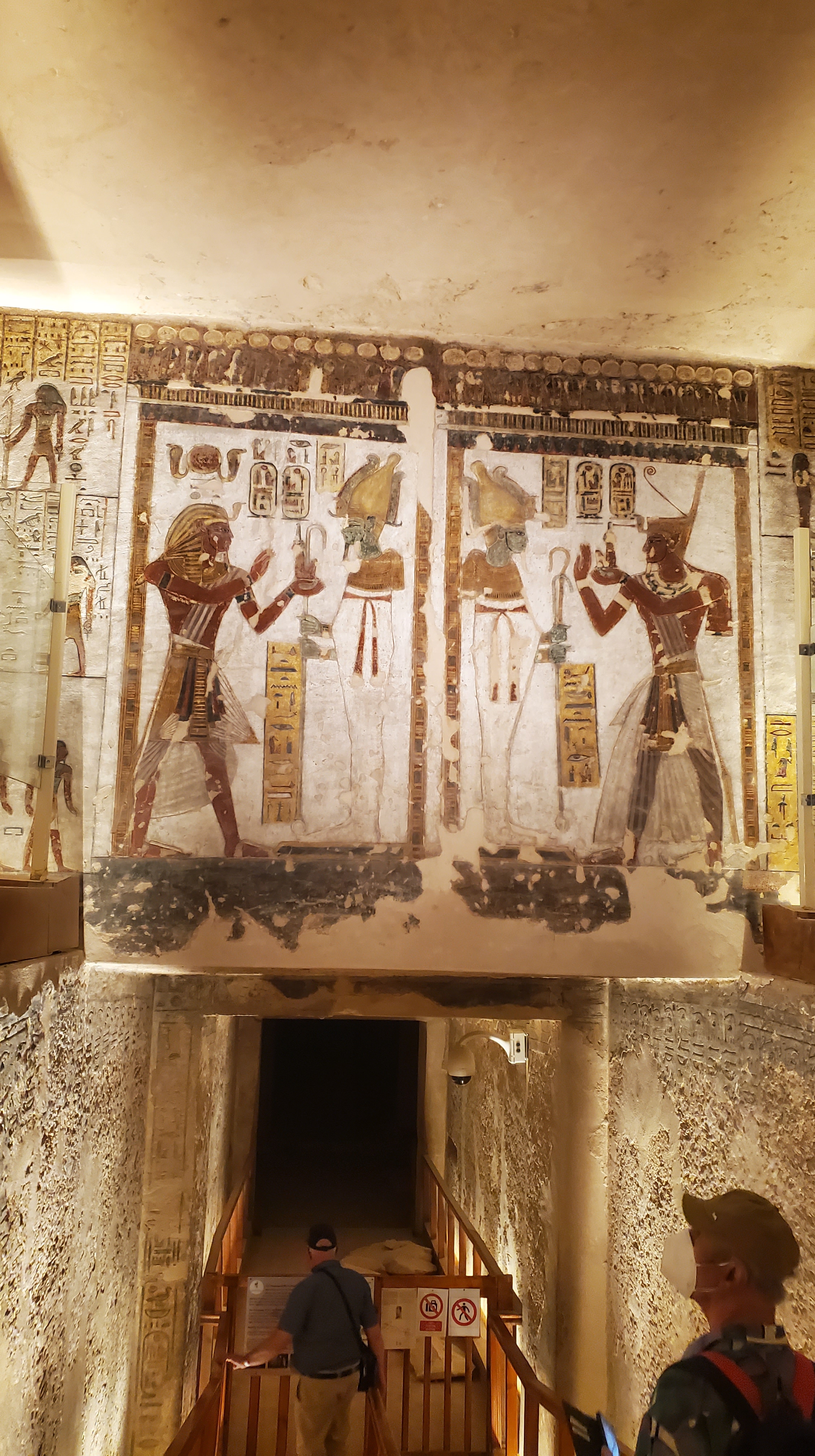
A ticket gets you into 3 of about 7 tombs that are currently open (there’s a rotation). Mohamed, our guide, told us the three to visit and in what order and we have no regrets. First of all, we got to see so much color. It’s really like going from black and white TV to colorvision. And in all that, we saw a few odd things:
The City of the Workers is interesting as it is the only site where “regular people” residences have been found. The top workers got to build their own burial chambers—these were so much smaller than the kings, of course, but fascinating as the three we got to duck into were colorfully painted. They were made of straw mudbrick and were not engraved, but the scenes of paradise, a guarantee for all non-pharaoh people, are a bright and unique antiquity.
And that was our last bit of Egypt. We take another sleeper train back to Cairo and will head to the airport tomorrow. I hope to gather my thoughts to prepare myself for filling up my brain with Jordan!
This is our fifth day in Egypt, and it has been ripe with experiences.
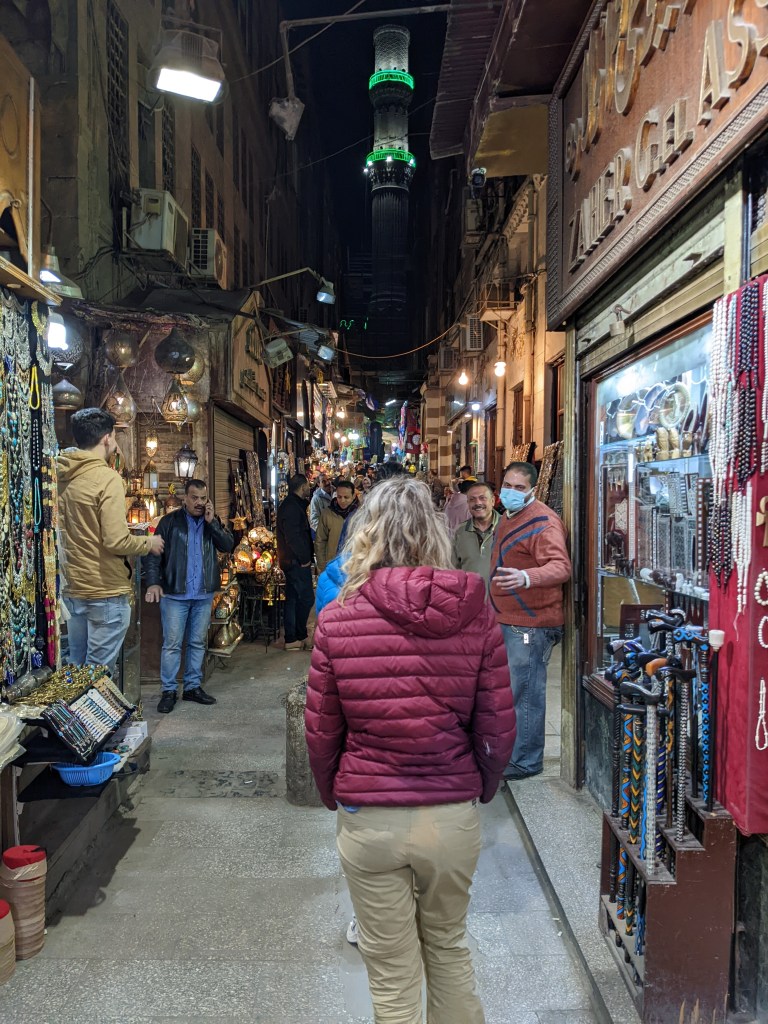
Cairo bazaar
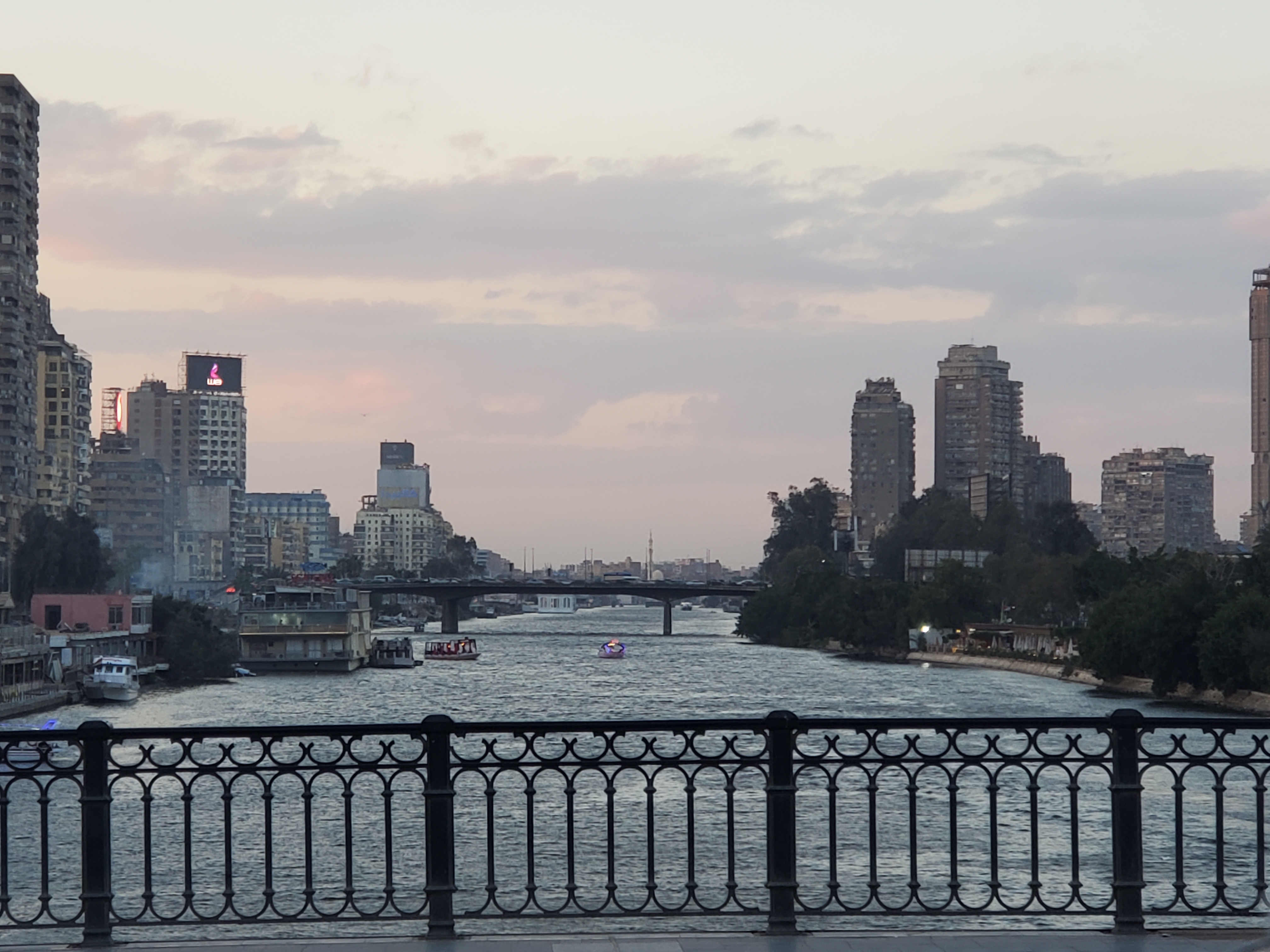
Dwayne and I explored a few kilometers around our hotel the evening we landed, and we didn’t get maimed or killed. It’s cute how we thought Nairobi was dirty and brimming with crazed drivers and unflappable pedestrians/vendors in the middle of freeways. Add 15 million more people, the smell of dead cats (because, you know, of what happens to all the living ones), and oh-my-f-ing-Nefreti, the Nile! …and you have a decent approximation of Cairo. It was exhilarating.
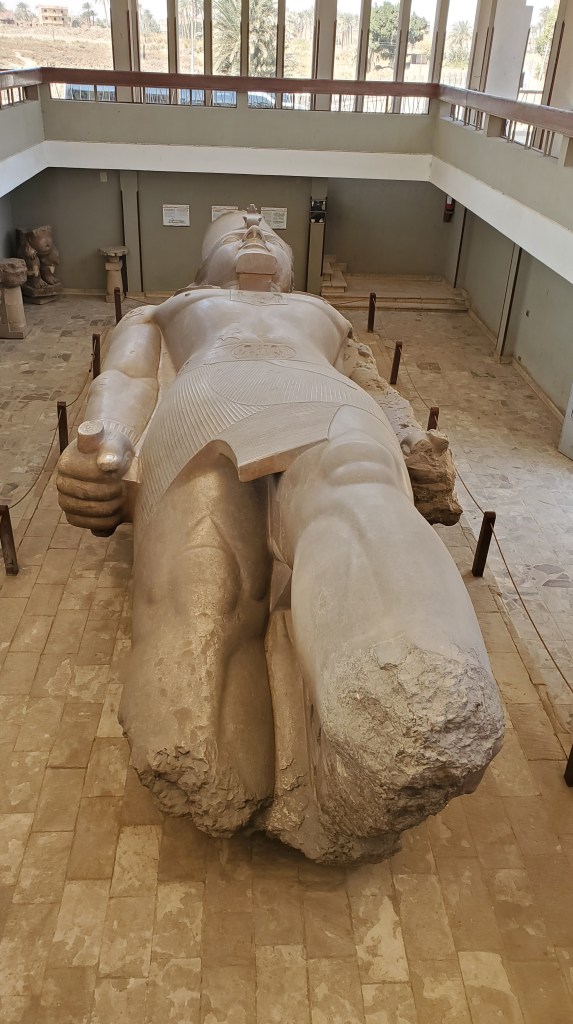
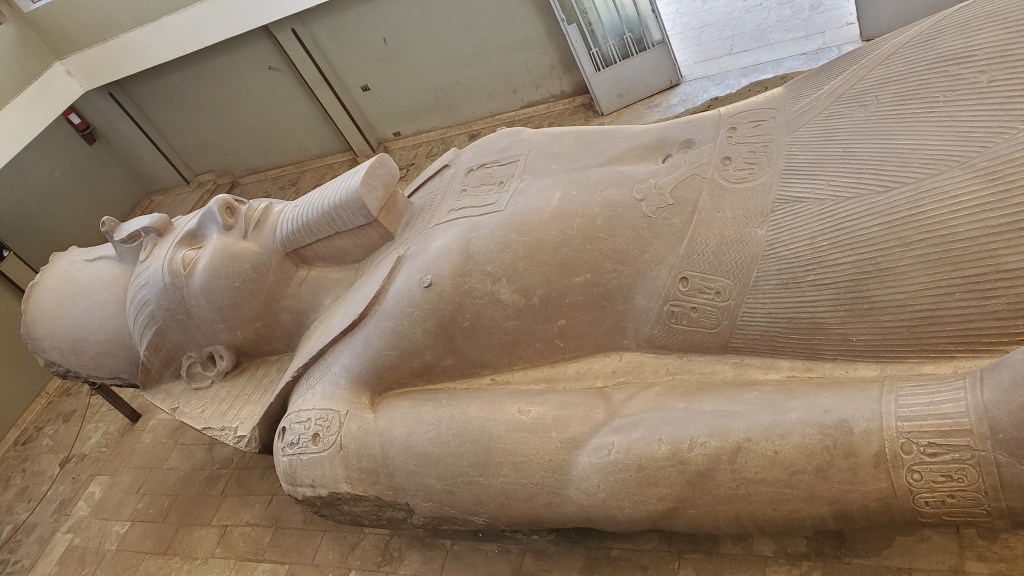
This Ramses II statue was found face down in a puddle somewhere.
We met Mohamed, our tour guide for Egypt, and the six of us explored Memphis and Saqqara on our first full day. Understatement: Memphis is old. While it didn’t become the capital of a united (Upper + Lower) Egypt until about 3100BC, it probably existed, in its prime location on the Nile, about 8000 years ago. Even when it wasn’t the capital after a thousand years, it was still an important city such that Ramses II (most famous/powerful/successful/ egotistical of all the arrogant 170 pharaohs) erected two huge statues of himself in Memphis and he died in 1200BC. Ancient Egypt can throw thousand-year increments around like the US tosses billion-dollar price tags.
There are three interesting things about the Memphis outdoor museum:
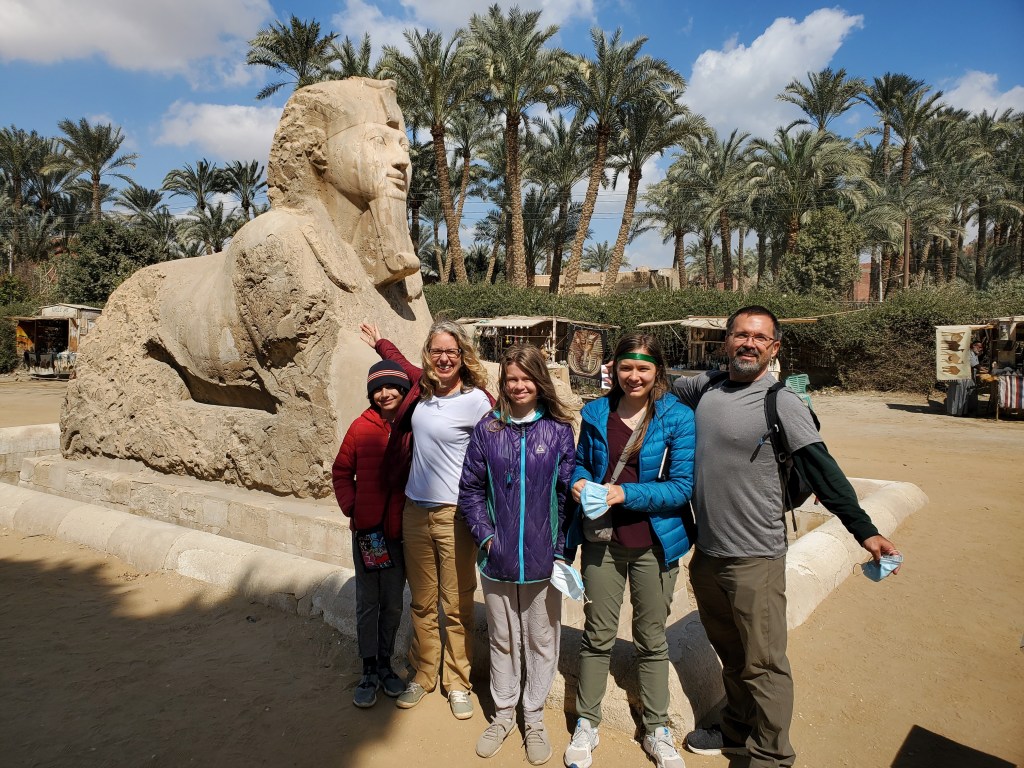
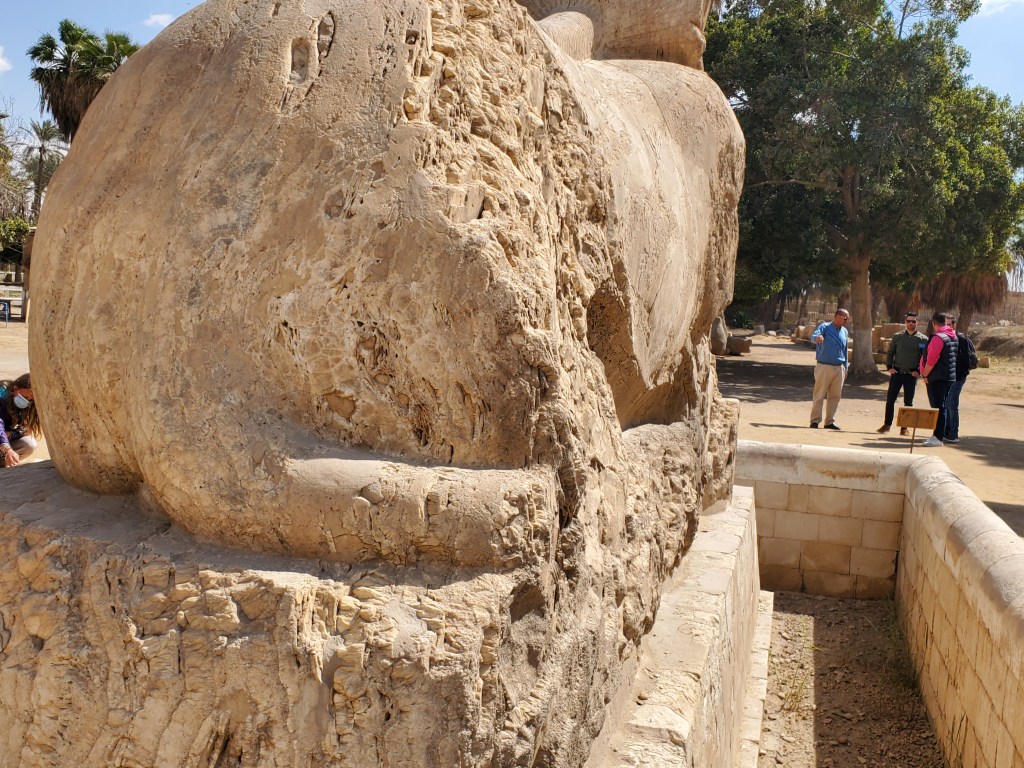
The 2nd largest sphinx (like a mini-me, and in better shape). It was excavated exactly where it was found, which is why the base is so deep. The museum was built around it.
The mostly intact Ramses II statue, rescued from it’s face-down position in a mudpuddle.
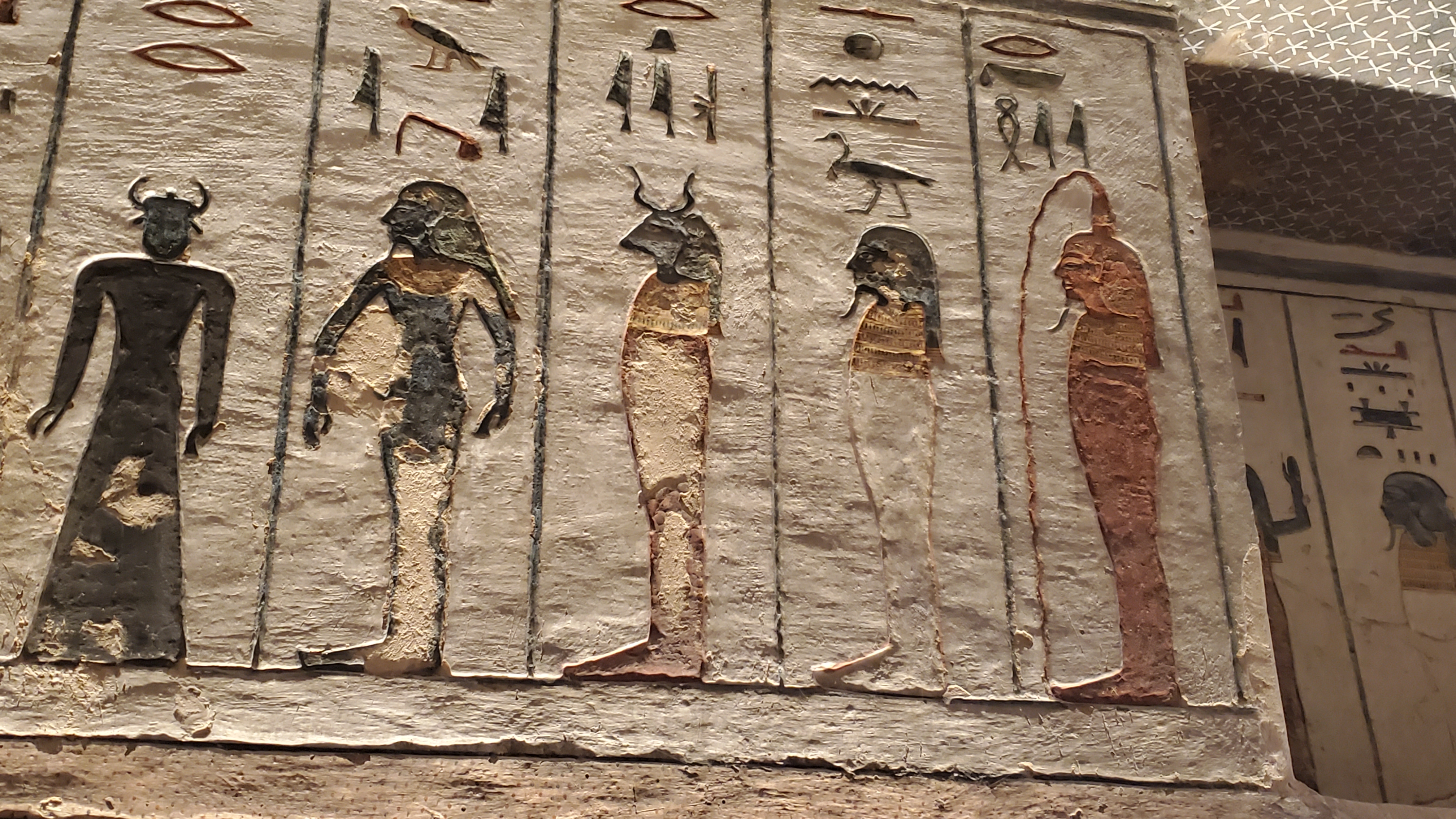
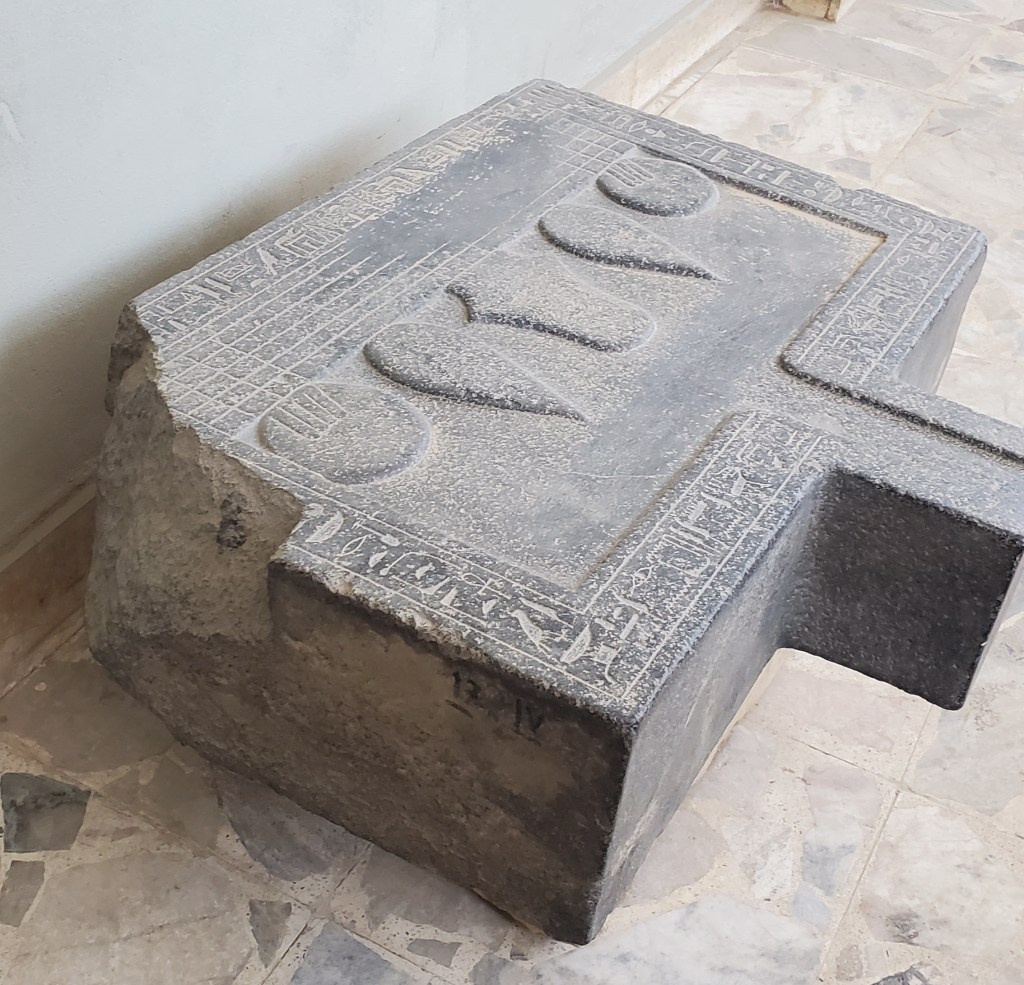
The casual remnants of ancient sculpture, hieroglyphs, treasures places around the yard. (The last one in the slide show is an altar with depictions of after-life necessities and the hieroglyphics on the edges are the spells to make those items real.)
Memphis alone could probably employ all the world’s archeologists for many years.
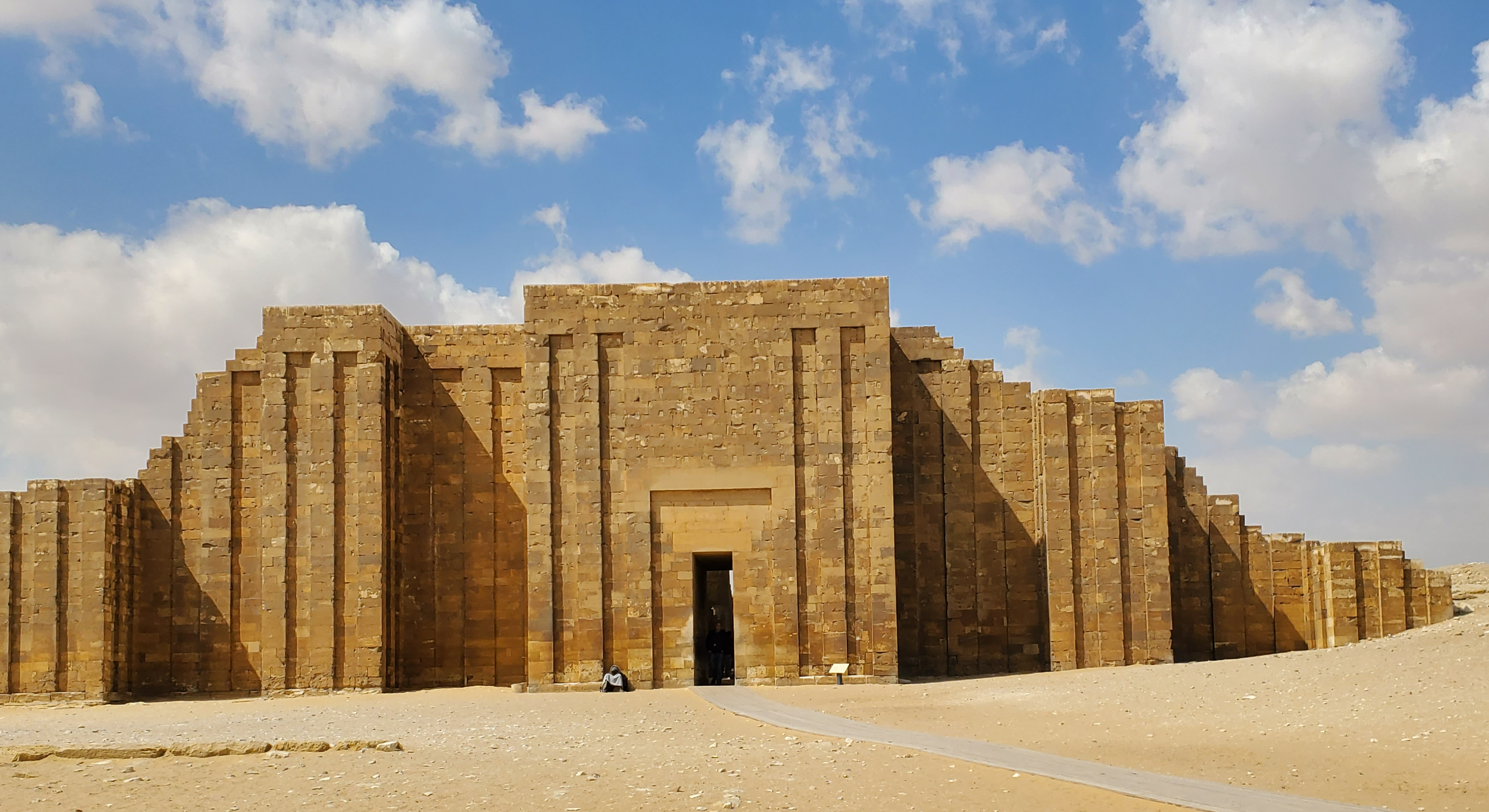
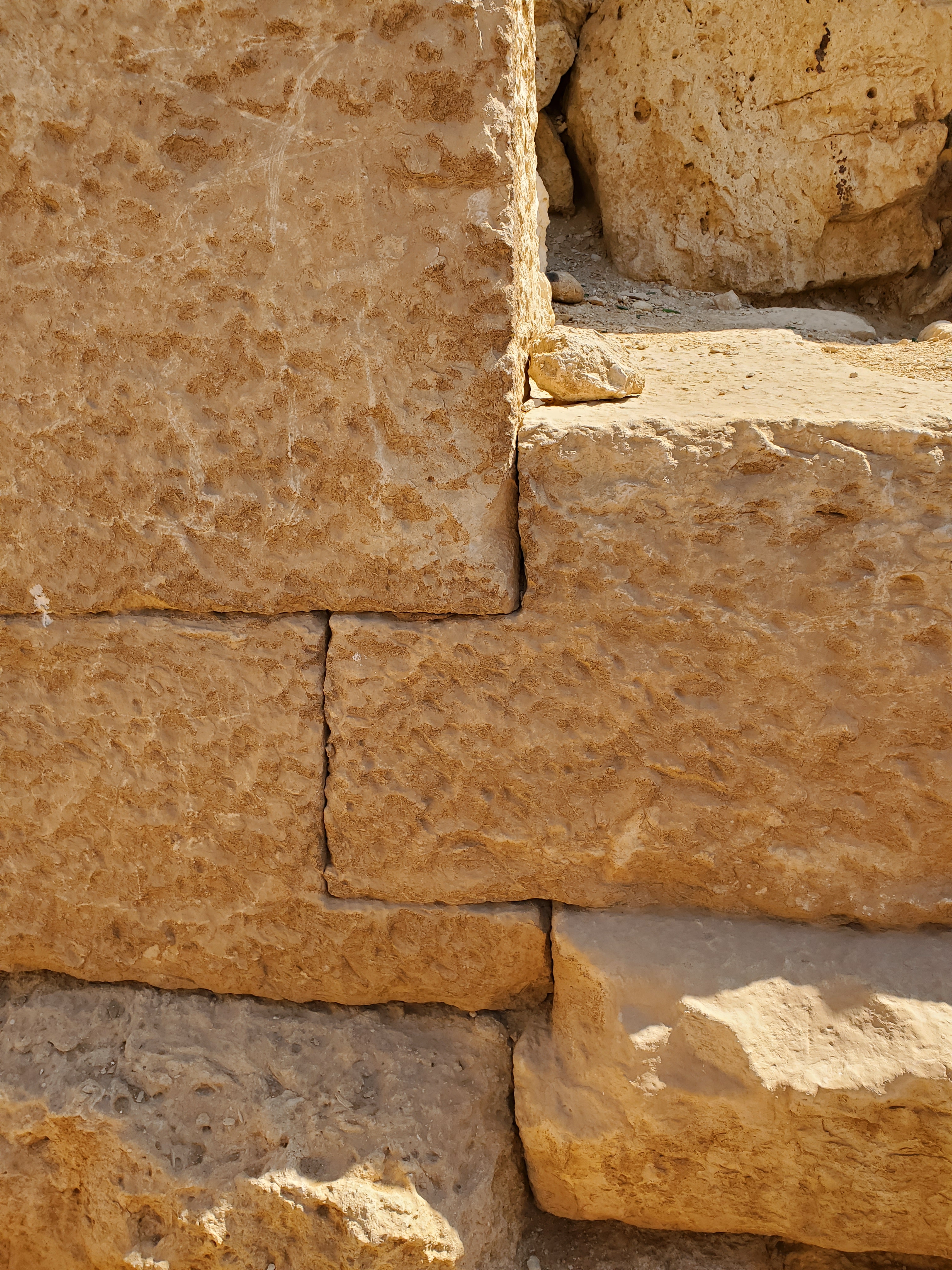
Not far from Memphis is Saqqara, in my puny understanding, the mausoleum of Memphis. This is where the first step pyramid was built. Its importance? Besides being the first known pyramid, it was the first block (not mudbrick, but cut stone) structure, possibly ever.
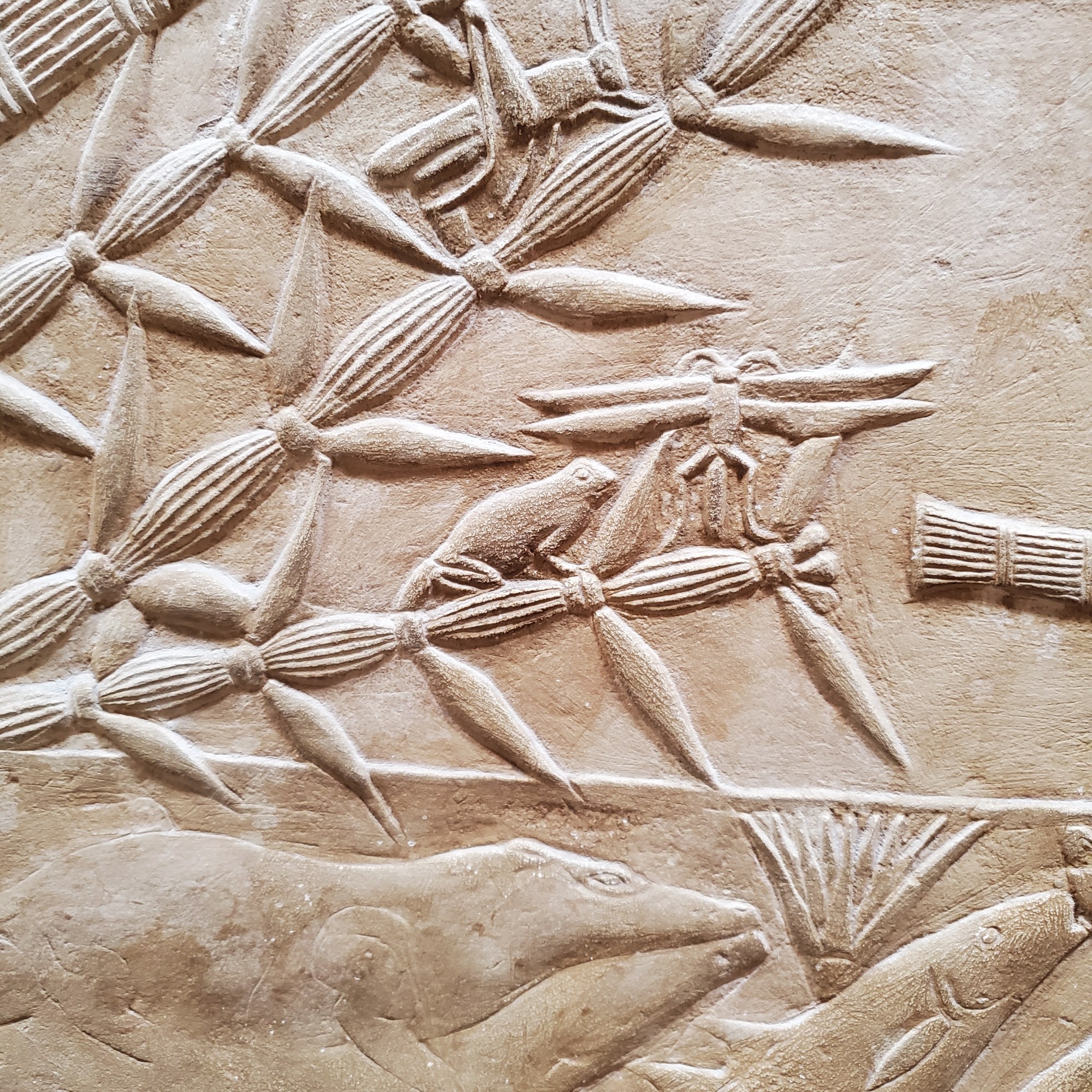
I enjoyed many of the carvings we saw inside:
One thing I’ve learned about pyramids is that they are never built alone. Even this first burial pyramid had little pyramids built for wives and daughters and his burial and mummification, as well as possible tombs for the architects. The Step Pyramid of Saqqara has part of its original fortress wall around it, which has been recently restored. Something I already knew, but didn’t quite grasp, was that the mummification and burial “stuff” is quite a ways from the pyramid, and access to the final chamber is a long stair set through the underground. You will be forgiven for thinking “iceberg” even given the hot climate.
That was about as much history as we could take for the day, and our next adventure was to visit the bazaar downtown, singeing all our senses in a cacophony of hawkers.
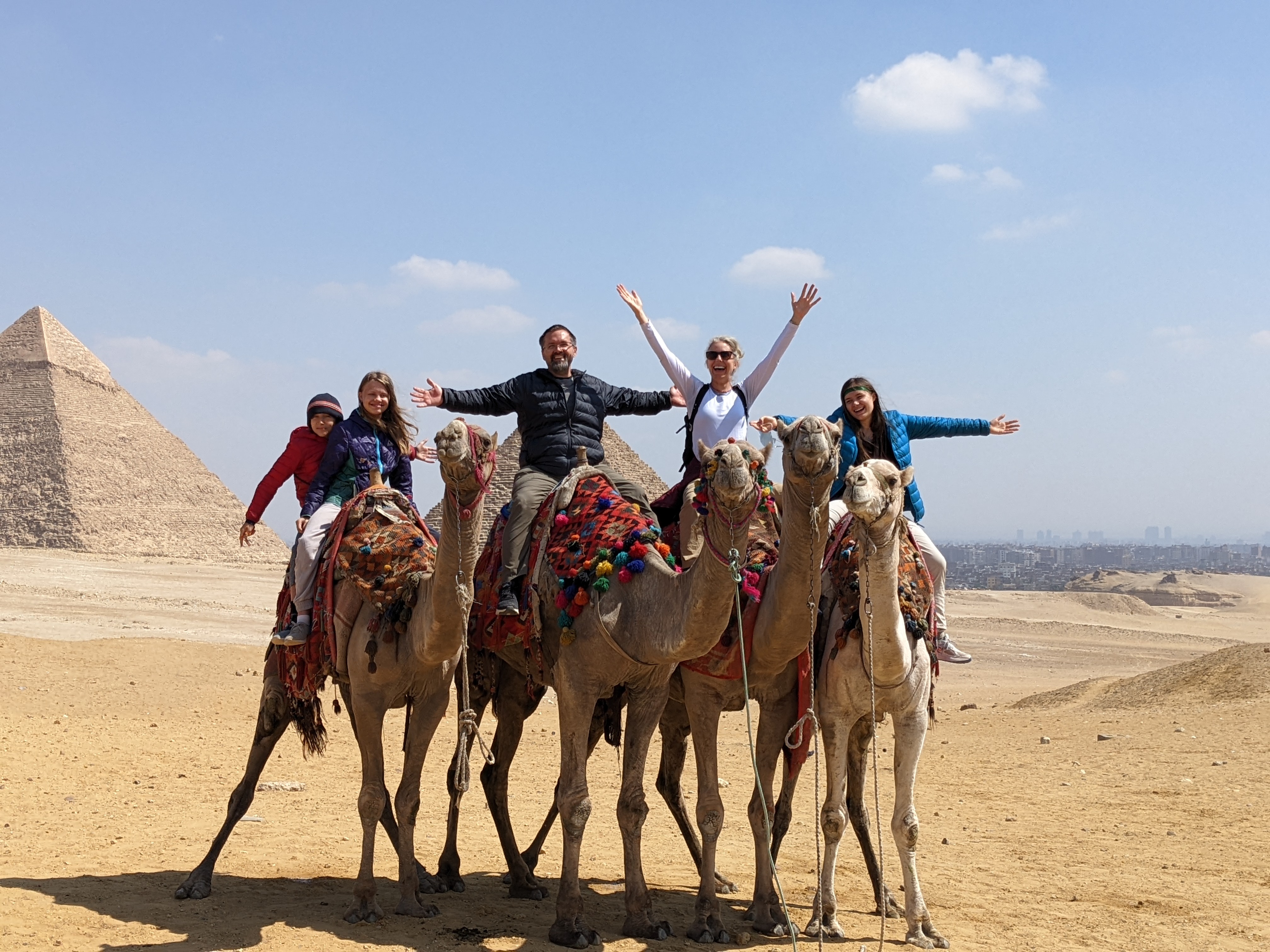
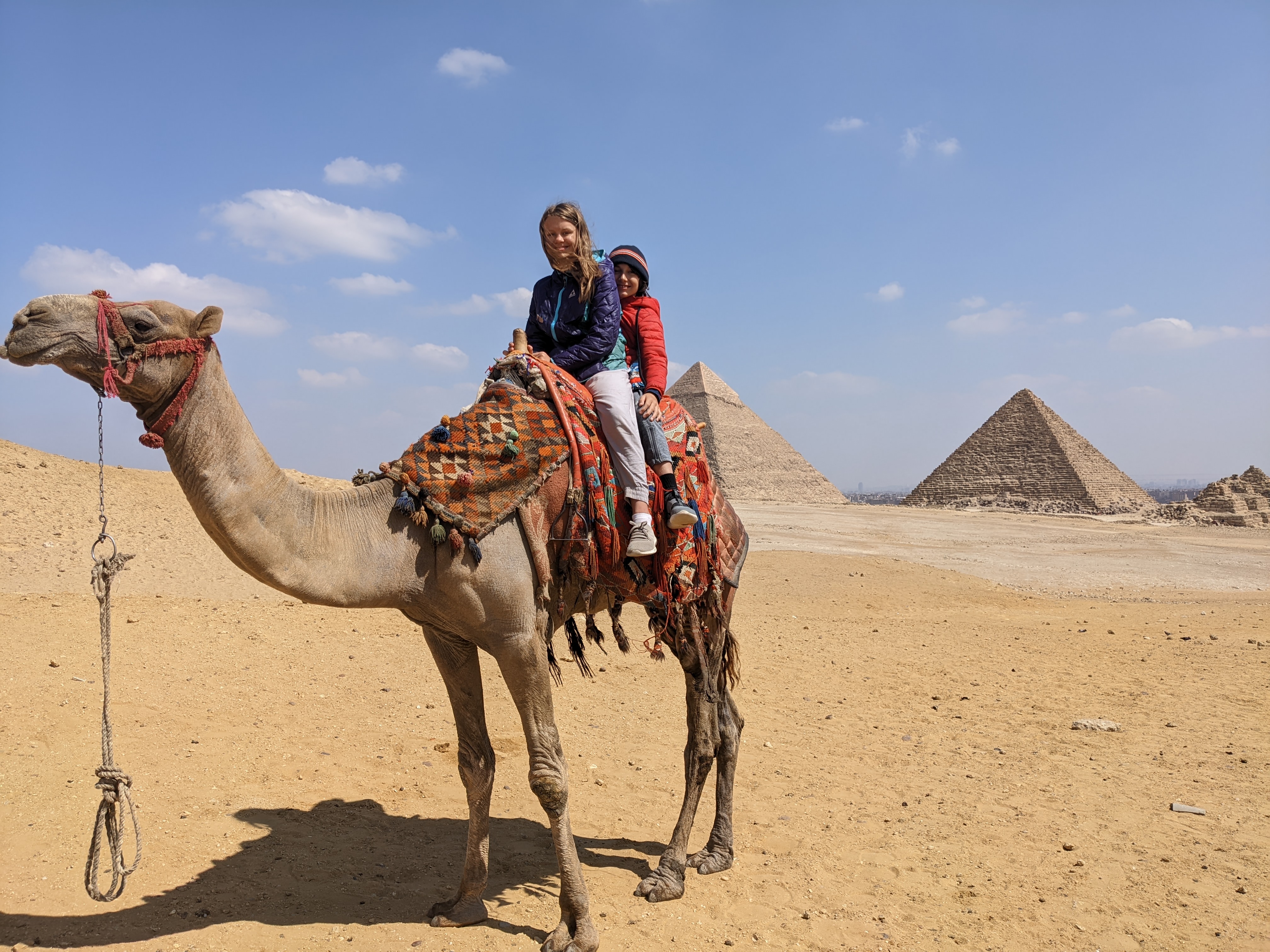
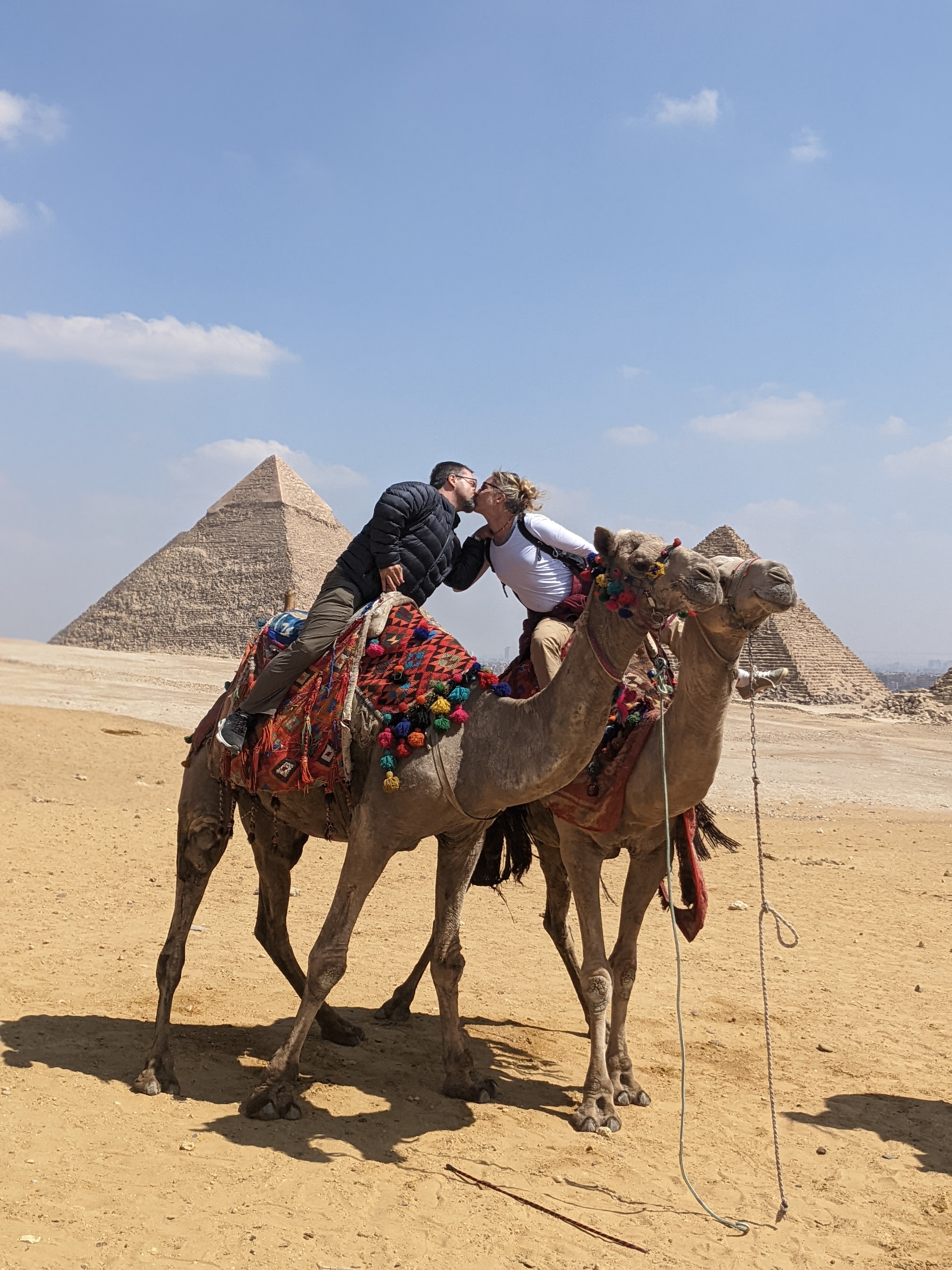
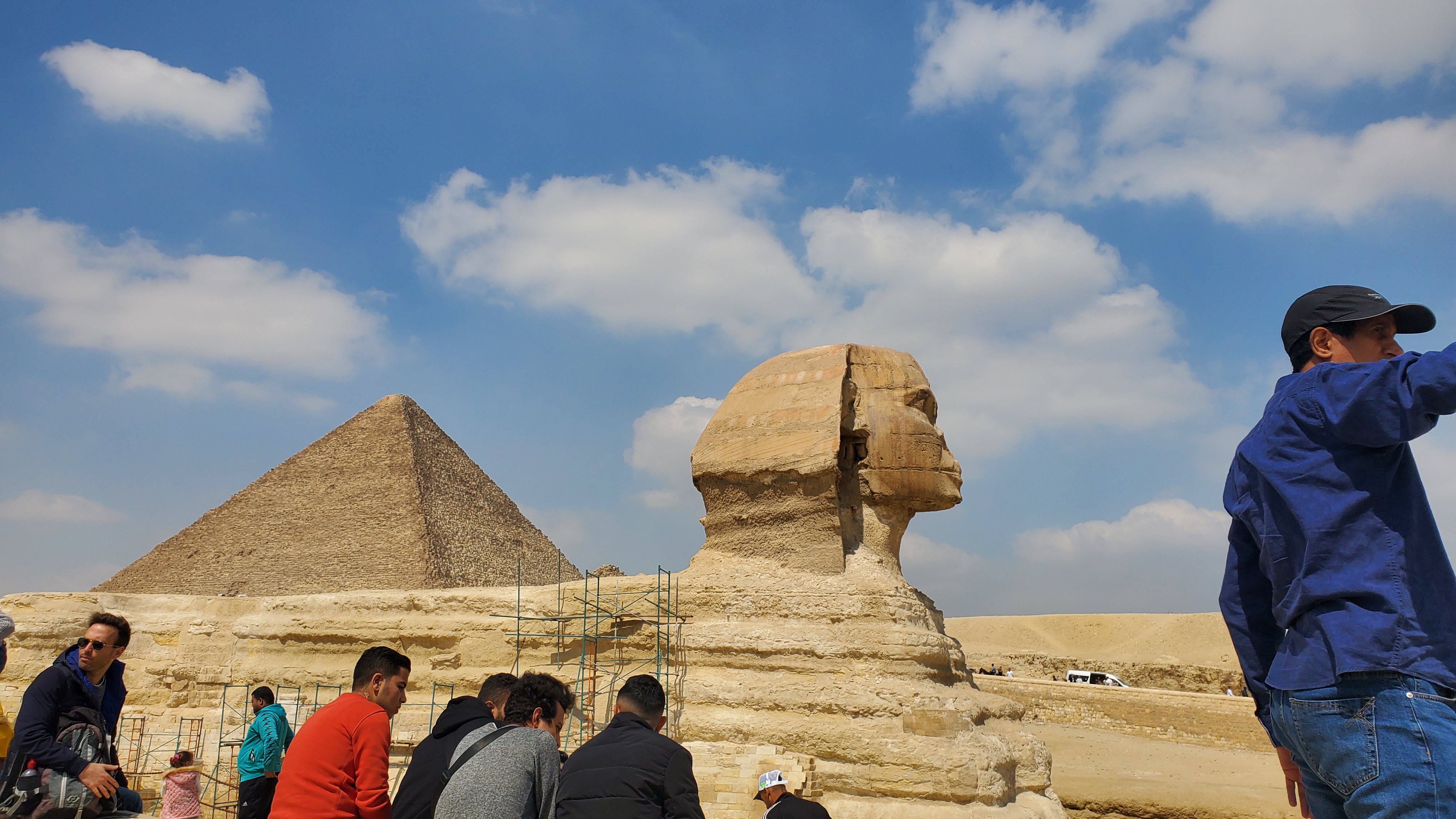
The next day was the big guns: Pyramids of Giza, the Sphinx, camel rides, and the Egypt Museum. The youngers were thoroughly bored.
[The momism in our household is “Well, I liked it enough for all of us.” Not only is it true, but it has the benefit of annoying Wes.]
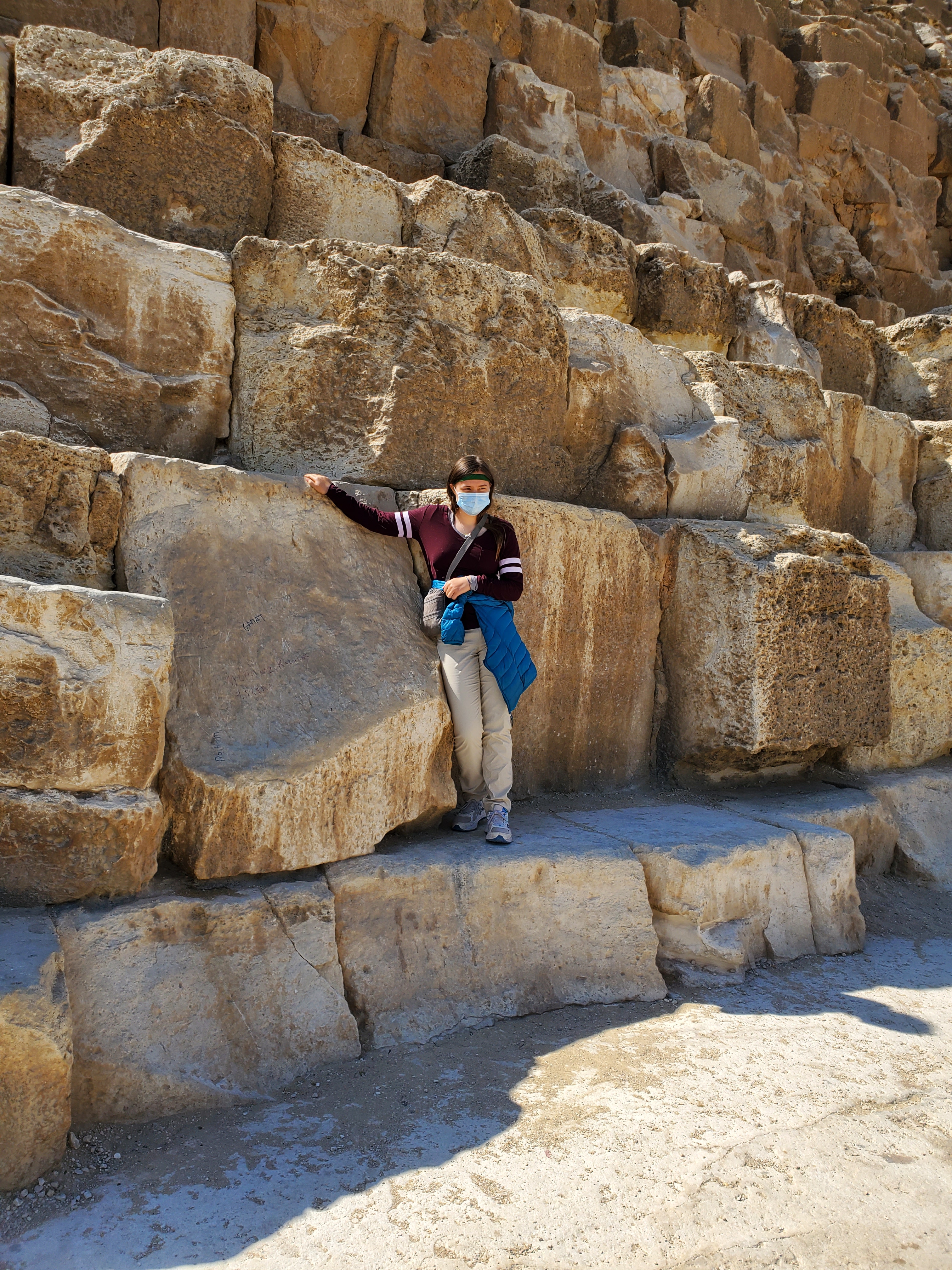
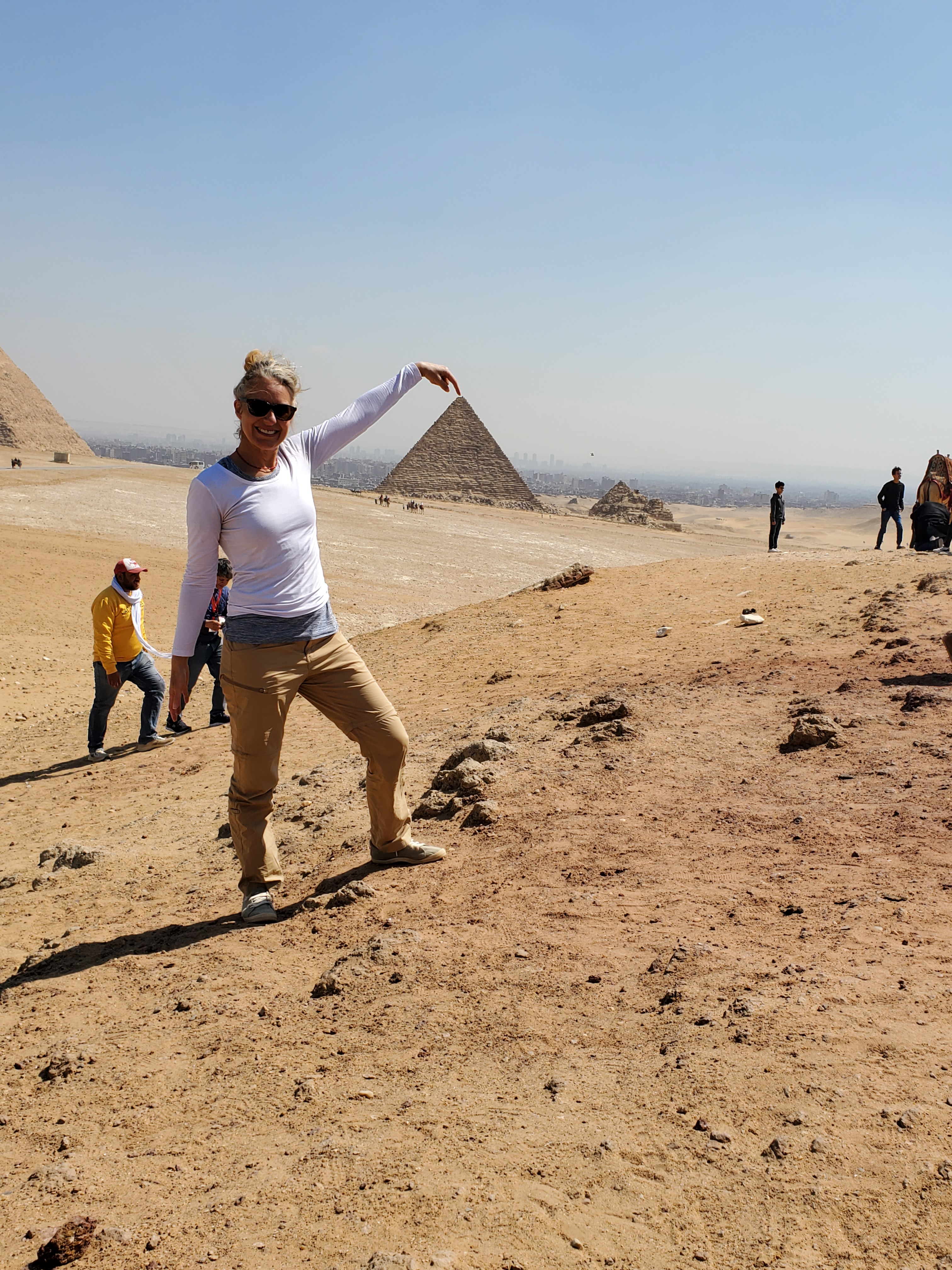
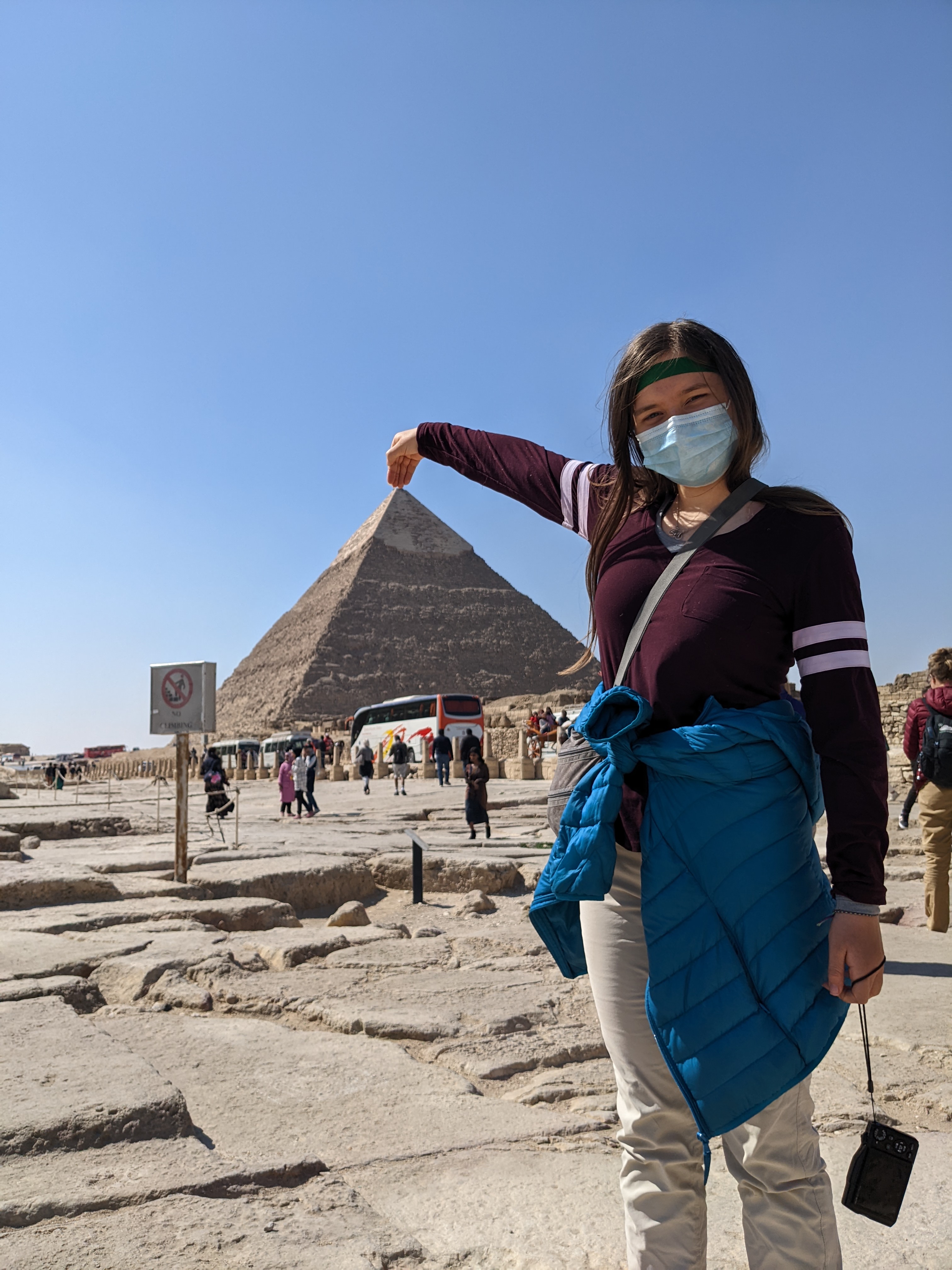
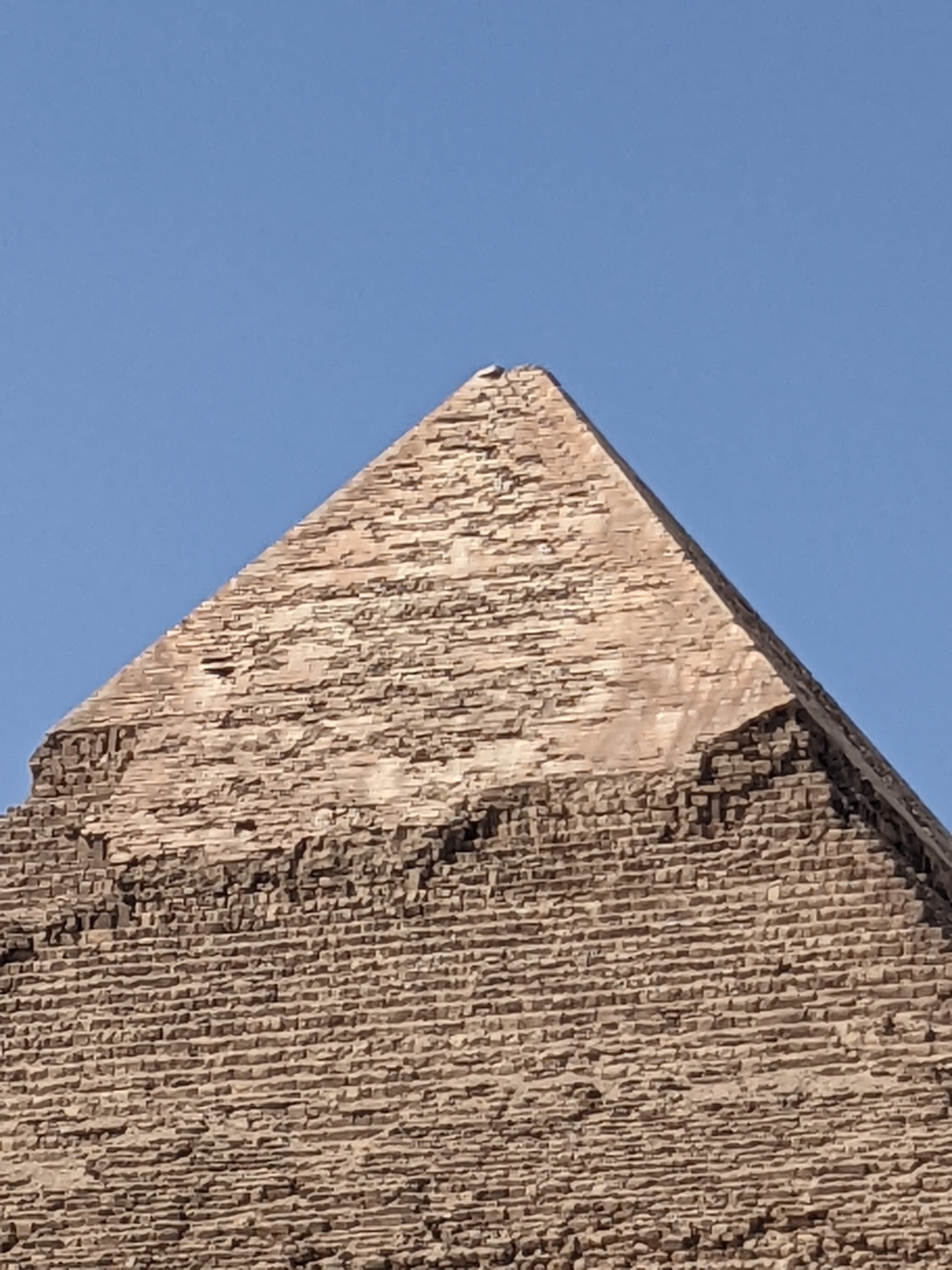
A fun fact about the pyramids, built by Father, Son, and Grandson: The Father’s (Khufu) was quite tall, and Son (Khafre) couldn’t disrespect his father by making his taller. So he built his four meters shorter… on higher elevation. Grandson (Menkaure) couldn’t compete and just sulked over in a corner.
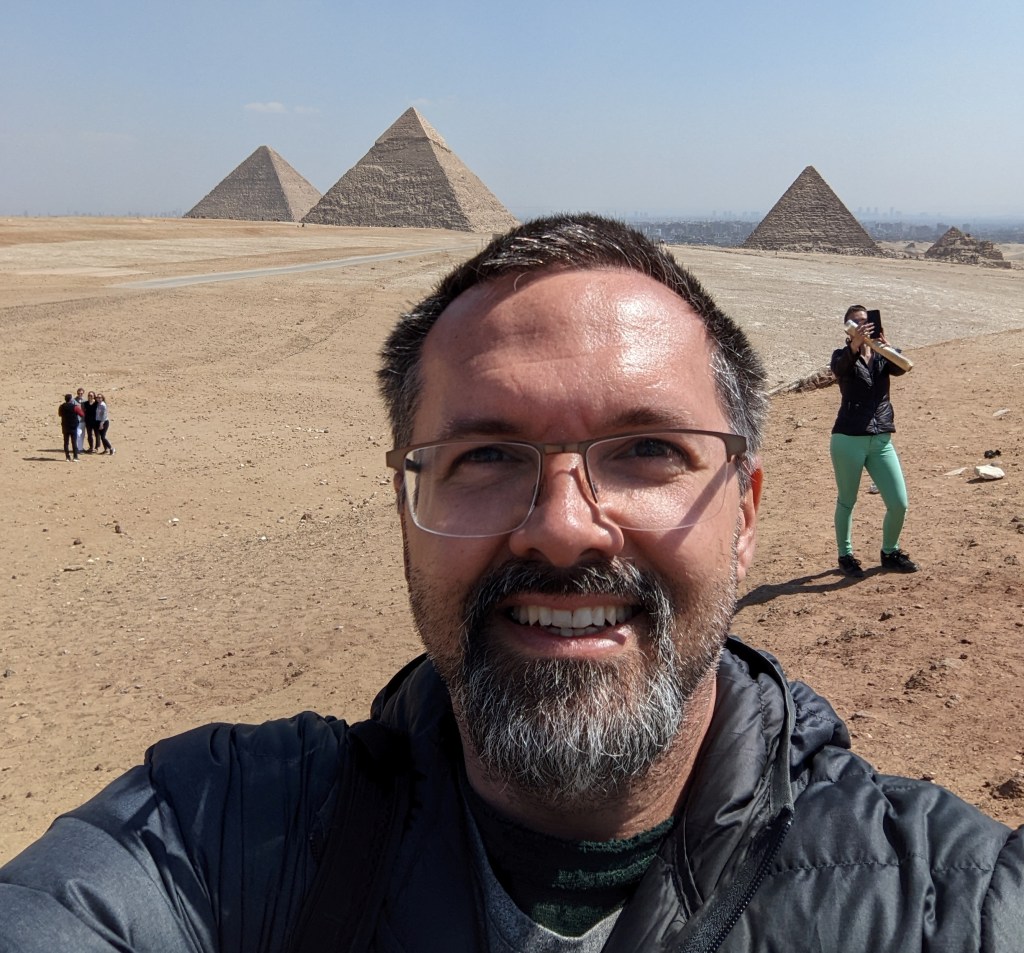
You can get a sense of the placement and sizes of the three pyramids.
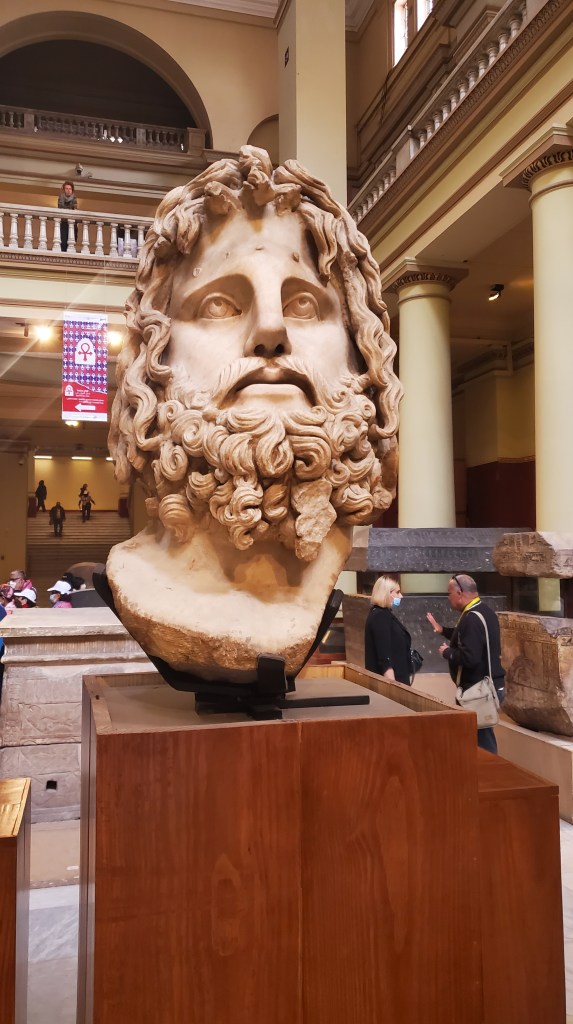
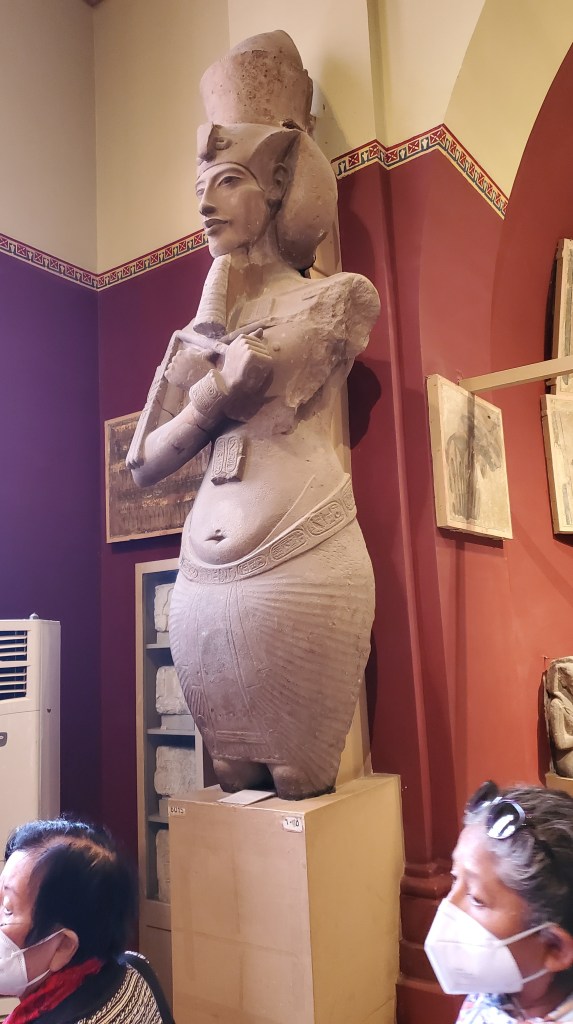
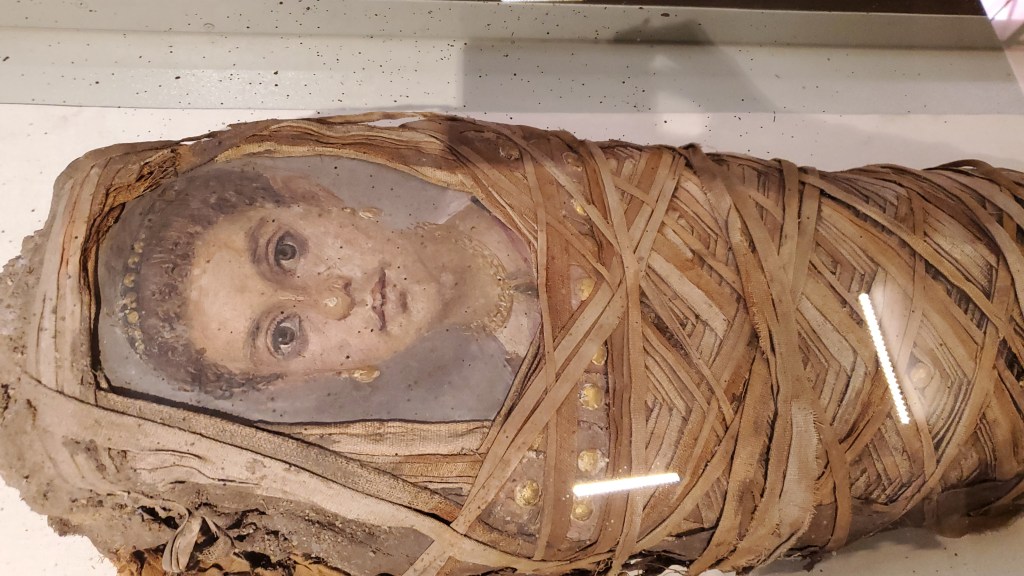
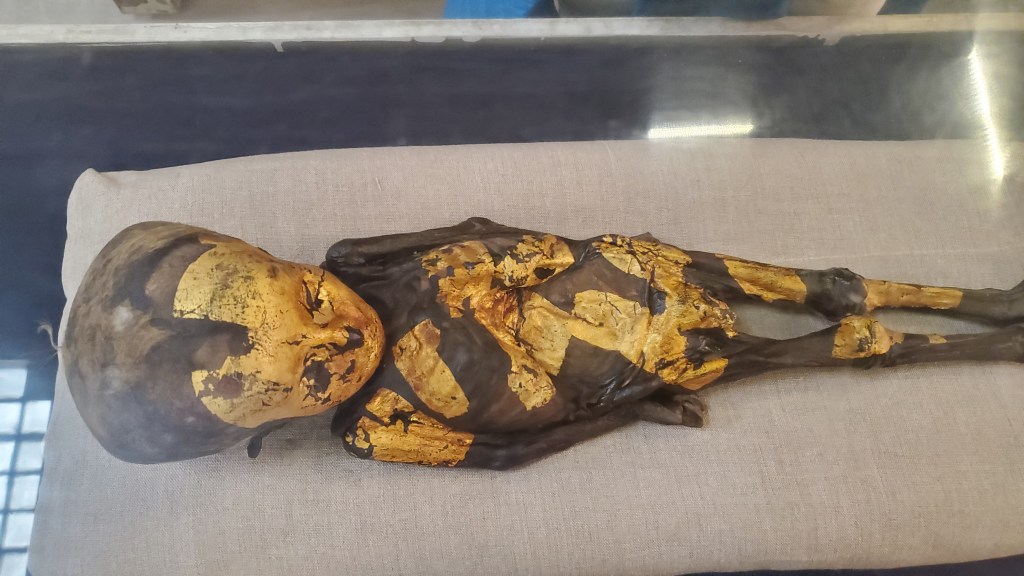
Even though “the coolest stuff” has been moved over to the not-yet-opened Grand Museum, the Egypt Museum still had some interesting and curious works, including some statues that did not look like anything we had seen in our ancient Egyptian field study, including what looks suspiciously like mummified Yoda.
[I’m breaking one long post into two parts so that the pictures show up better. Hopefully.]
We left Cairo for Aswan in the most fun way, easily the best part of Egypt so far for Wes. We caught an evening sleeper train for the 13-hour trip south. What wasn’t so great was that I was struggling with nausea, GI trouble, and abdominal pain, which I self-diagnosed as either 1) something I ate plus the beginnings of a kidney stone, or 2) just a kidney stone*. I spent most of the 13 hours trying, and failing, not to vomit inconveniently, and silently nominating Dwayne for Best Human Being trophy. When we arrived in Aswan and put me to bed, Dwayne and Mohamed searched the city and brought me back a hot water bottle. If it was a kidney stone, it was of the moaning-Advil-heat variety, not the groaning-narcotics-ER kind. Phew. Regardless of diagnosis, it was definitely my reason for sleeping instead of blogging for so many days.
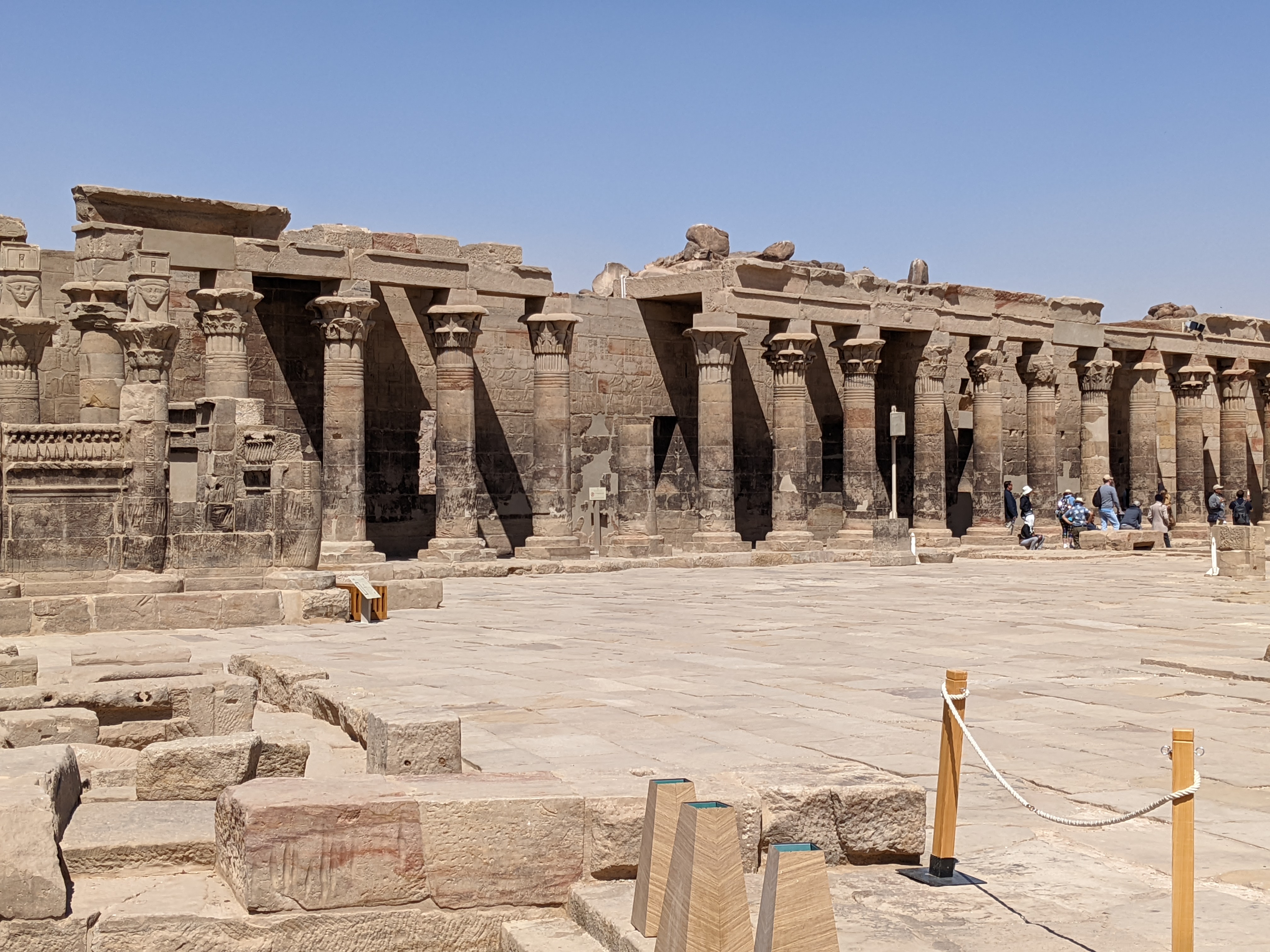
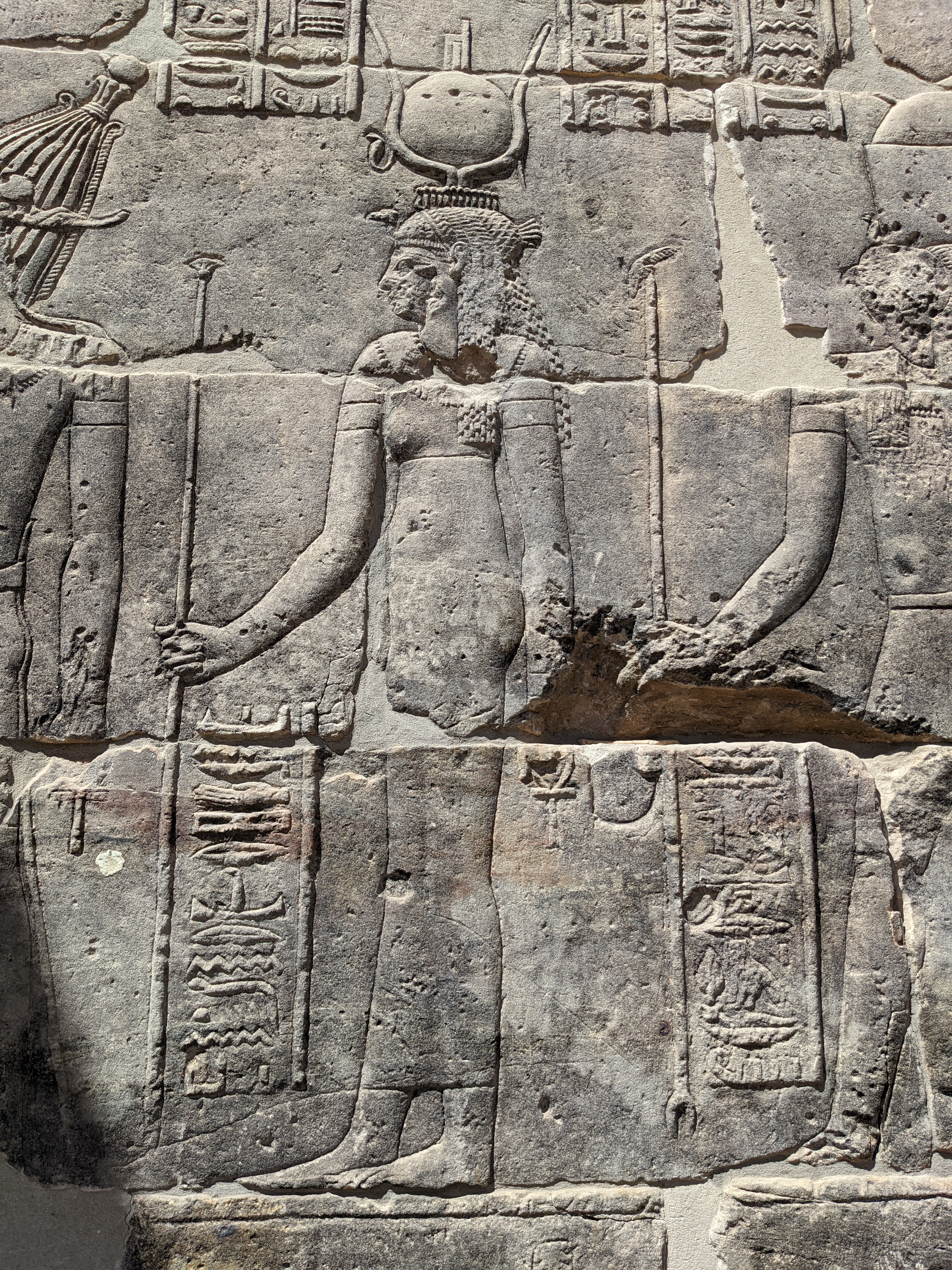
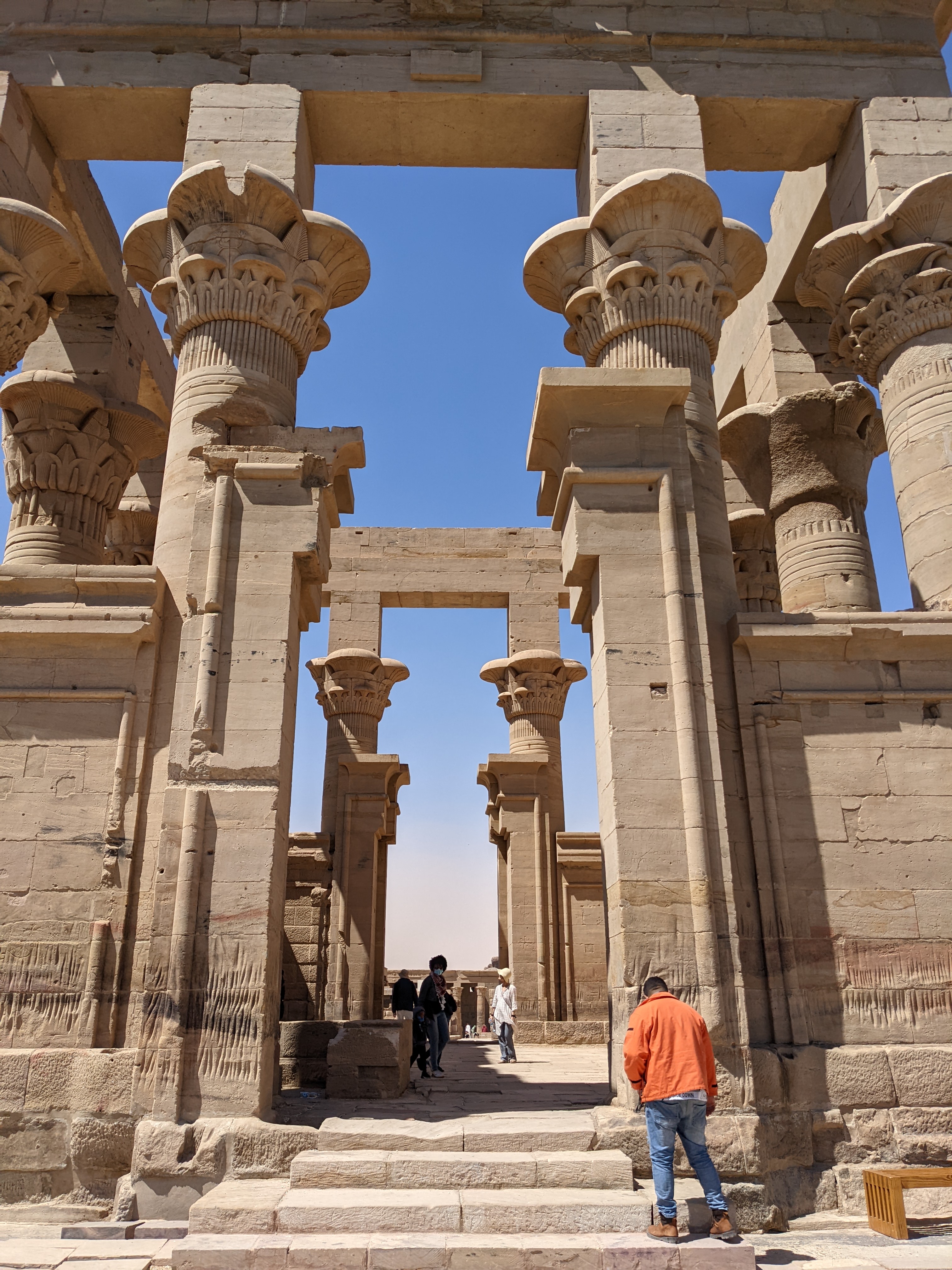
That day, we still managed to put in a few hours at Philae Temple, or the Temple of Isis. Practically brand-new at 2300 years old, it had to be moved about 50 years ago from one island to another, before the dam was completed and drowned the temple. It was *the* place to worship Isis. It also had a coffee shop and cats, so the Piper and Wes didn’t leave it horrible reviews.
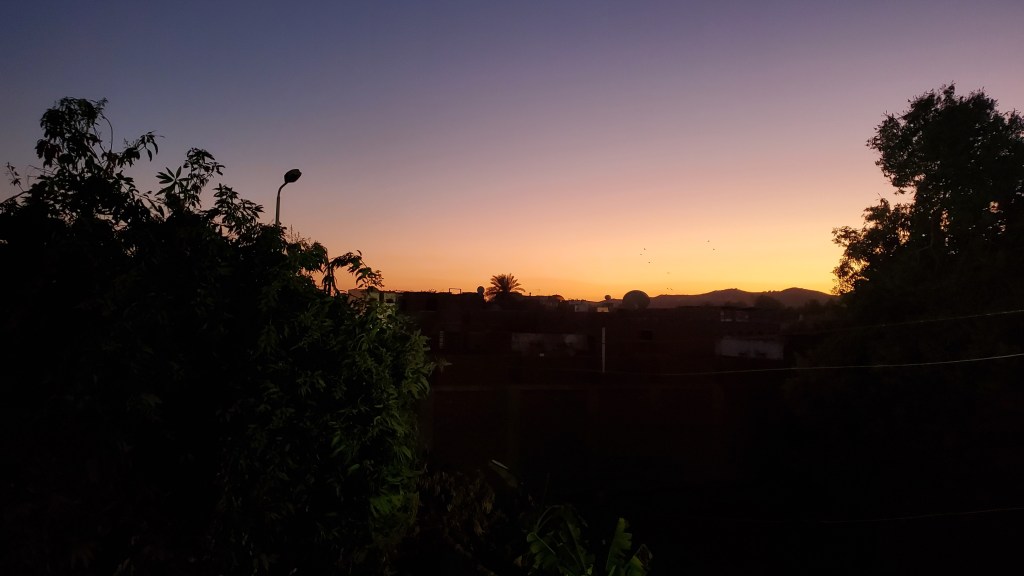
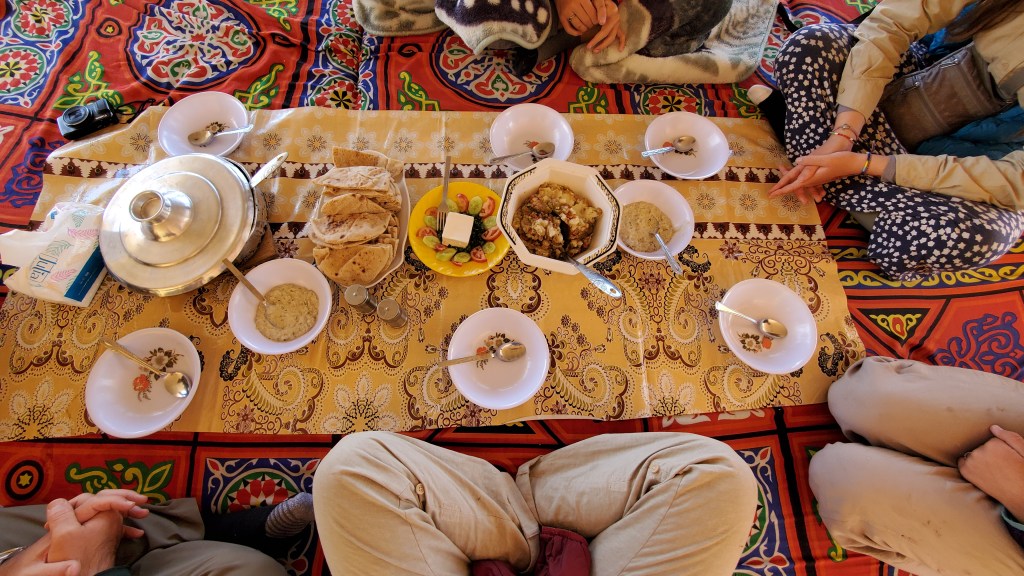
That night, we motored to a Nubian village and were given a short tour of the village and ate dinner hosted by a family. We caught the sunset, ate an amazing feast, and the mother gave me and the girls henna tattoos. Our Nubian guide told us about traditional life and weddings, and how it was changing. He sang for us while accompanying himself on the tambourine. Dwayne and Wes played soccer outside with their younger son and I couldn’t help but eat two honey pastries with custard, even after nursing my stomach very carefully for a day. Because, somehow, we had to be on a bus by 4:30 the next morning for the 3-hour drive to Abu Sembel, among “one of the most famous of all ancient Egyptian monuments”.
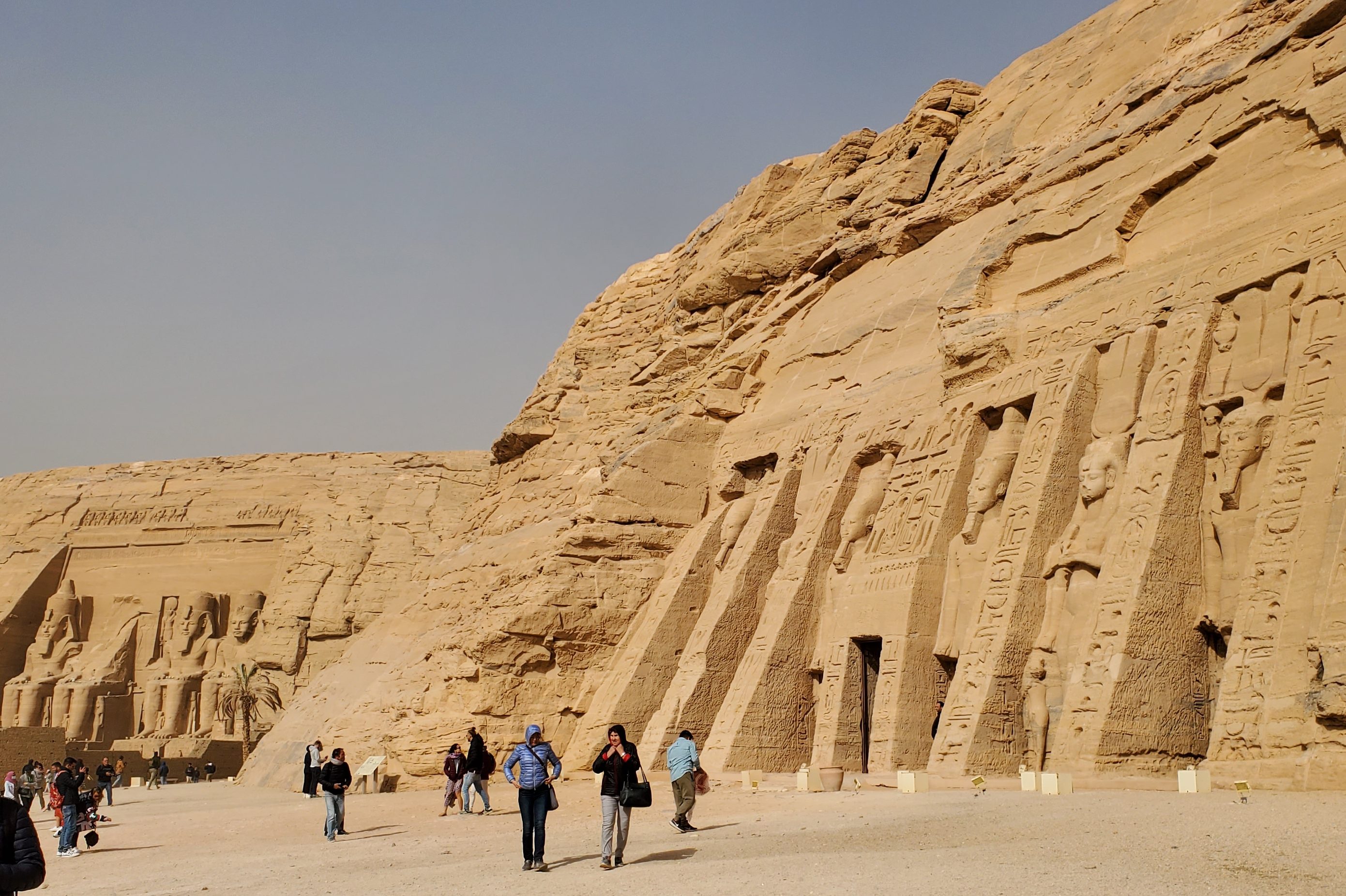
Haven’t heard of it? The name didn’t register for me either, and it wasn’t until we had queued and paid 5 E£ ($0.32) for the toilet, fought a strong wind, got sand in our eyes, and then rounded a corner and saw:
The Great Temple is also called “Temple of Ramesses, Beloved by Amun”. [Subtext: “I’m compensating.”] All four of those statues? Of Ramesses II himself. The Small Temple was built to honor his favorite wife, Nefertari (not Nefertiti, another woman entirely, I learned). Of the six statues in front of it, two of them are her. Yes, yes, do the math to figure out how many statues of himself, at different ages, Ramses II put in front of her temple.
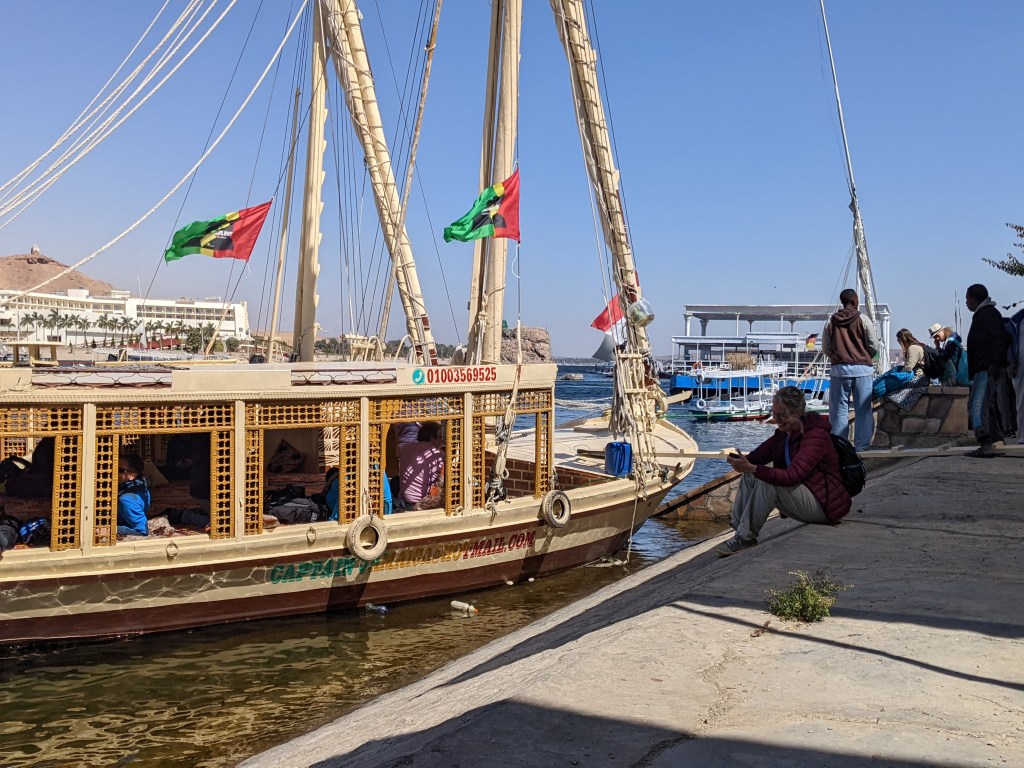
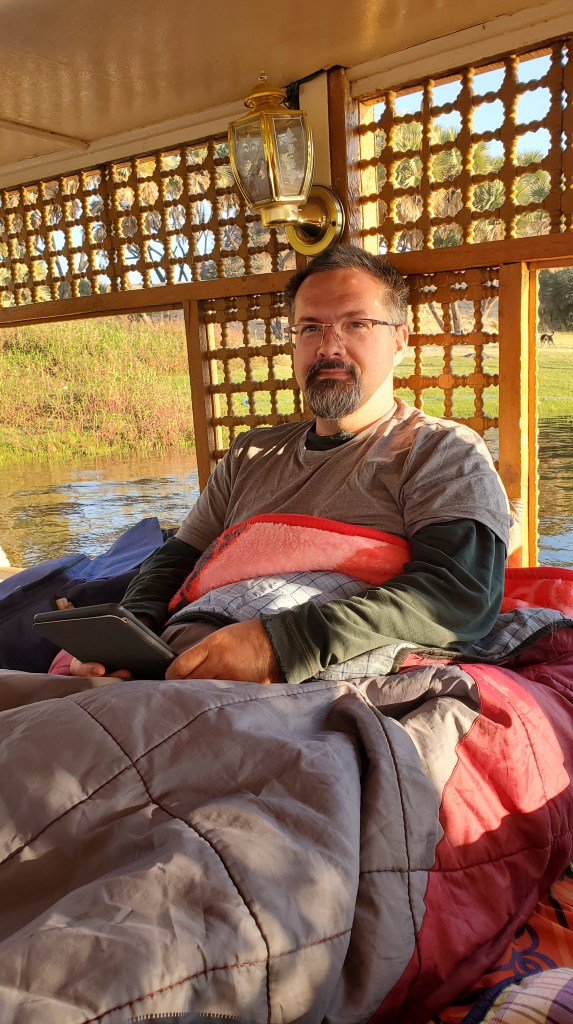
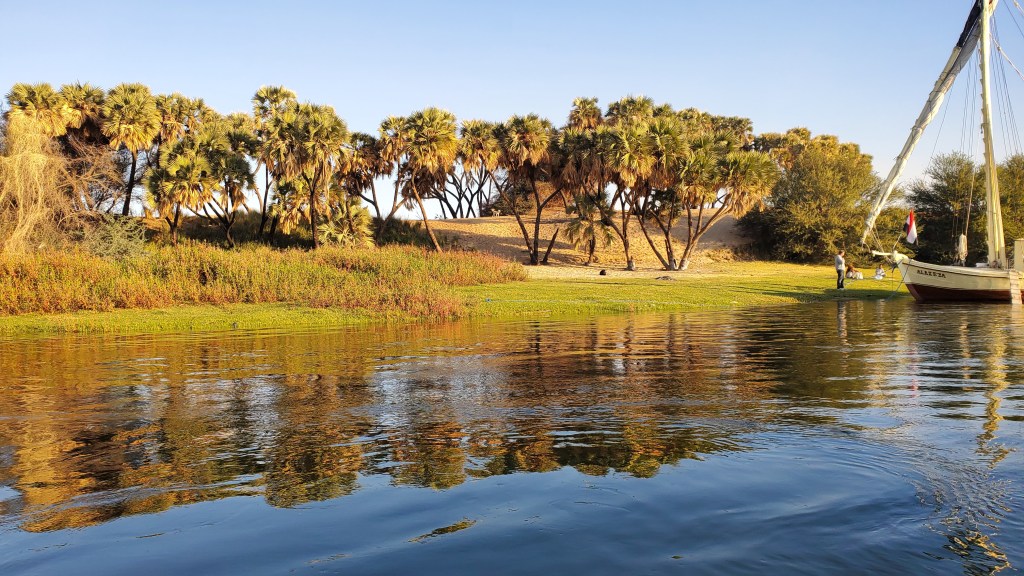
I write all this during what is probably going to be our Egypt highlight—on a felucca (river sailboat) on the Nile, traveling from Aswan down (but north) as many kilometers as we can make in a day. We anchor at sundown and sleep on the boat before meeting up with the car tomorrow. It is heaven.
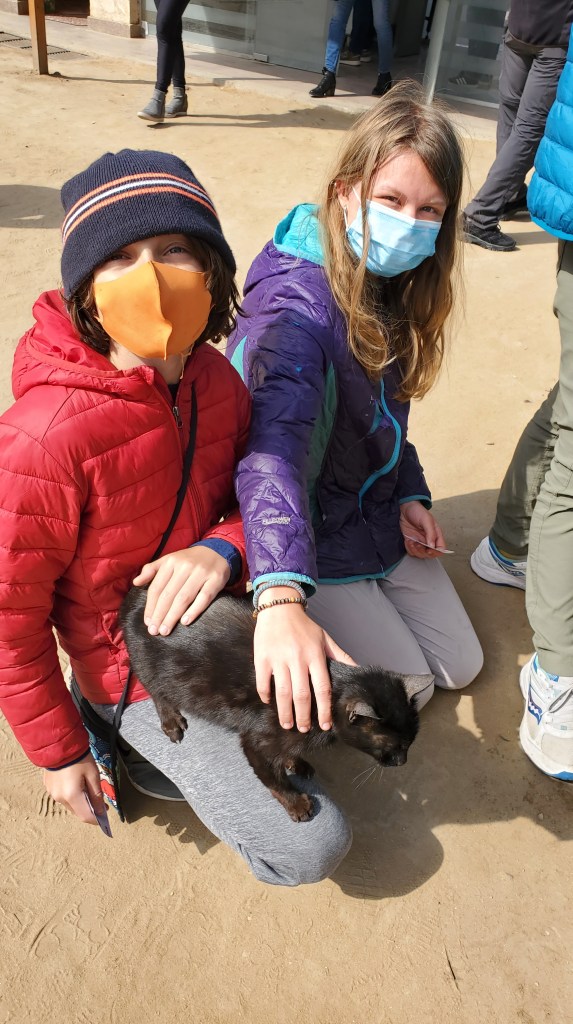
Stray cats and stray kids.
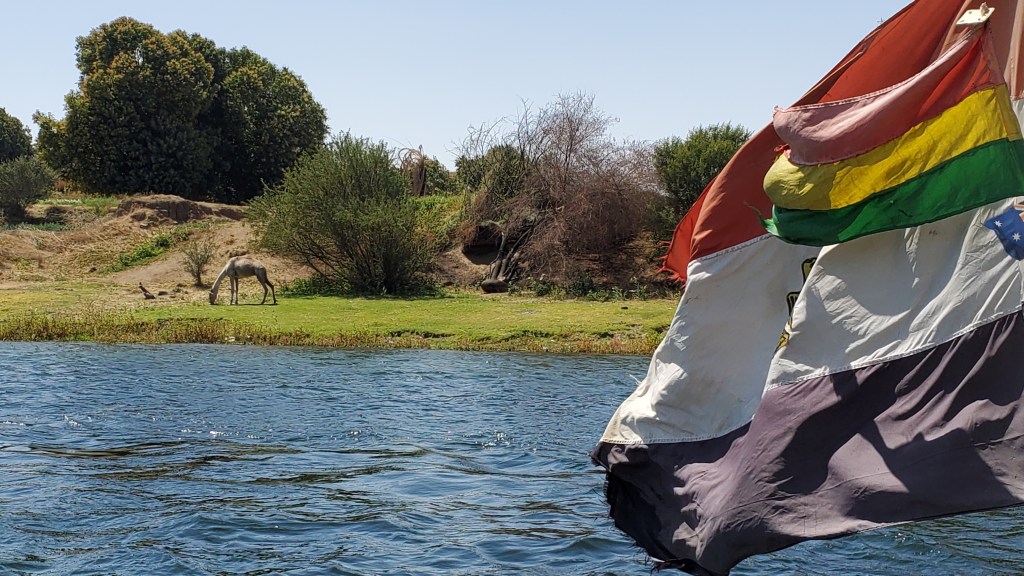
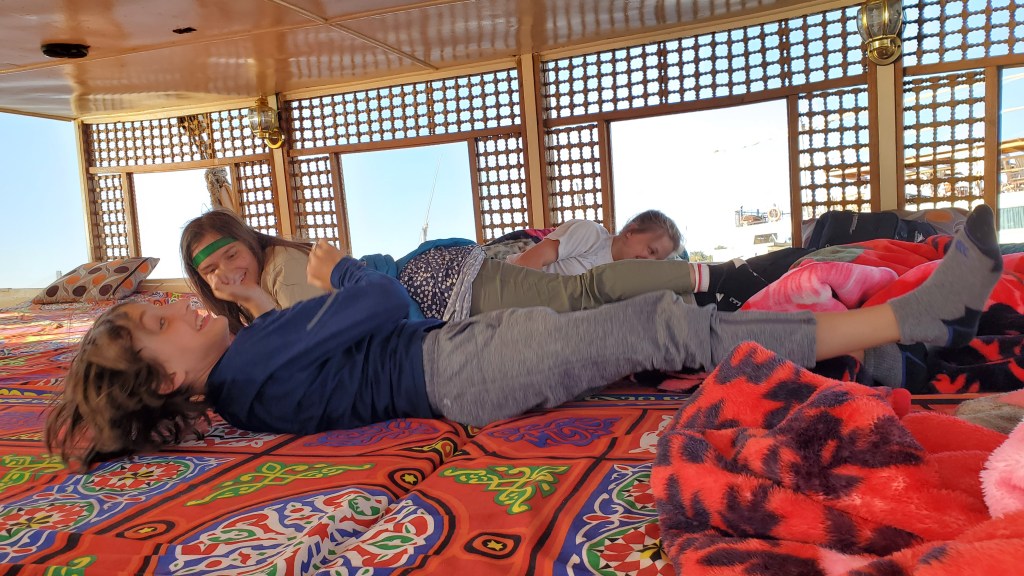
Because I think of all the wonders I’ve witnessed this week, I love most the Nile, the heartbeat and blood of the beginnings of civilization and of Egypt today. Lounging on the cushioned floor of the felucca, I am writing for as long as my battery lasts. We zigzag between life (the east bank, as ancients read the path of the sun) and afterlife, which might be cows and camels, which are on the less populated west bank. We idly pass domed Nubian villages, sandbanks, palms, and absolute tranquility. (Well, until my kids woke up from one of their many naps and realized the boat was fun to roll across.)
Two full days left and then a travel day to Jordan! Dad, Mom, you are probably the only ones tolerant enough to read this entire post. Thanks, I love you.
*I had the pleasure of a kidney stone about 5 years ago. I’ve also birthed three children naturally with no time for drugs. At least I got babies with the childbirth.
I like anything whose first name is “Charming”, and Lonno was no exception.
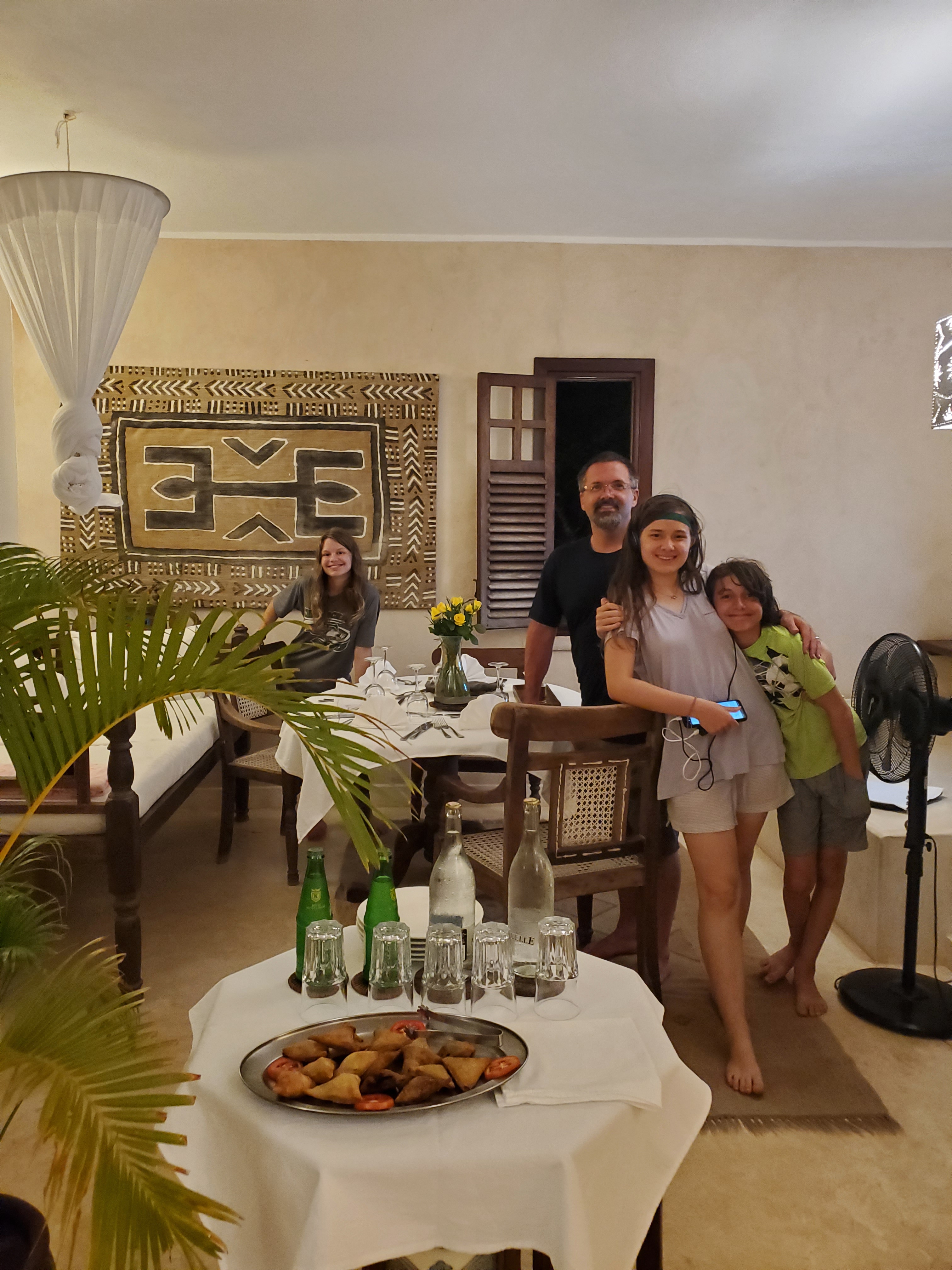
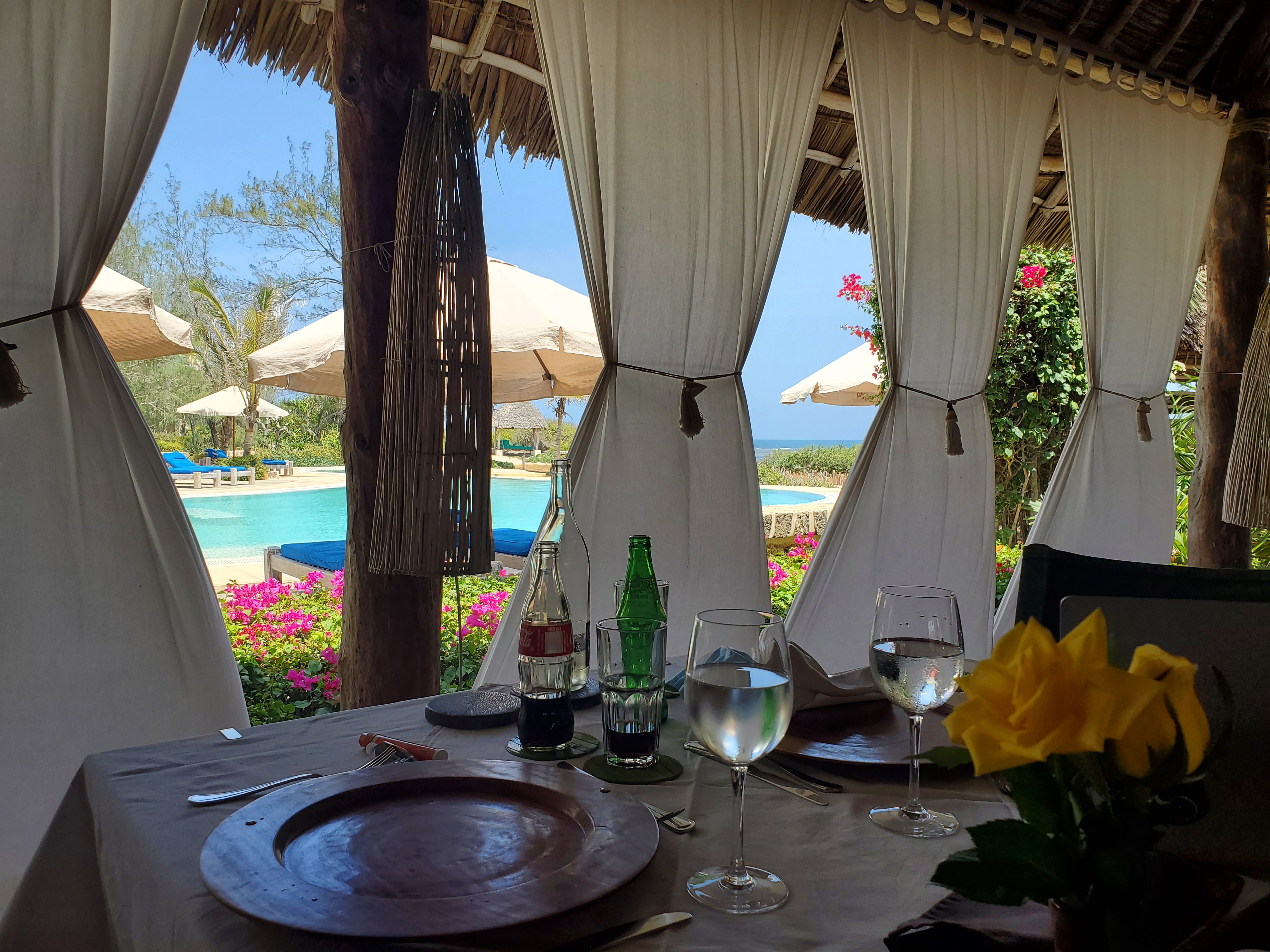
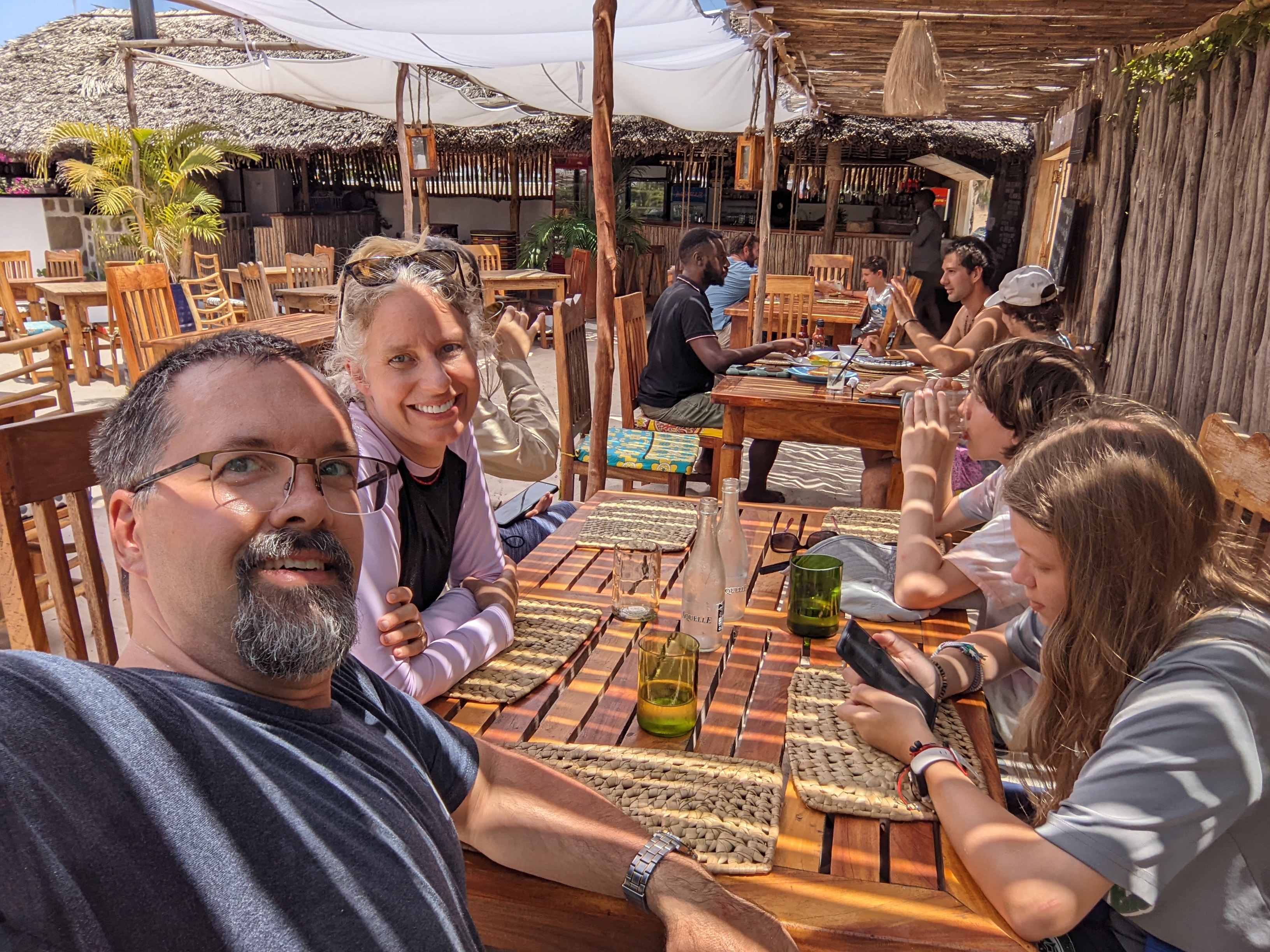
After eleven days of rich food and little exercise, we took a beach break where…we ate richer food and got slightly more exercise. The pants I added elastic to the waistband the day before we left are now cutting off my circulation.
Our first time in the Indian Ocean!
The beach was not what I thought, as we were far from open expanses of white sand, but the ocean! We first stepped into the Indian Ocean and sighed. It’s about the same latitude as the Galapagos, but so, so much warmer.
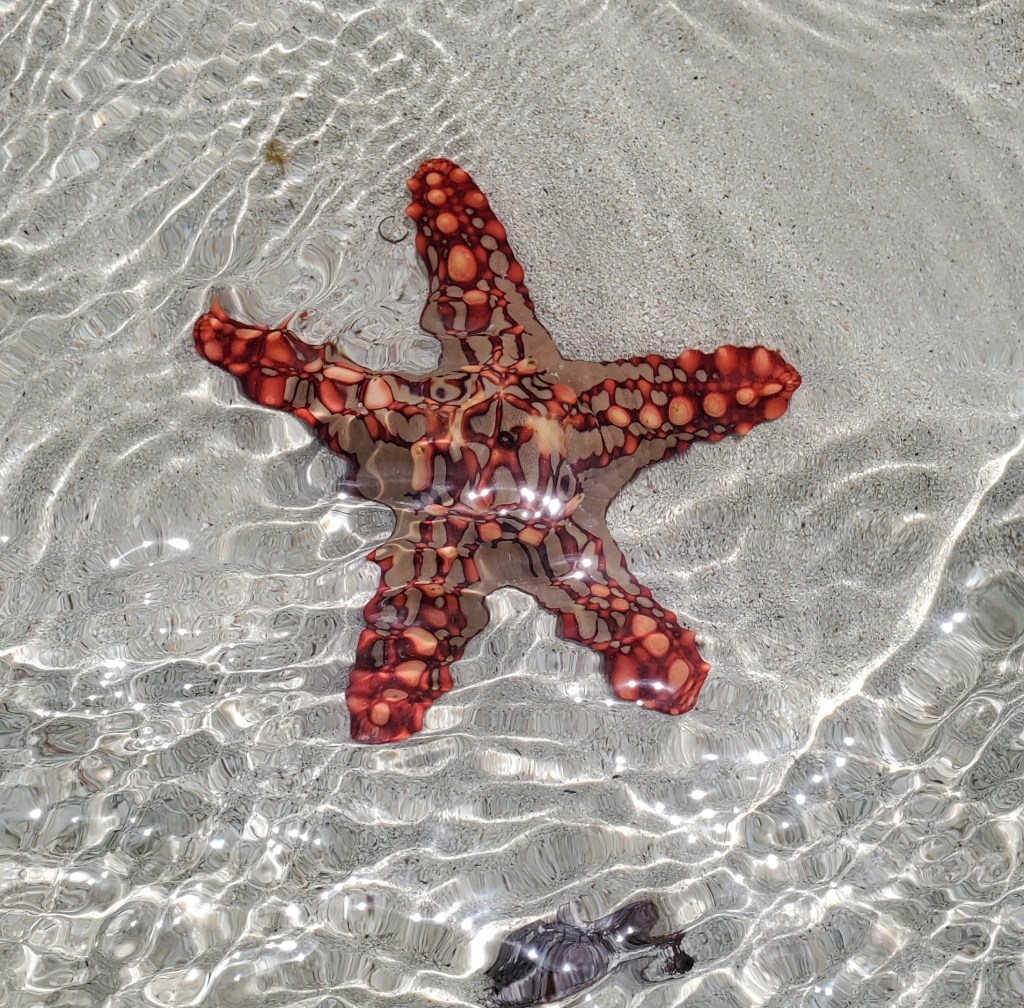
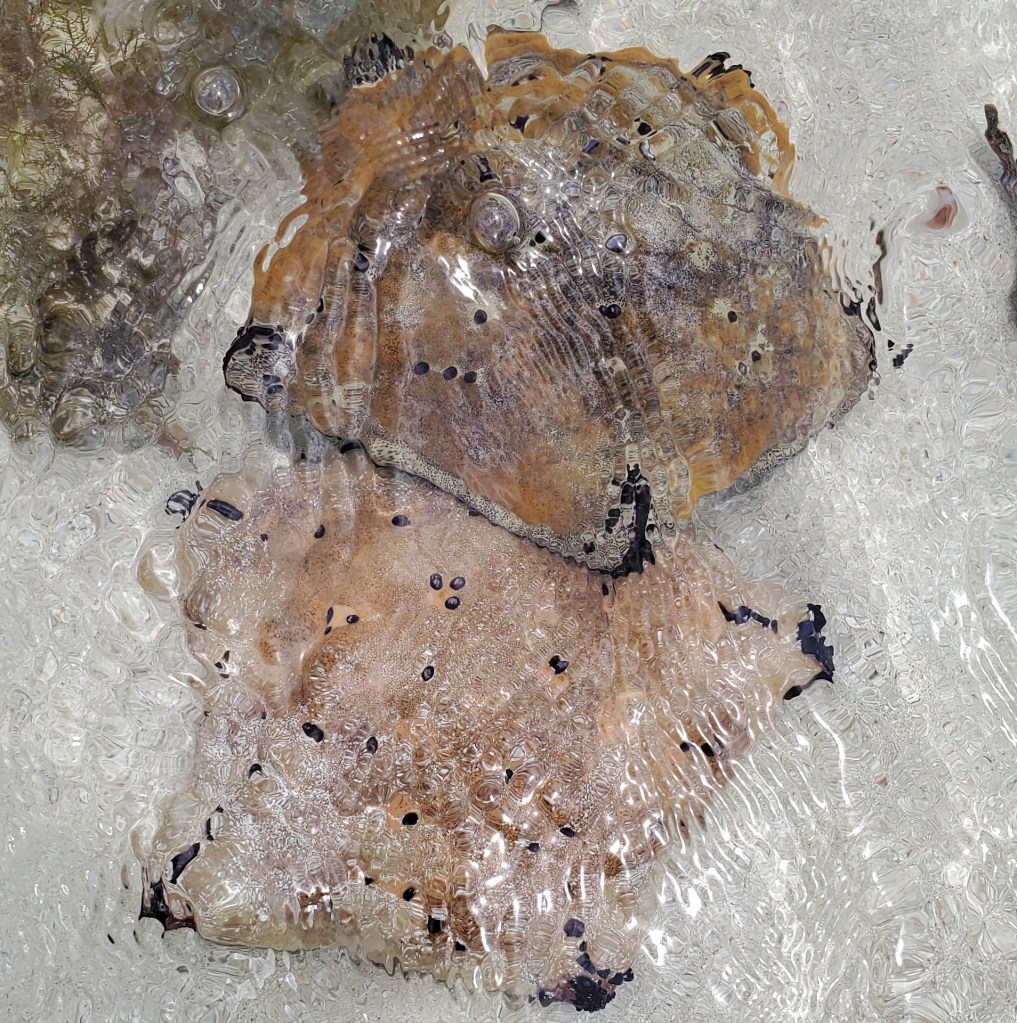
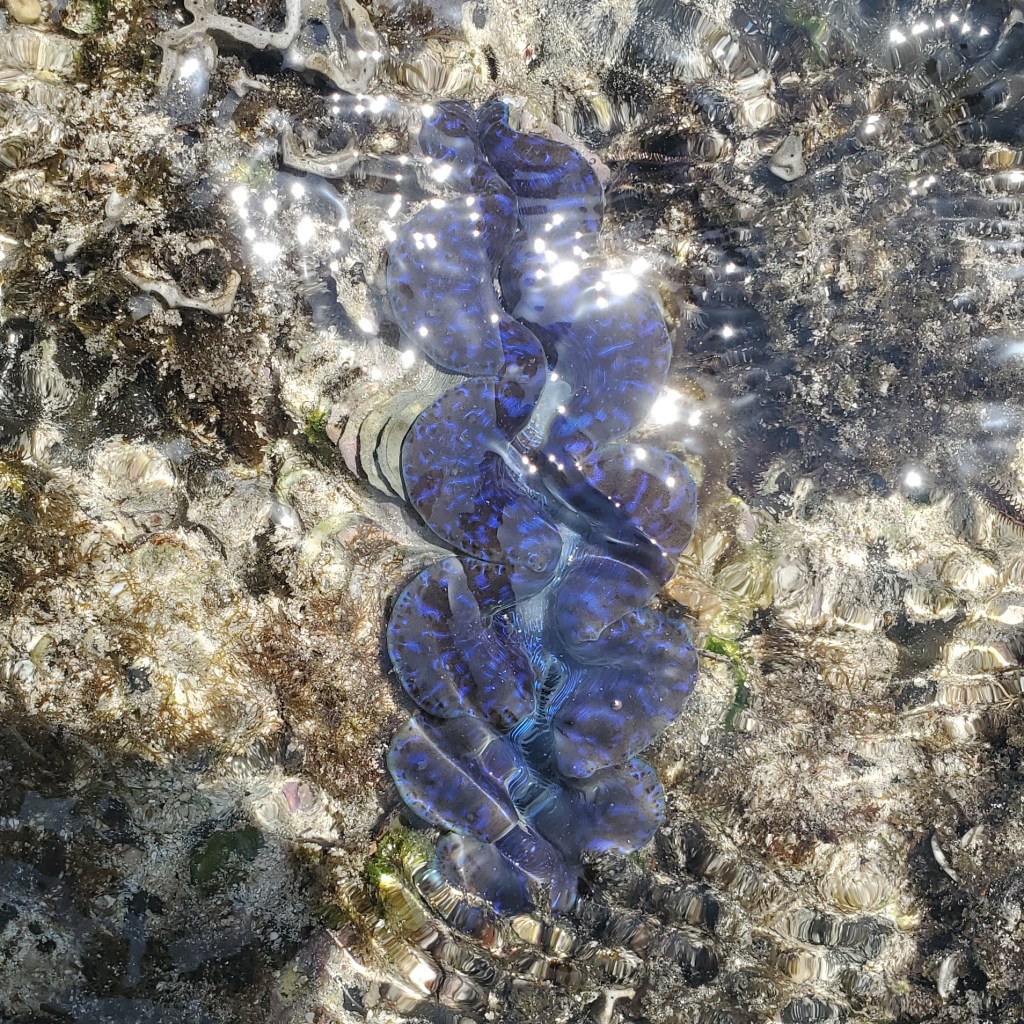
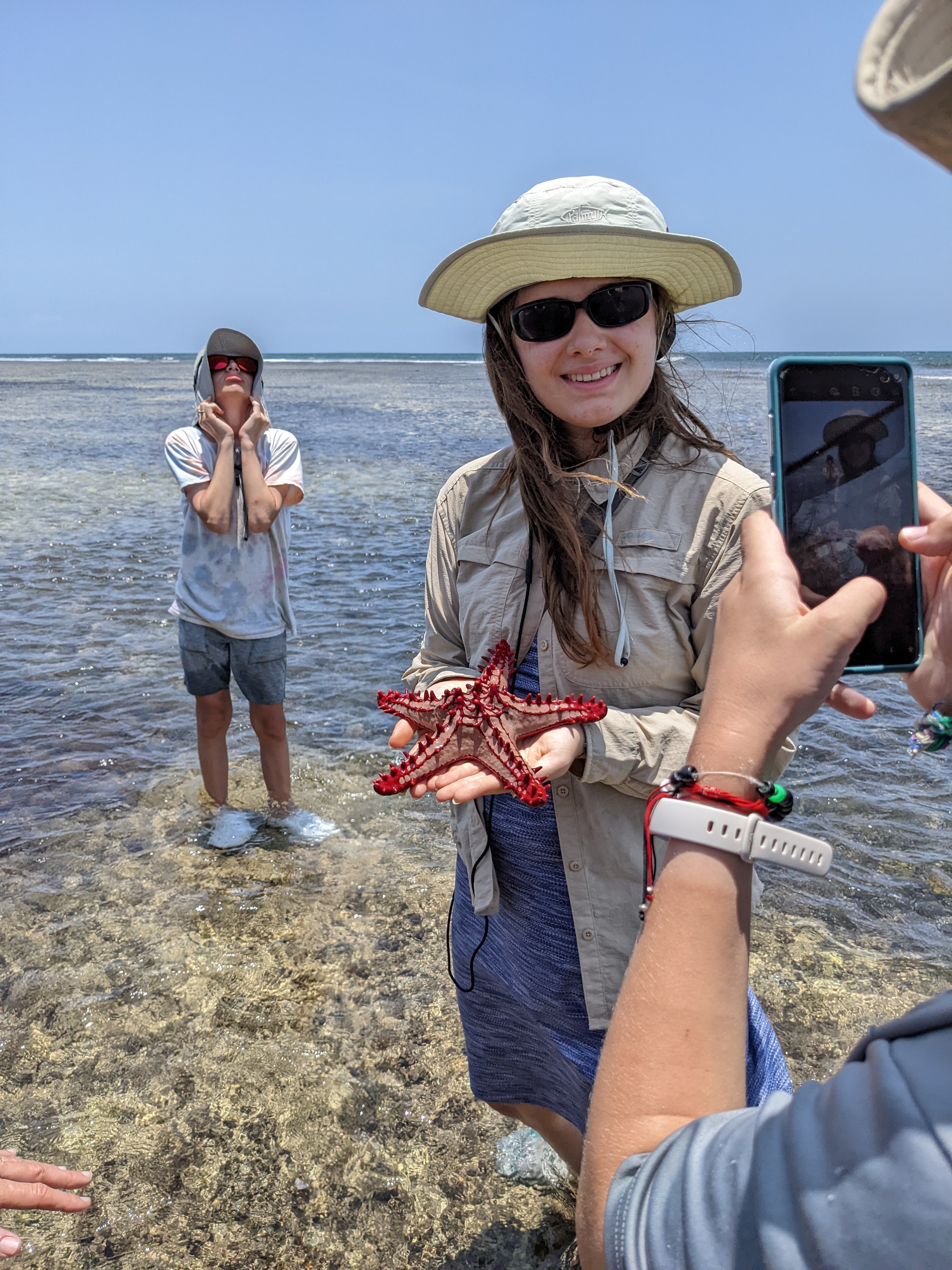
We enjoyed clear waters and bright sealife
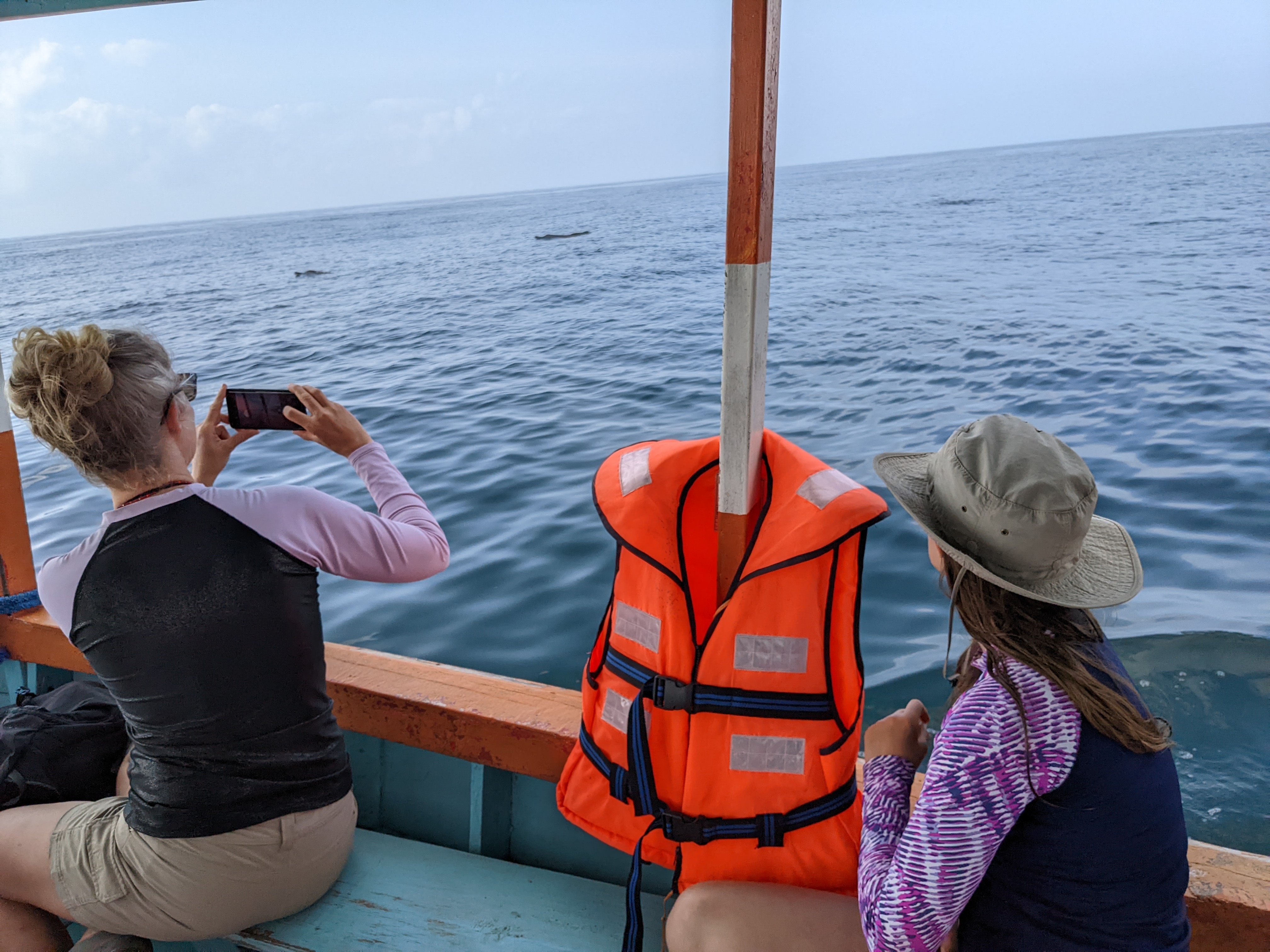
We also did some ocean-safaris. Wes says it was just as good as the second snorkeling in Ecuador, but I think the only other time I saw so many varieties of reef fish, Dwayne and I were honey+mooning in Fiji. It was startling how beautiful it was. Another morning, we went out to see the local dolphin family. Later that morning, Kyla and I jumped out over Turtle Island, underwater at the time. I usually save my frolicking for fun reads, but my oldest and I frolicked our water-logged brains out.
Almost all our meals, and then our cocktail hours, were punctuated by games of cribbage and Hearts.
My reading swing, forever and ever. Read Klara and the Sun here.
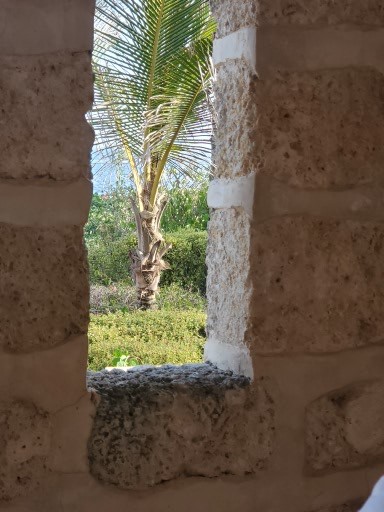
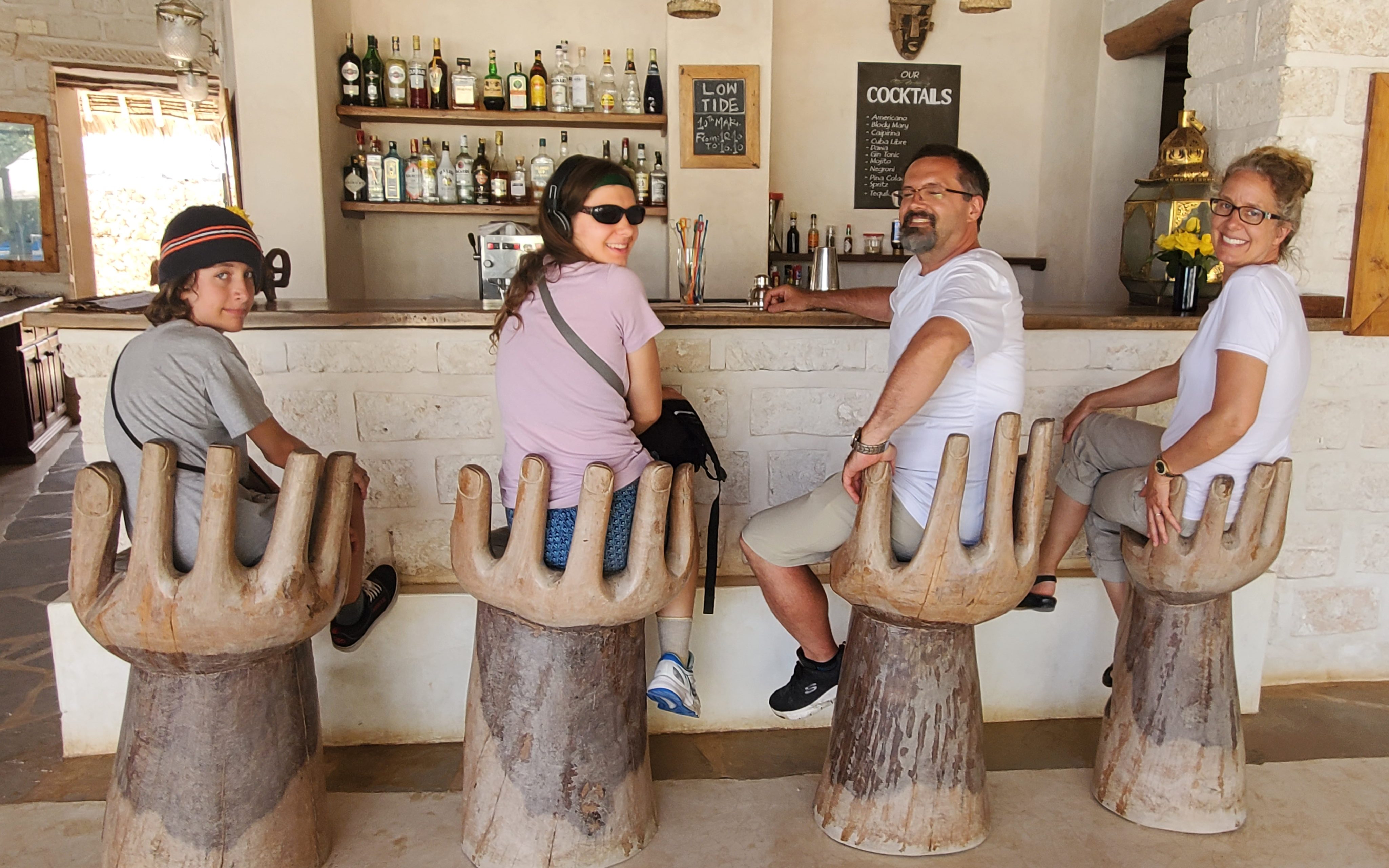
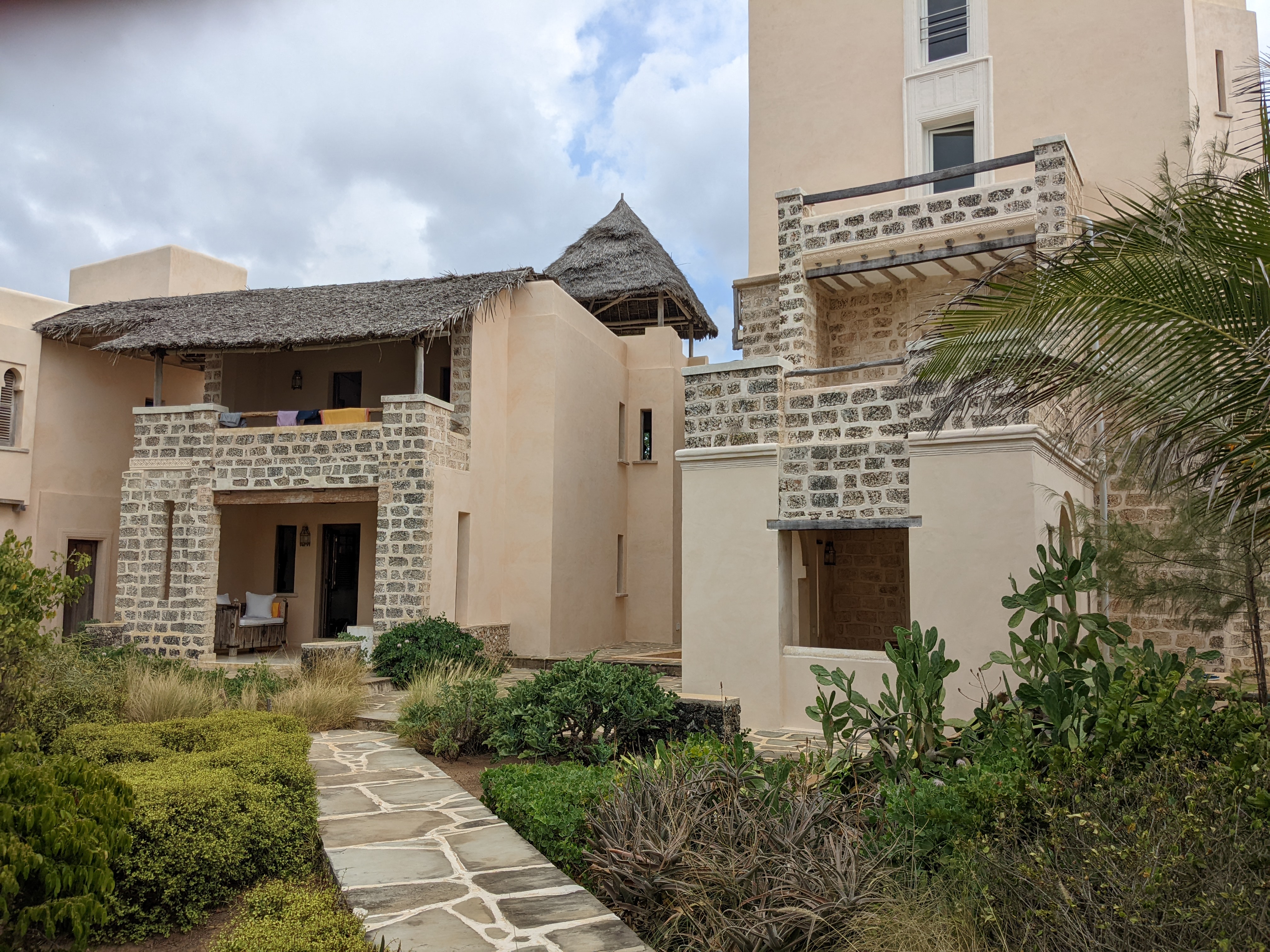
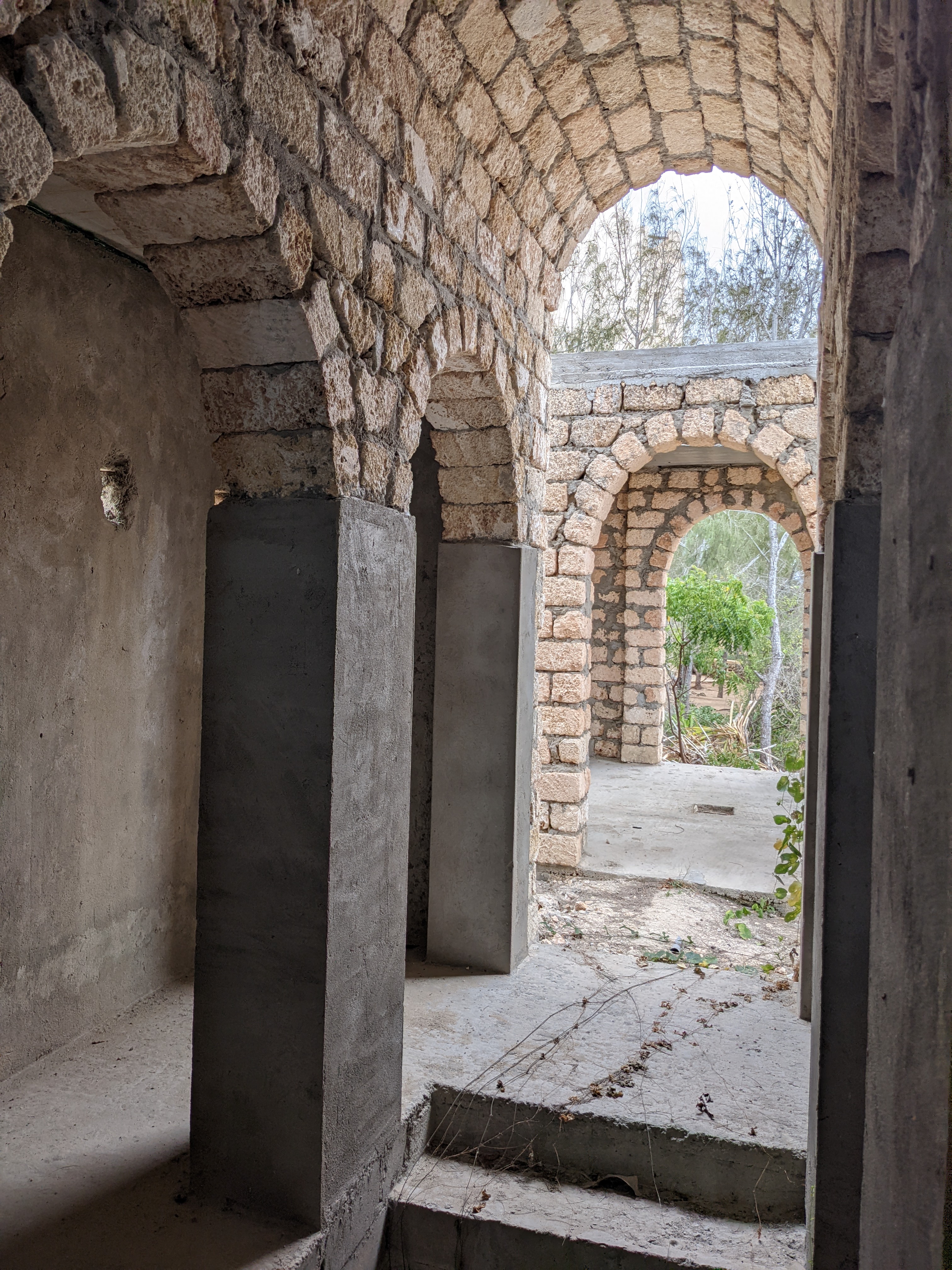
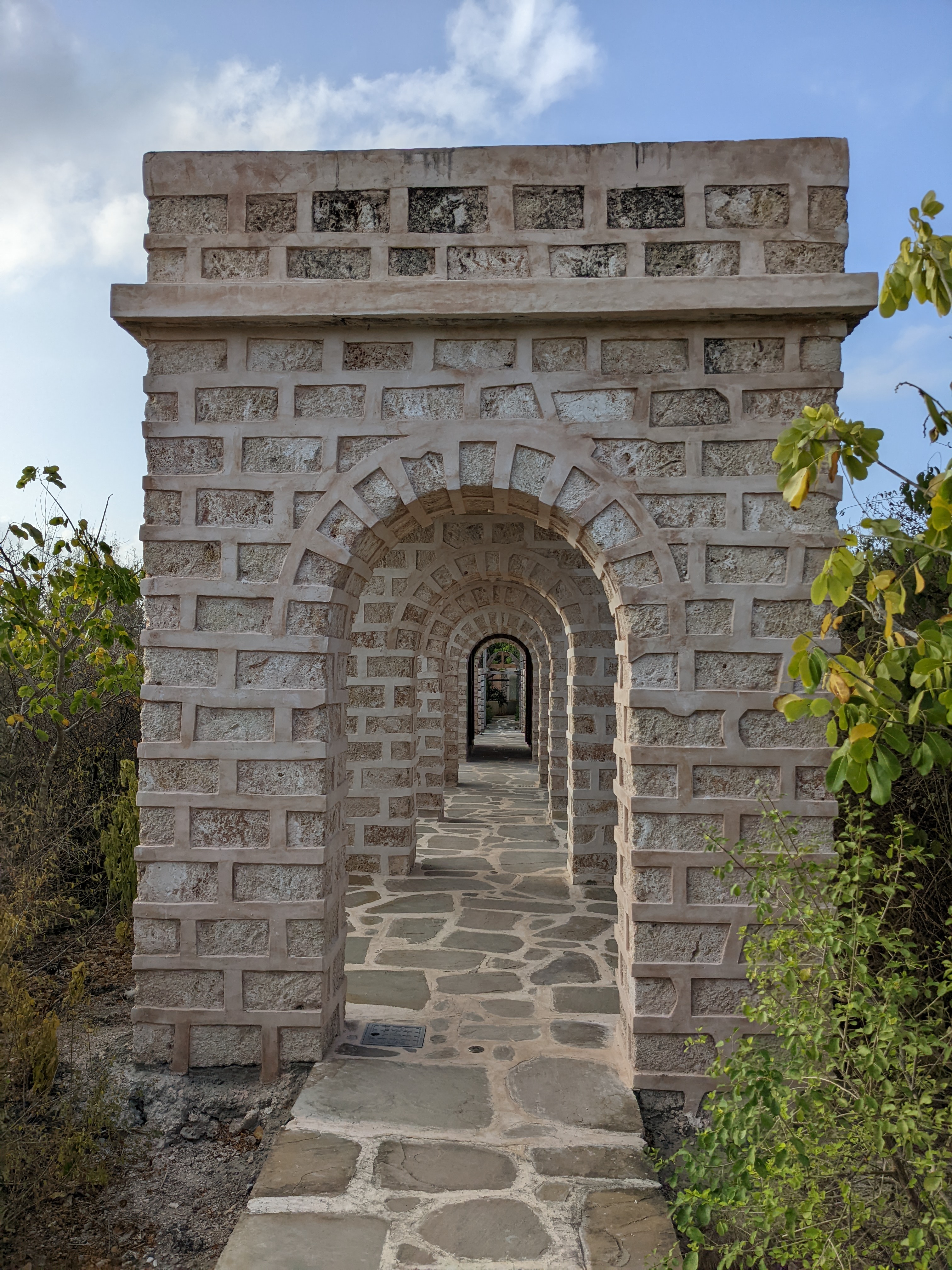
If Dwayne ever leaves me, it will be for an older model, made of blocks, mortar, and generous arches. Gaga for architecture, Dwayne is, and Italian influenced Kenya coral renaissance rung all his bells.
Good times on the beach side of Malindi! Finally caught up from my general NW vitamin D depletion.
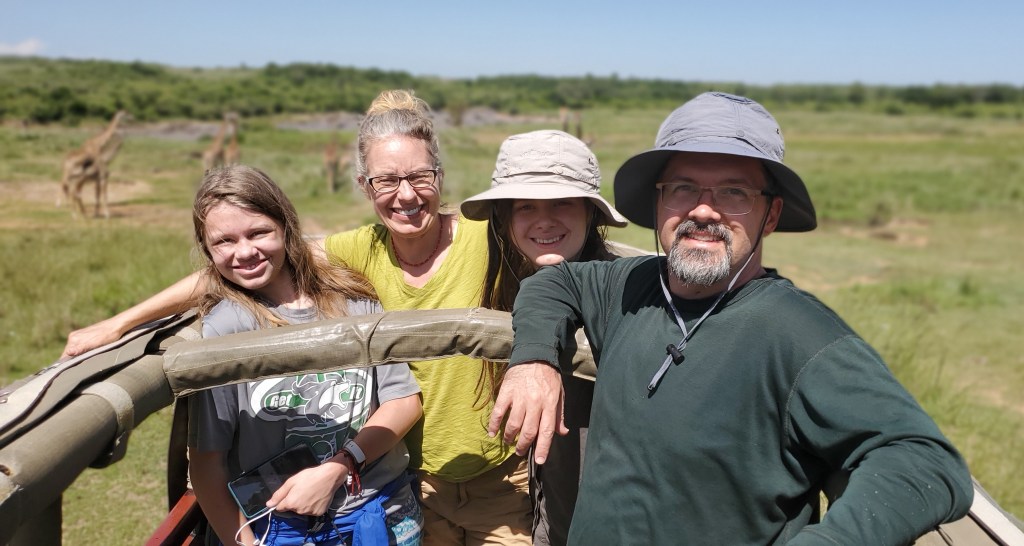
We’re not really missing a child–he was either back in the camp pool or napping. Wes was both safari-ed out and suffering stomach aches as we ended our tour.
We have arrived at our fourth and final safari camp, Interpids Mara on the Masai Mara! As great as each place has been, I do think they saved the best for last.
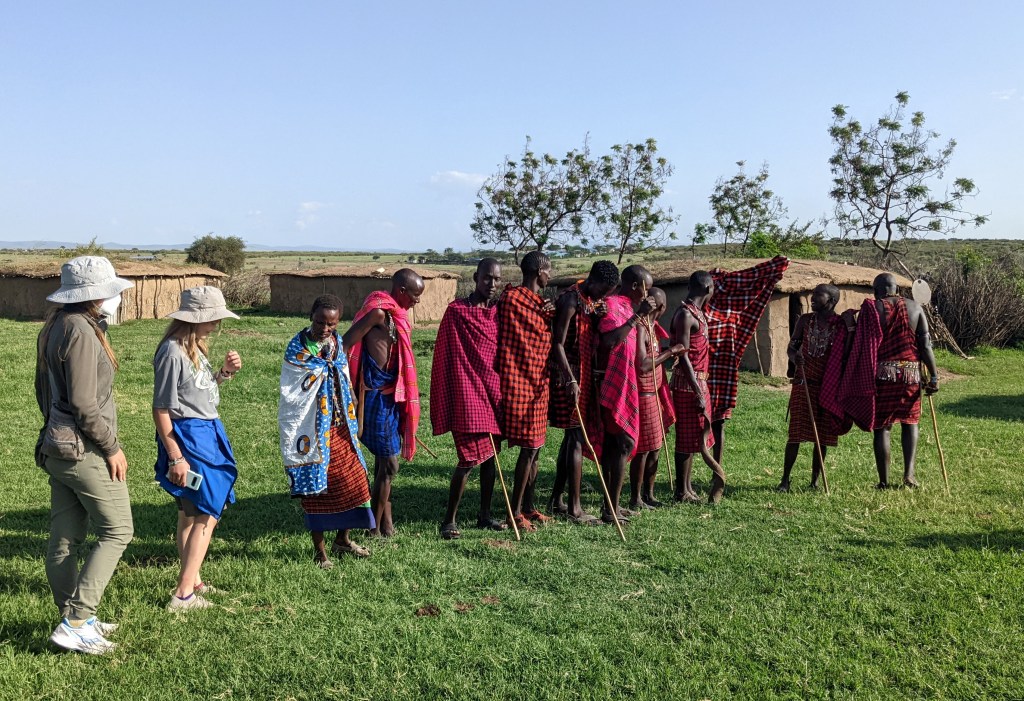
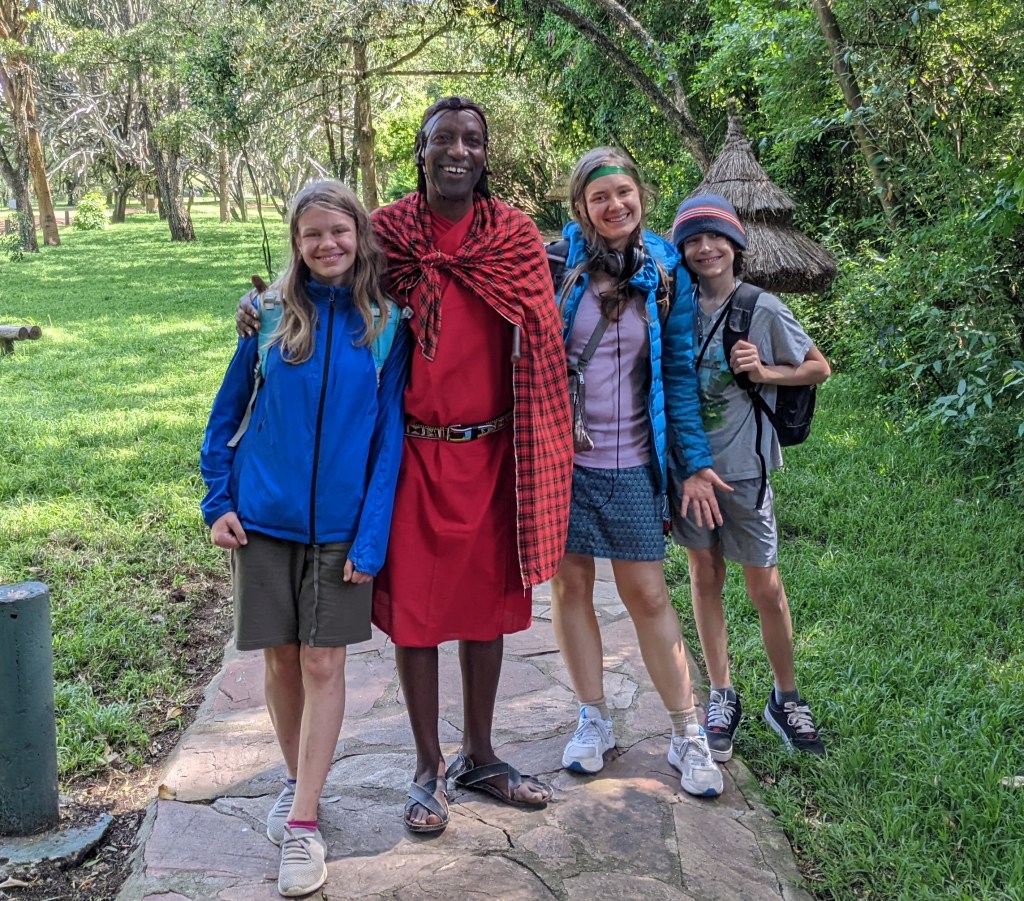
The Masai refers to the people of the area. The Masai are recognizable from any stock photo, with their red plaid blankets and decorative dress. Other tribes believe their height, slenderness and beauty come from the tradition of bleeding their cows and mixing it with milk to drink. Regardless of the means, the Masai are a distinct tribe in a nation of more than 40 tribes.
Not quite just any stock photo–Dwayne and the girls visited a Masai village while I stayed behind one afternoon with an unwell Wes. It was reportedly a full cultural experience and a complete money shakedown.
Mara basically means plains or grasslands valleyed between mountains. The landscape is beautiful, and it makes game drives jaw-dropping regardless of animals spotted. It is easier to see across expanses, and the recent rainy season has made the grass tall and green. Samburu dust has been exchanged for some mud, but the Land Rover can more than handle it. Also, the roads are more suggestions than limitations—when wildlife is spotted up on a grassy hill, our guide just takes the Rover off-roading so we can get close to the animals, who never seem to care about the weird-wheeled beasts that hang around so much. (Shh. We found out on our last day that he would get a $100 ticket if caught by a park ranger, but there are few rangers and lots of land.)
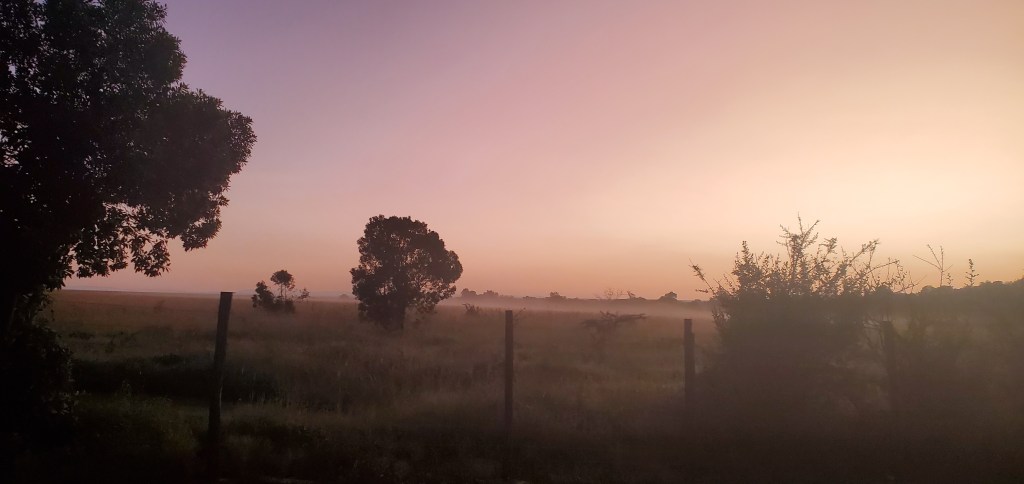
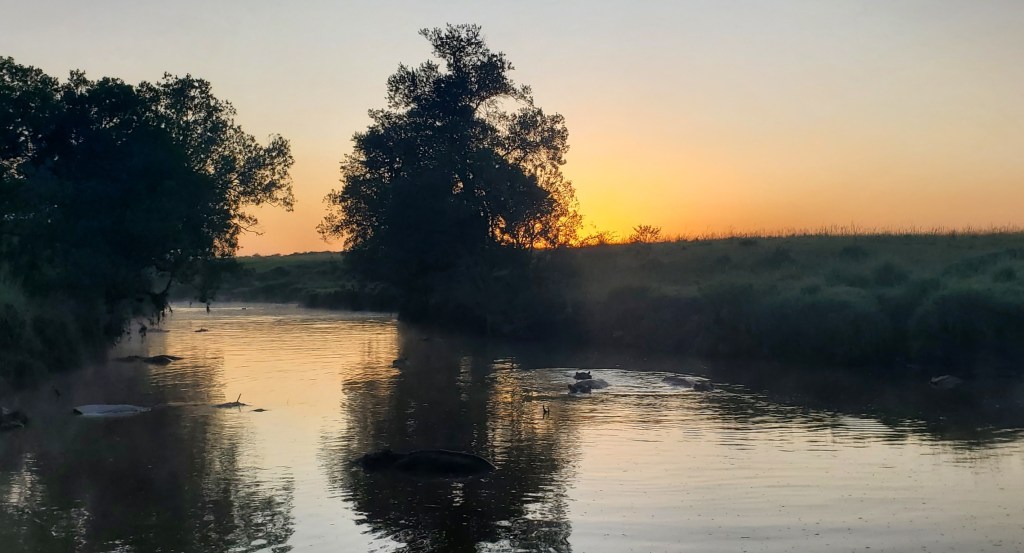
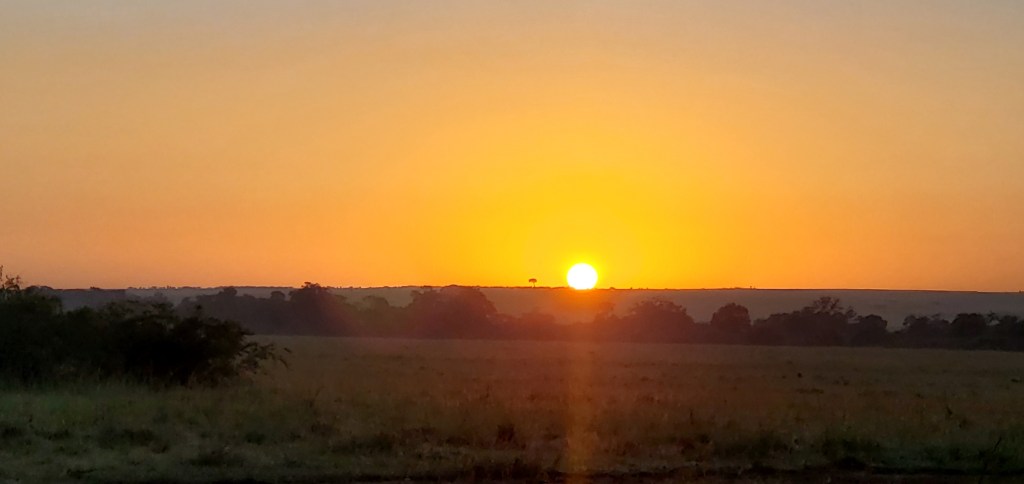
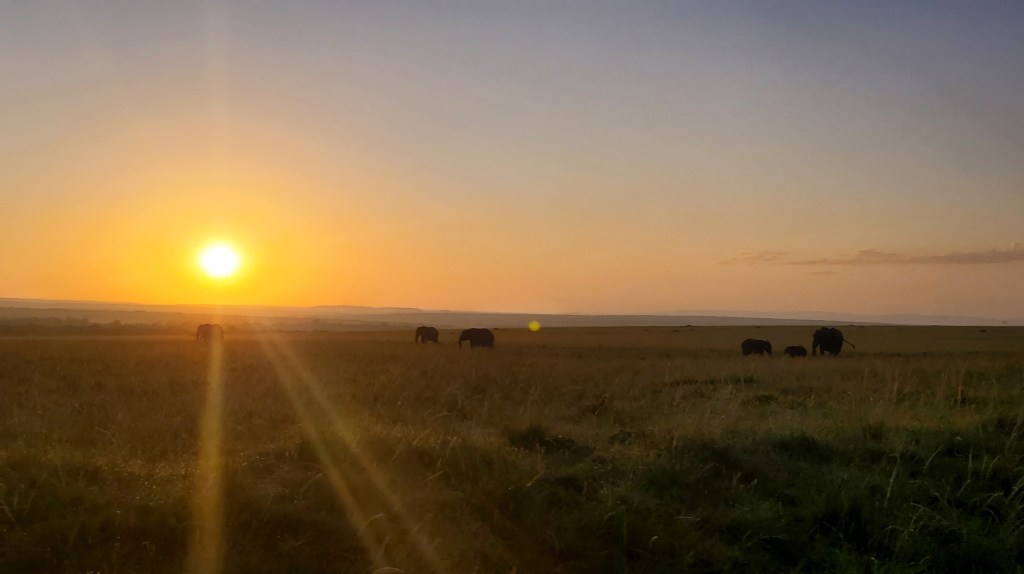
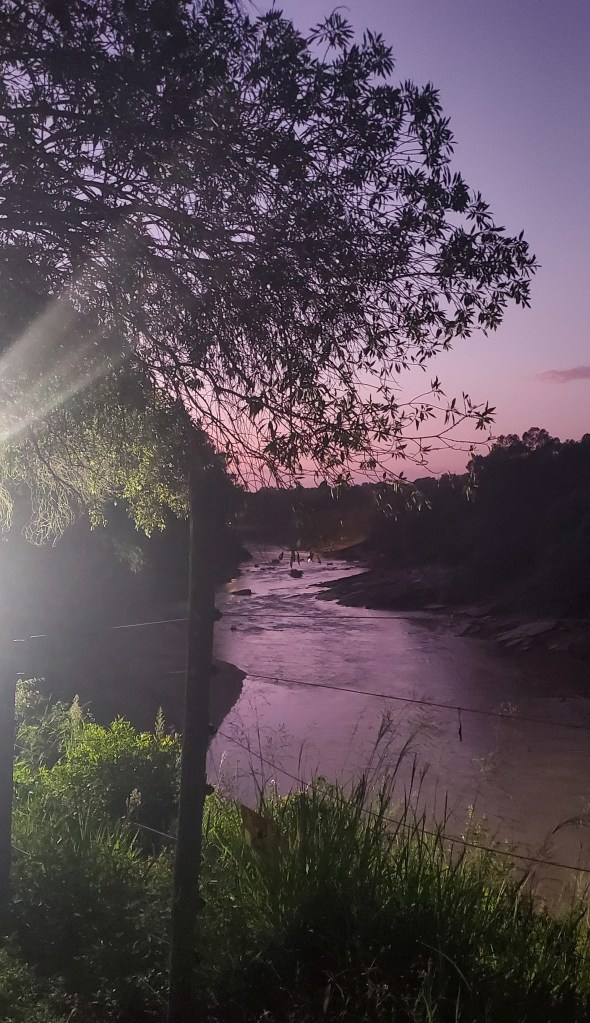
Sunrises and sunsets over the Masai Mara. The sun kept getting photobombed by animals.
Sunrise as we left our tent for a 6:30am game drive.
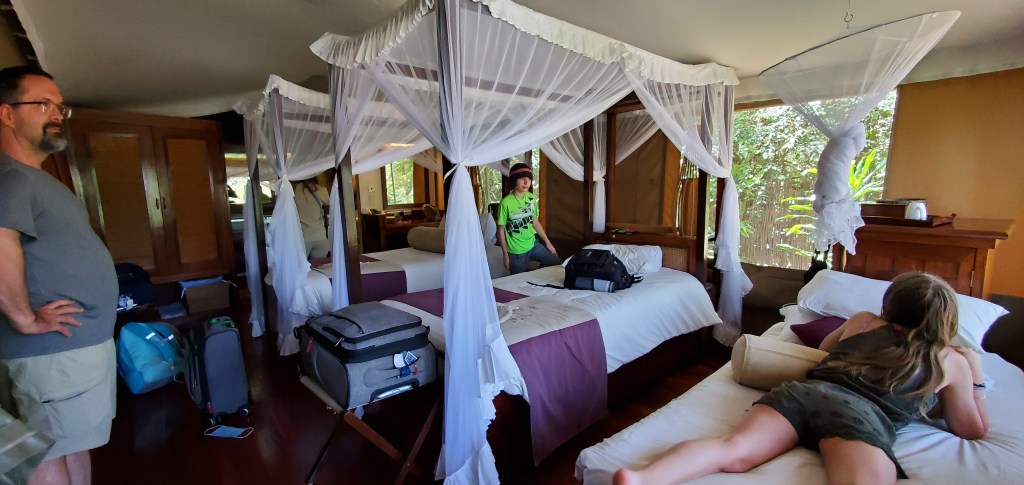
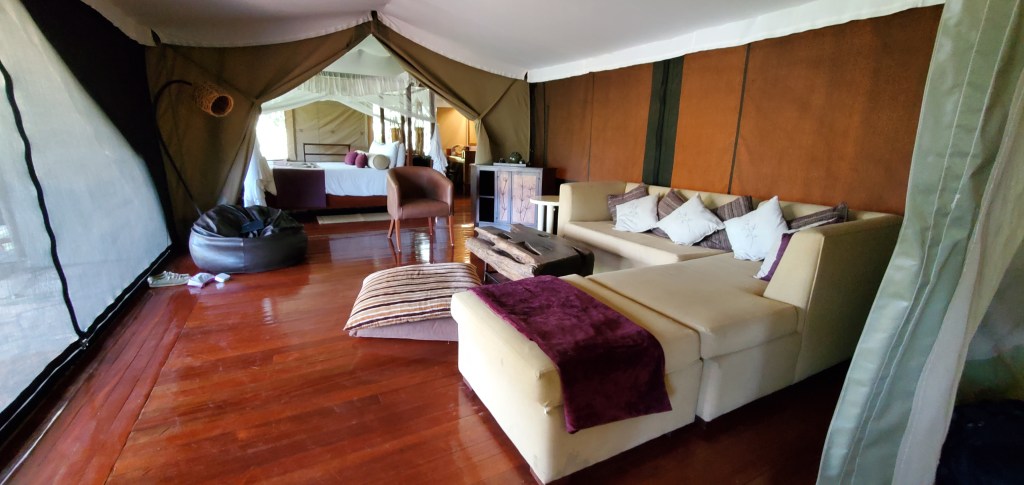
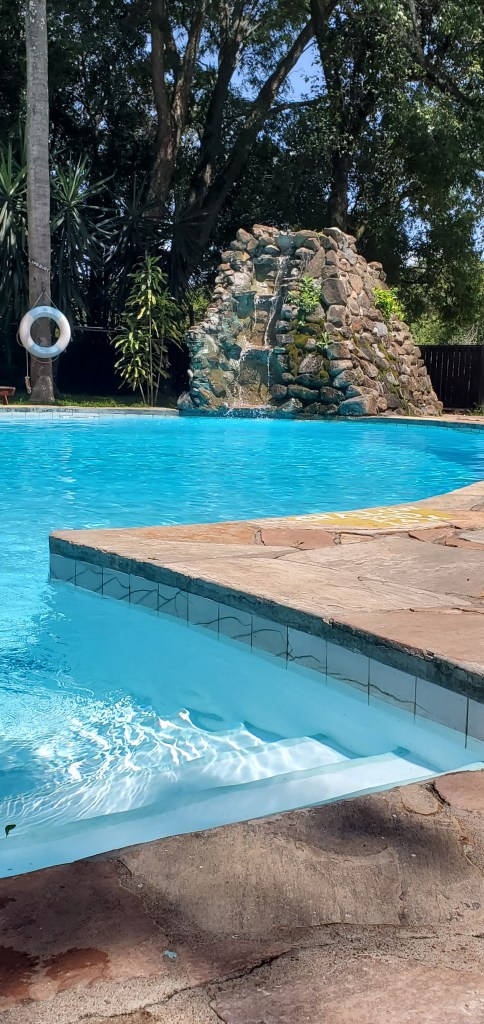
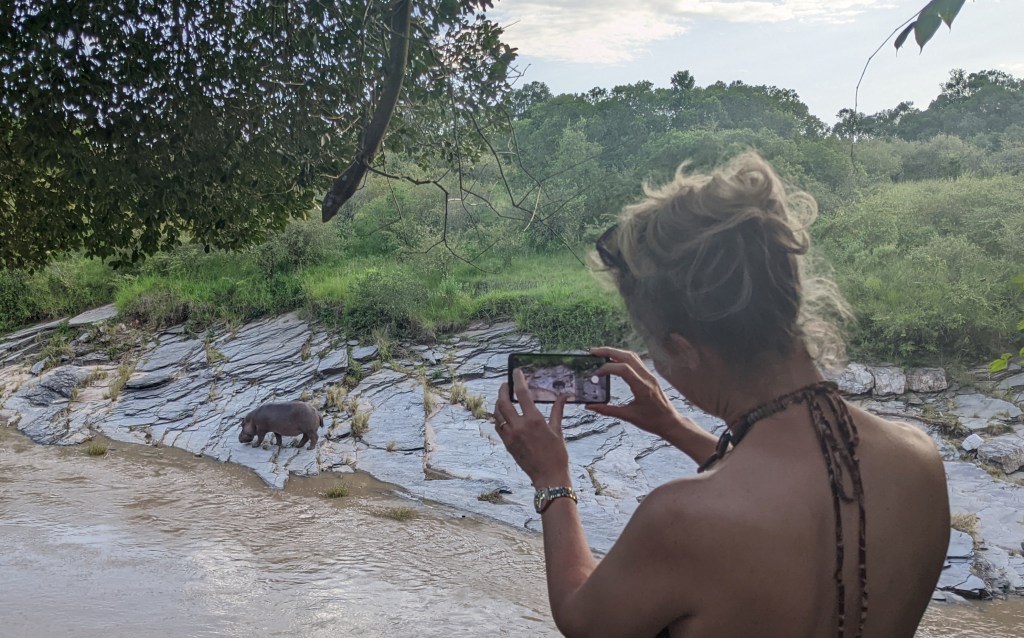
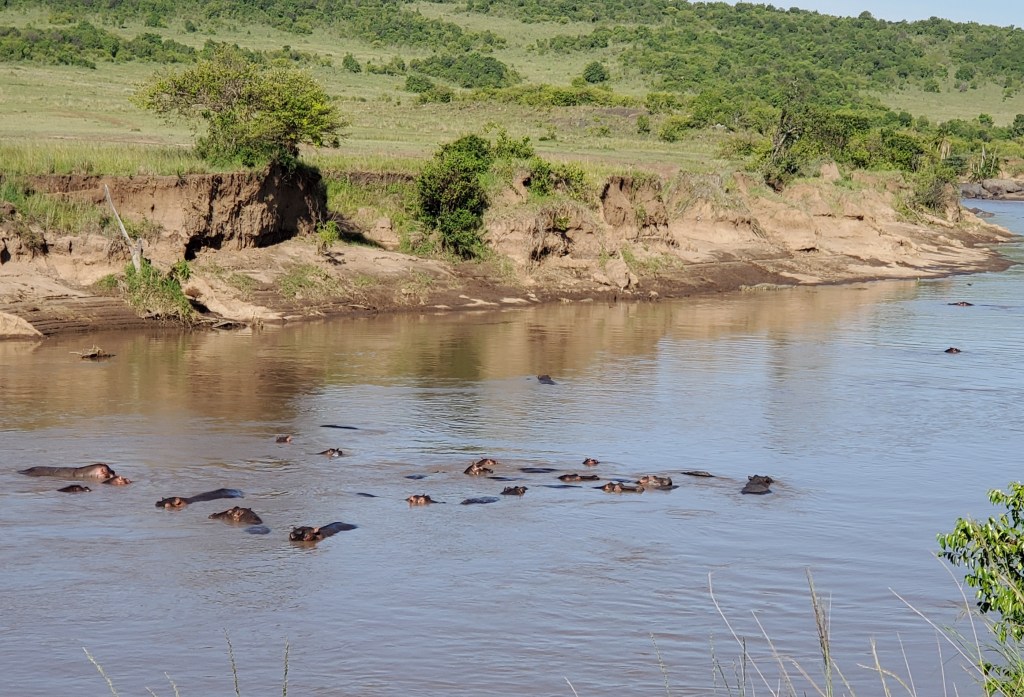
The camp itself is the Safari Camp Ideal. It is built around a river bend, where hippos submerge in the day, and graze around and bellow at night. Mongoose (mongeese? mongooses? A little help here, please!) travel in happy packs, looking like moving dirt piles and very frolicky ferrets. And our tent! We have two tents that are connected with a common living room, and it is perfect. The swimming pool has a small waterfall feature which makes Dwayne’s building fingers itch to create one himself. If you could go to only one safari location, make it Masai Mara, regardless of where you camp. (If you get to add a second, Ol Pejeta easily makes the cut.)
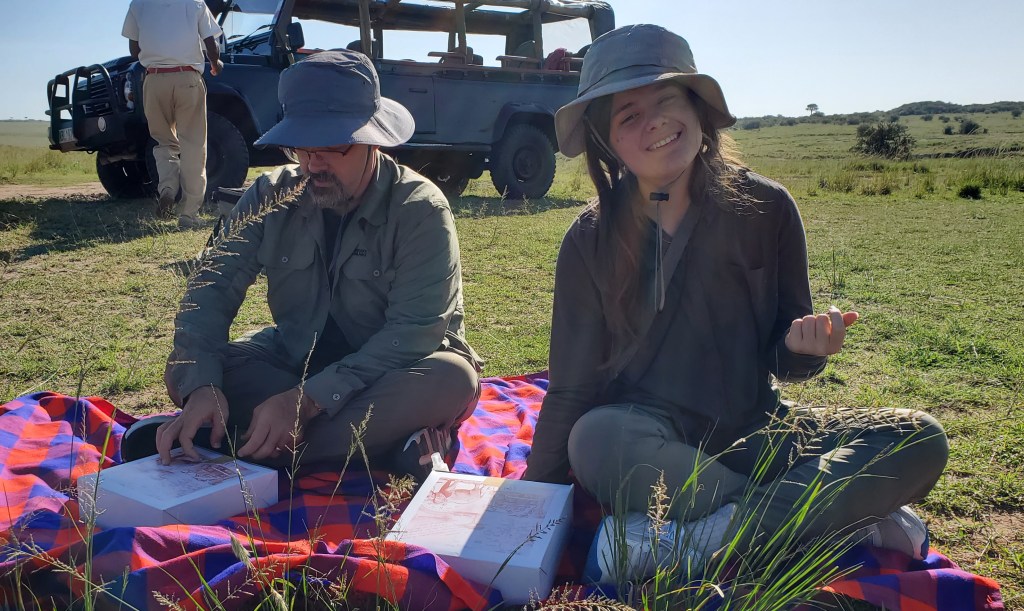
A true bush breakfast! It gave us the strength to let driver Simon do all the work while we sat in the Land Rover for 6 hours.
This was the only camp that did the sunrise drives. On the second morning, we* packed a boxed breakfast and stayed out for 6 hours, finally “catching” our leopard. We also finally got to see our cheetahs! The pack-that-used-to-be-5-but-is-now-3-even-though-cheetahs-are-usually-solitary showed up and we watched them cross the river where the water was shallow and fast enough to not be inhabited by crocs and hippos.
Even though we had seen several of these animals at other camps, we often saw them in larger herds and the vast grasslands produce different behavior than dry scrub.
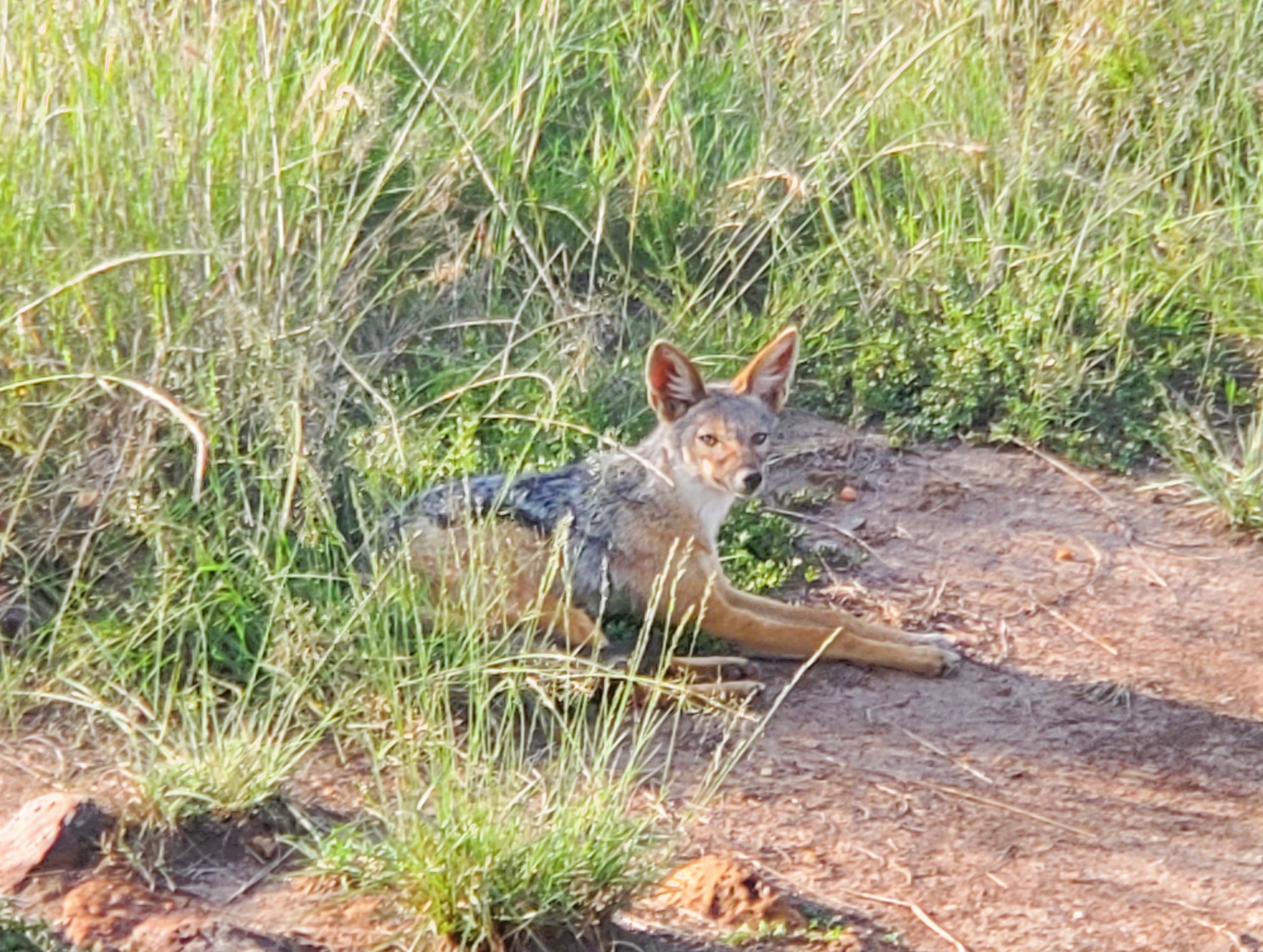
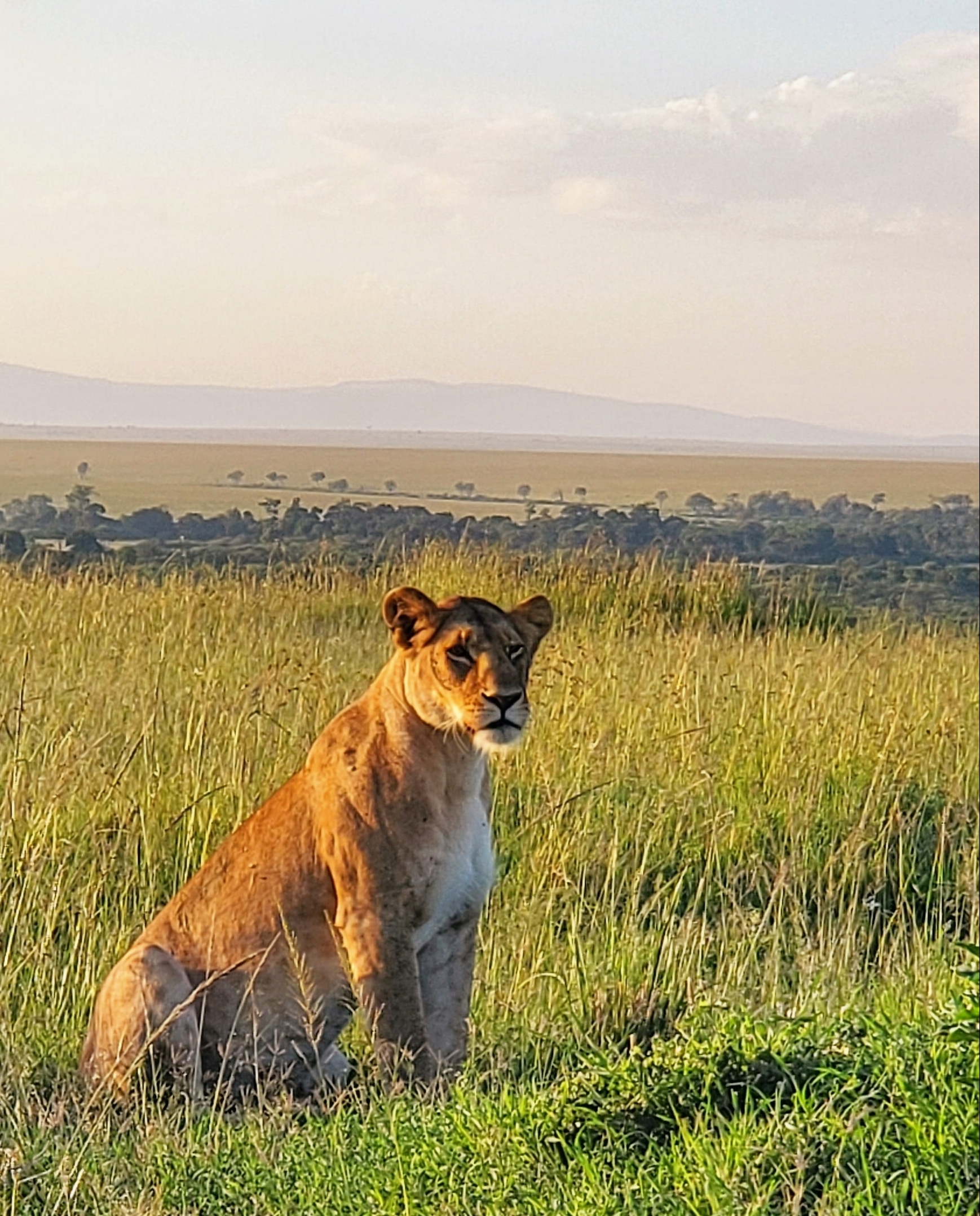
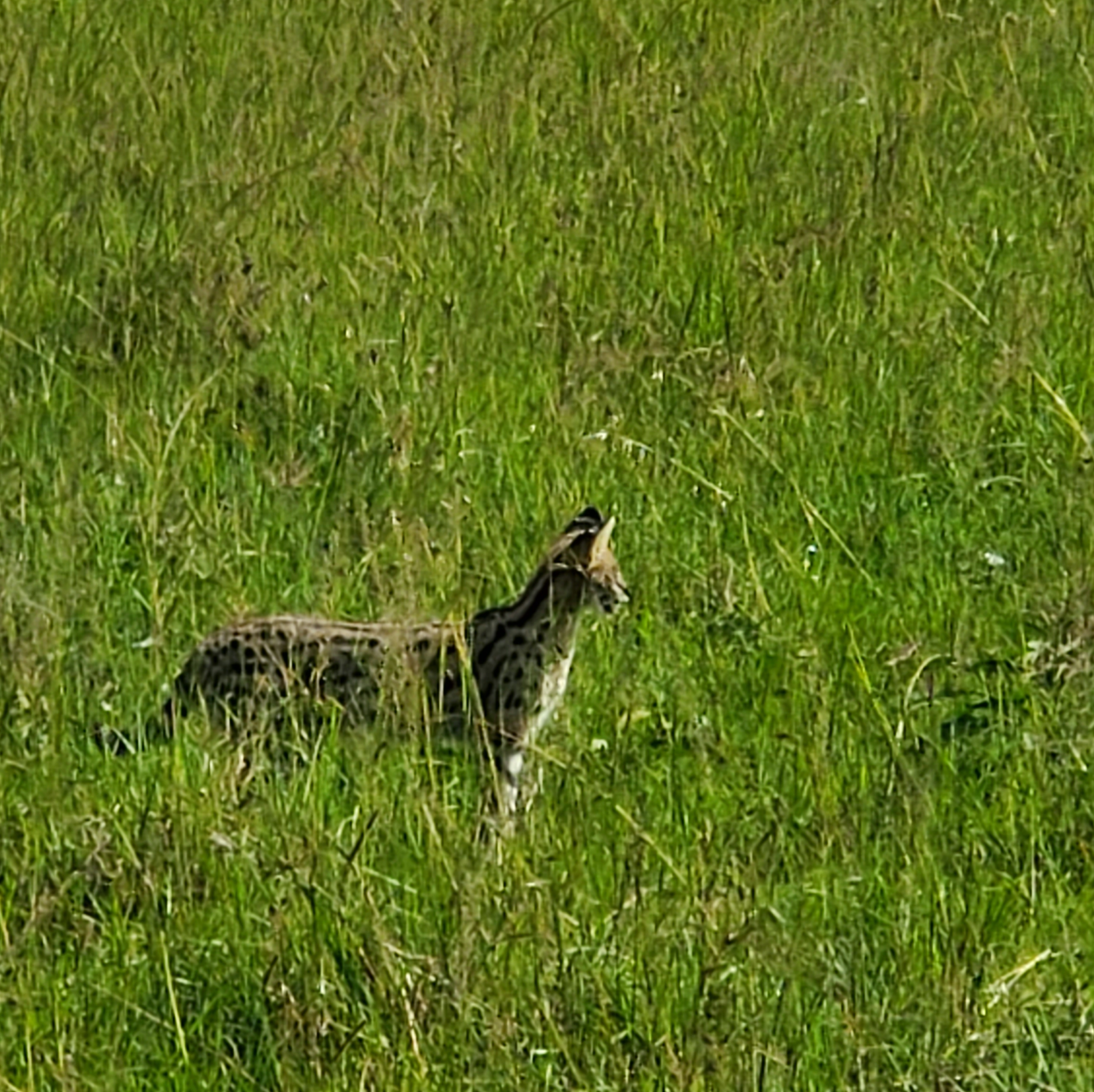
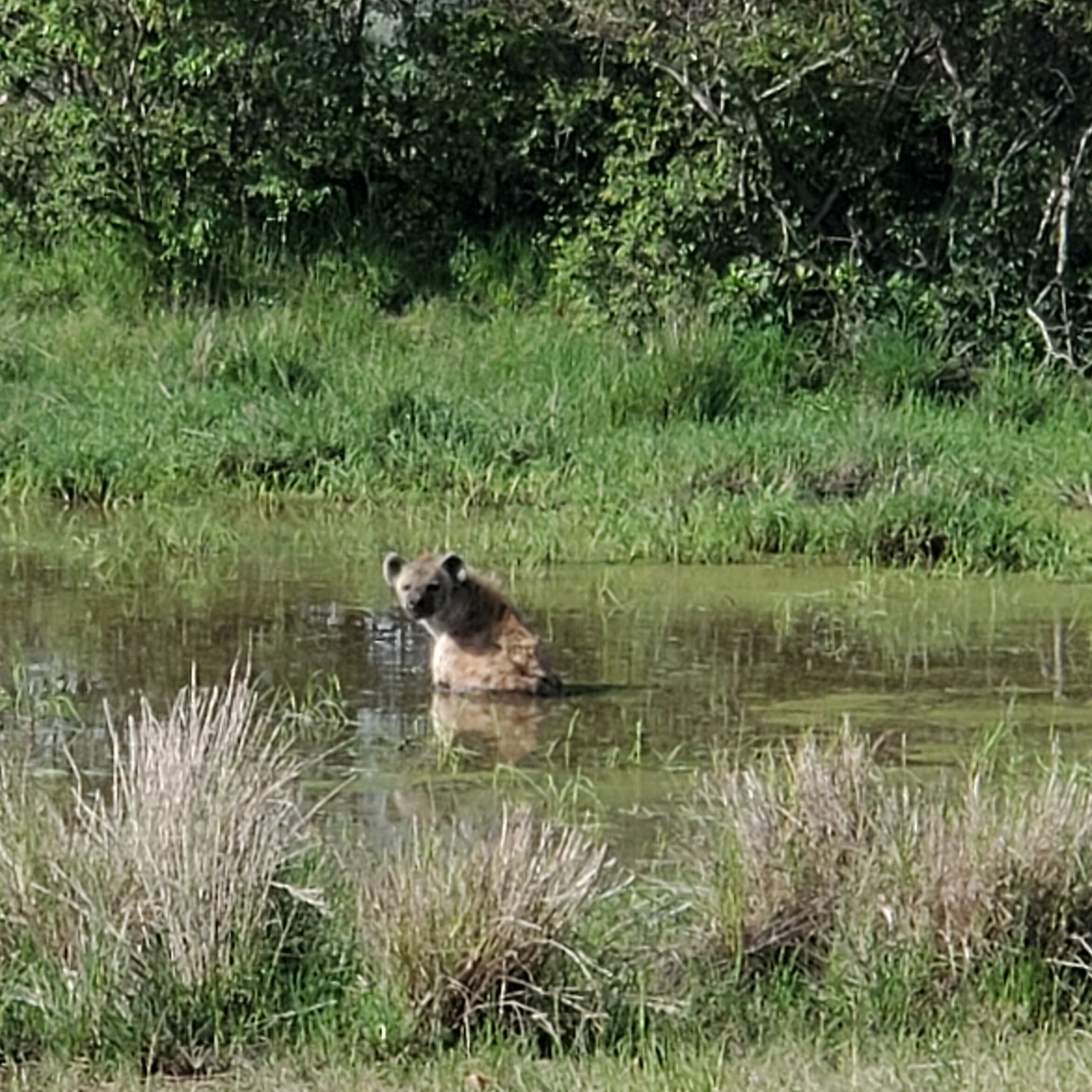
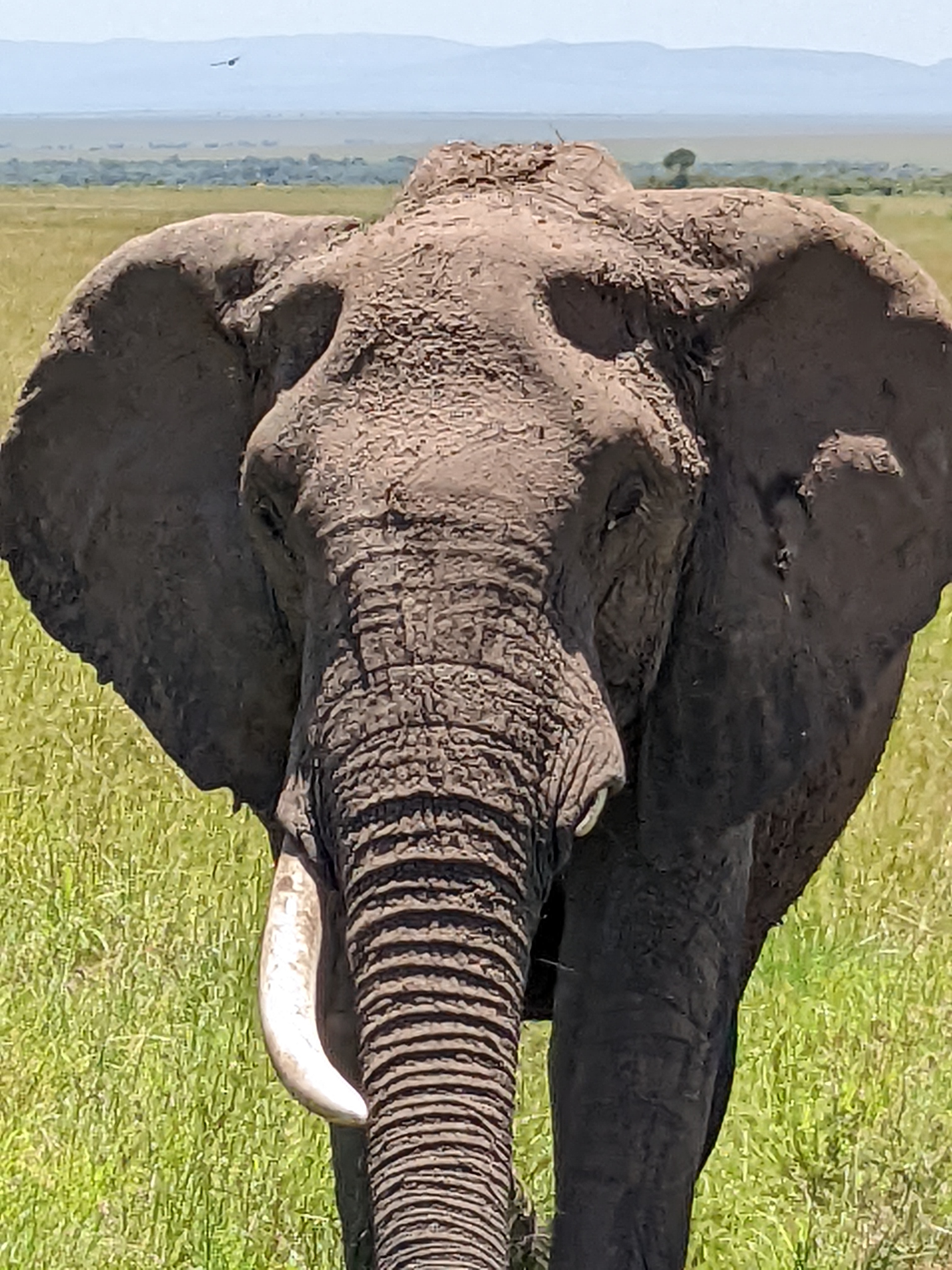
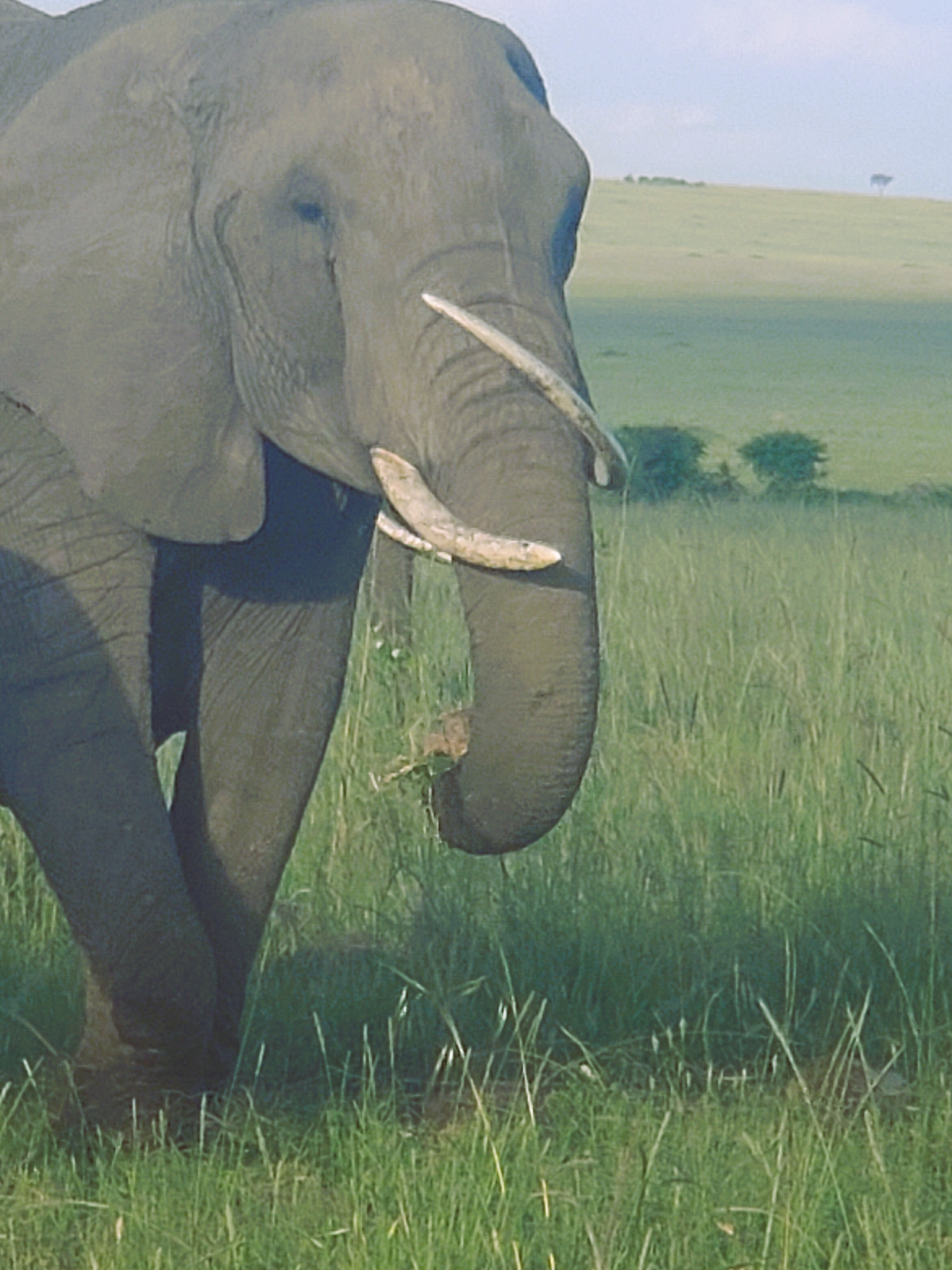
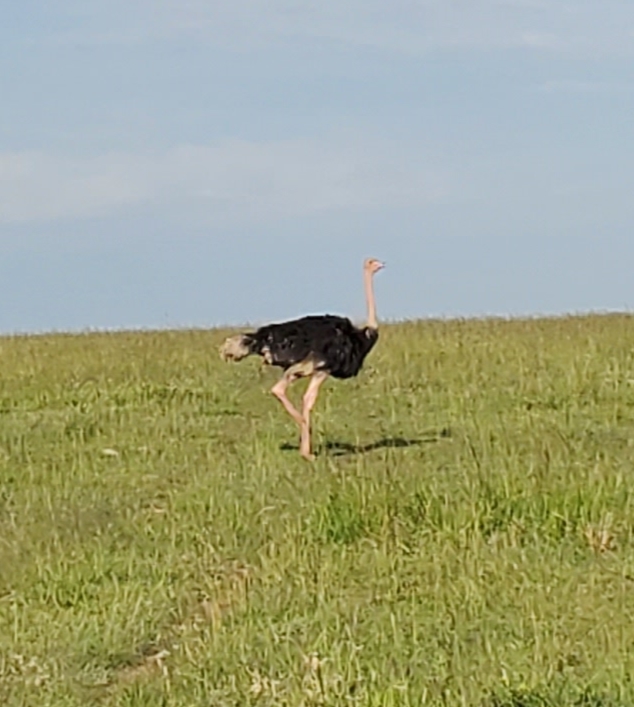
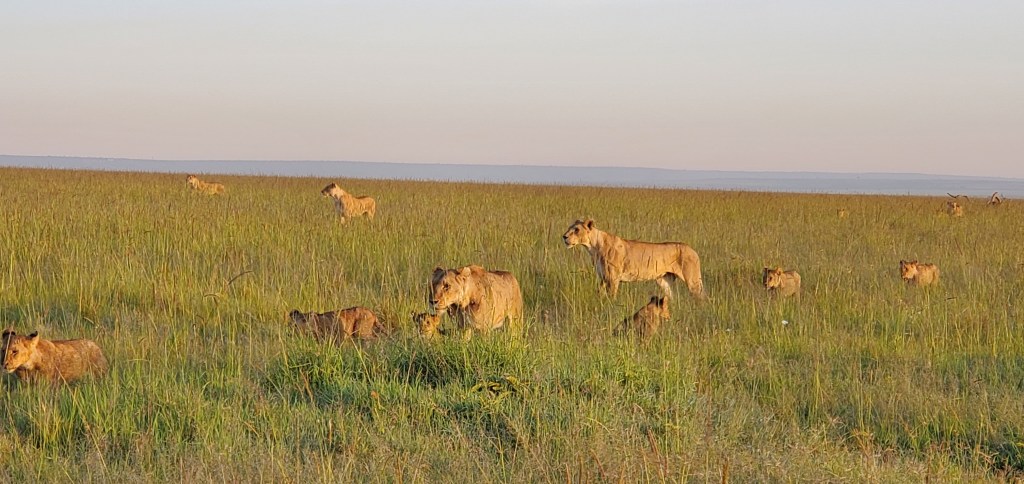
These were a few of the animal highlights:
(1) By this point, we had seen lots of lions–males, females, and cubs. But this particular pride was dripping with cubs. They also had more than one male, but they don’t hang out with the women-folk and cubs. A particular hobby of males is killing cubs that aren’t theirs, so most days, lionesses play “hide the cubs”. A lioness will nurse any cub of her pride, which is handy when there are so many cubs. Can you count the lions in this video? I got 21.
(2) It is so wild to see a bloat of hippos in every stretch of the river! We caught them a few times out of water, but they spend the daytime mostly submerged.
(3) The non-devious hunting attempts and casual rubbing shoulders of predators and prey surprised me. They didn’t seem any less successful than the careful prowling and hunting of the lions, who we saw organize ambushes four times and never successfully.
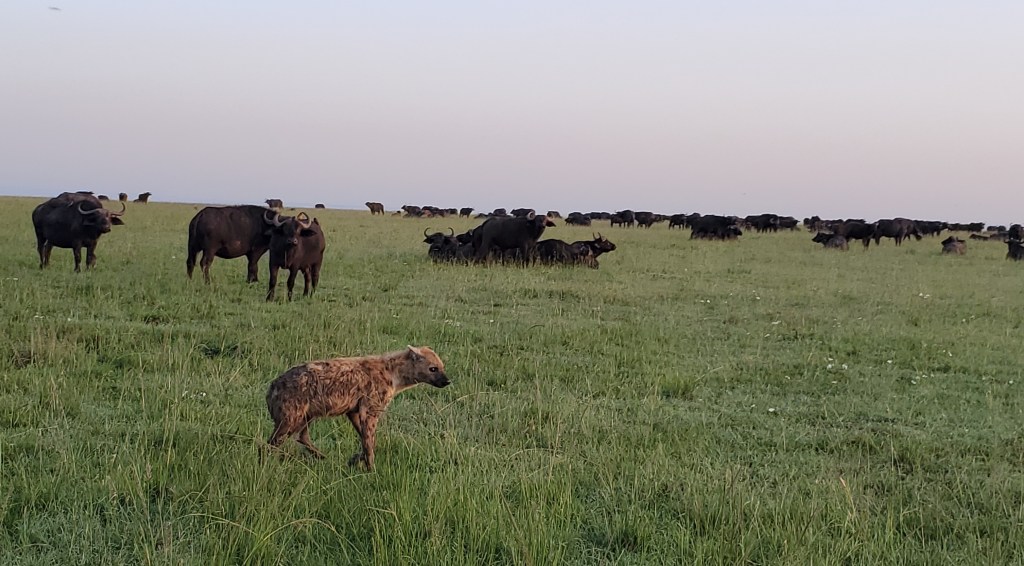
An obstinacy of Cape buffalo keeps an eye on a few hyenas waiting to eat newborn baby buffs for breakfast.
I was both amused and horrified that this mother trotted away from her new calf–it must have been just minutes old. However, baby caught up to mama before hyena caught baby.
(4) We witnessed the strict control of the male impala over his harem. At a whiff of danger, he gathers them close. But you know how long a male’s reign lasts? Truly, take a minute to guess. Because they must remain vigilant against predators, and keeping the ladies from going off to the bachelor group (where the boys go when they are butted out of the herd by the dominant male as soon as they sprout horns), they eat little and quickly lose the strength that won them the herd. They are dethroned and return to the bachelor pad in about two weeks. Only a small number of females can get pregnant in that short time, and so the herd eschews inbreeding. I am fascinated.
I have to add one more highlight of the Intrepids Camp. Chief ran an afternoon explorer camp for kids of all ages (seriously, if you are old enough to walk, you would love the afternoon activity). Kyla did Masai beading one afternoon and made me my favorite Kenyan souvenir. Kyla and Wes made bows and arrows and had a shooting contest, and the one that Piper loved, took plaster casts of animal prints found around camp, and then pressed them into the dirt to make their own trail. It was followed by a pretty great obstacle/parkour course. Chief also did evening talks with slideshows of the Great Migration (that goes right through the Mara in July and August, and I will never witness it in person because, for every million wildebeests, it sounds like there are a thousand humans), and the Big Five. He is also possibly one of the most personable people I have ever met. Even Piper liked him, if you need a personality testimony.
Chief and the kids saying goodbye.
Thanks for joining me on our 11 day Kenyan Safari! Meet me in a few outside of Malindi, on Kenya’s white beaches?
*Truth: a 7-course boxed breakfast was packed for us by very attentive staff who also delivered hot water bottles and food to Wes, who stayed back because 1) he was having Terrible Tummy Trouble, 2) he gets bored easily if the animals aren’t Minecrafted, and 3) his mother hasn’t been able to sell him yet. Yes, the first one is reason enough but when a kid goes that long in a foreign country without eating fruits and veggies in spite of his parents’ entreaties, the heart hardens a bit.
Simon, dropping us off at the airstrip on our last day of safari.
You shiny beast, you impeccable ride,
No matter the water, you get us to the other side.
Over mud, you are nimble; over rivers, quick.
Not once did we ever…stick.
So you can’t call me a loser;
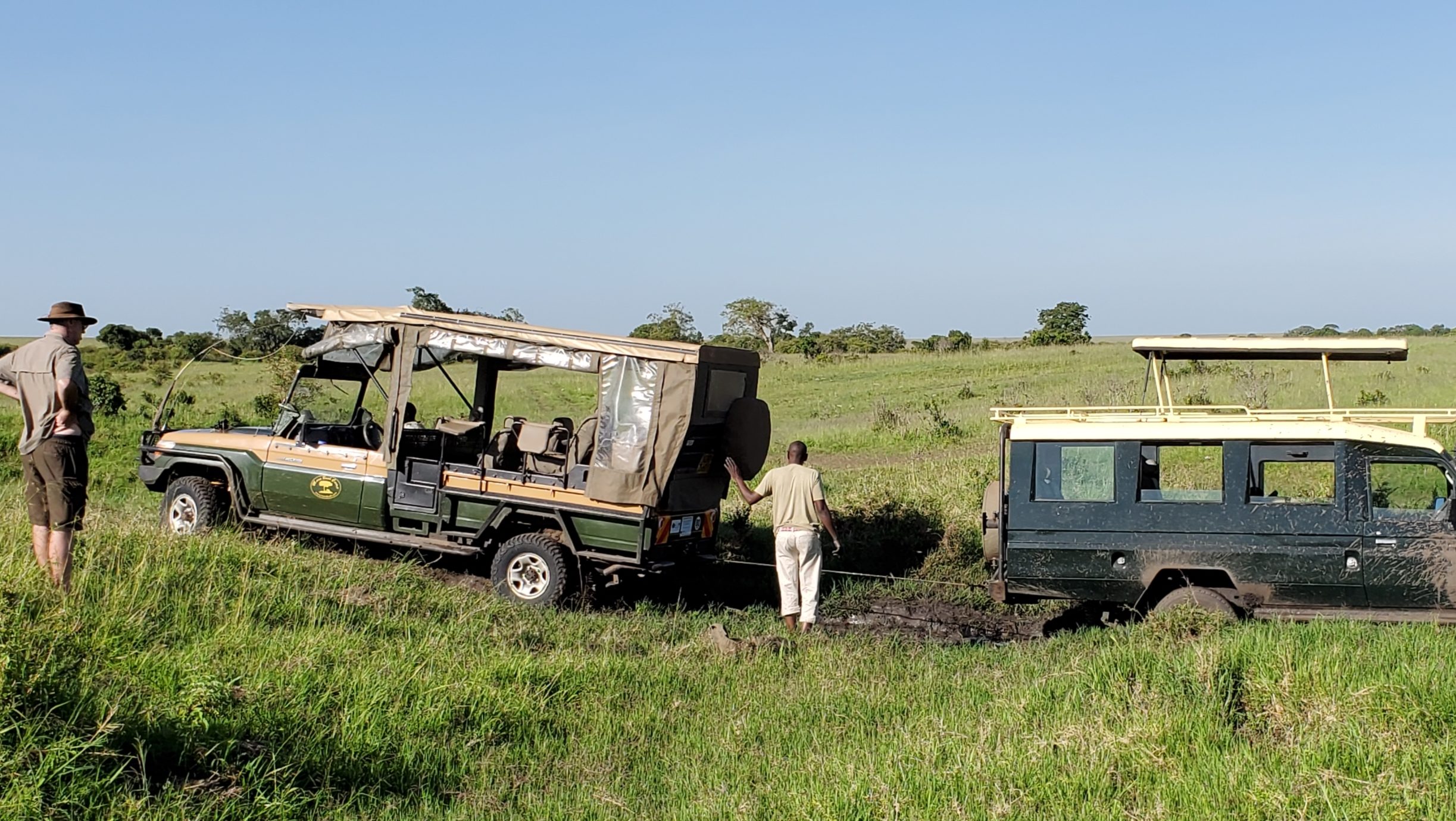
We just had to pull out your Land Cruiser.
True story.
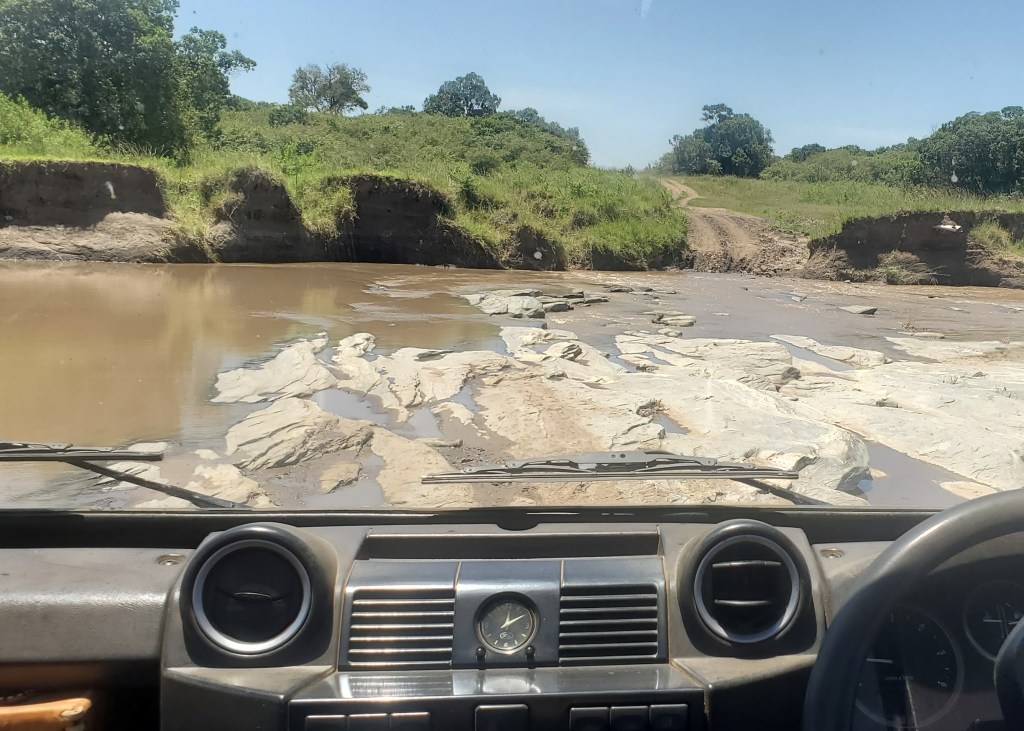
Seeing where Simon would take the Rover quickly became one of my favorite parts of game drives. This crossing was one of my favorites: jagged rocks covered in several inches of water, hippos to the left, a monitor lizard on the right, and the destination an angled, uphill muddy slop. Simonisamazing became one word.
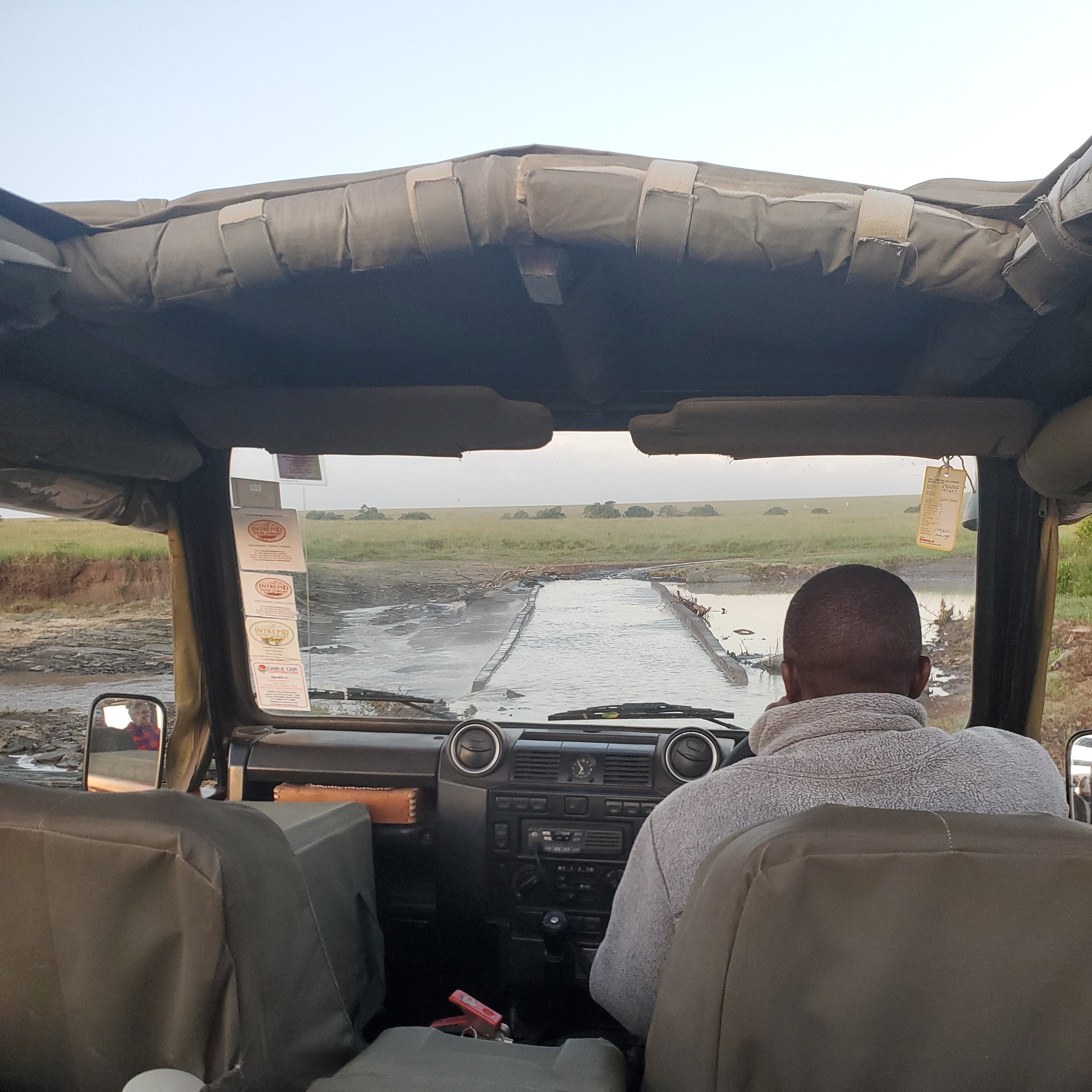
Just some of the park’s infrastructure.
Just a washed out bridge with hippos upriver? How pedestrian.






































































 Needopedia