Of the nine UNESCO sites in Barcelona, Antoni Gaudi designed seven of them. He is a Big Deal. Which is why I’ll pretend I knew all about him long before setting foot in Barcelona.
Gaudi (gow-rhymes-with-cow DEE) was an architect in the late 1800s until his weirdly anti-climatic tram death in 1926. By almost any standard, he was a Genius. After exploring three of his works, I’m mostly Team Gaudí and Dwayne is mostly not.
“Originality consists of returning to the origin,” said Gaudí, summarizing his deep desire to build the greatest reflection of nature he could design. Let’s see if I can show, not tell.
Casa Batlló
Kyla, Dwayne, and I toured this home designed for the Batlló family, where I crushed hard on the water-sky loveliness. It was airy and light and whimsical, and hardly a straight line to be found.
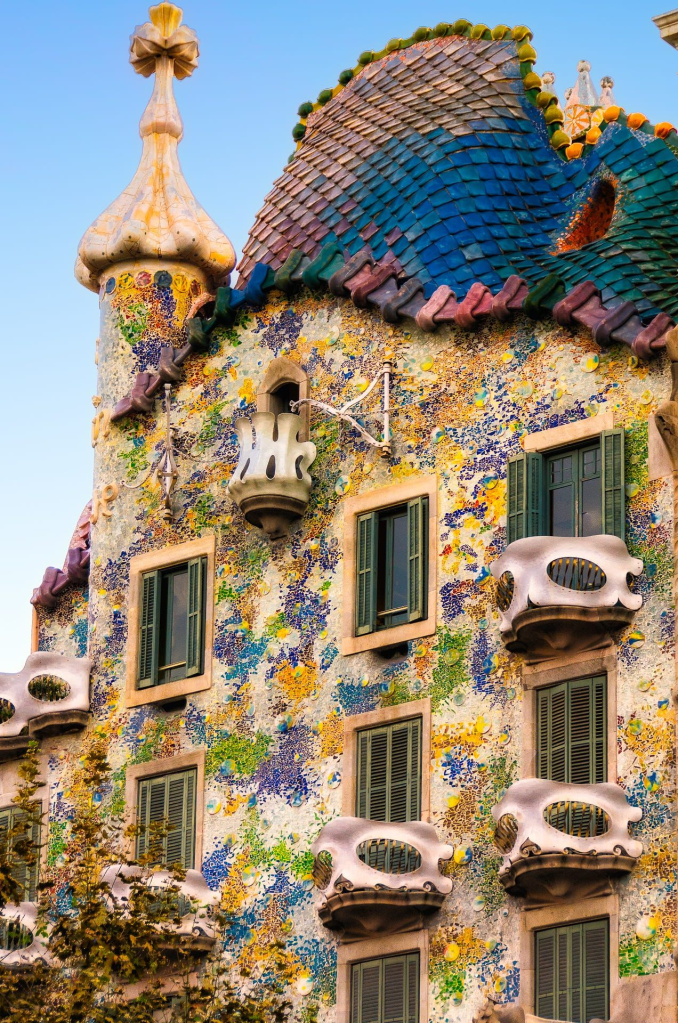
The upper floors of the exterior give off a “hippy sea dragon” vibe.
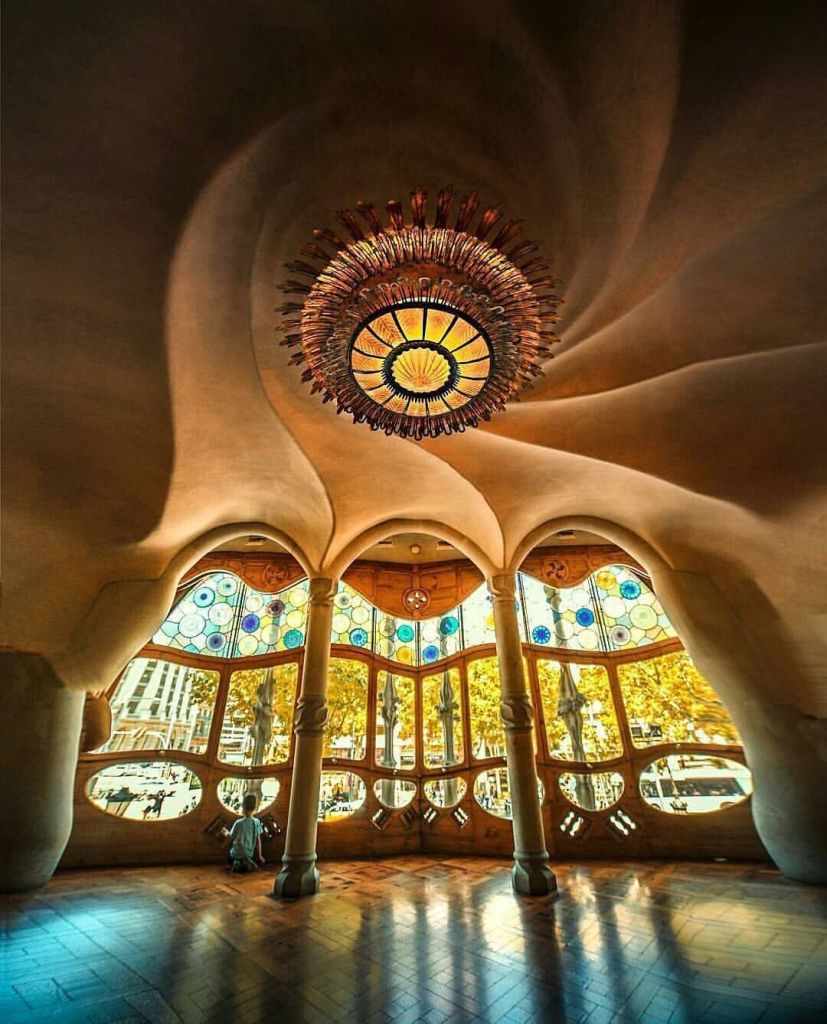
Another picture I did not take. This is the middle of the 3-room living room. The middle windows can lift fully, creating a glamorous balcony to wave to the bourgeoisie. I adore the stained glass and seashell swirl ceiling.
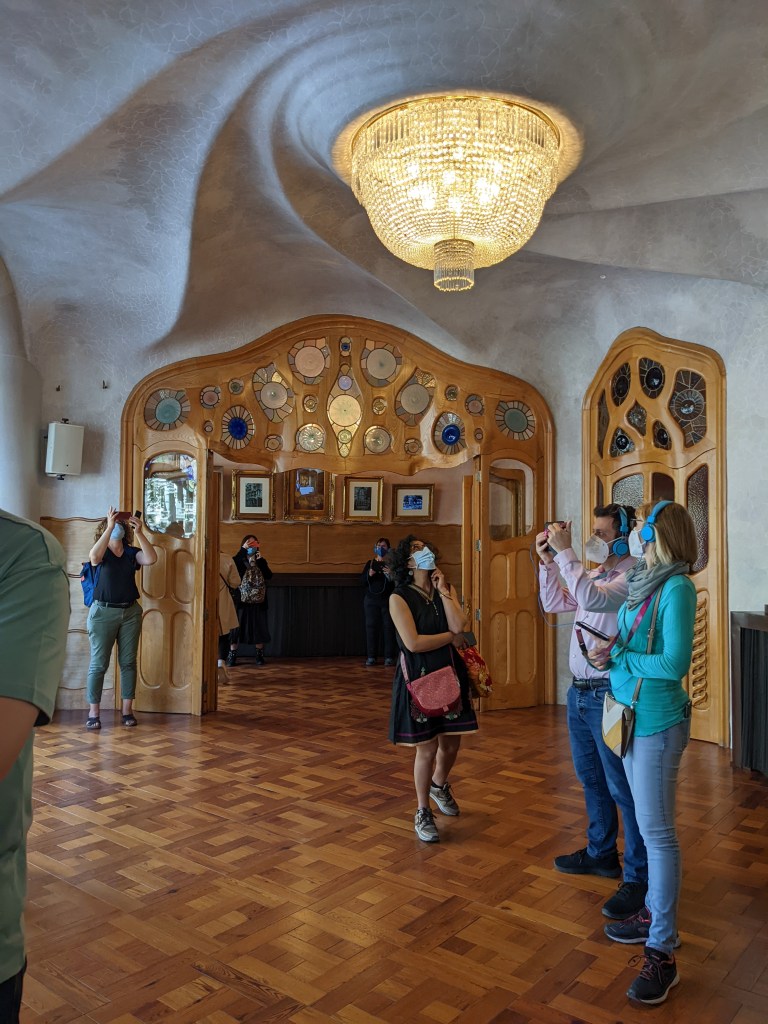
Those picture frames in the background? Digitial screens played “home videos” (actors in period costume) of the family entertaining, worshipping, and waving to the bourgeoisie in these main rooms.
I *love* this fireplace cozitarium, a place so inviting I had to create a new word.
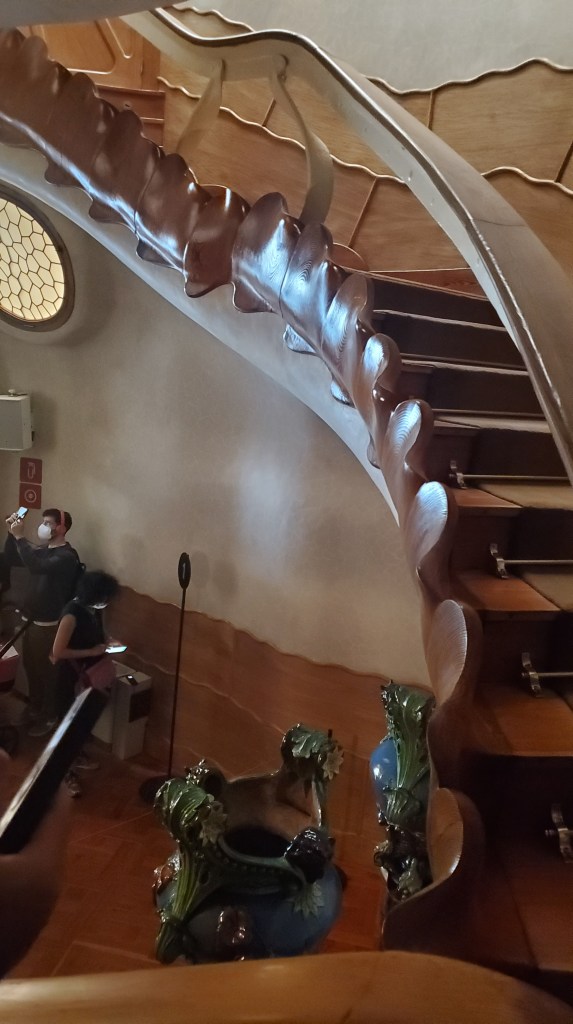
Just a regular old staircase, Gaudi-style.
Think a central chimney, but for air circulation instead of smoke. The glass barriers, the ceramic rope gates, the increasingly blue tiles upward, all give the visitor the calm sensation of a smooth sea.
Fresh air is not the only point of this tower–lots of light “flects and reflects” into the entire house.
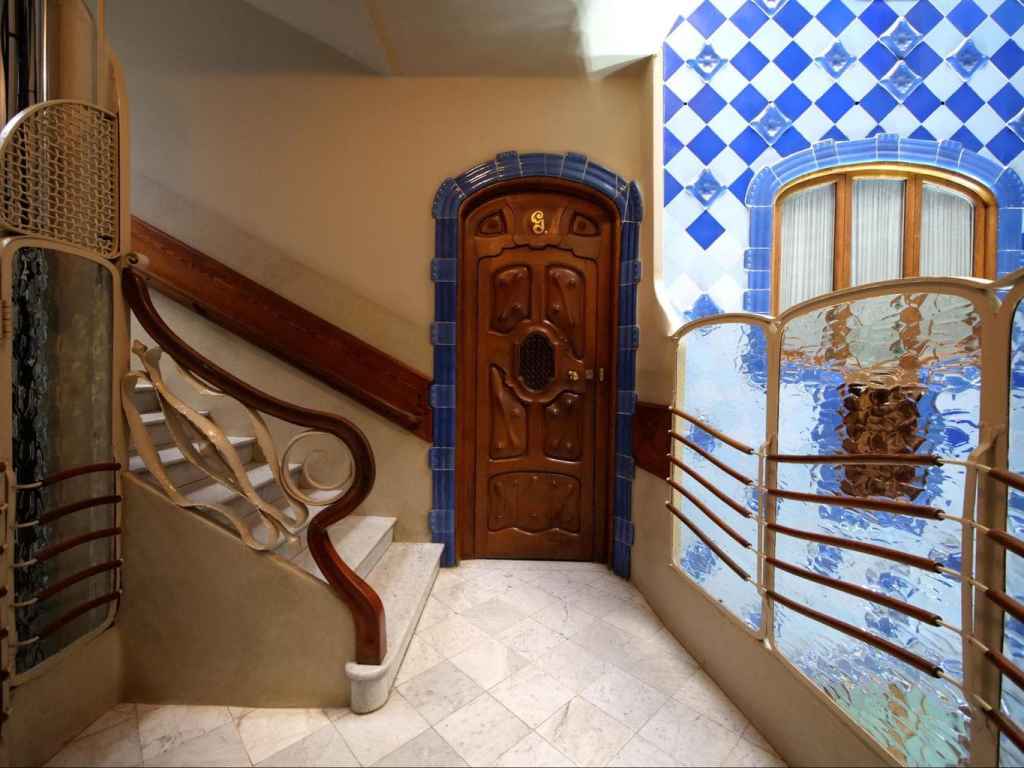
Nearly at the servants quarters, the usual drabbest of places was the lightest.
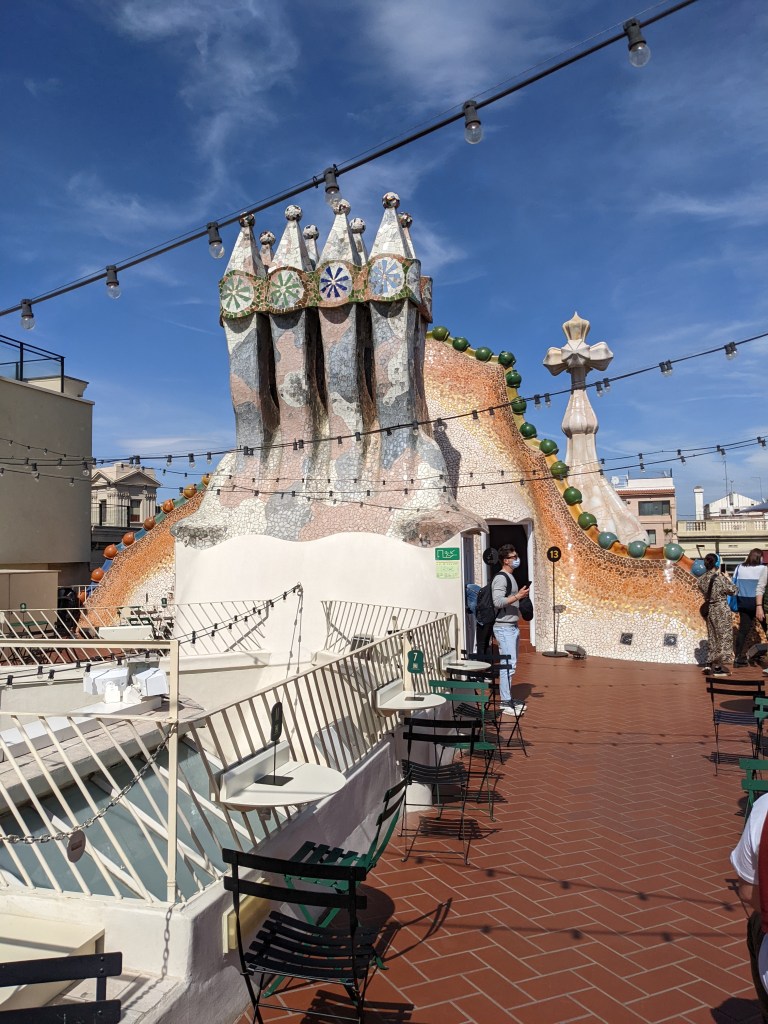
There were lovelier patios but the rooftop was a fun place to see how the chimneys became part of the motif.
Park Güel
I’m so glad we saw Batlló first. The park was crowded, inconvenient, expensive, and only amazing-ish. It was the first stop on a hop-on, hop-off tour bus and the excursion effectively murdered my children’s desire to see anything else that day. The park is famous for its serpentine bench that wraps around a very large terrace. Its display house (with an entry line that made me quickly walk in the opposite direction) demonstrated that melted-icing-over-a-sand-castle look that I associate with Gaudí exteriors.
The main entrance to “Park Guell”.
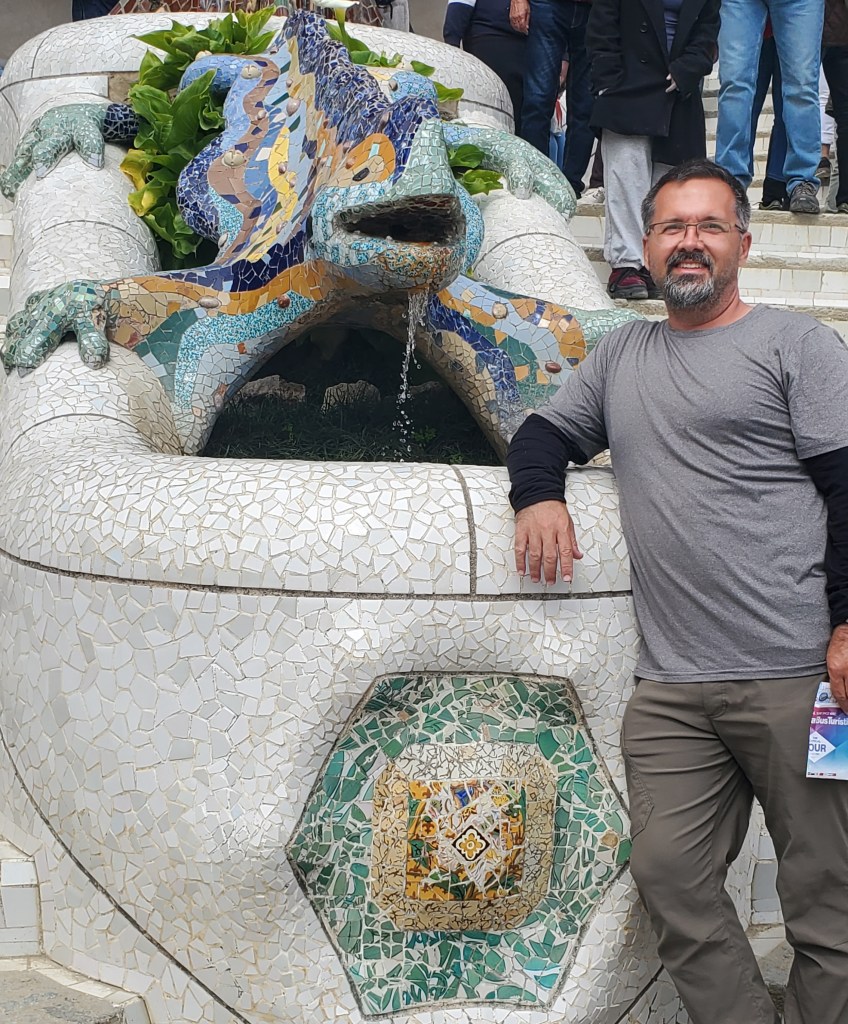
One of Gaudi’s fingerprints is the colorful tile mosaic on animal-like objects.
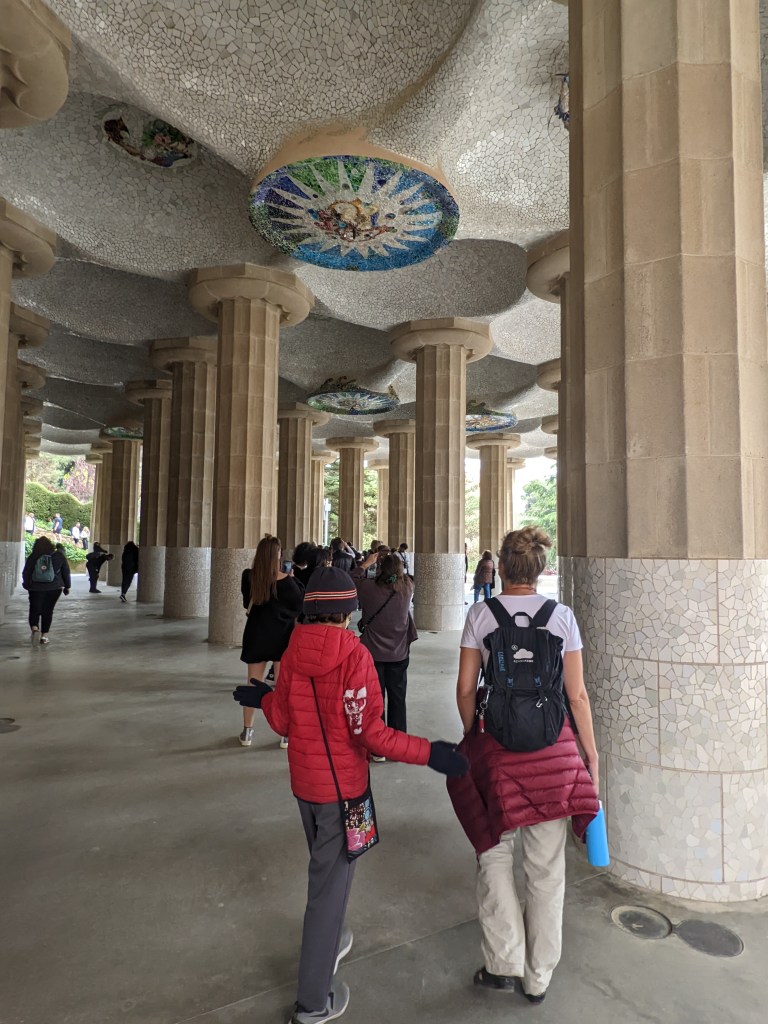
The sense of tall trees and clouds in the sky from pillars and weird ceilings is very Gaudi.
Here’s the smallest fraction of the serpentine bench, with some of the forementioned tile mosaics.
Am I the one tilting or is something odd about those pillars?
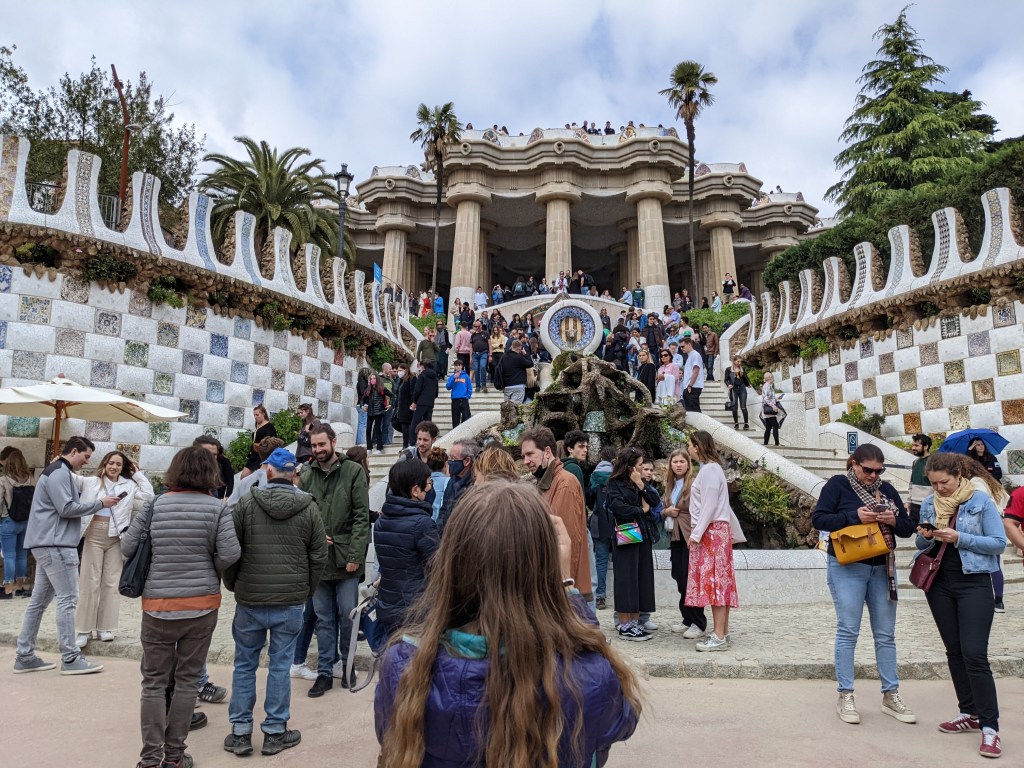
Crowded. Done and done.
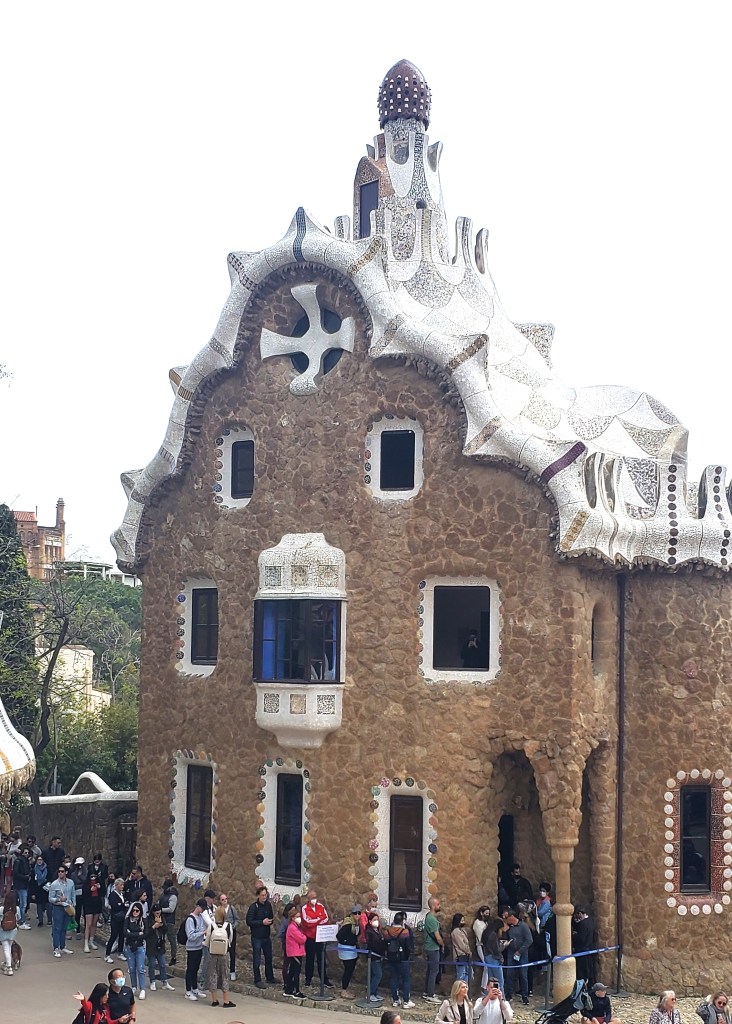
The gingerbread, melted-icing look shows up on Sagrada Familia. And those lines! I really wanted to explore the house, and considered waiting for almost a second.
Sangrada Familia (Sacred Family)
This is the Cathedral that finally has a projected completion date of 2026, the one hundred year anniversary of Gaudí’s death. It is, if one may radically understate, atypical of a European cathedral with official minor basilica standing*.
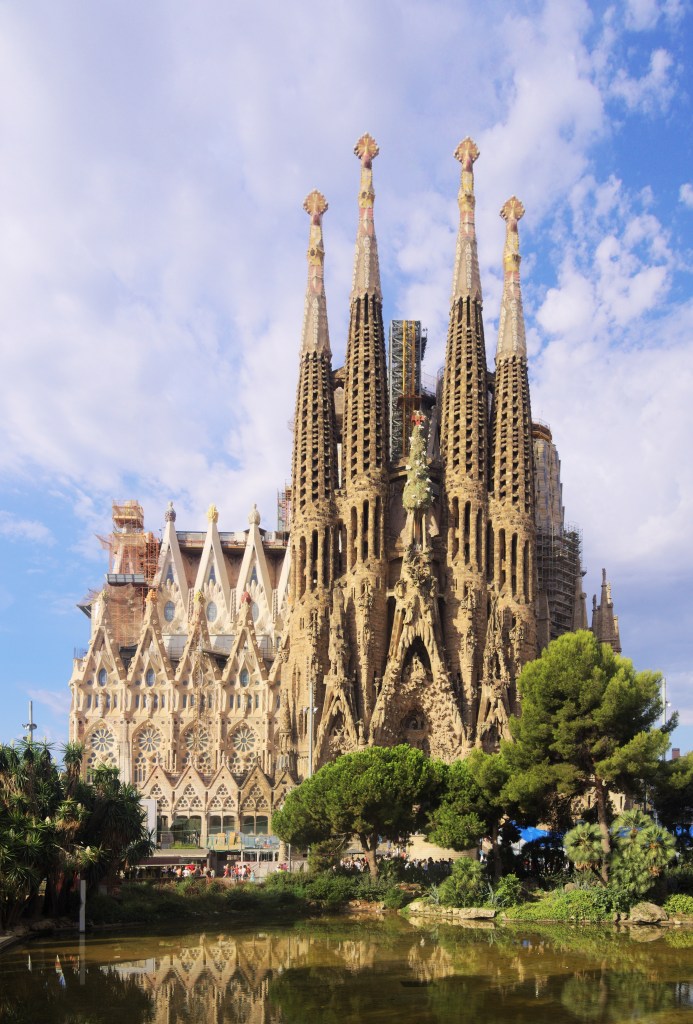
Whoever managed to publish this shot somehow photoshopped or used clever angles to hide the cranes and construction.
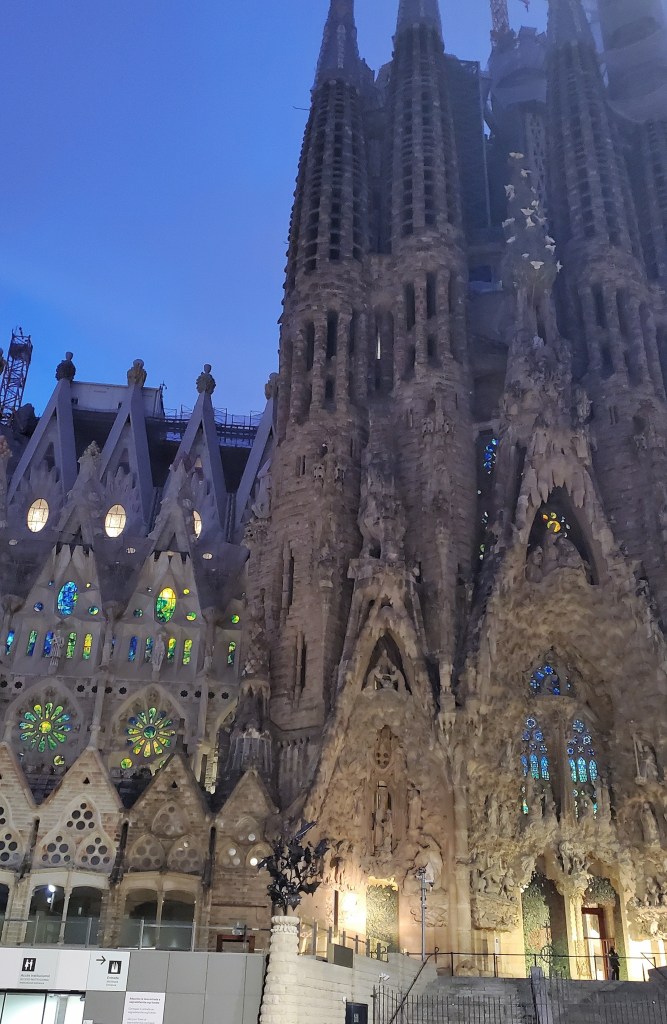
I loved the “reversing” of the stained glass at night, making it beautiful for outsiders.
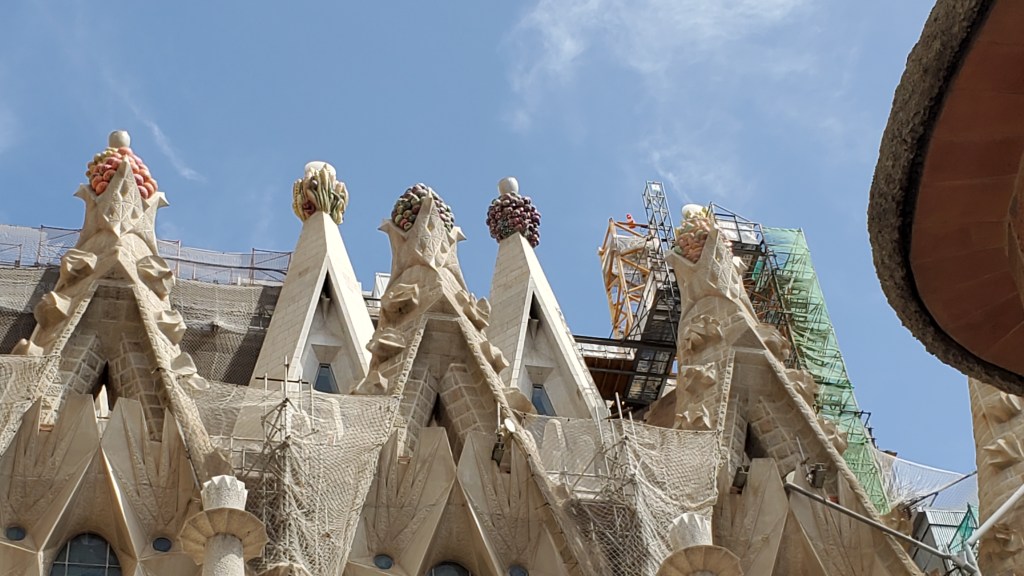
Yep, this cathedral has fruit on top. I believe one side of the massive structure focuses on harvest fruits (closest to the crucifiction side) and the other summer fruits on the entry, where the birth is depicted. I believe there is heaps of symbolism and clever nods to details that mostly escaped my notice.
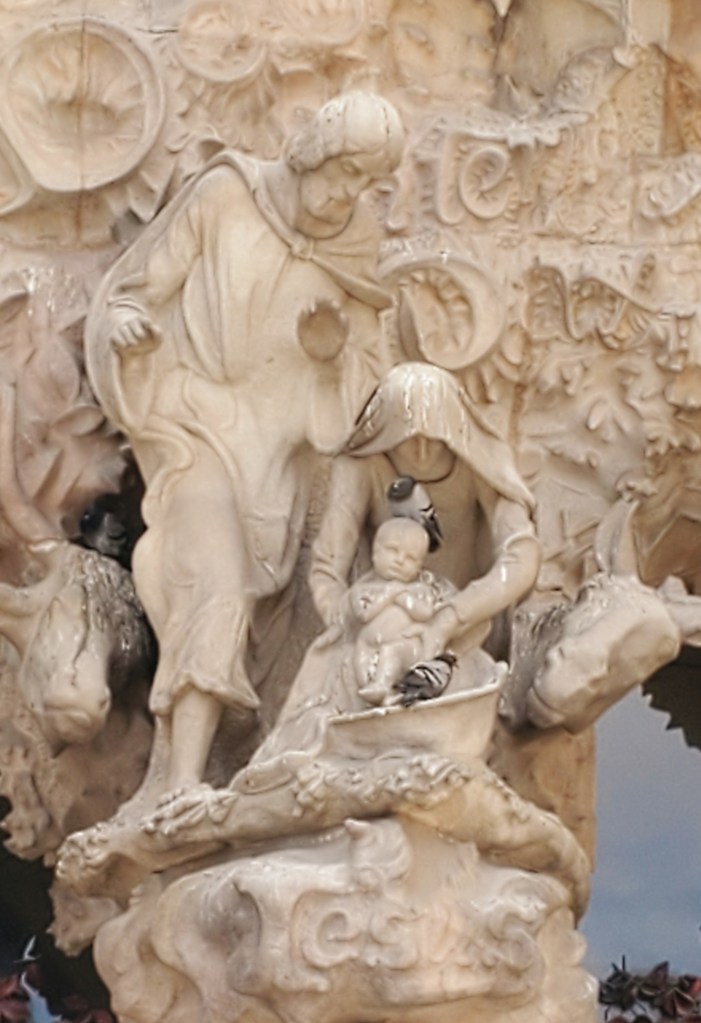
Oh, dear, the nativity is a grandiose birdbath. I’m actually surprised metal spikes, disguised as halos, were not used.
A sea turtle holds up the entry pillar closest to the sea, and a giant tortoise is the basis for the pillar closer to the mountains.
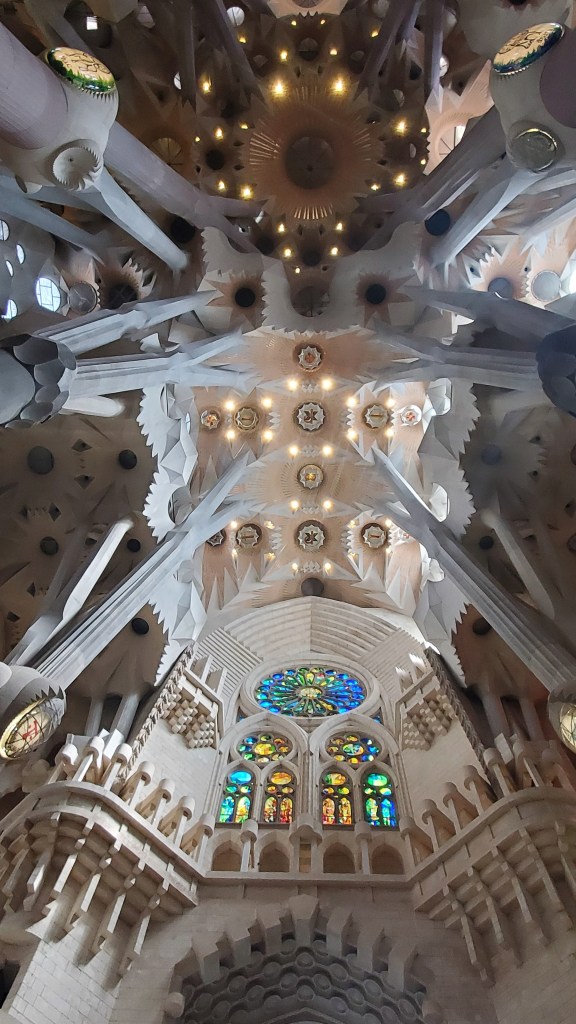
The giant, enormous, oversized pillars branch out to hold up the ceiling and towers. Gaudi very much wanted you to feel you were in a forest dappled with sunlight.
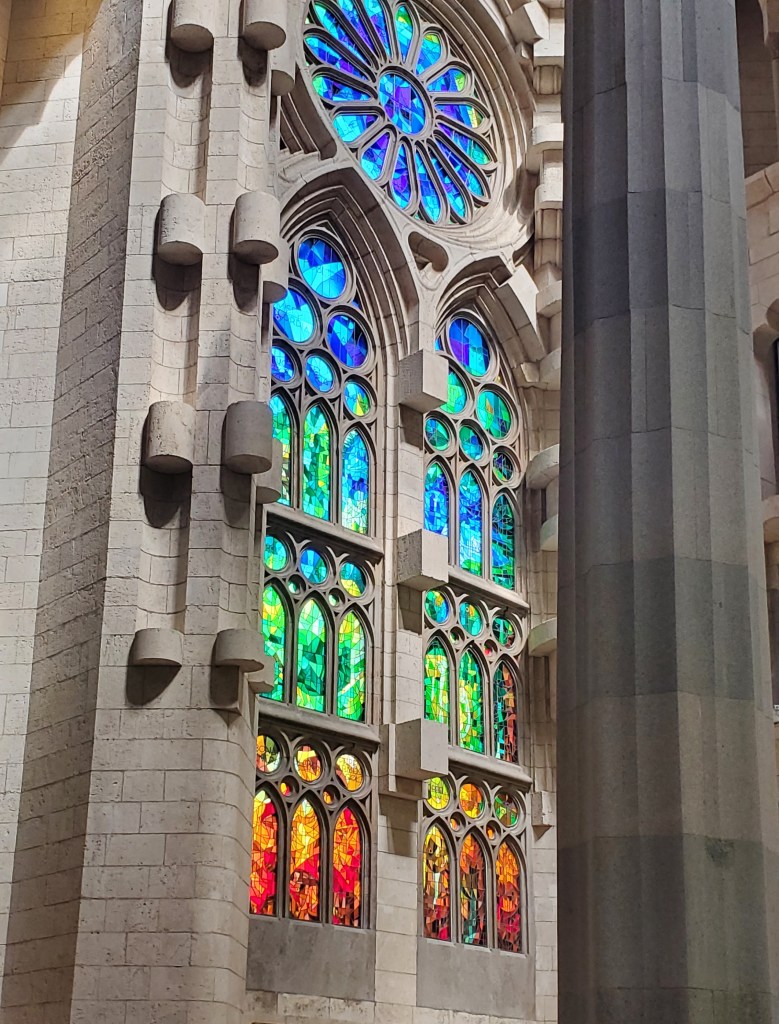
The gorgeous stained glass practically sings.
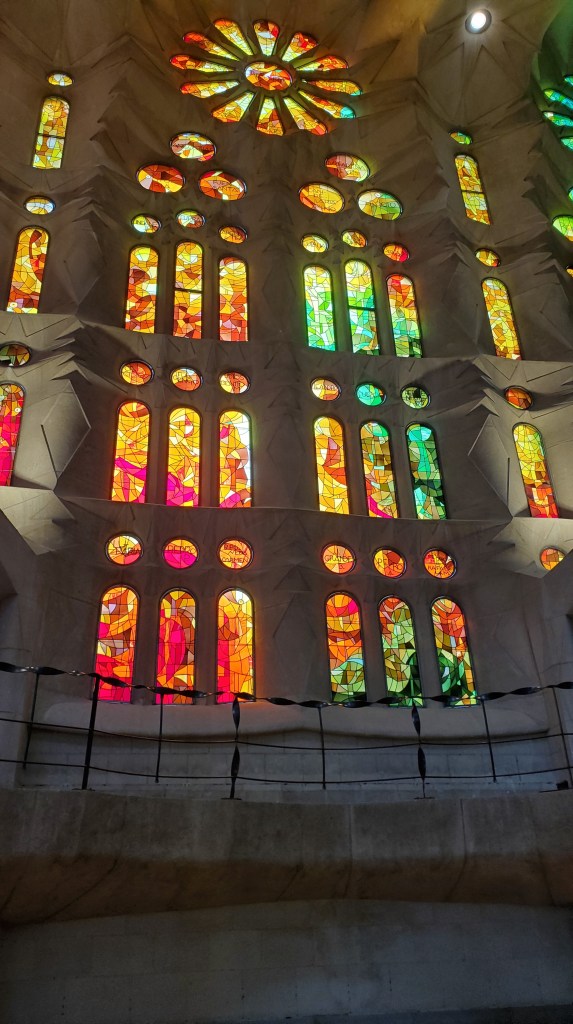
The large airy inside of the cathedral lit up by these massive windows was my favorite part.
So much of this is not Gaudi, since he died long before much of this was constructed. The architect who did this Judas betrayal added a magic square, where each way adds up to 33, the age Jesus was at his death. Math puzzles on a church? Yes, please.
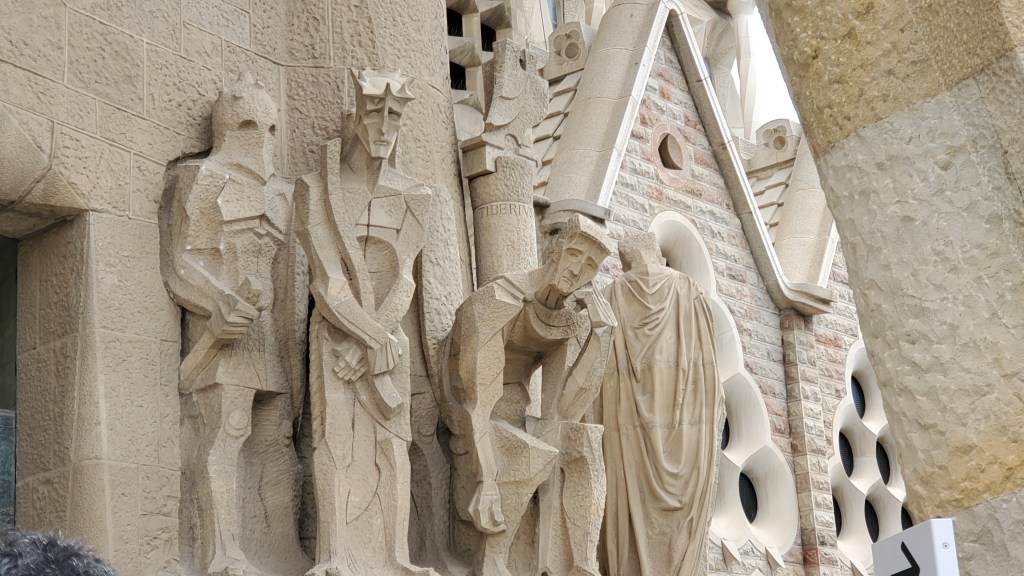
I am most intrigued by Pontius Pilate’s plight and meditation in these statues.
What Gaudi is particularly known for is his throwing out the good old-fashioned Roman arch (which Dwayne adores to the depth of his soul) and using parabolas instead. You get a parabola basically by holding both ends of a string and letting it hang down. Using strings and small weights to create the desired parabola, Gaudi designed his building …. UPSIDE DOWN. Can you see it now, sort of?
*This is a thing. There are 4 major basilicas in the world. They are all in Rome. Would you consider this more nepotism or self-aggrandizement?
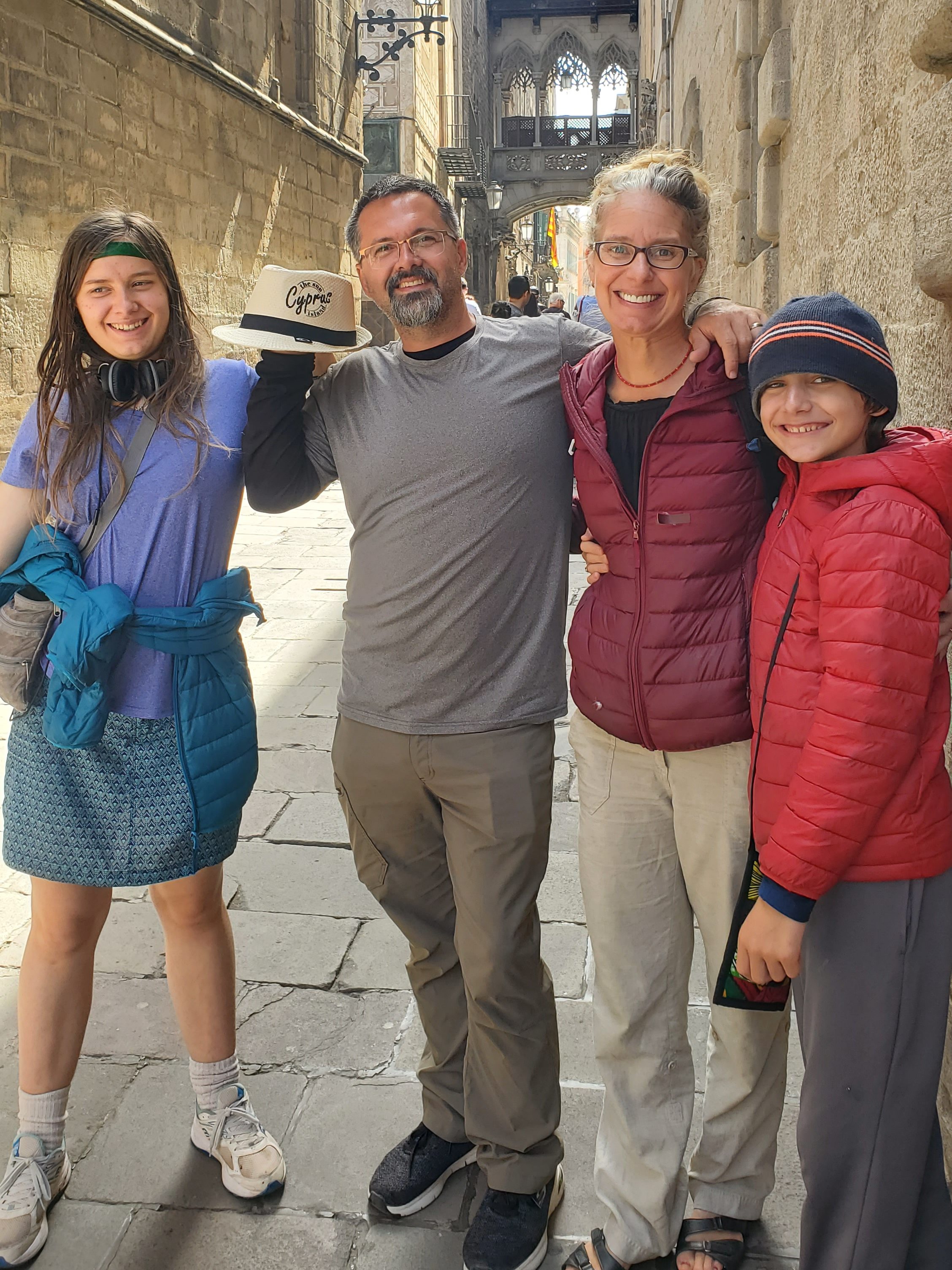
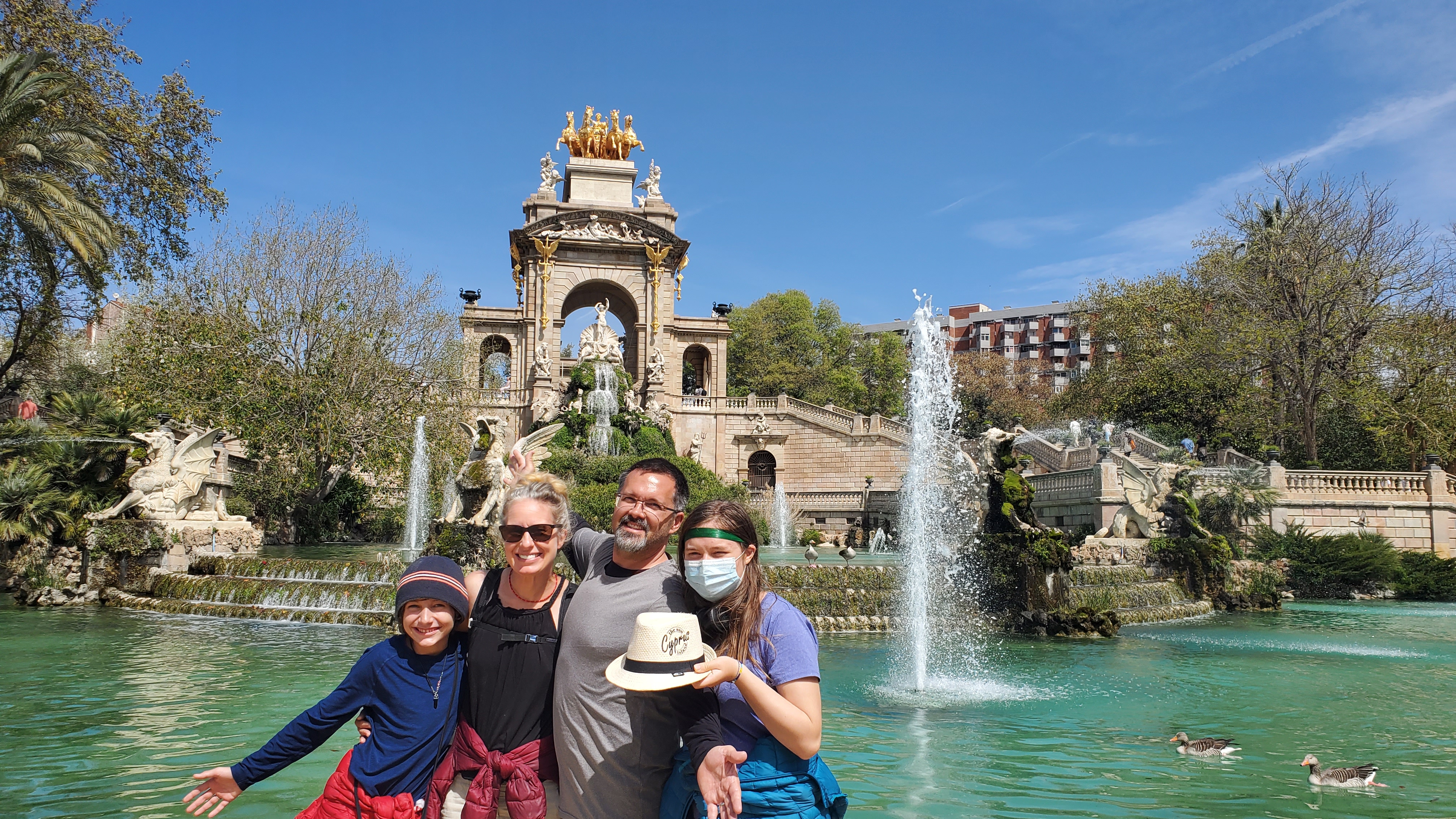
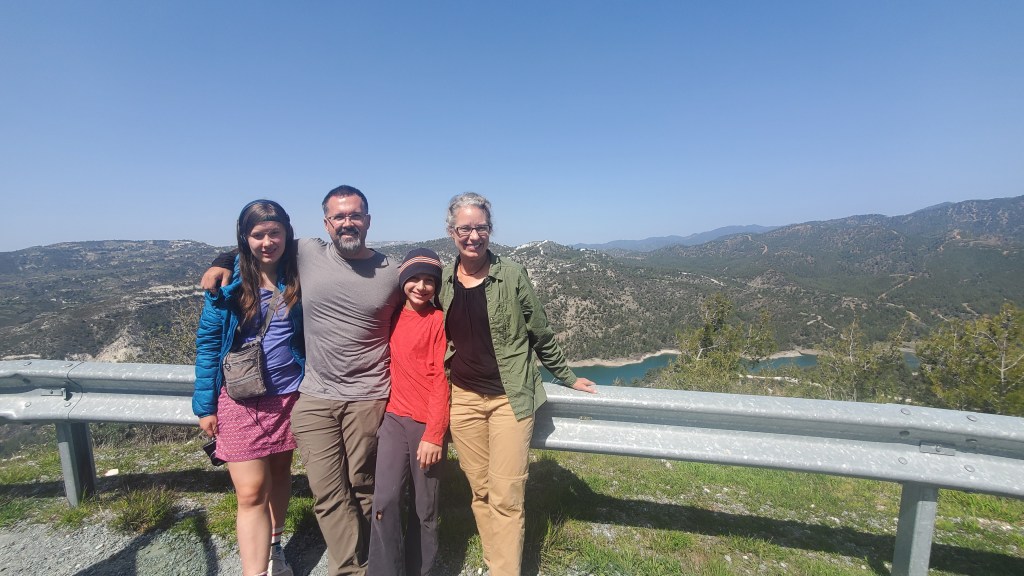
Family portrait in Barcelona, with Piper’s hat joining us.
Just an hour’s flight from Marseille put us in Barcelona, the heart of Catalonia. Catalonia would like you to know that Catalonia may look like it’s part of Spain, but it is Catalonia, the wealthiest and bestest independent not-Spain place ever. [Think Jefferson County in California if you need an analogy.] Barcelona is the capital of the region of Catalonia, and its call for independence seems to meet mostly with eye-rolling from the rest of Spain. But like any big city (at over 5 million people, it is 3.5 times bigger than Marseille), Barcelona has its own feel.
We all seek entertainment, albeit in different ways. Wes piled all (all!) the pillows on a swivel chair and spent, what I can assume, many happy hours spinning while Dwayne and I enjoyed exploring the city.
Even our local walking tour guide wonders how anyone makes money in the area. With a culture of up and about by 11am, soon followed by lunch and afternoon siesta, a reopening in the late afternoon, dinner at 21:00 or 22:00, bedtime at 2am…, well there was a shop right next to our hotel that Piper desperately wanted colored pencils from and it wasn’t until the last day that she finally caught them open.
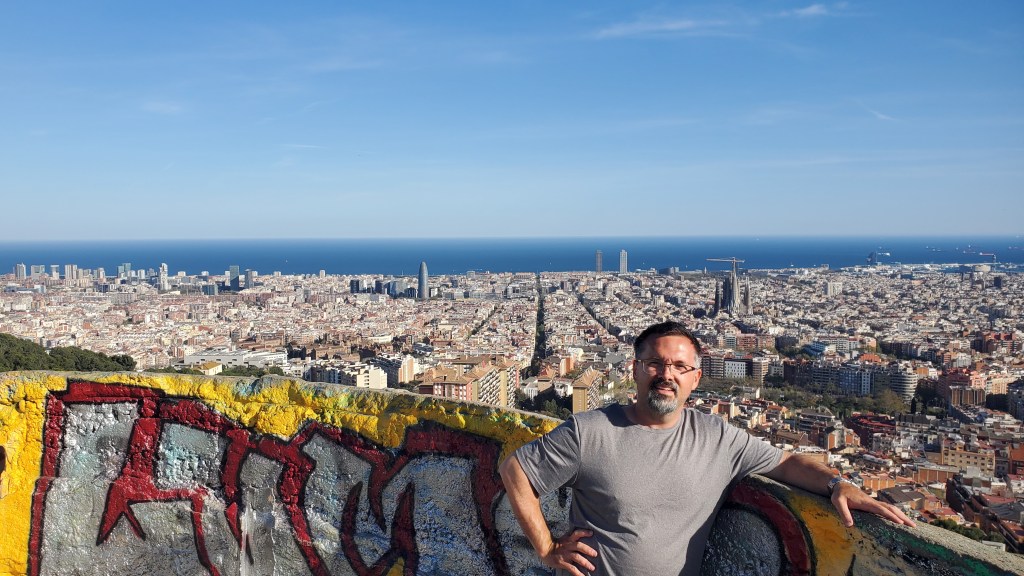
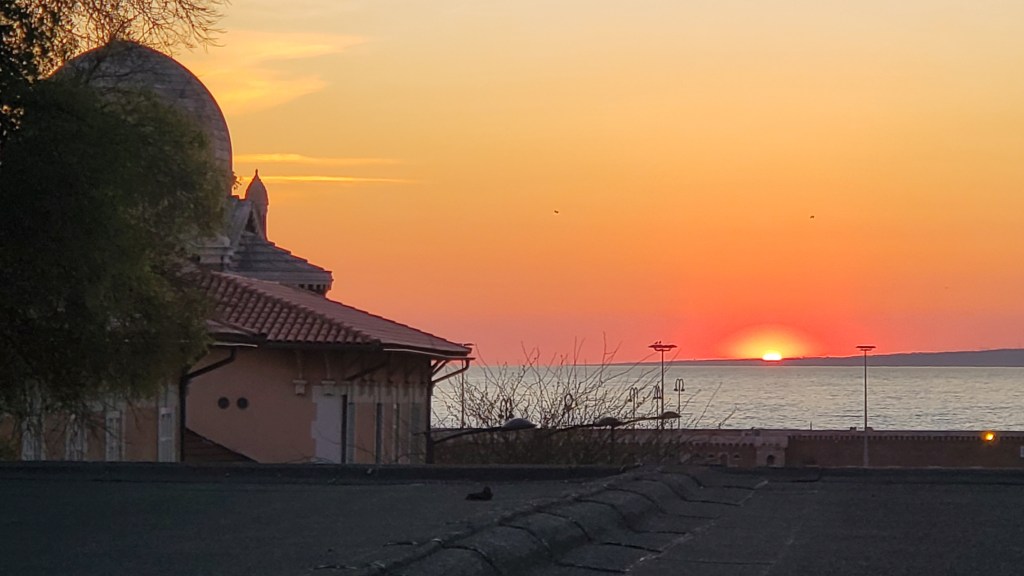
But as a tourist, it was delightful. After first getting to our hotel, Dwayne and I explored as far as we could walk, using his delightful method of aiming for the greenest parts on google maps. That’s how we ended up miles from the hotel, on the top of an abandoned WWII battery, overlooking the city. We got back with enough time to get to our 7:30 dinner reservation for tapas, beating the dinner crowds by a few hours. Weird.
We started our first full day with a crack-of-day 10am walking tour, perfect for our 2.5 teenagers. The tour was my first introduction to Gaudí, and more importantly, fresh churros with chocolate dipping sauce.
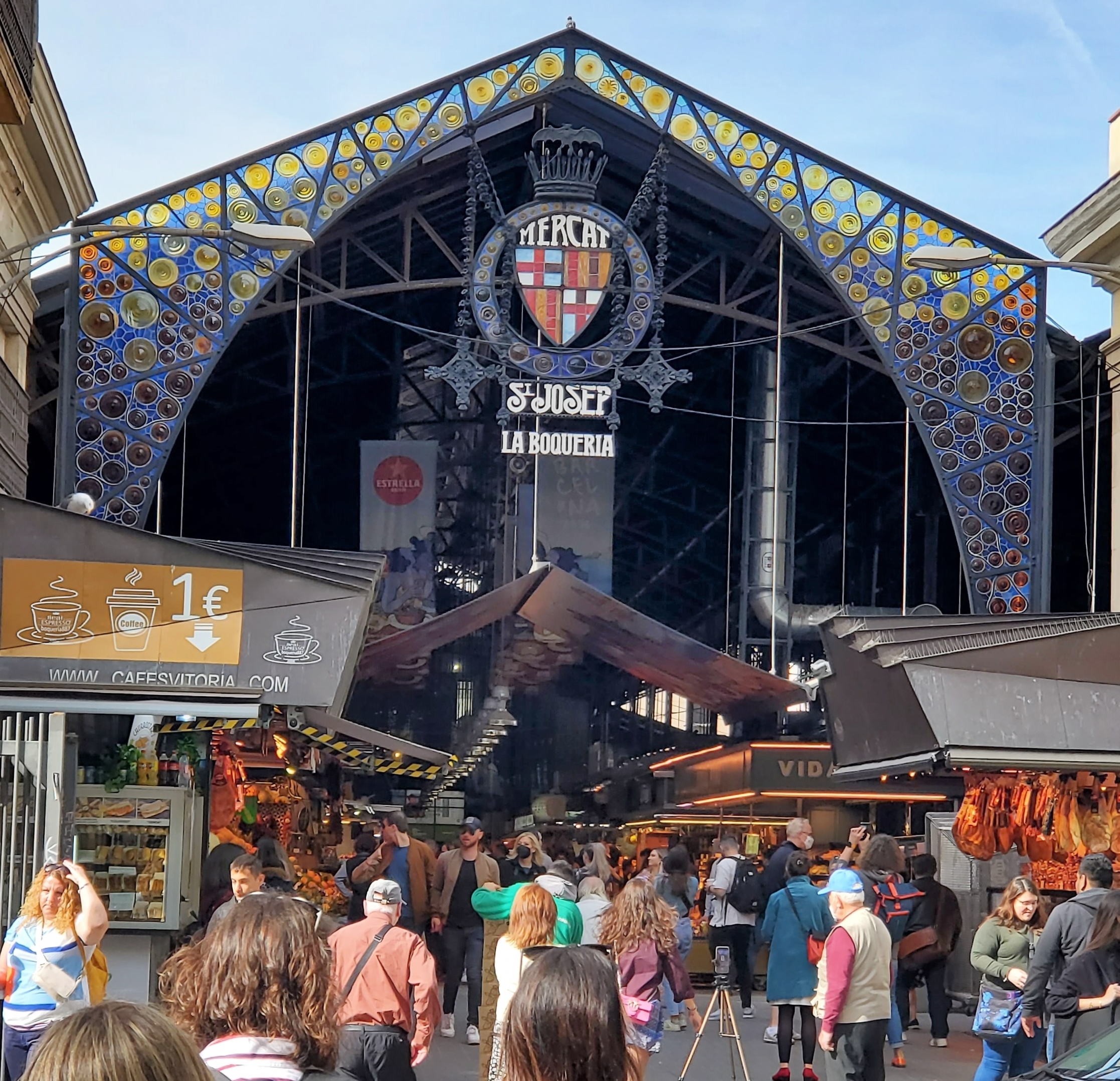
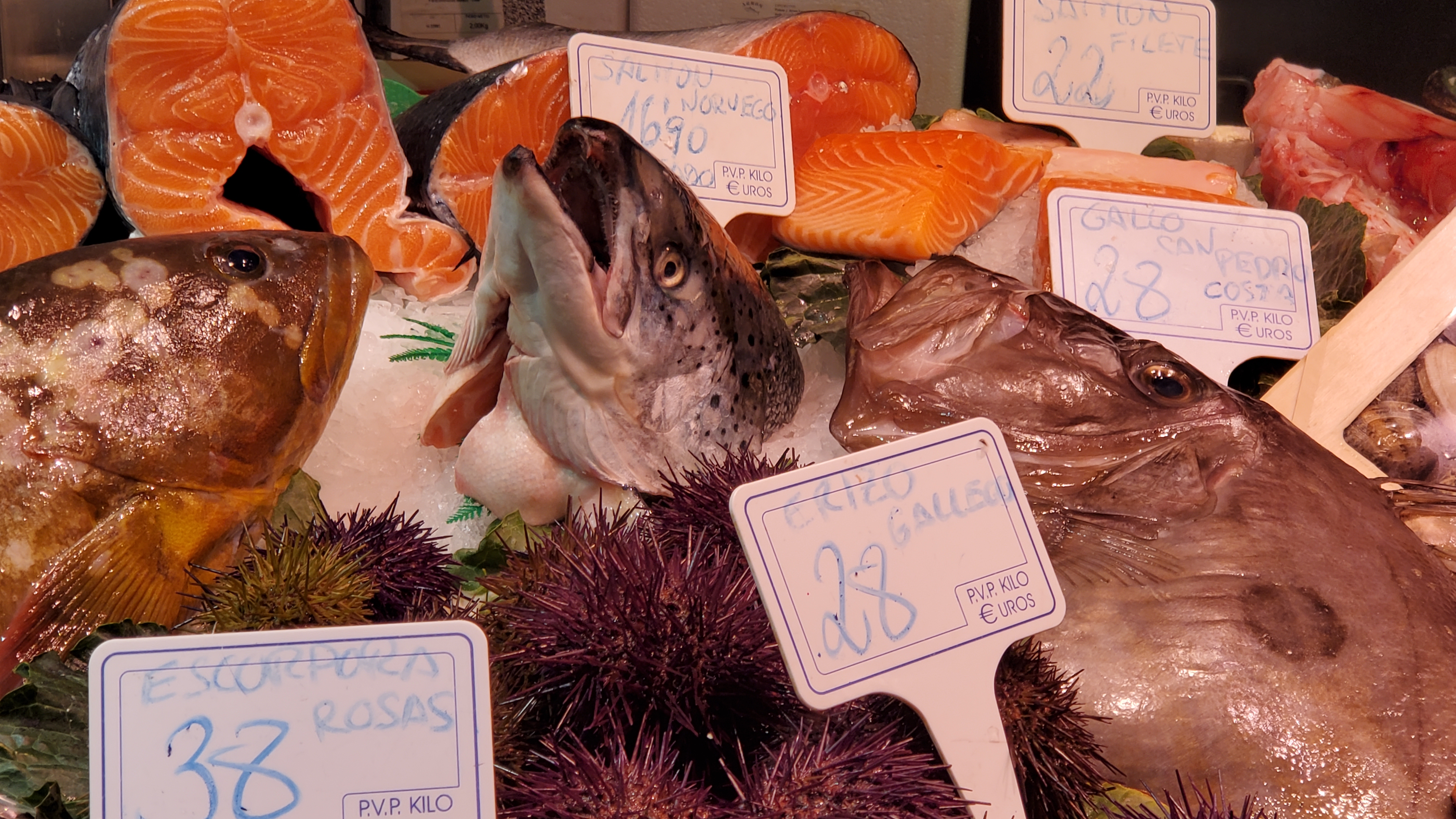
We also explored the busy, busy market (dozens of independent food stalls under one roof) with the freshest foods displayed like a beauty pageant. Getting through this with our guide gave us the confidence to shop at a smaller market later.
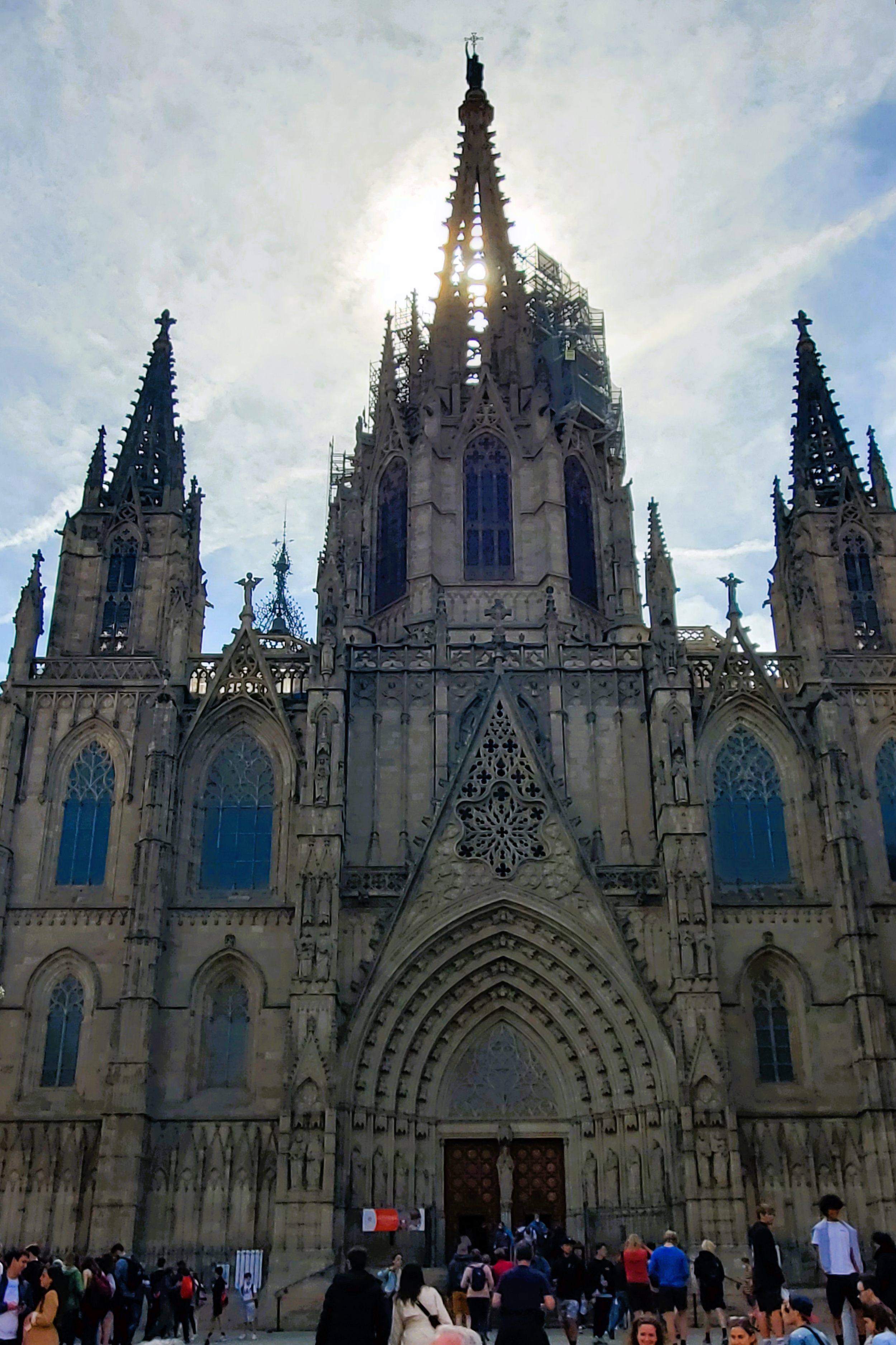
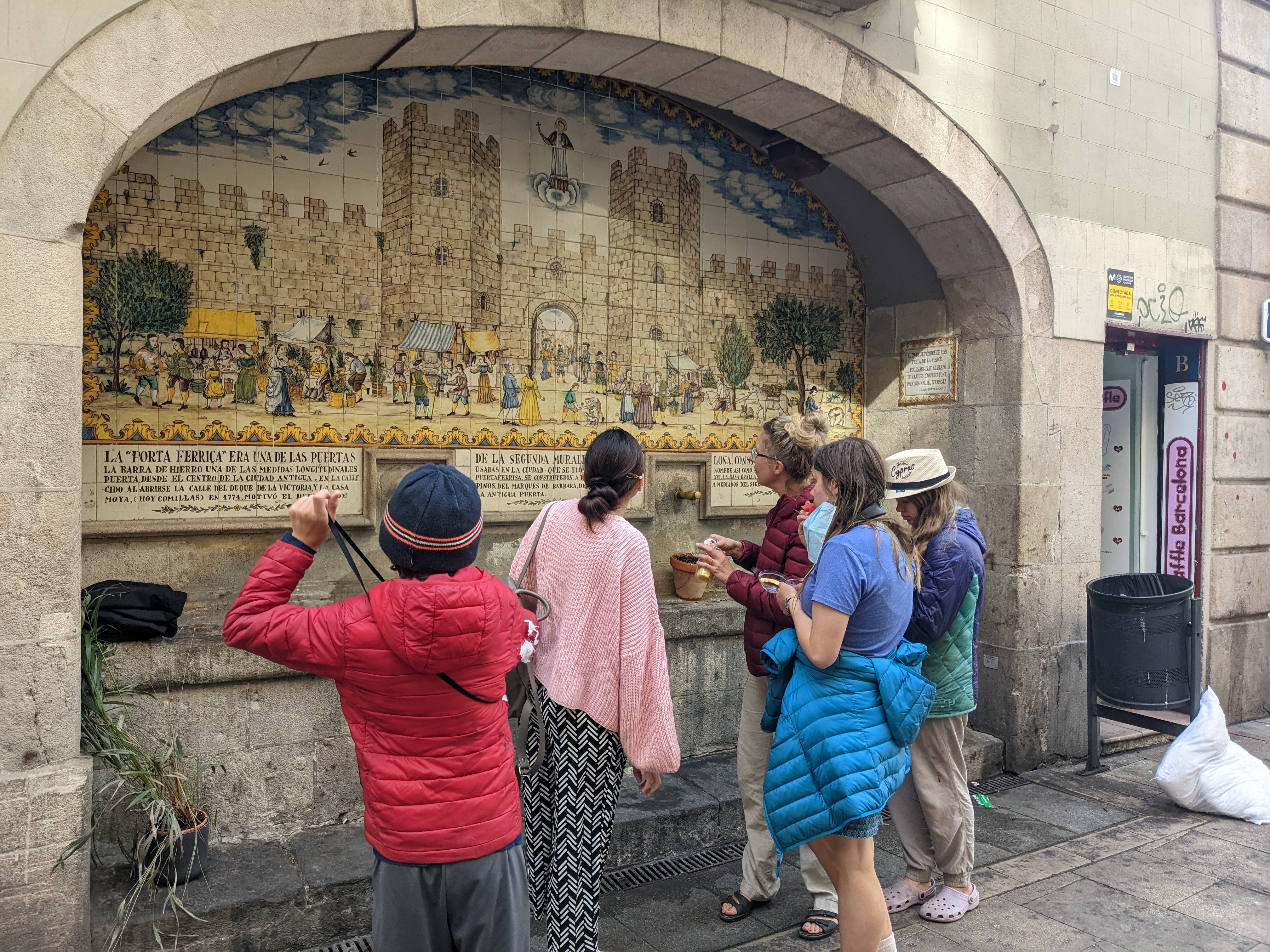
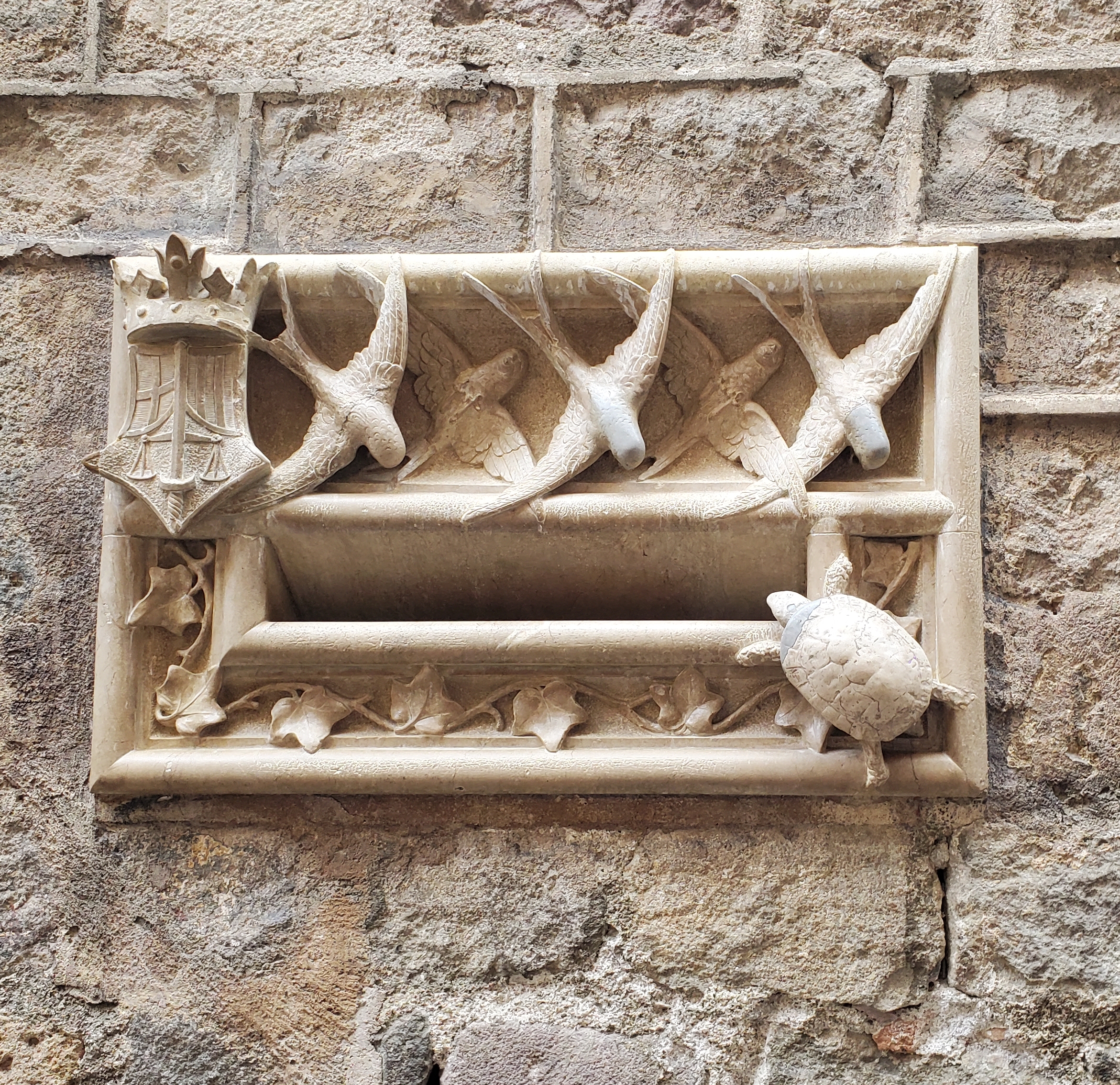
I am always pleased to see gothic cathedrals, peekaboo art and city water fountains, and of course, ancient Roman aqueducts.
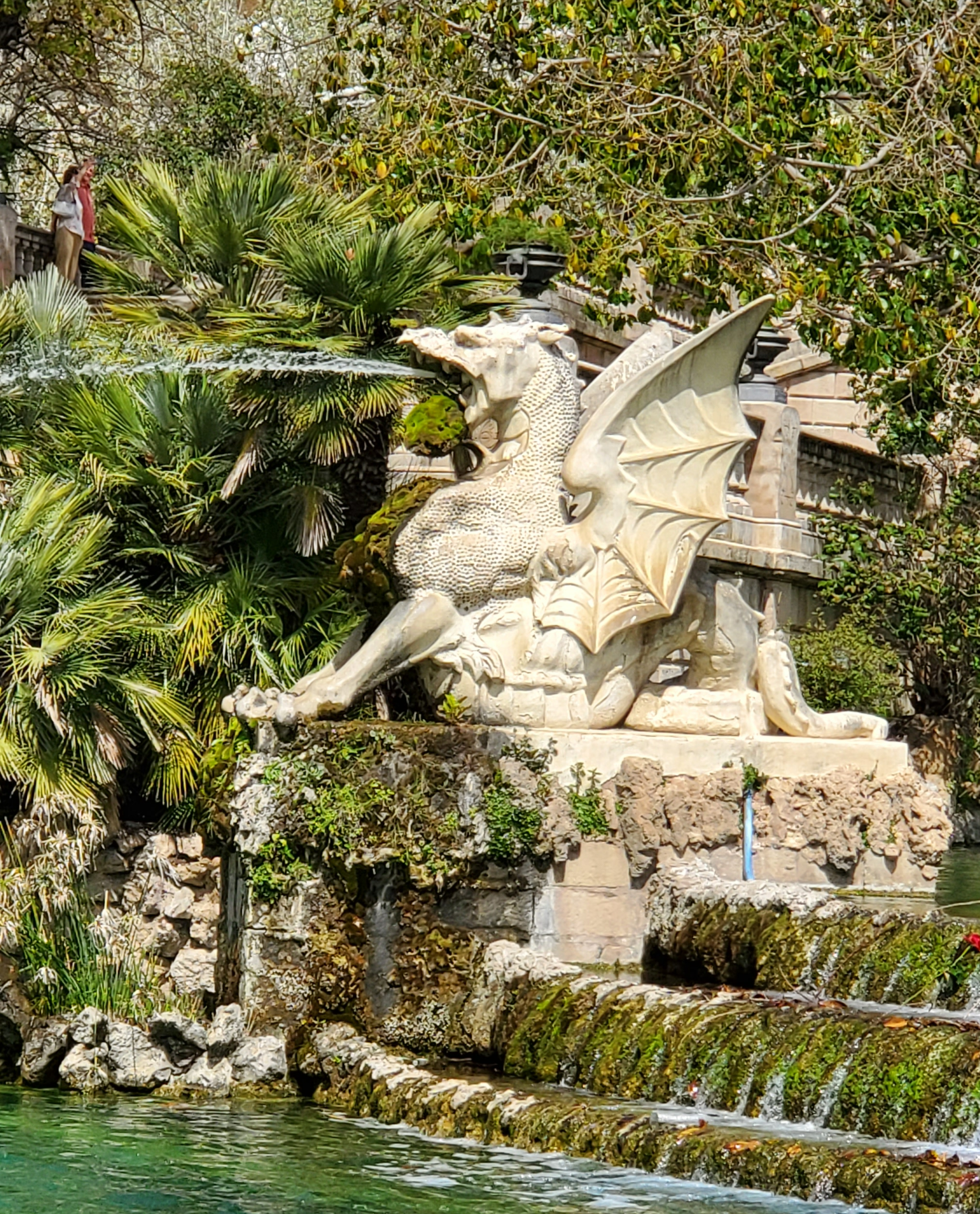
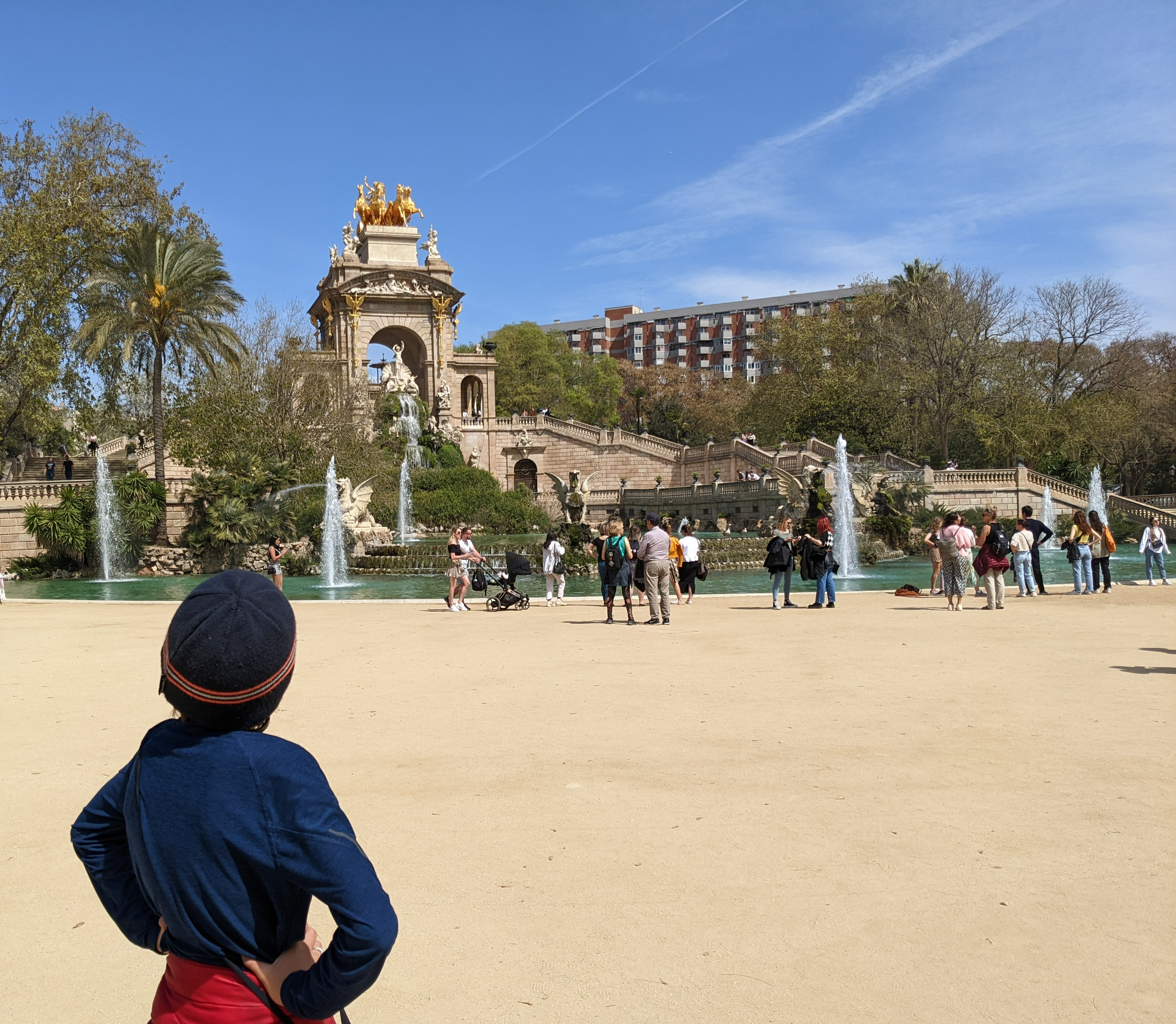
We ended at the city park, our first real bit of green in a city that must conserve water, and where dozens of pocket parks and playgrounds on each street are brown and sandy. Dwayne didn’t feel the magic that made him tingle at Longchamps, but I was delighted by fountains, falls, and, especially, dragons. Hola, Barcelona! We’re happy to be here.
[*If Marseille could just be pronounced the way it is in my head, I could title this “Goodbye, Mar-sigh”.]
Piper & Wes were jealous that the 3 of us took scooters on our city exploration. Legally, they couldn’t use them, but we found a mostly open square, rented two of them for 15 minutes, and gave them time to enjoy the power.
I have to give some attention to our youngers who did not do the same France that we did. Dwayne, Kyla, and I took a full day trip to Avignon+, explored many different parts of the city on foot and by scooter, seeing architecturally, historically, and multiculturally interesting things.
Piper and Wes did not. They would actually complain about having to leave their upstairs bedrooms to get to the better wifi downstairs in the tiny, 2-story apartment.
However, if I radically adjust my expectations and standards, and squint a little bit, I can almost see them getting some benefits from this trip.
It really started in Jordan, when the three of us did a full day in Petra, and Piper and Wes were having none of that. We left them some dinars and between themselves, it was decided Wes would do the ordering and Piper would hold on to the money. And so began a damn fine tradition.
By the time we got to France and were within walking distance of heaps of groceries, produce stands, bakeries, and oh yes, restaurants, Wes and Piper had a finely tuned system. They would have a full truce when left on their own, Piper would decide where to go, guide the grocery shopping and carry the money, and Wes would do all the people interactions, regardless of the language, including paying.
I just had to pretend I wasn’t worried about anything happening to Dwayne and me while we were so far away from them.
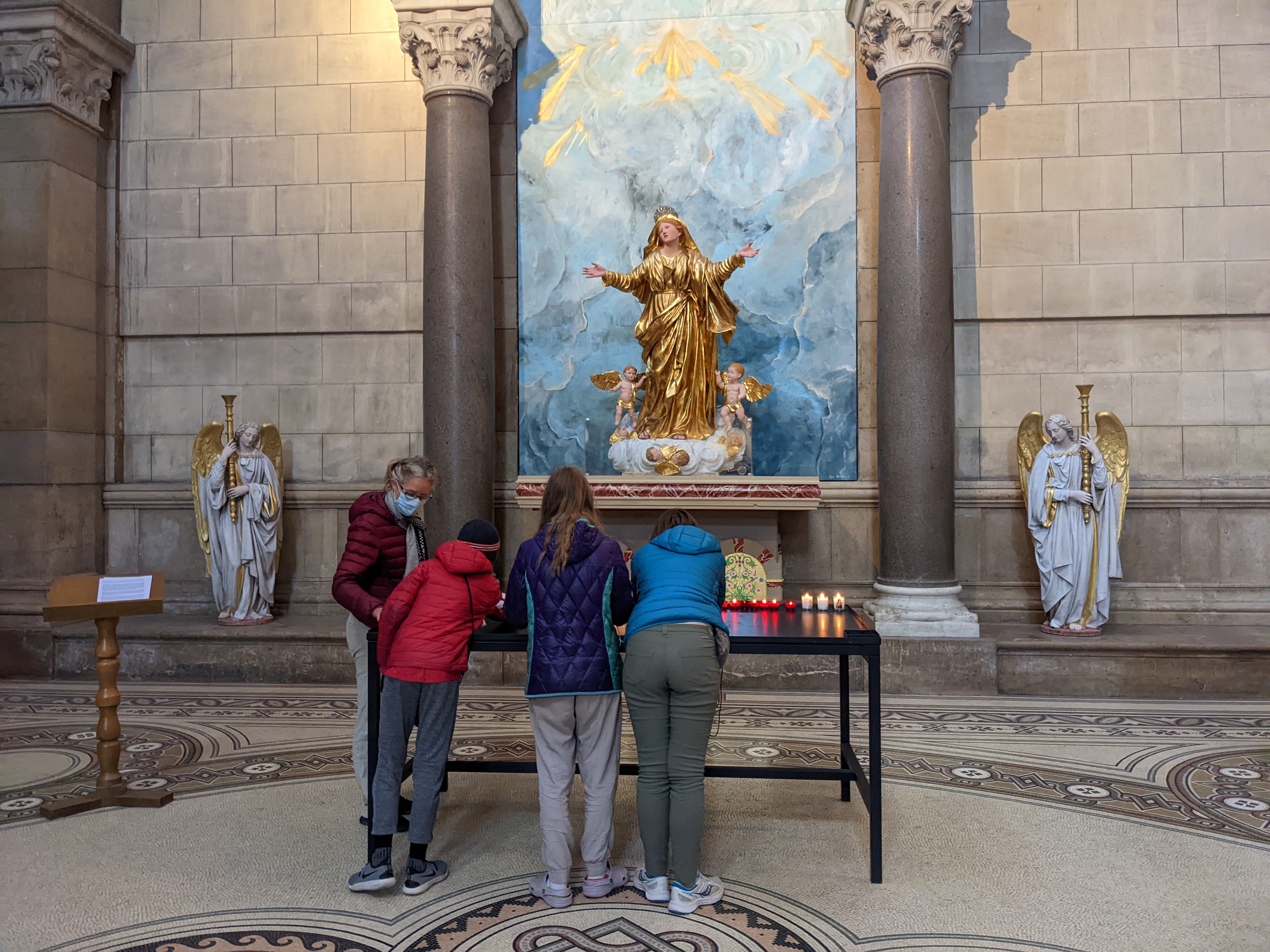
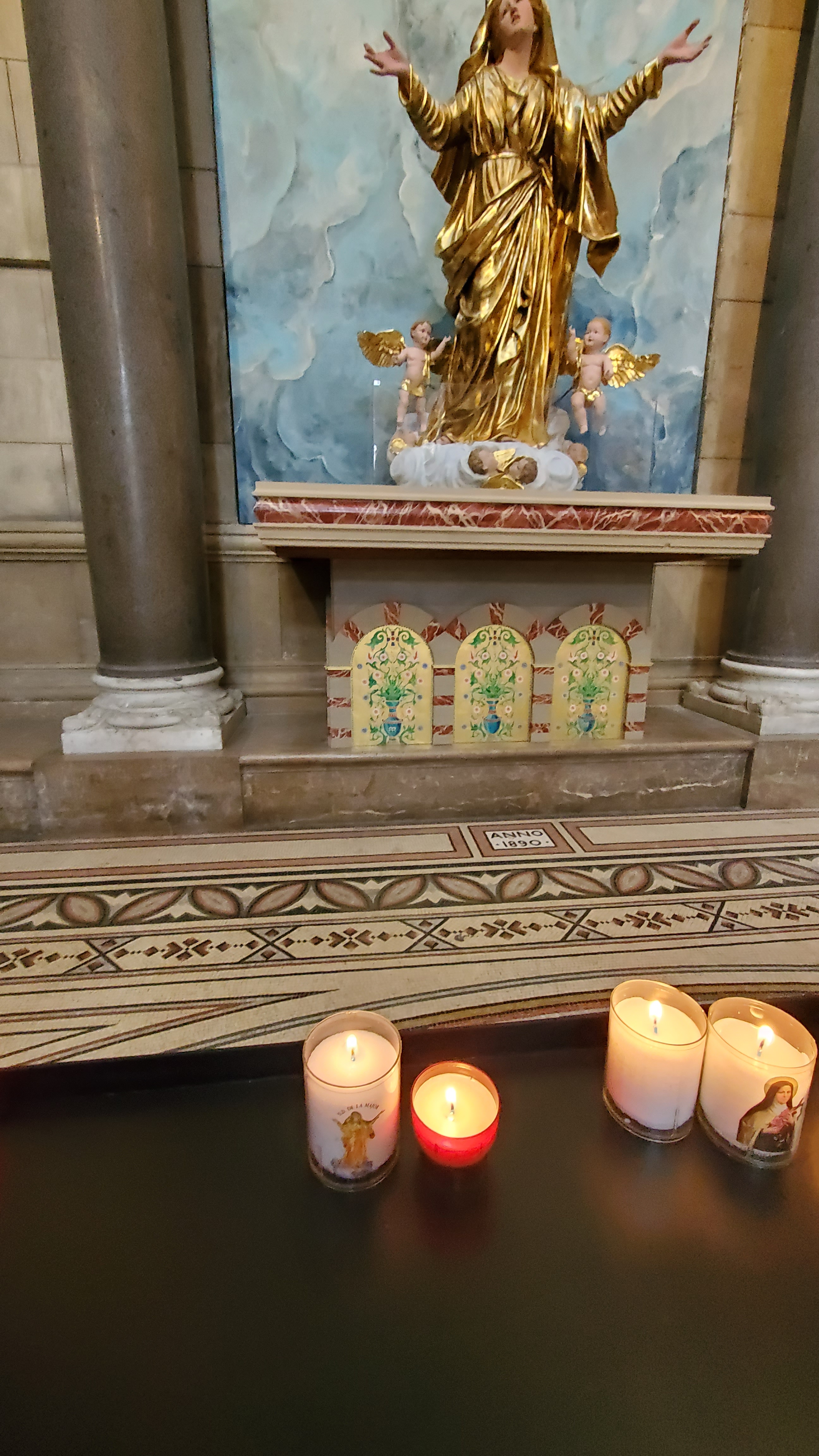
One of the sweet moments we had was visiting Cathedral de la Major. The kids joined me in lighting candles for two of my good friends, participating in my sadness.
And with that, we finally do say good-bye and pack up for Barcelona!
Dwayne and I wanted to get out of Marseille for a day, so we found a tour to Avignon. With Kyla, we were the only three who signed up for the eight-hour adventure, so we had the minivan and guide to ourselves.
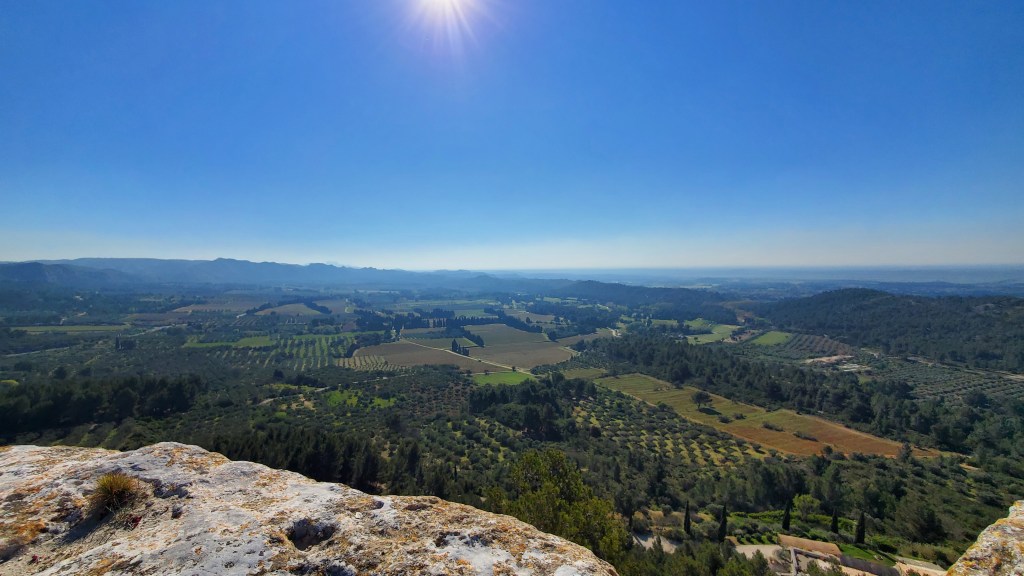
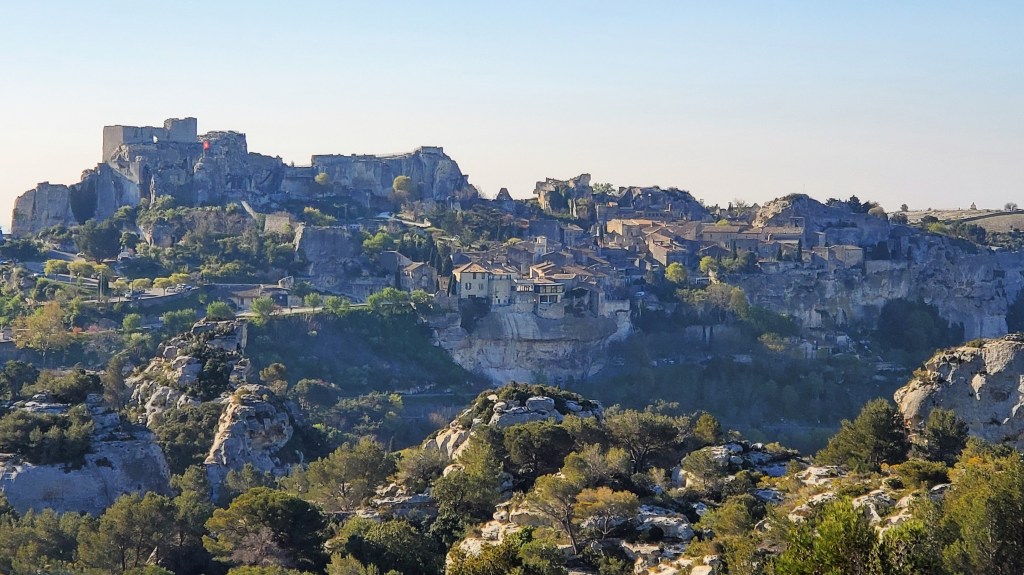
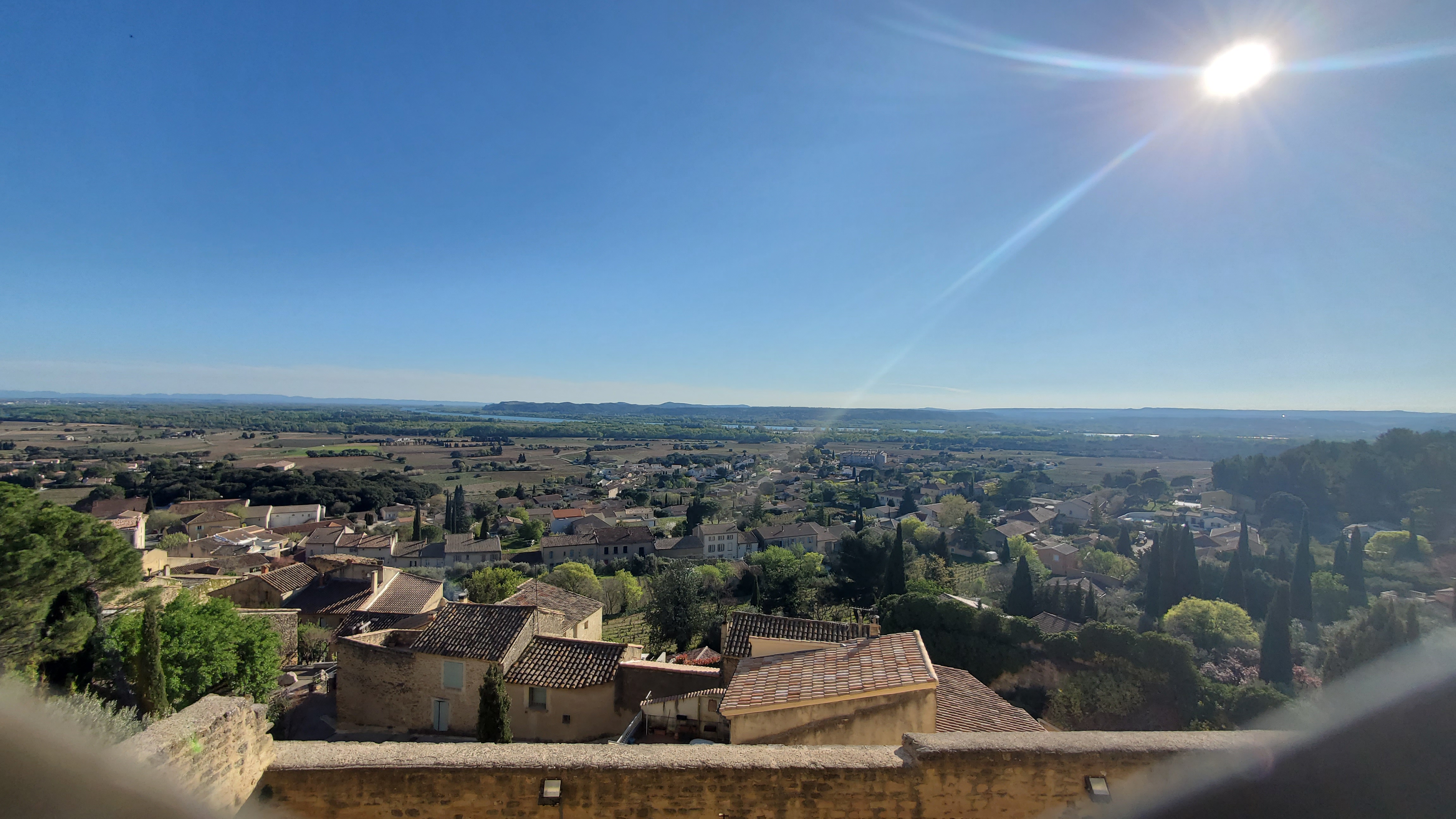
My favorite picture of Provence, France, from the top of Les Baux.
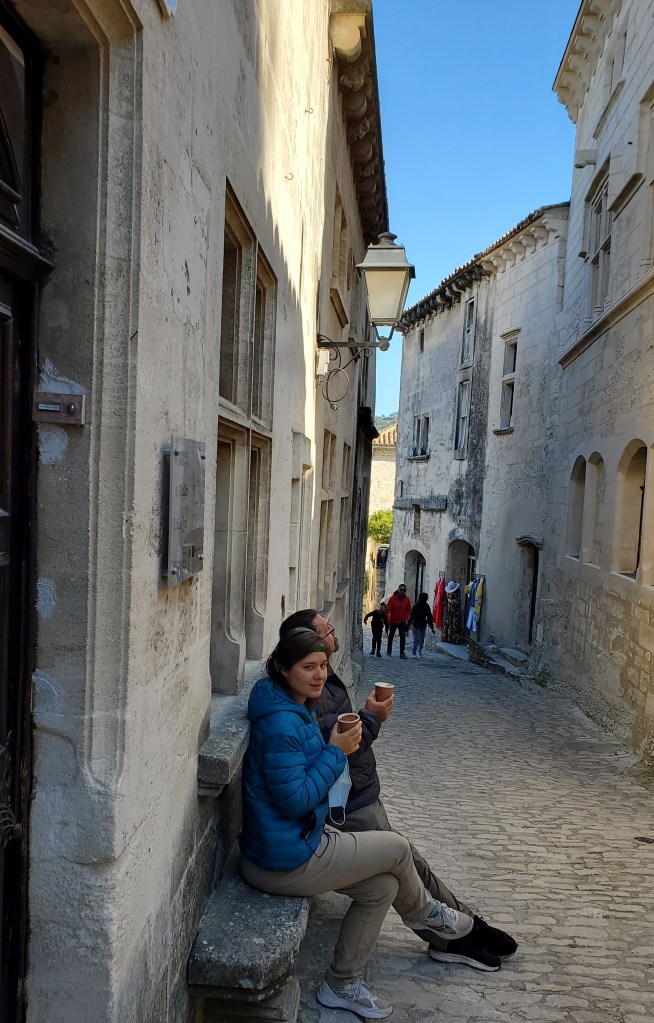
My only goal was to get to Avignon, but I was more than pleased with the other stops on the way. We first found ourselves in the oozing-with-quaint-charm hilltop village and castle of Les Baux de Provence. This village has 22 (not a typo) year-round residents. The number of residents bumps to about 400 as the summer crowds swell to thousands.
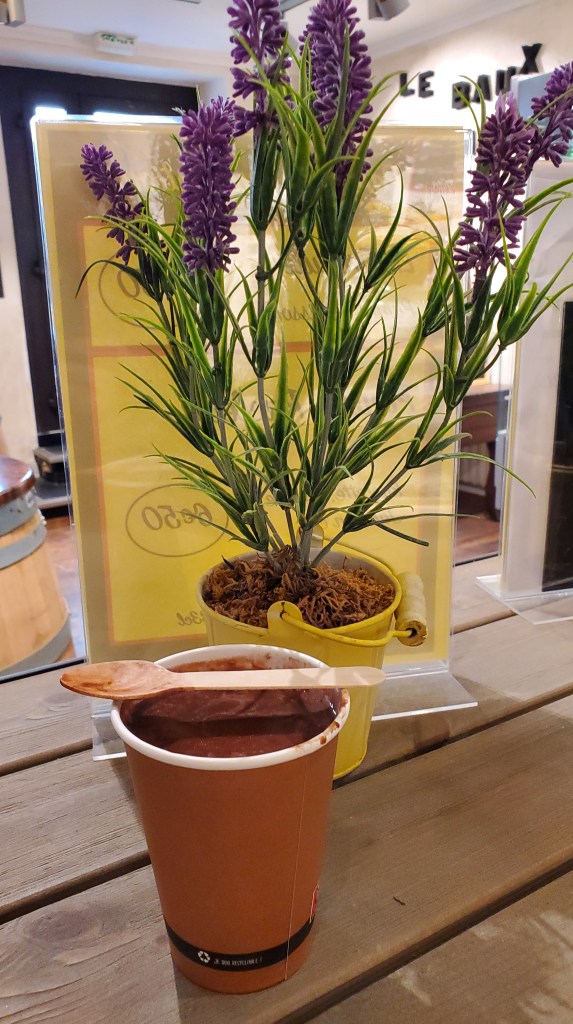
Its history begins about 8,000 years ago with a small but successful farming community before it became a useful Roman quarry. Medieval Les Baux de Provence became a fortified town in the 900s and then upgraded to a castle about 300 years later. The 1400s brought an end to the Baux family line, making it the French king’s new plaything, which he gave to the King of Monaco for the fun of it. The ruins still fly the Monaco flag because…tradition? No one has bothered to take it down? Really, I couldn’t tell you. But I can assure you that if you arrive in shoulder season midmorning, you get the town almost to yourself and there are no lines for your hot-cocoa-whipped-so-thick-that-it-needs-a-spoon. Being on a tour agenda, I had to prioritize exploring the little streets and castle grounds, but I passed by too many snugglery-cafes to regret not getting more time here*.
Yep, that is the red Moroccan flag flying at the Castle of Les Baux
However, I’m so glad we didn’t miss our next point of interest!
When our guide announced the next stop, Pont du Gard, I smiled outwardly and inwardly shrugged. I do love not knowing what I’m getting into, because as we walked out of the parking lot, I stumbled in disbelief. Do you recognize this?
I wish I had taken this shot—I need both more sun and talent to capture it. Again, thanks to Bing and the actual photographer.
Built 2,000 years ago, Wikipedia succinctly remarks that the “Pont du Gard is the highest of all Roman aqueducts, as well as one of the best-preserved.” From mountains to fountains, it had a remarkable grade of about 1 inch: 1550 feet in its 32-mile stretch. I am definitely my water-ecology father’s progeny because I am finding the transport and use of water in ancient and medieval populations fascinating. But this triple-arched aqueduct is deservedly famous for its beauty and remarkable engineering. Again, I need to return because there are nature trails going out in all directions from here, and the banks of the river call for a classic French picnic and perhaps a racy novel.
Avignon Bridge, famous in a French nursery song.
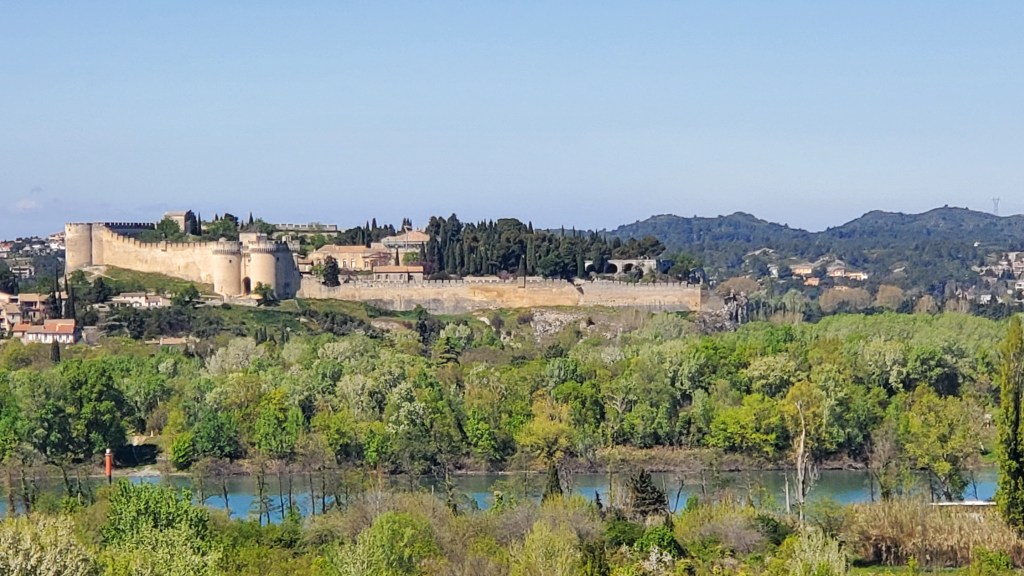
Eventually we did make it to Avignon. I wasn’t even able to articulate why this place called to me before I had ever been. Maybe it sounds like all the best names—Avalon, Aragon, Arendelle— and connotes romantic strolls by small shops and sidewalk cafes and hillside gardens with views of old castles. It was all of those things.
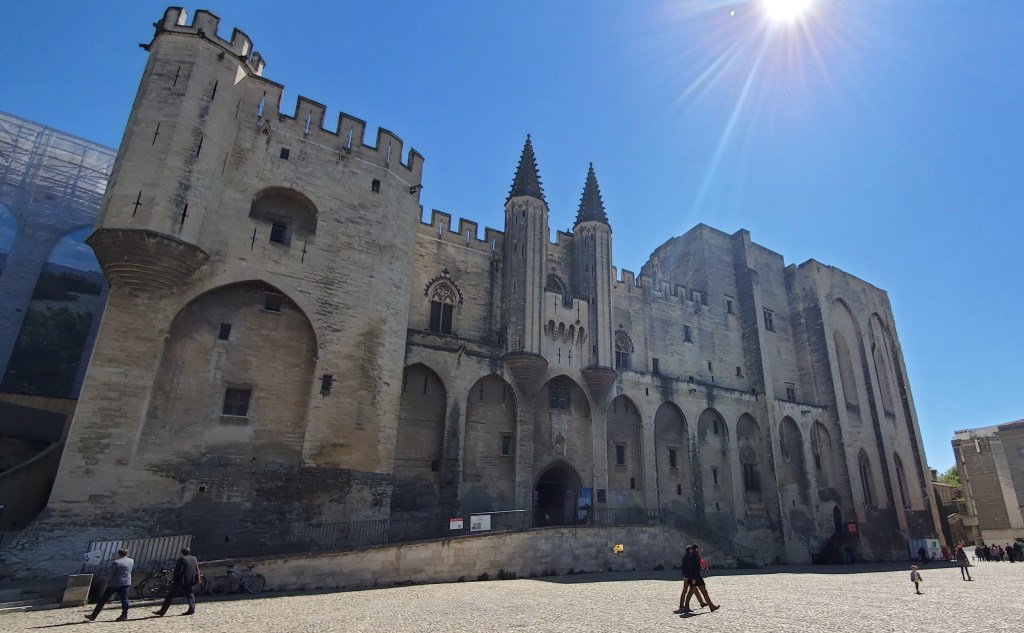
Important historically, this is where, when in 1309, Rome became, ahem, unrestful for the papacy and Pope Clement V picked up his toys and huffed off to Avignon. He was the first of seven successive popes that set up shop for 68 years at the Palais-de-Papes. (This is right before popes and antipopes, as I imagine it, pointed wands and simultaneously excommunicated each other.) The palace is large and completely underwhelming, according to Dwayne’s exacting standards, but my goal was less architectural and more about soaking up the ambiance with every step, in the warm pulse of the old town.
The Palais-de-Papes. A “meh” rating by Dwayne.
Cheese shop!
Our guide gave us four hours, which felt luxurious after our shorter stops earlier. We spent about half of it eating.
Since we had done a (disappointing) wine tasting in Cyprus, it would have been a shame to miss out in France. One of our last stops was at a town that made our own hometown look positively lacking in wineries. (That is astonishing if you know where we live and that I last heard we have over 200 tasting rooms.) However, we had the best tasting experience of my life at the one winery we visited. We also spent a startling amount of money to ship six bottles home, so I hope they taste as good as they did in their hometown. I still remember the disappointment of montepulciano poured at home versus in the actual town of Montepulciano.
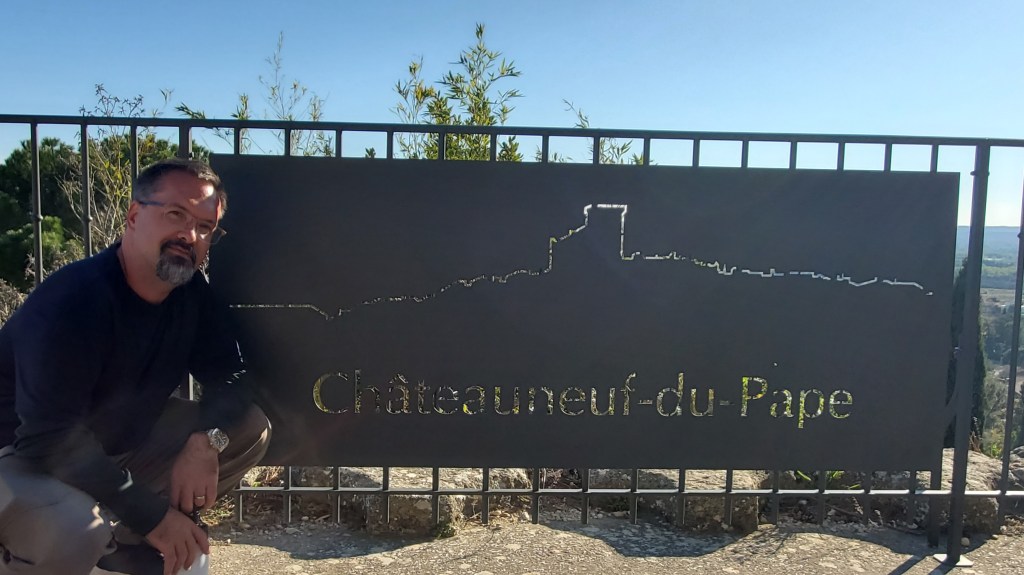
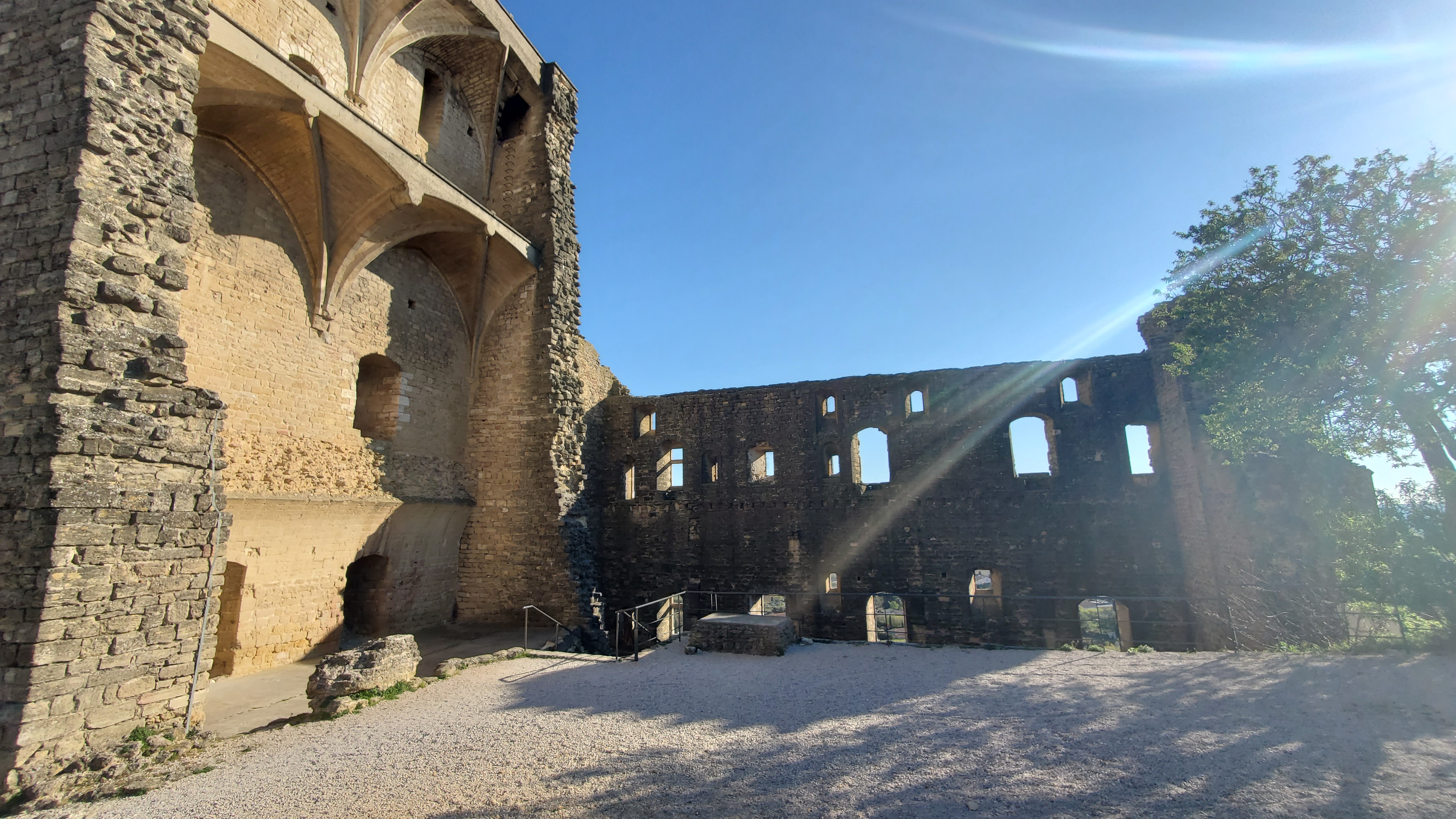
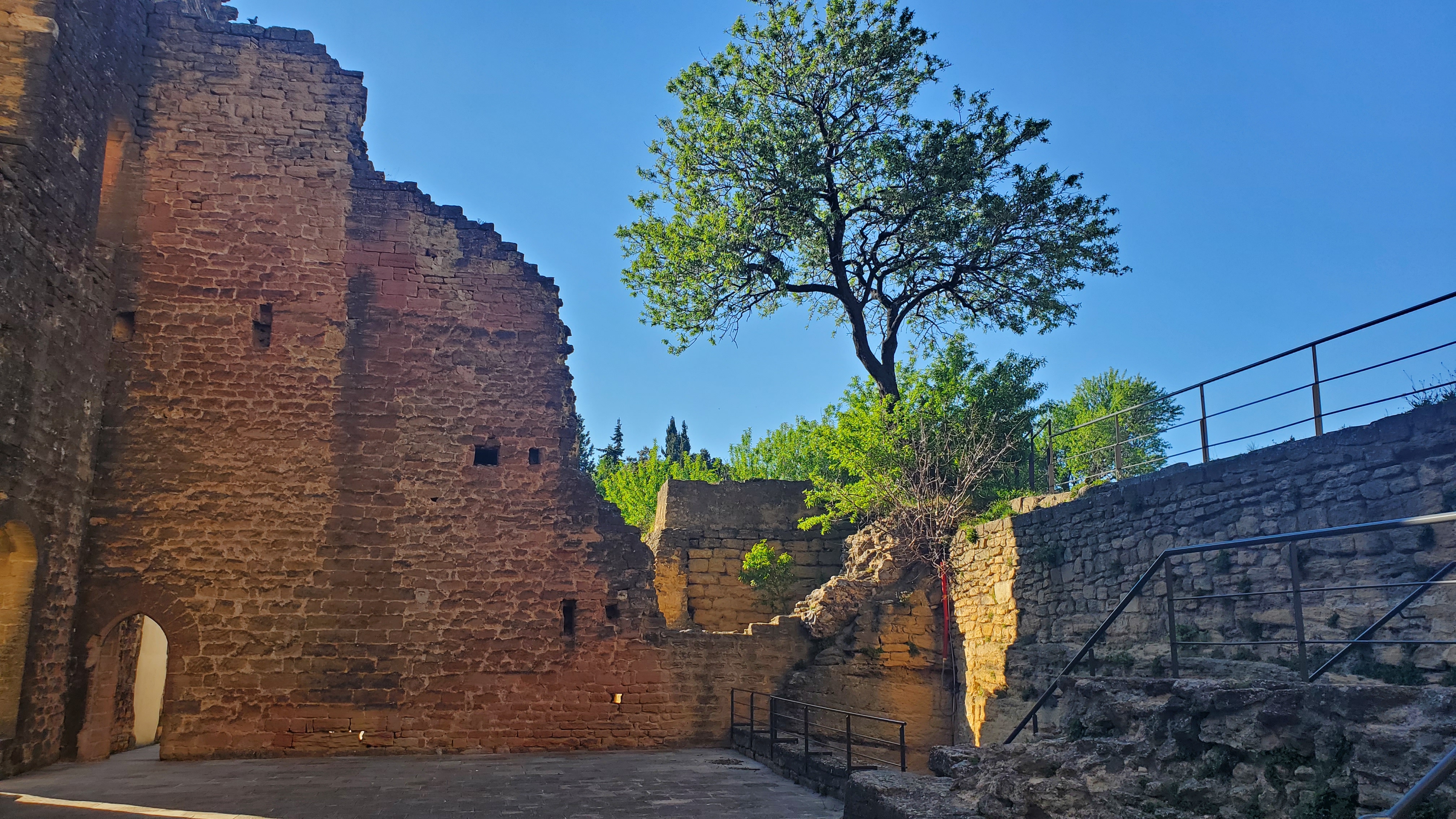
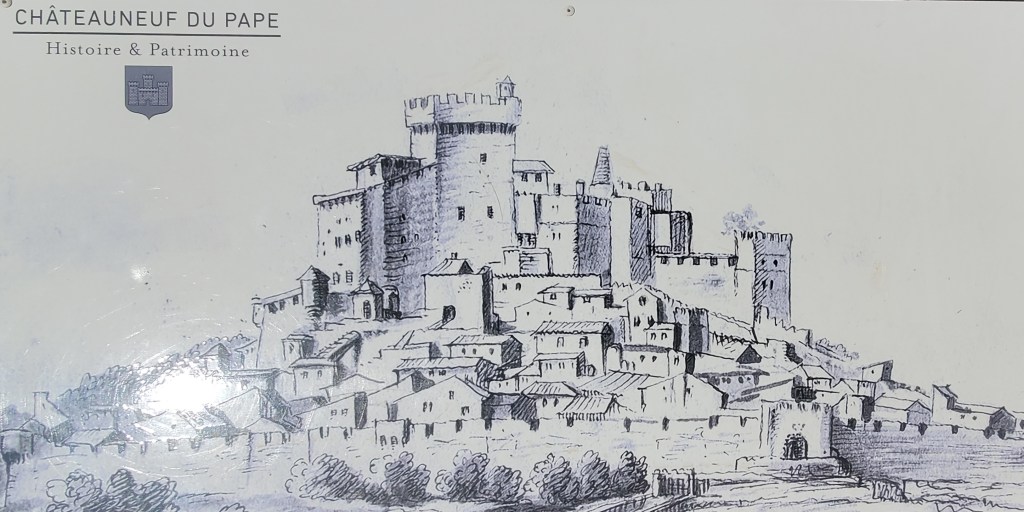
Our guide wanted to show us one more sight outside of Vinó Villagé**. Having a palace in Avignon is so tiring that the papacy also established a summer residence, Chateauneuf-du-pape***. History happened dot dot dot and then WWII saw France occupied by Nazis and this fortress became excellent artillery storage. As it became clear the Germans were going to lose, depending upon which tour guide you listen to (ours or the other small group I made sure to slowly saunter by), either the Allies or Axis blew up the castle. Regardless, it was a structurally unsound decision for Chateauneuf-du-pape.
Before Boom
I can’t believe how much we got to see today! I have enjoyed Marseille, and look forward to another full day there, but it was great to get out of the gritty city for a day.
*I still long to browse the shop that was just opening as we were leaving. It sold only white woman’s clothing. Oh, that came out wrong. All the clothing was pristine white. And it didn’t look like they sold men’s or children’s wear. I know I was saved from myself by not being able to shop here, but there were lovely frocks in the window that begged to be taken across the Mediterranean with me. Sigh.
**Please, just let me have my outrageous French accent.
***Chateau/Castle new of Pope, for those who, like me, pretend they can read Français.
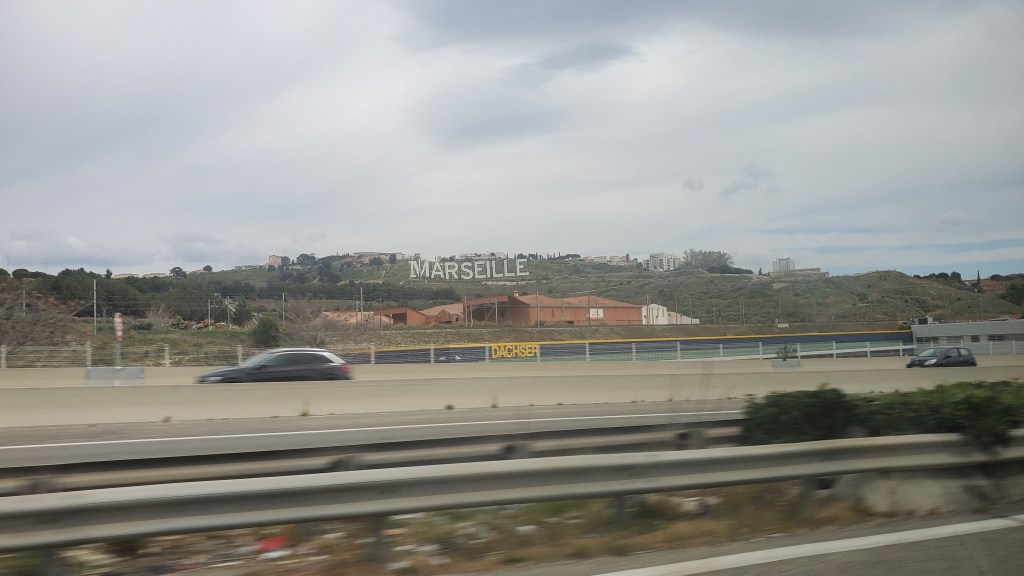
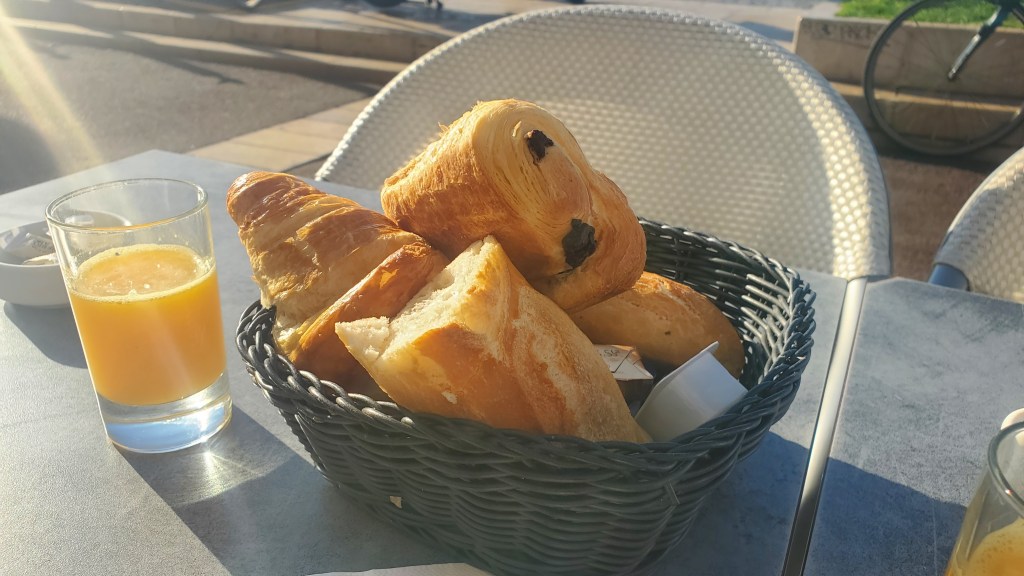
It took me half of our 5 days in France to learn that it is Mar-Say, not Mar-Sigh (Say Mar-say is my mnemonic device). It was an excellent sign how I would massacre all my attempts to speak polite French, but what I did poorly, I also did cheerfully….which is easy to do with a croissant stuffed in one’s mouth.
I was surprised to hear that Marseille, for a long time, was considered a Place to Avoid. Drugs, unsafe streets, rough and dirty, all made this original port city in France not worth visiting. It has cleaned up its act considerably, but even Rick Steves, aka St. Rick, still calls it “gritty”. That is not what we experienced, however.
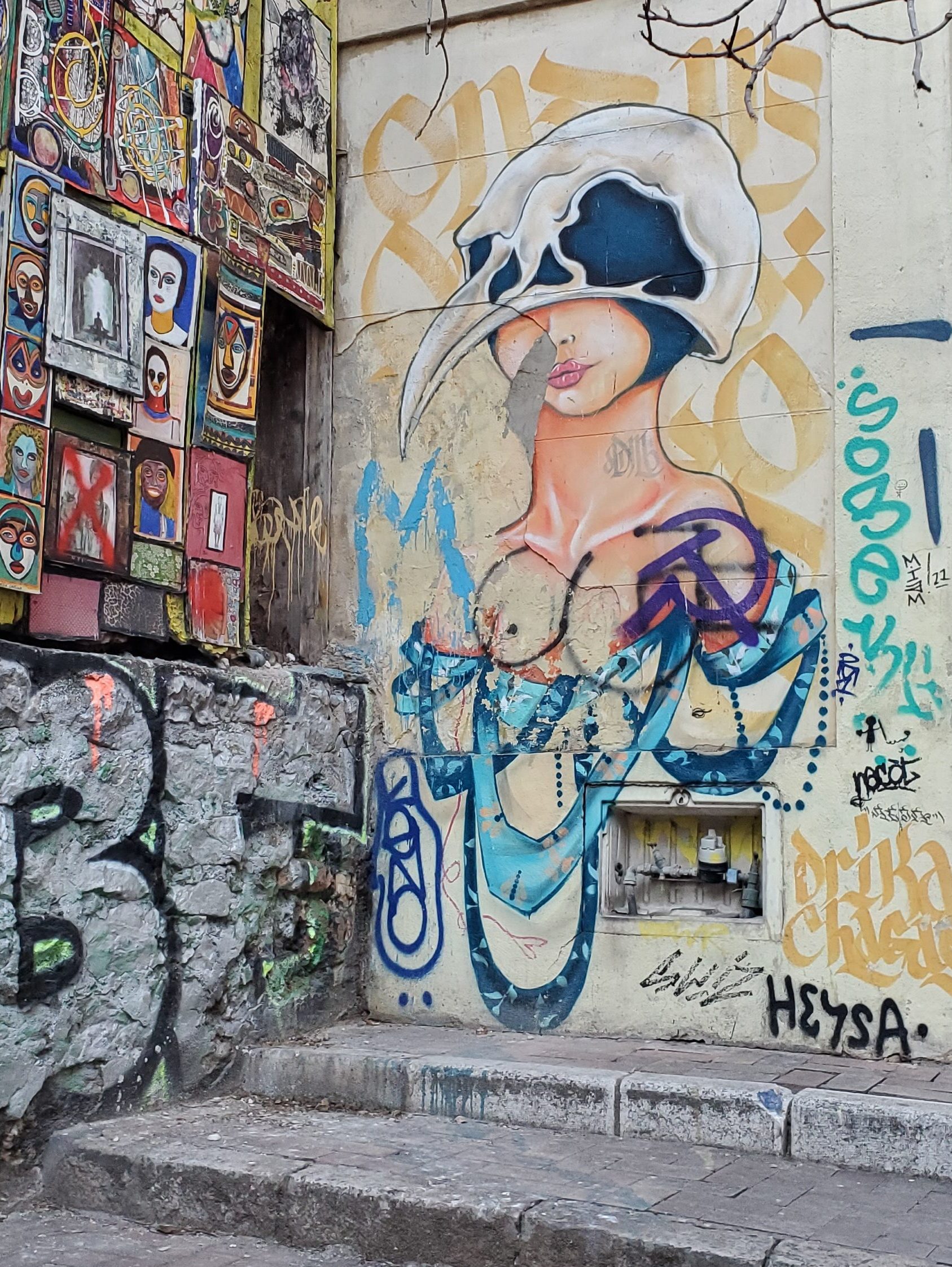
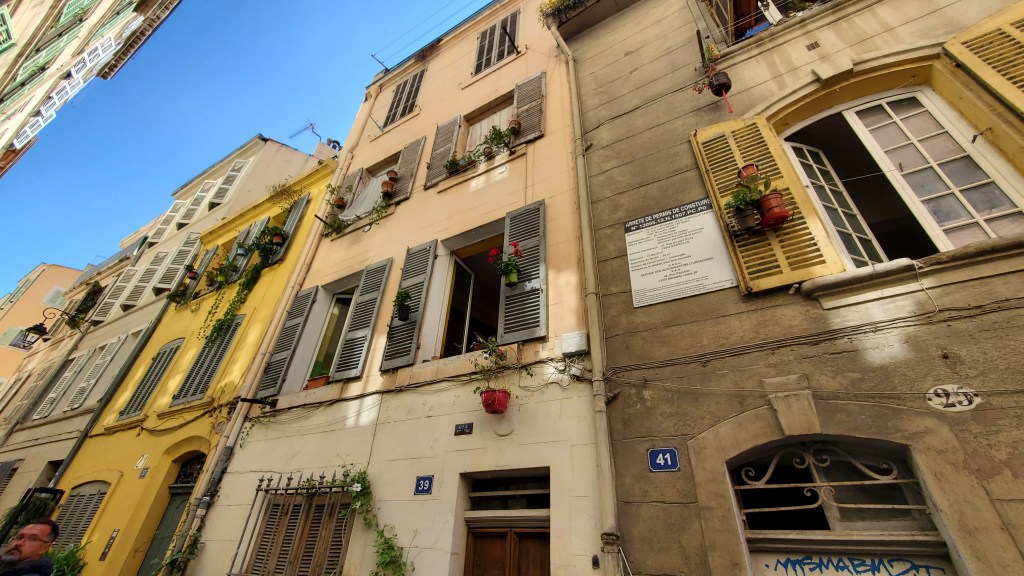
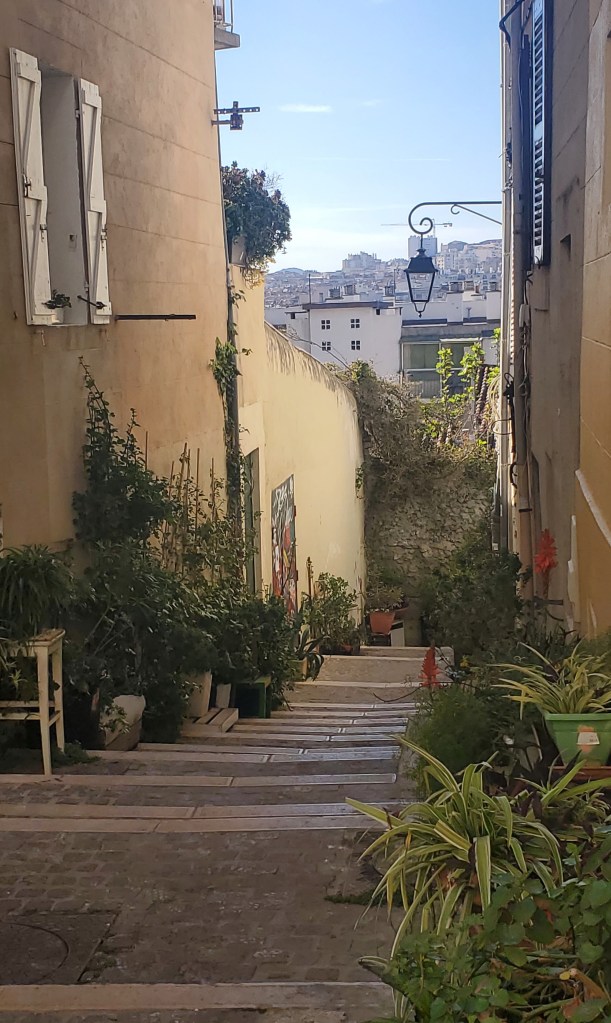
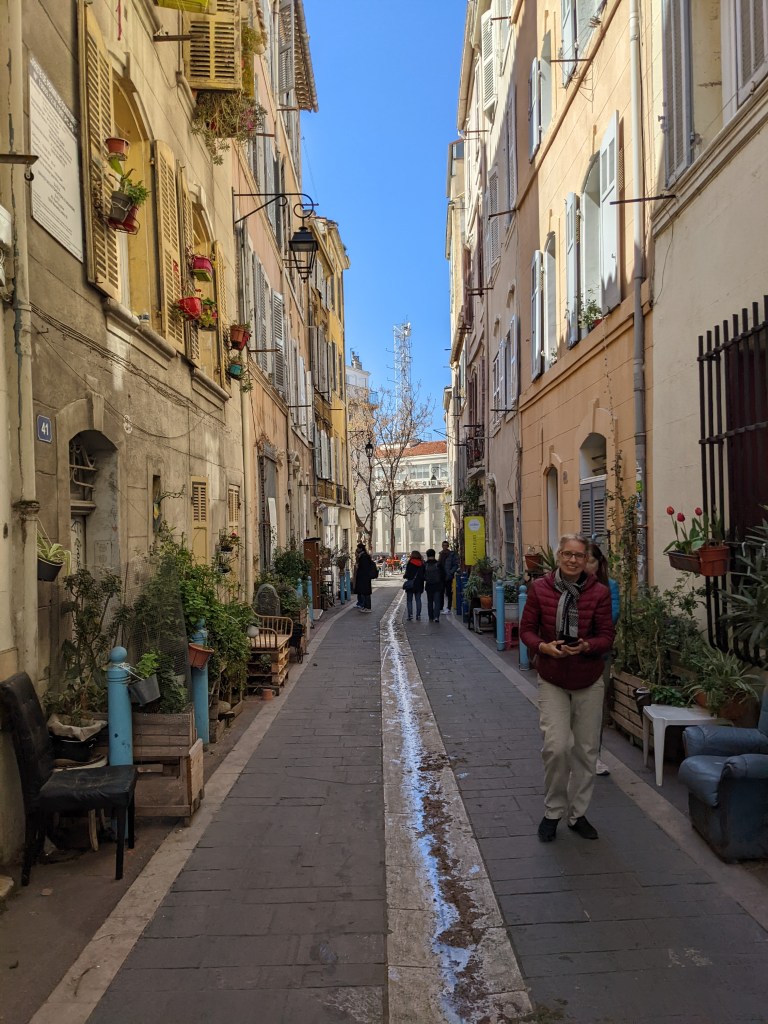
We got to stay in La Panier, aka The Basket, aka Old Town, where the alleys are narrow and zigzagged, old and charming. Okay, maybe it’s a little gritty. With such tight spaces, grass doesn’t grow, and the puddles you see are certainly from man’s best friends, not rain clouds. It is also a place that drips street art, sometimes disguised as graffiti. For instance, it was much easier to remember our apartment was opposite this lady than to look for the street signs.
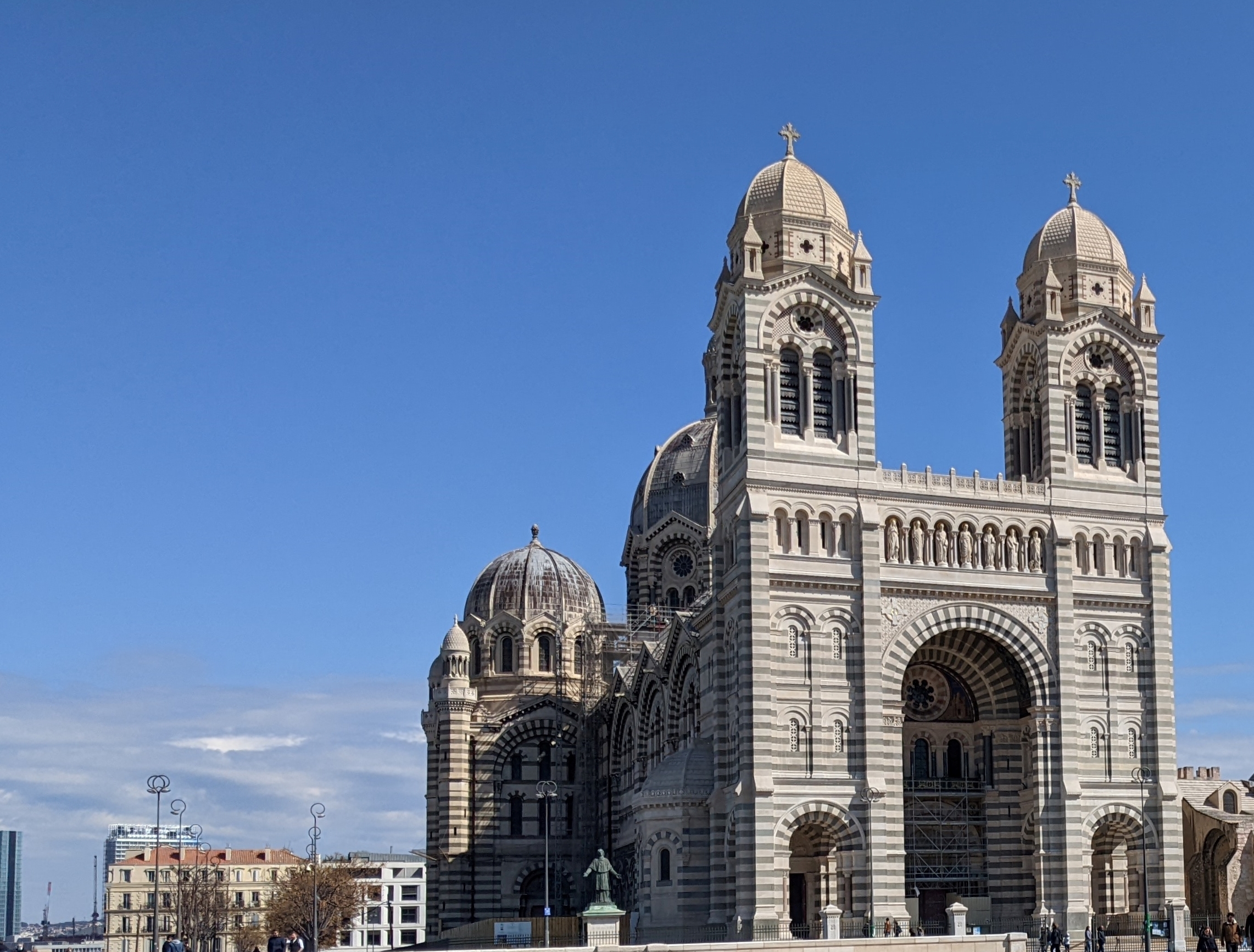
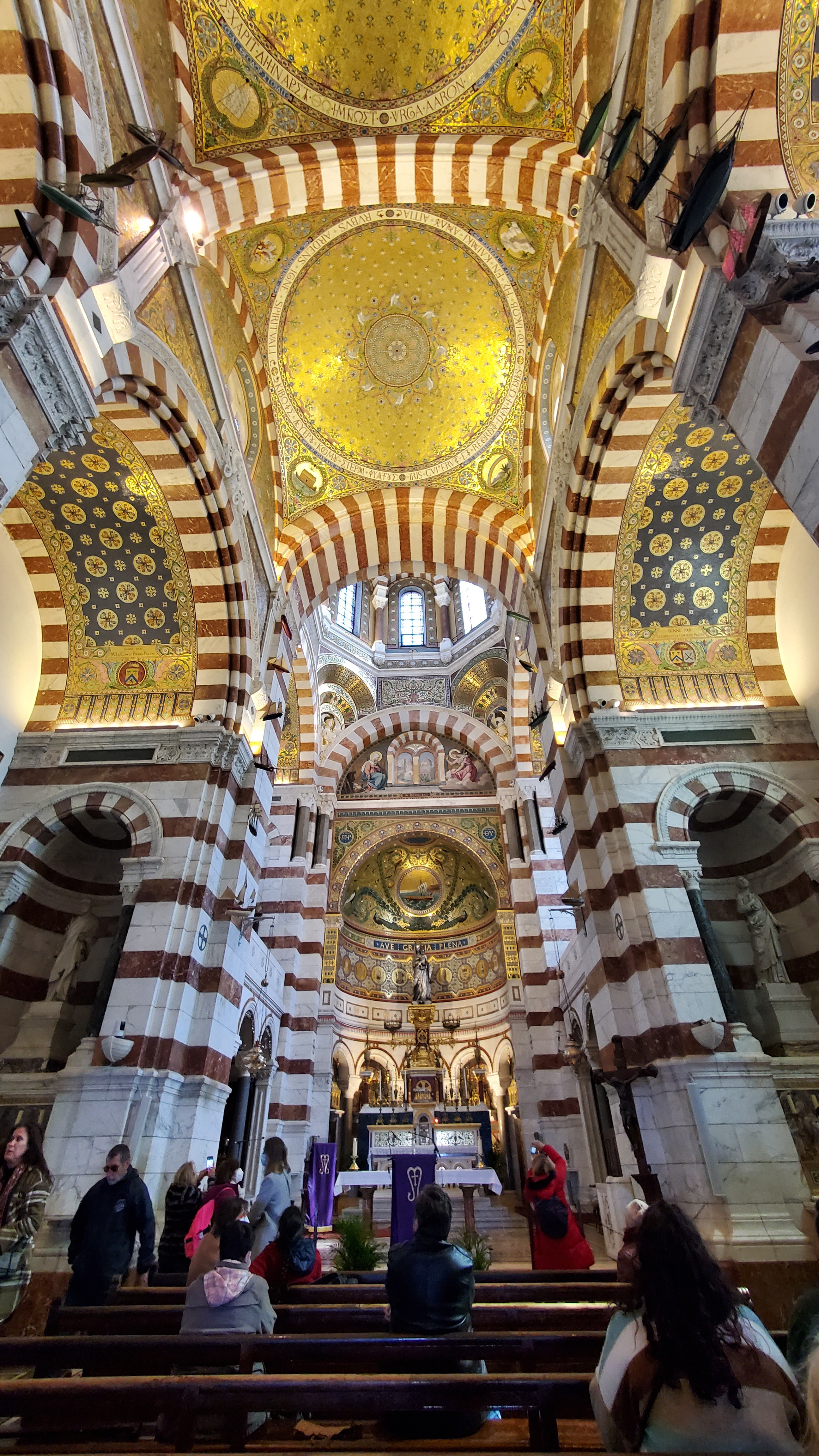
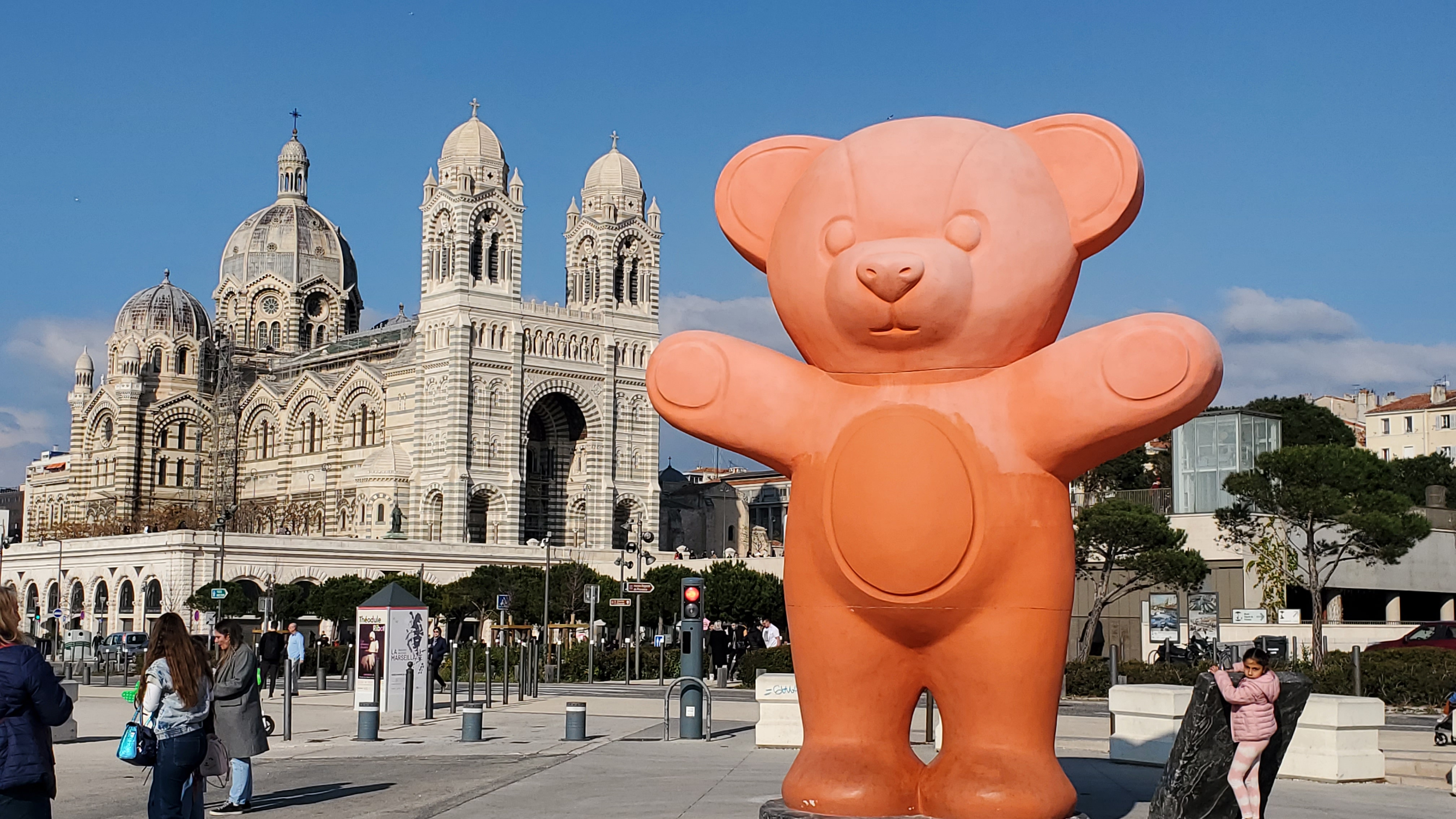
The cathedral* is far too beautiful to be sharing the stage with an overgrown gummy bear, which has no stated explanation. It’s probably just part of the Weird Marseille tour. Between Cathedral de la Majo and some of my favorite Egyptian antiquities, I am leaning towards stripes for the temple Dwayne will be constructing for me.
Cathedral de la Majo is about to get crushed by Gummy Godzilla.
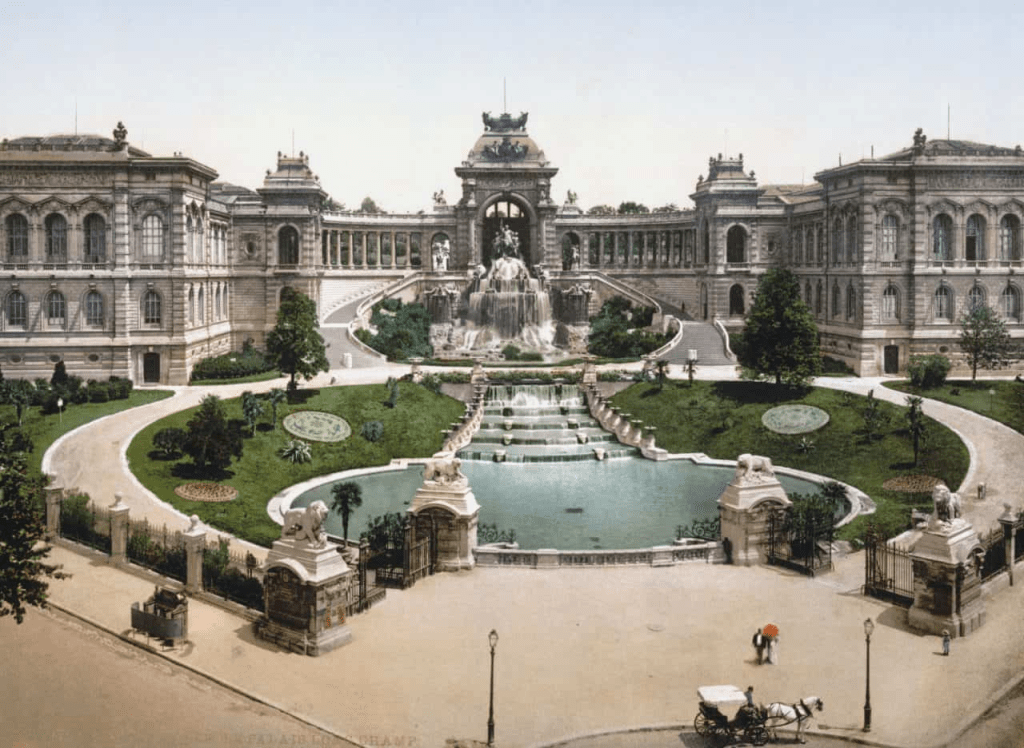
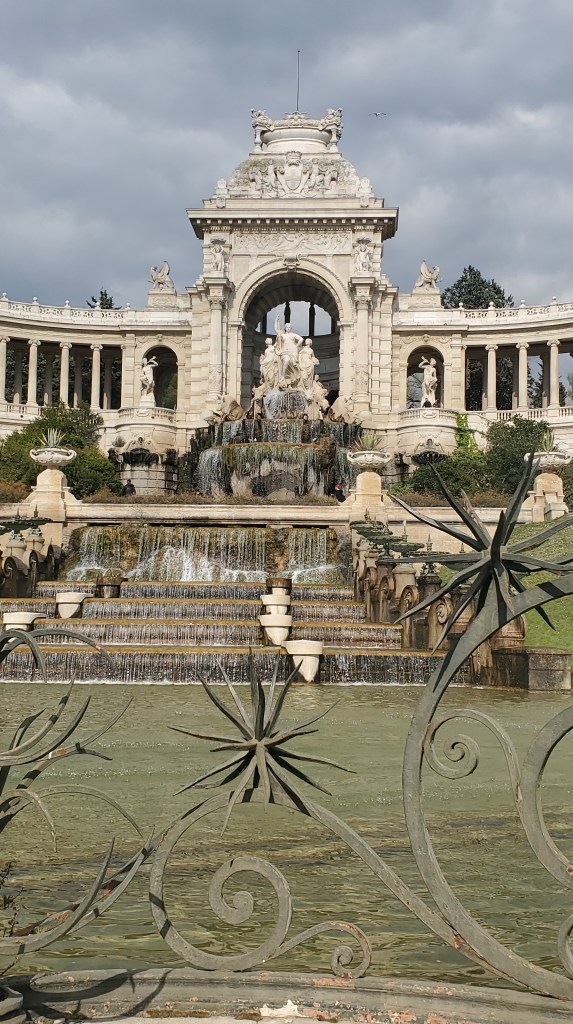
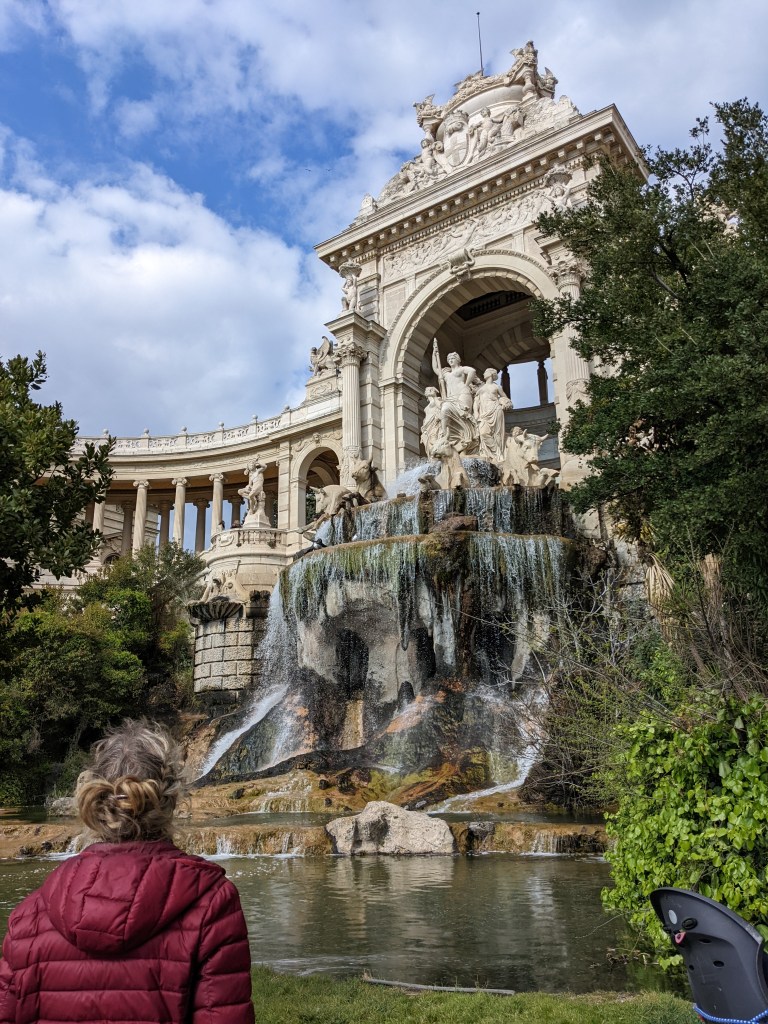
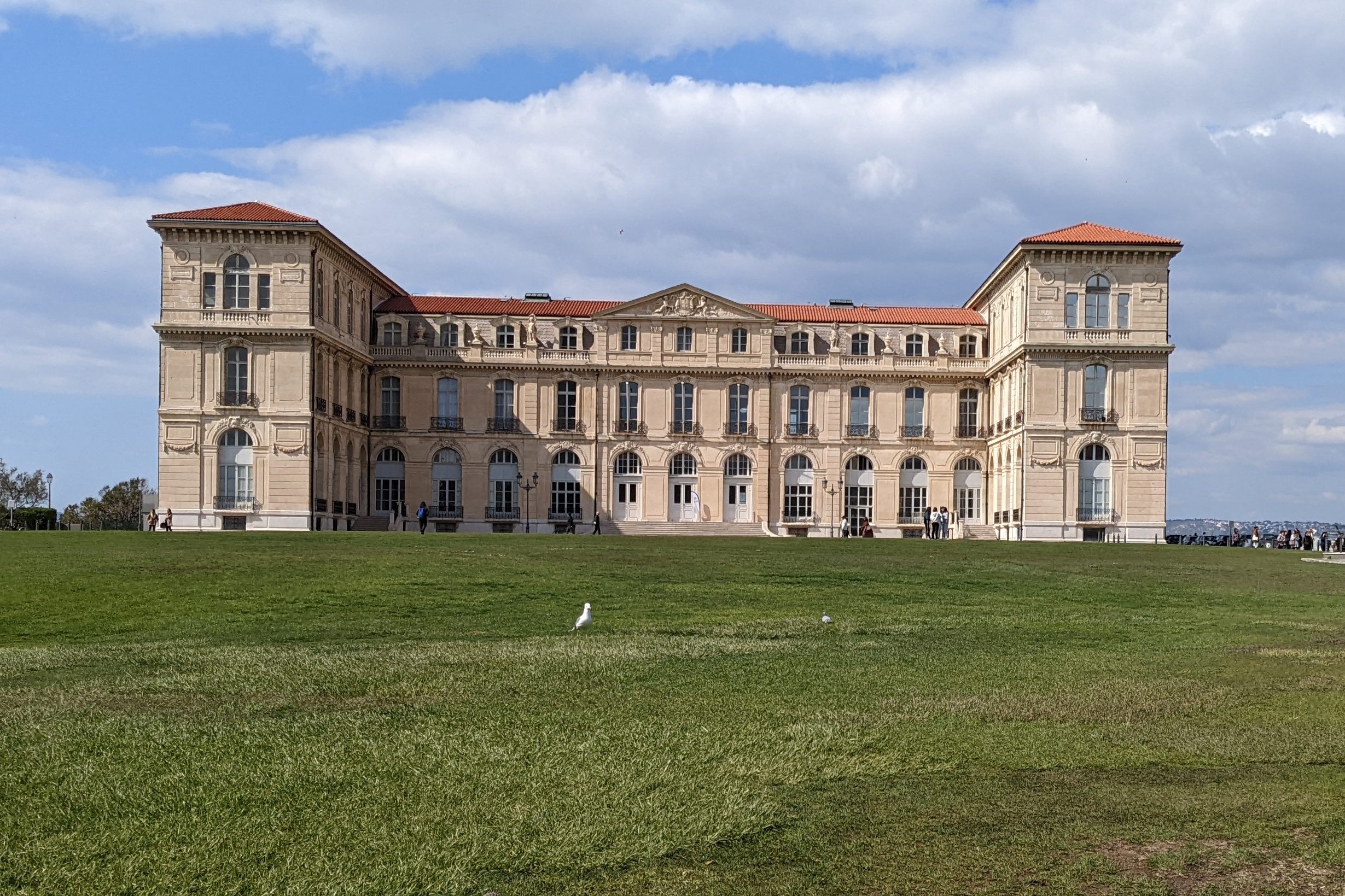
I find St. Rick a useful guide for traveling Europe just right, but he made a miss on Marseille. Of the 10 things he recommended in the city, Longchamps was not #1, or even on the list. So when Kyla, Dwayne and I scootered several kilometers after a disappointing visit to the Palais du Pharo** to come face to face with this,
Thanks, Bing, for helping me go back in time to find an image that gives the scale of this “water feature”.
…well, I thought that for the first time, Dwayne would wet himself. It’s amusing to see him bodyslammed by a new muse.
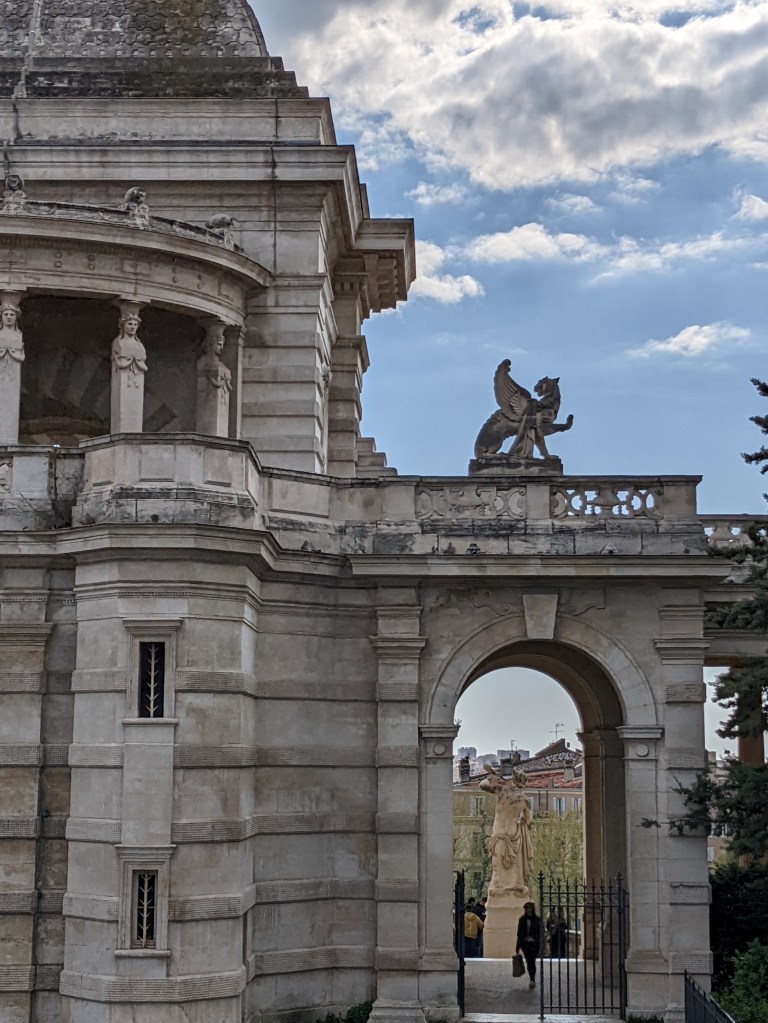
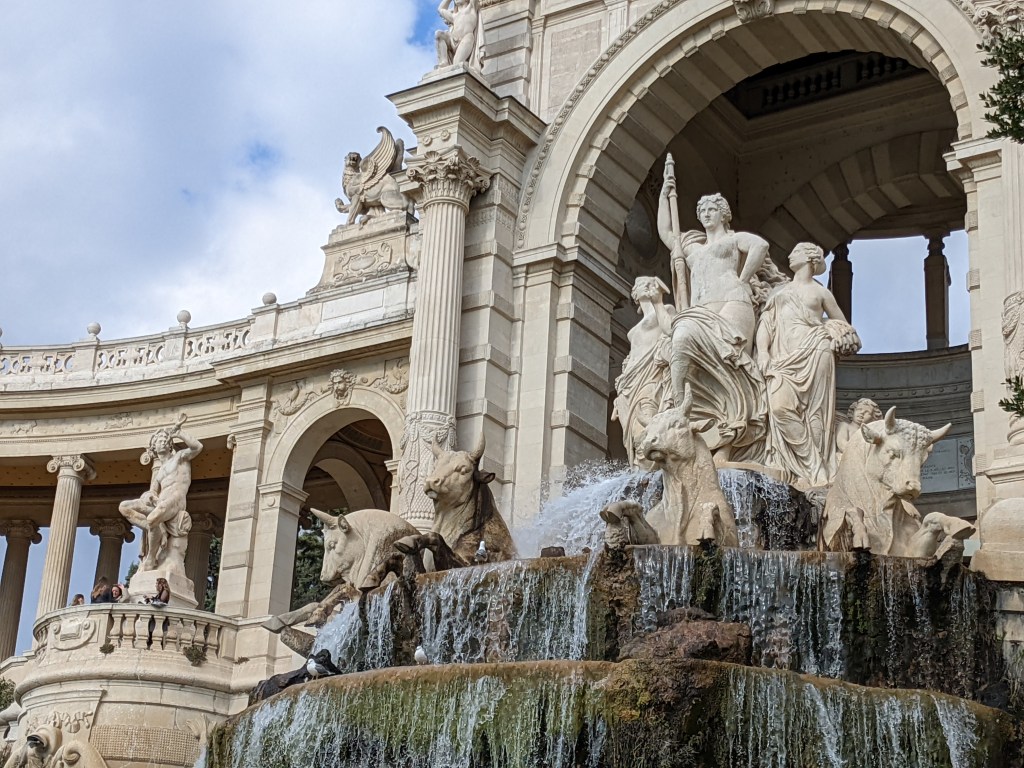
This grand and exhilerating monument is flanked by museums of fine art and natural history, unfortunately both closed on our Monday there. Longchamp was designed to celebrate the arrival of water to Marseille from a canal about 175 years ago. C’est magnifique. It checks all the boxes for seductive structures:
Curving columns and balustrades
Arches
Wonderful statues of people, animals, and mythology, both realistic and whimsical
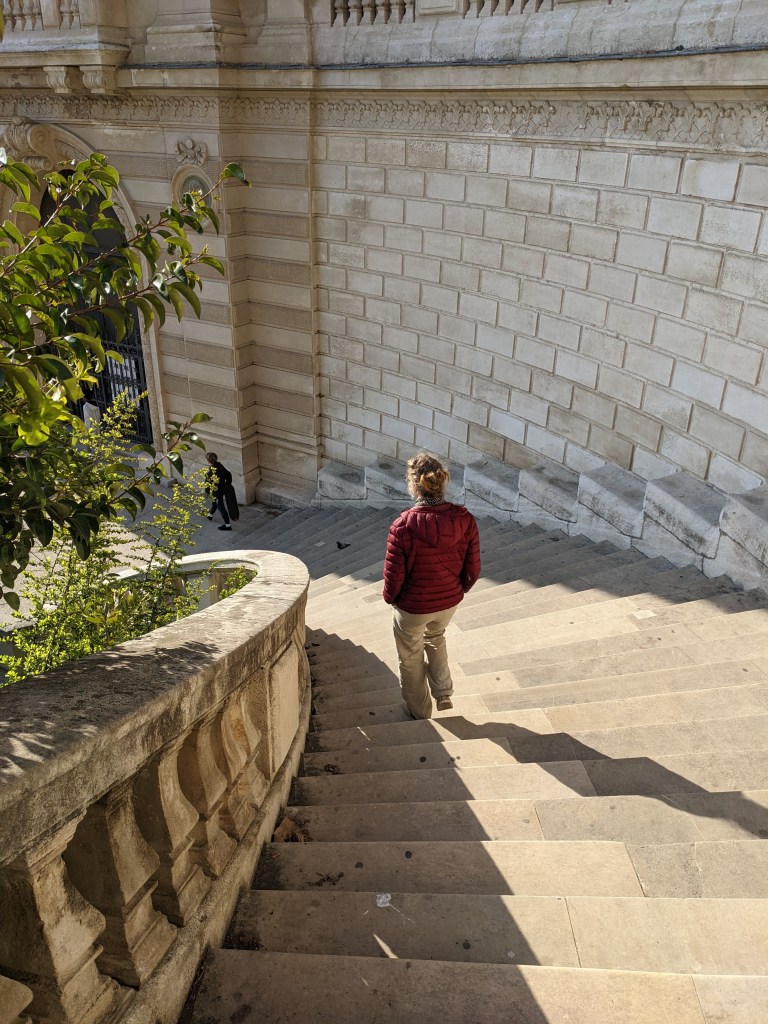
Winding staircases
Waterfalls…falls….falls…falls
Greenery and pools
Artistic details
Friends, this is a masterpiece of civic art and pride, and what I have loved about Marseille is that people use the green spaces to play, relax, eat, picnic, stroll, and just enjoy the setting.
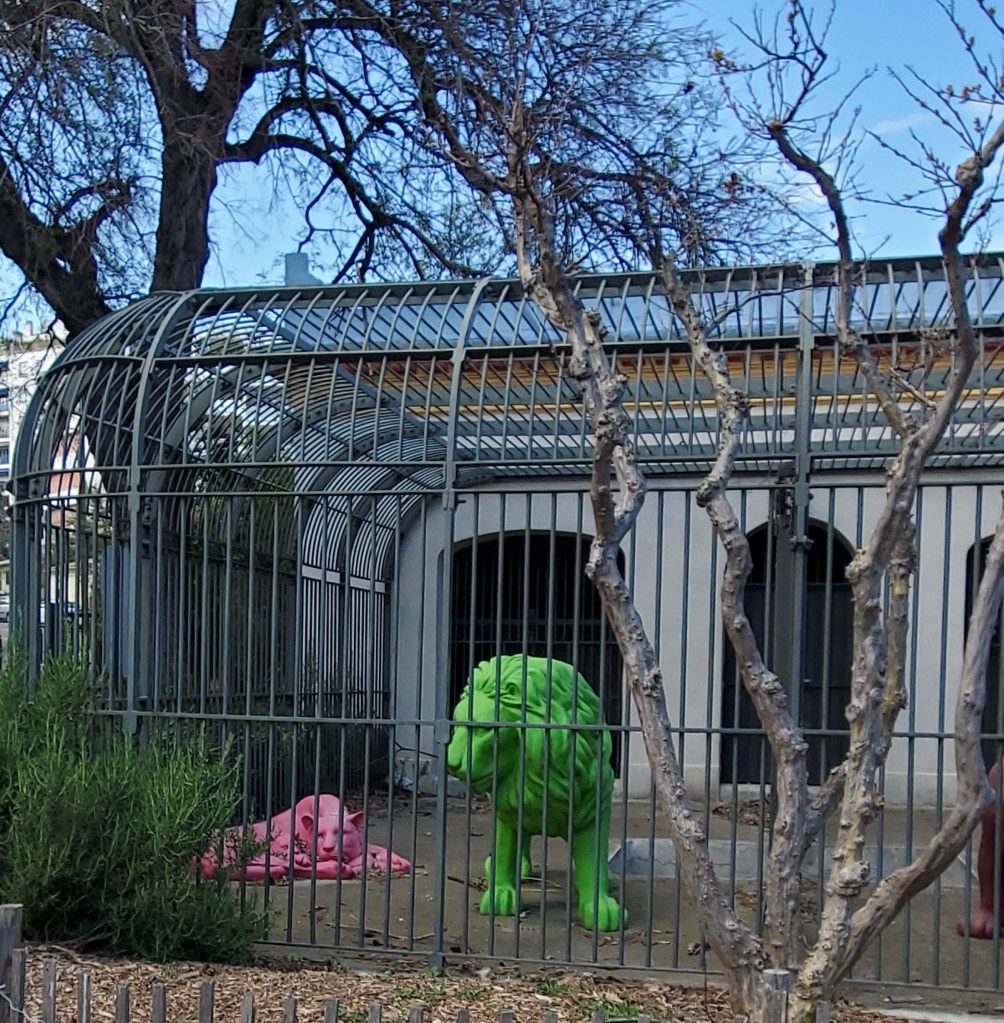
The only disappointment of Longchamps was that it was a great, grand, immoderate opening gate to…not much. These gardens behind it are sparse and uninspiring. It did encompass an old zoo that is now billed as the Funny Zoo, but the hilarity of pink lionesses and blue tortoises is tempered by the realization that not long ago, zoo animals lived in such cages. However, one passes through the Longchamps waterfall extravaganza on the way out again, which quickly overrides any Funny Zoo melancholy.
Marseille is an odd part of Provence, France that isn’t at all what southern France is reputed to be. Next, Dwayne, Kyla, and I take a day tour to proper Provence, visiting France’s Most Charming Village (population 22), the famous Roman aquaduct bridge that you can’t name but will recognize, and kiss-me-right-now Avignon.
*Okay, a cathedral. The cathedral, Notre-Dame de la Garde, sits on top of the hill overlooking the city and is the popular tourist choice. However, the Cathedral de la Major is more important Catholically as a basilica, and for my eyes, a more beautiful structure, inside and out. Even in front of generic Funshine Bear.
**One would think (Denise did think) “Pharo” and “Palace” would be a more interesting combination.
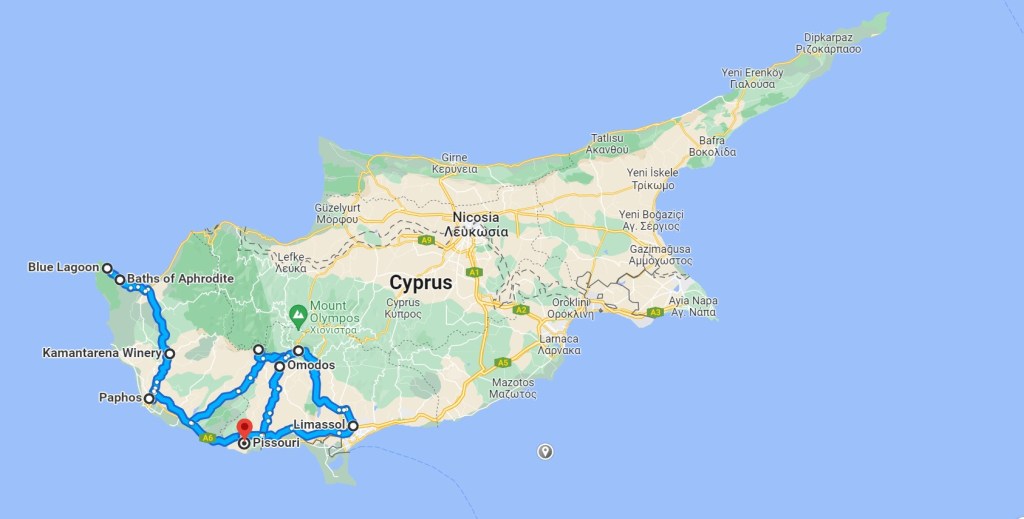
A quick map of Cyprus on the little bit we explored. I would return again to see more of the east shore.
There’s nothing to remind one how spoiled/privileged/entitled your life has gotten than, after several weeks of having a mix of private tours and our own agenda, getting on a bus with no more than 50 other people for a full day big group tour*.
A family portrait. Piper left her Egypt hat on the last plane, so we bought her a Cyprus hat so she could still participate in photographs.
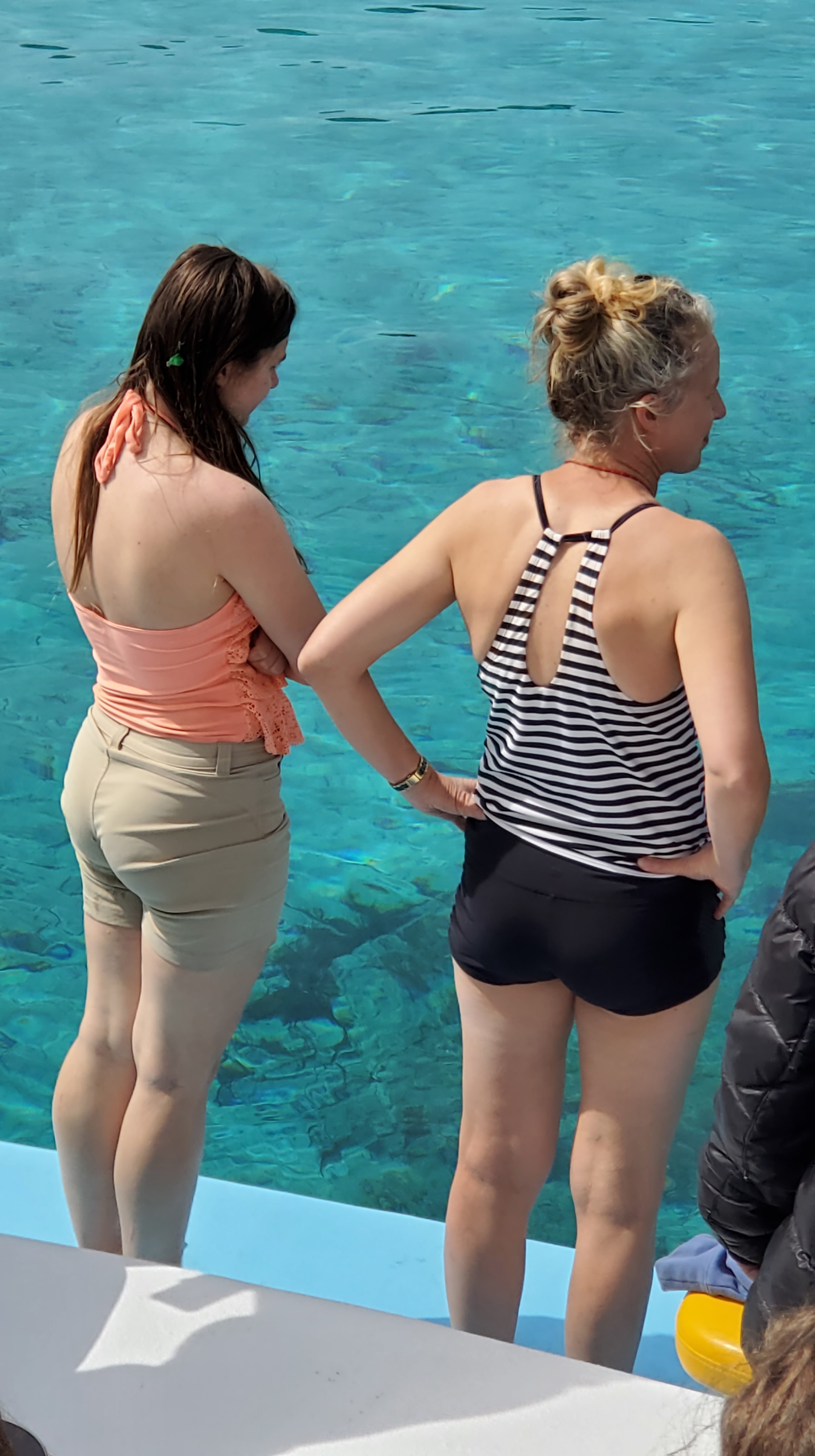
But that’s exactly how we choose to spend today, liking the anonymity of sitting in the back of the bus, and getting to another part of the island to do the Blue Lagoon, among other sights. The water, you will not be shocked, was startling blue and clear. It was also cold, with the morning temperature flirting with 60. (I know, it looks like it should be as sweltering as the Mediterranean is rumored to be. But people who spread such rumors vacation in summer, not late March.)
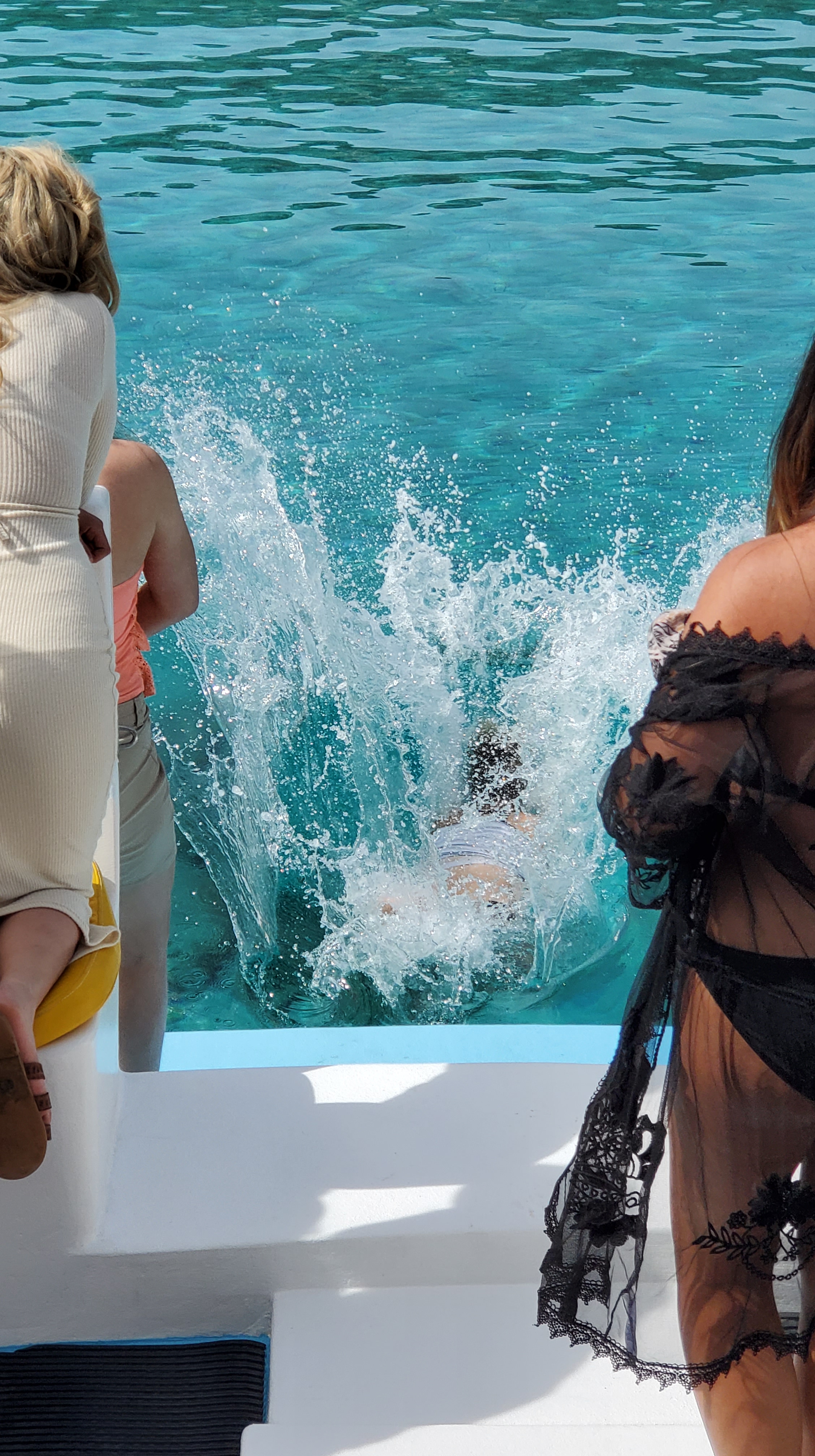
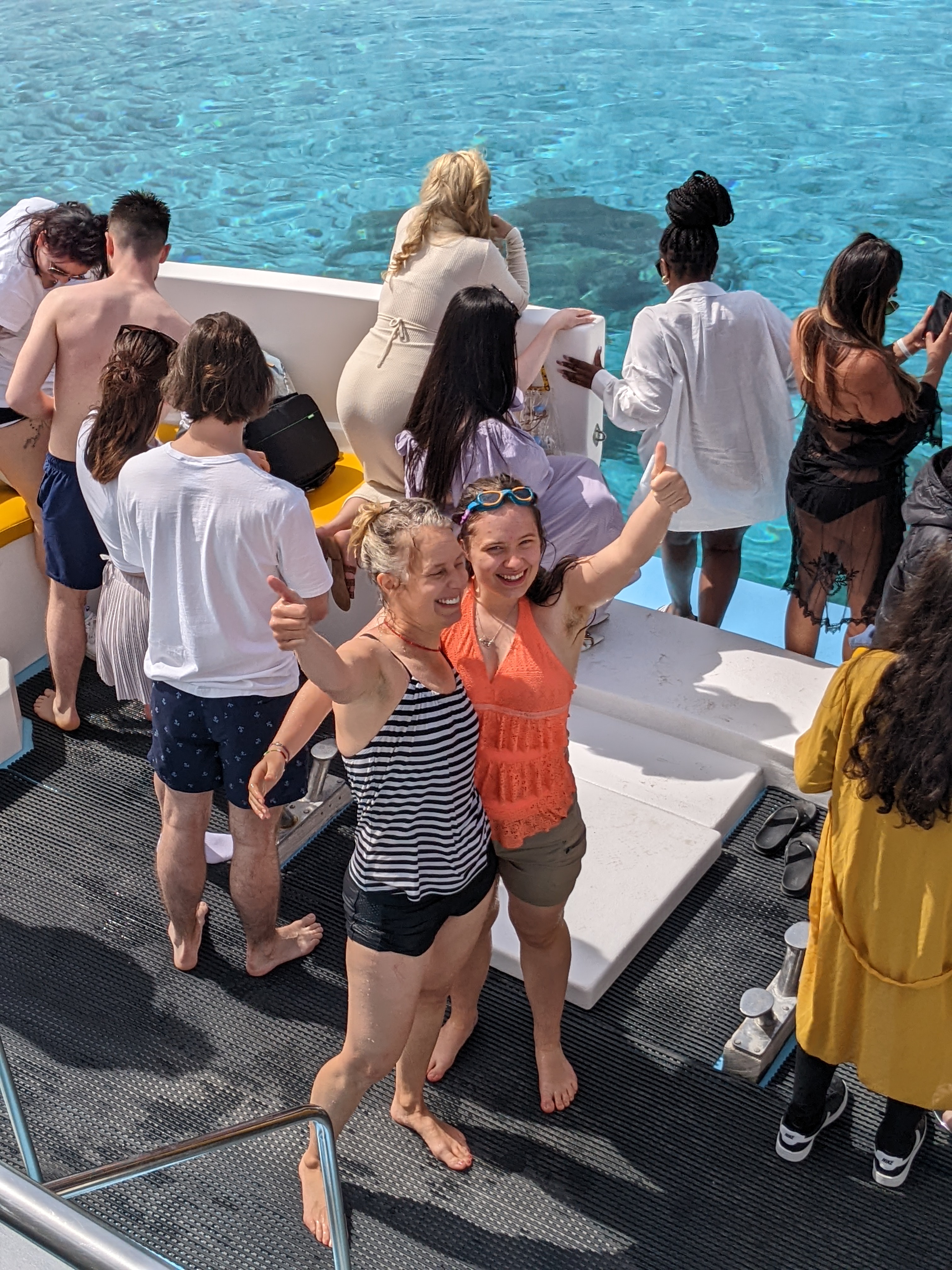
However, Kyla and I are pros. We Polar Bear on New Years and this was certainly warmer than a Pacific Northwest January. So after some posturing and pondering, we took the plunge. I have a strong memory of holding hands while we jumped, but Photo #2 begs to differ.
It was chilly, but I decided whenever I land in a place with a blue lagoon, I should skip the thinking and just jump. As Kyla points out, you won’t remember tomorrow how cold you were today. She is my favorite let’s-do-something-stupid adventure buddy.
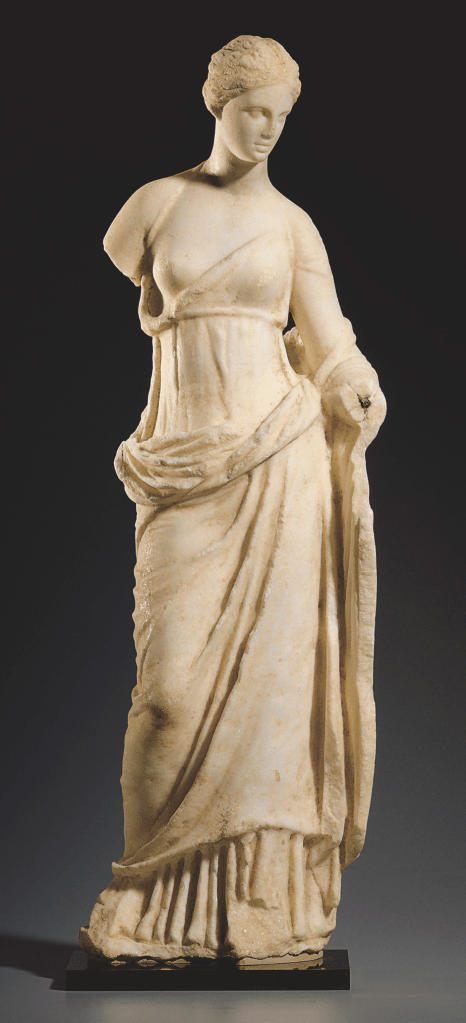
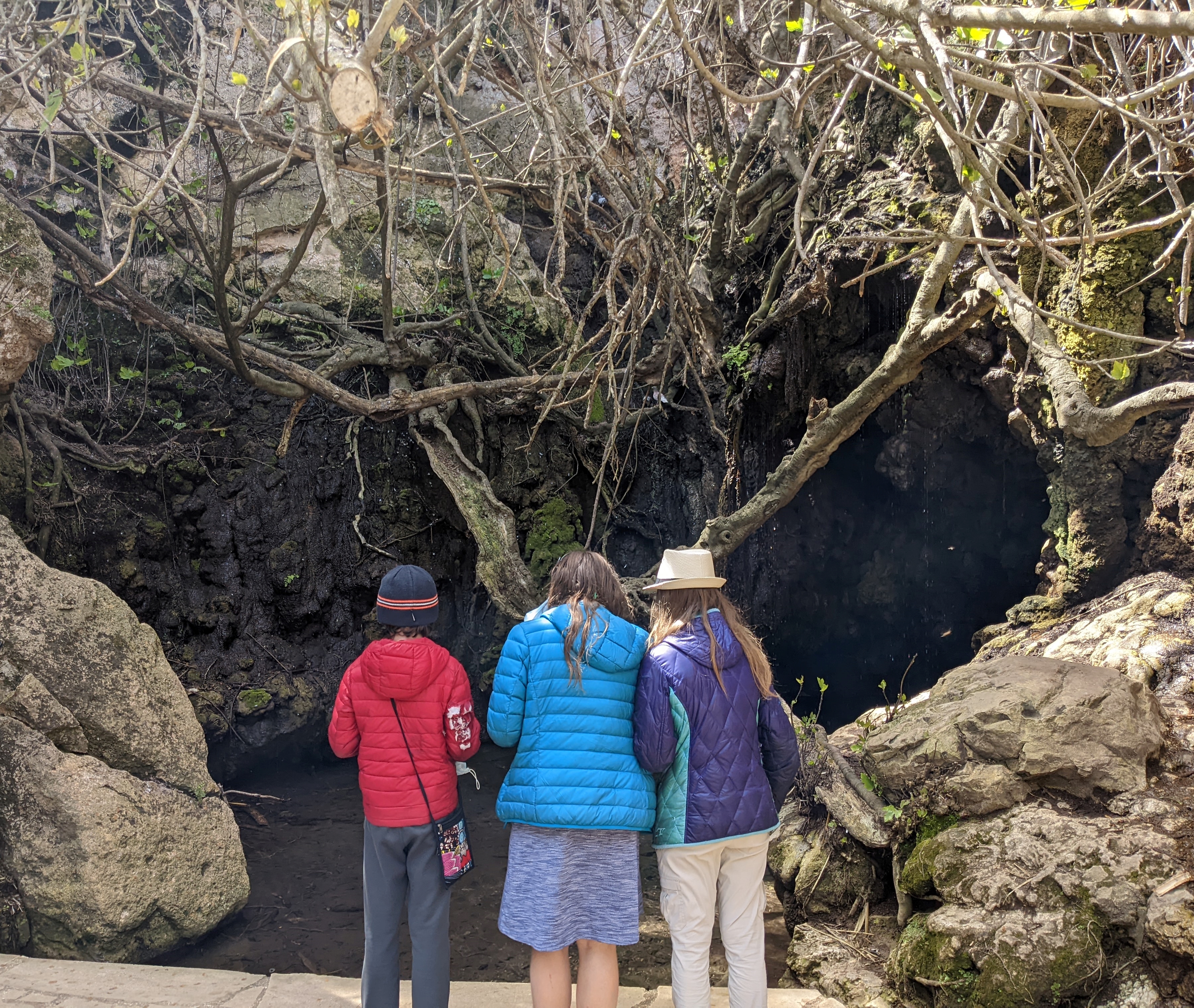
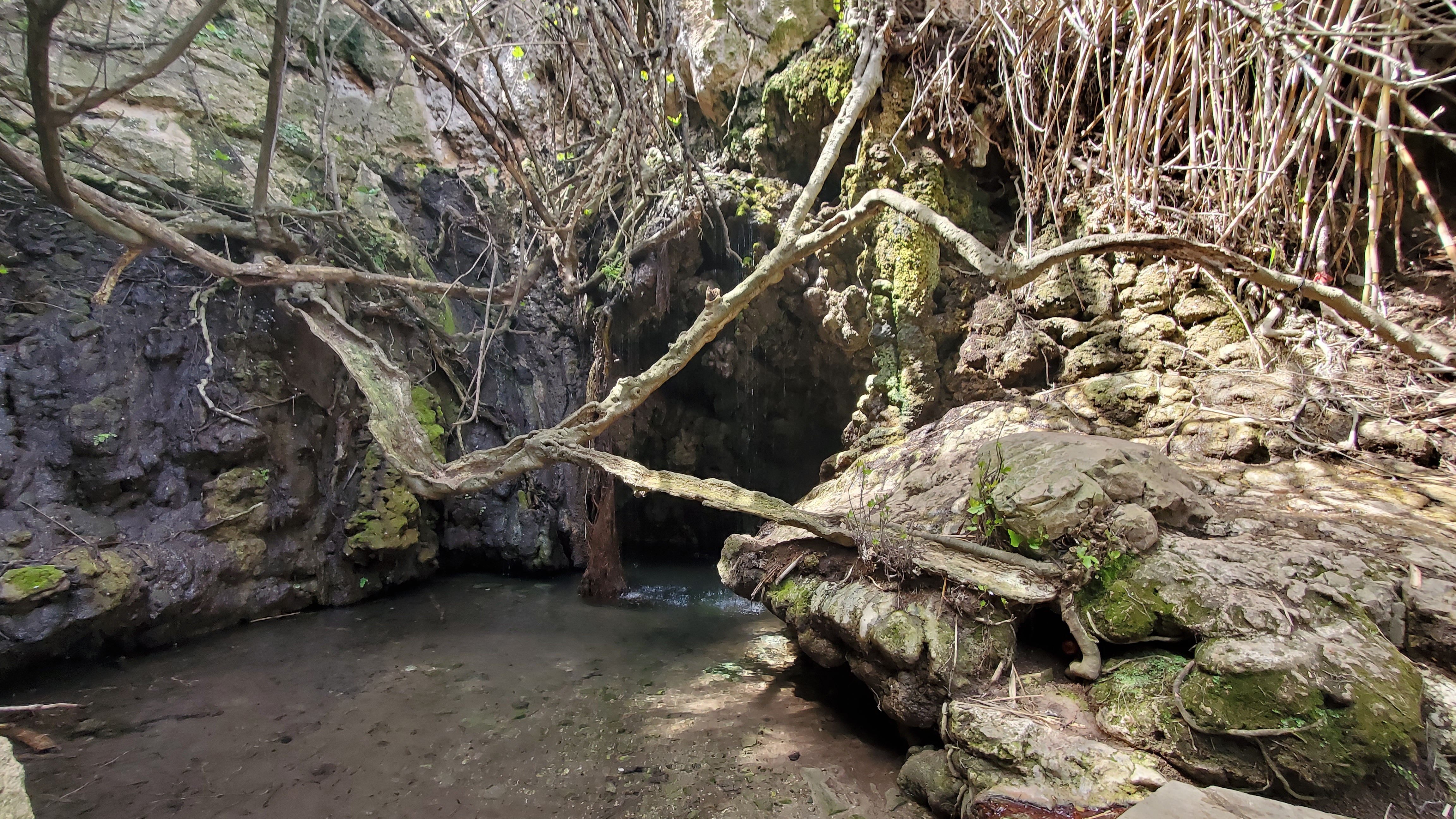
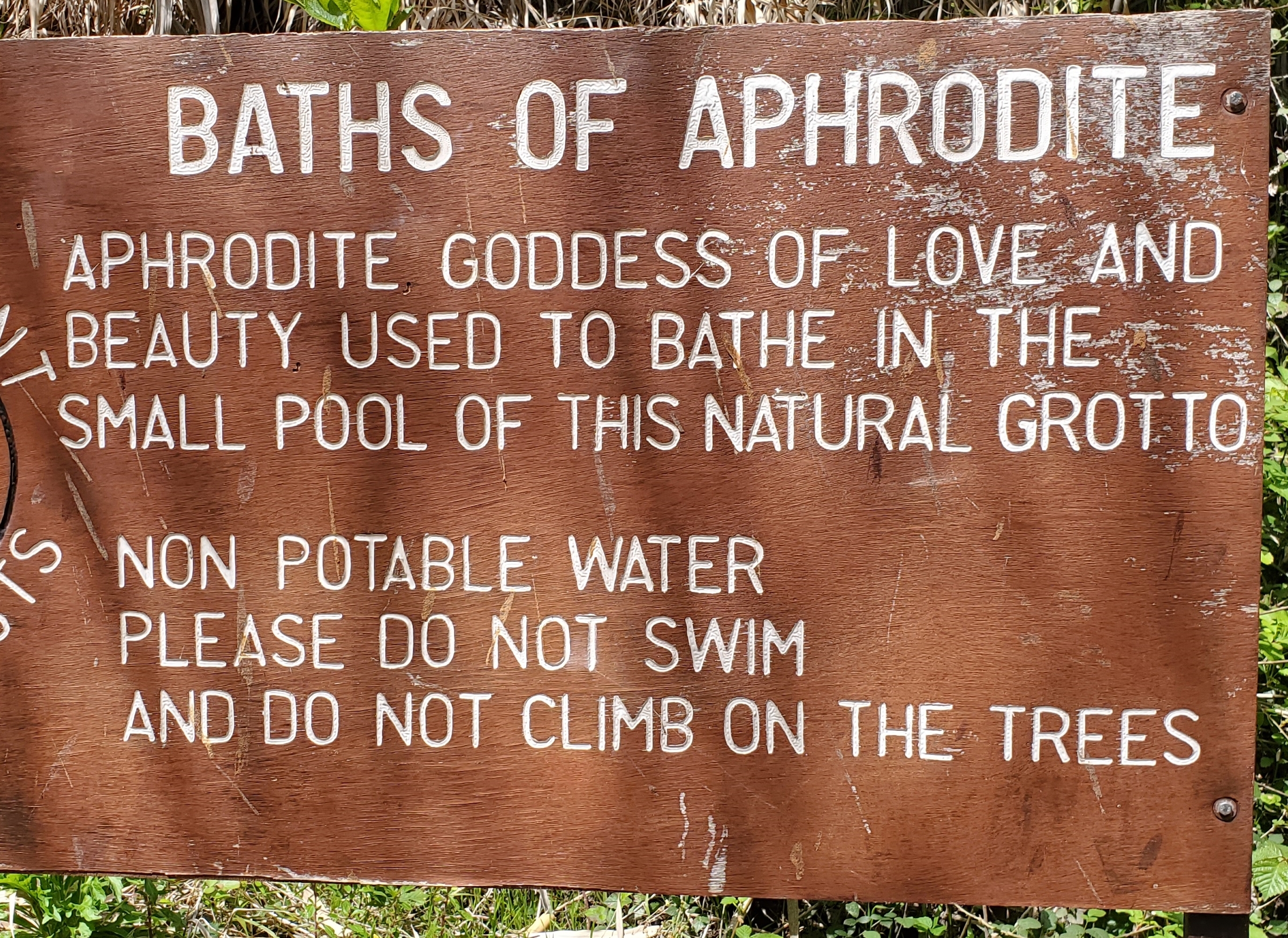
Aphrodite, who rarely likes to wear arms, began her goddess of love career in Cyprus. If Aphrodite may have been born, bathed, or bred somewhere on this island, it is now a tourist sight. After we got off the boat, we got to see where Aphrodite bathed, where swear-to-gosh, splashing the water on my face would have given me eternal youth and beauty. But I was wearing make-up and didn’t want to ruin it. What I most appreciated about this spectacle is that it got me talking as if Aphrodite were real.
I like how the pool behind the kids is heart-shaped, an appropriate symbol of the goddess of love & lust. It is especially artistic how Dwayne took this picture in such a way to hide the fact that he had just bought them all heaps of gelato and the interest they are showing is in trying each other’s flavors, not giving homage to Aphrodite.
Our lunch on the beach included a full fish, which is clearly begging me to kiss it.
Our poor children had to endure a stop at the winery on our way back to Pathos. This is when the herd-tour idea comes apart. First, for 50 people, one must stop at a large winery. Second, this winery put out 40 bottles and told us to try a few. Luckily, Kindle came with me off the bus, so I found a sunny corner and read until we could move on. I believe the youngers just slept on the bus. France is next on our itinerary, so I’m not feeling too cheated by this wine-tasting fail.
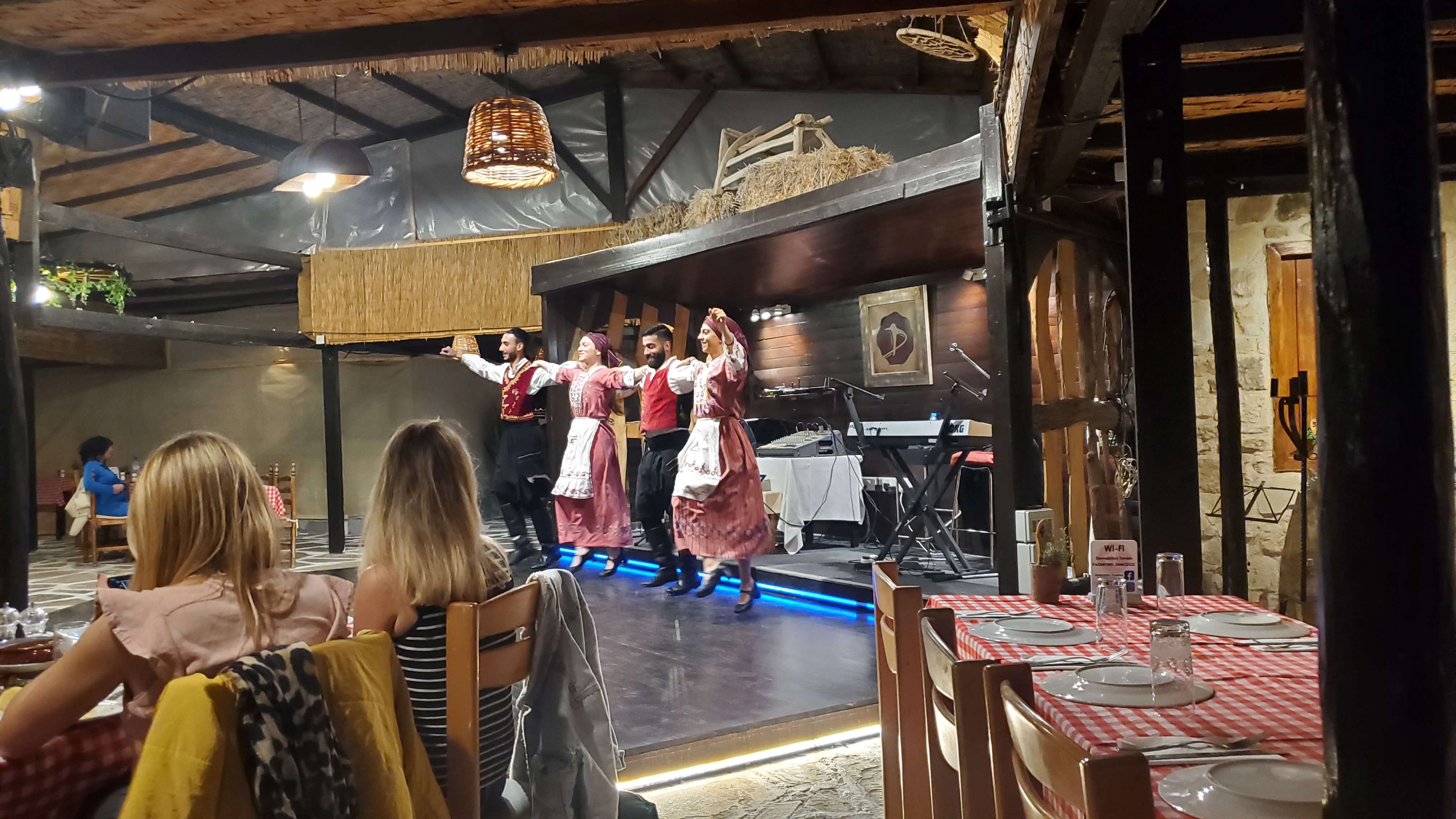
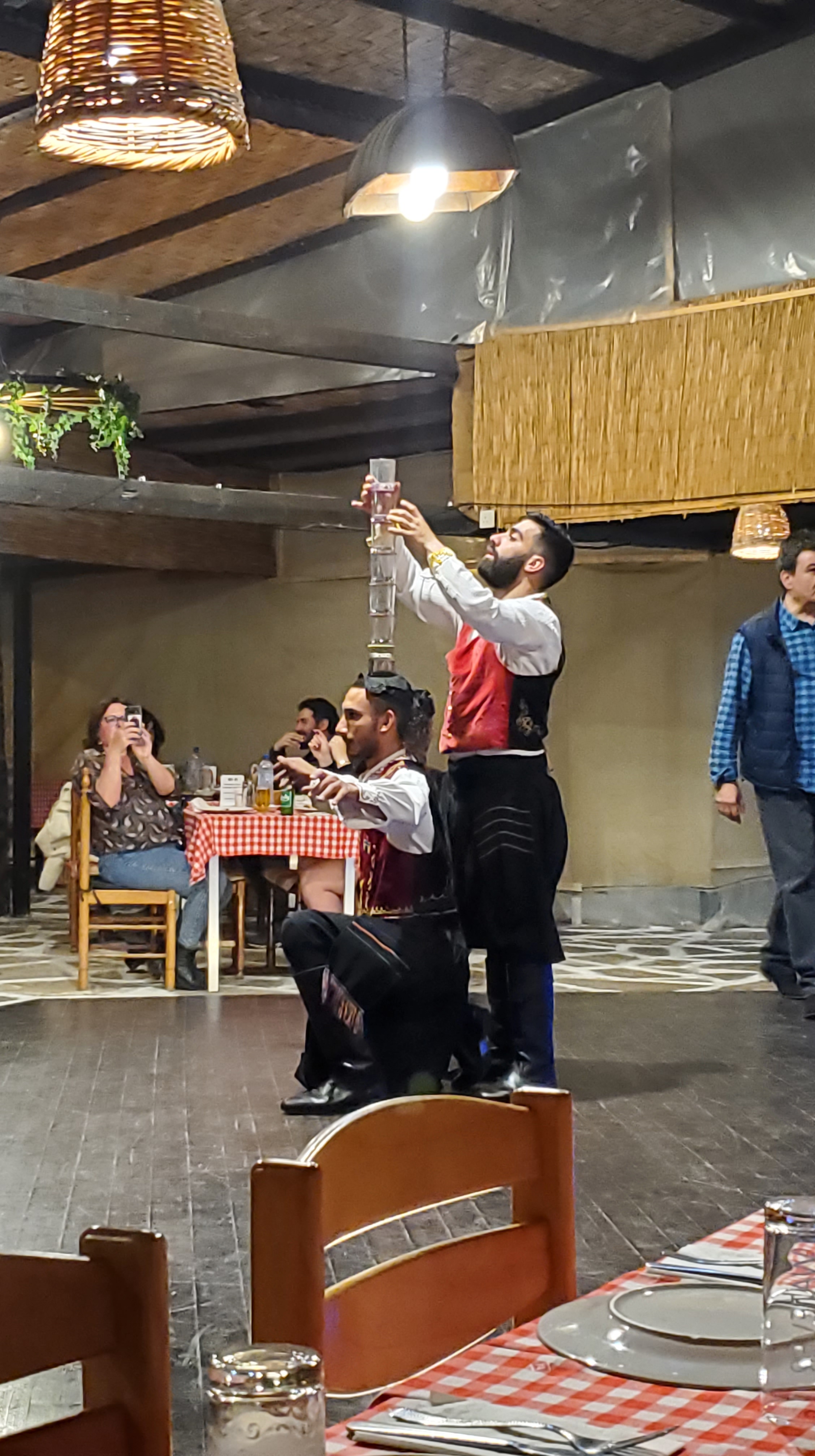
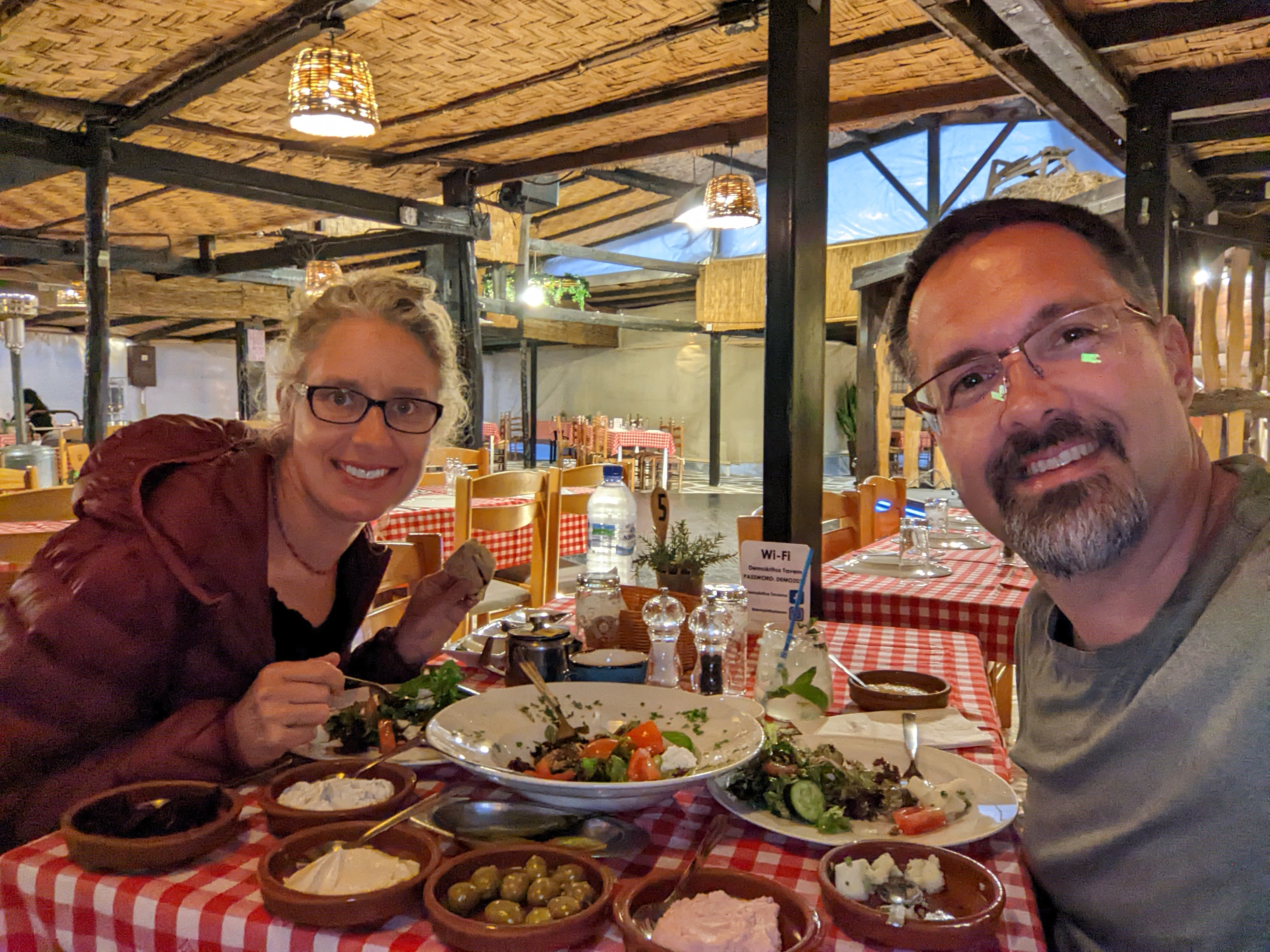
Just to wrap up Cyprus, Dwayne and I did one more Cyprusty activity of note. Leaving the kids at home again, we drove out to a tavern that was known for its traditional dance and food. Mezzos is a multi-plate meal that comes with about 20 little plates, mostly of meat, plus heaps of dips and breads and olives. It’s a great way to make sure you can keep that bloated feeling for many days and ensure that your body has no room for veggies for at least that long. The traditional dancing was as much costume as talent, and the highlight was the balancing of 3, 4, 5, and eventually 8 glasses on top of the head and dance-marching around the stage. When we were only the second group in this large restaurant at 7pm, we were sure that it was too early in the season for the dancing. But nope. We are in Mediterranean Europe where the dinner hour is the rest of the world’s bedtime, so when the dancers came out after 9pm, all the tables were full and ready to party.
See you next in France!
*To wit, next time we do some semi-serious traveling without kids, we will book a private tour for ourselves and 2-3 other couples, so we can have the same small-group breathing space that we’ve had this year with some of our favorite people. (Warning: almost everyone we know is our favorite people.) Please, travel with us in 7-10 years! South Africa is high on my list, as are South Asia and Oceana.
[If my reader would like to get an alternative perspective of Cyprus, I invite you to read Wes’s musings on his week of torture. I was amused.]
Cyprus felt like coming home. This is a little strange, because we’ve never been to Cyprus before, and although English is a prominent second language here, it is no more so than in Dubai, Kenya, Egypt or Jordan. We’ve been immersed in the Arabic alphabet for a few weeks, and in Cyprus, everything is first written in Greek (which hurts my head, because I think I am just two shots and a sleepless night away from deciphering το ελληνικό αλφάβητο*), then in English. But Cyprus, in spite of its weird political dispute and unacknowledged Turkish border, is in the EU, and we can navigate Europe.
To prove the point, we rented the car. And to prove its point, Cyprus drives on the left. So did we…eventually.
The attraction of Cyprus is that 1) it is a Mediterranean Island, 2) it has the sunniest clime in the area and is where Europeans go to burn to crisp, 3) its long history covers ancient, Greek, and medieval artifacts, and 4) Malta wouldn’t let us in**. As everywhere else we’ve been so far, the weather this year was highly unusual. It did break 70 F a few times, but we often found that our beloved puff jackets stayed on much of the time. Kyla dipped into the pool on the hottest day and dipped right back out. But the unusual weather meant rain and snow well into March, and though we had no precipitation during our visit, the island was green and lush.
Our first full day was pretty low-key, but very cultural: We drove to a grocery store and shopped for the week. Navigating groceries in another country is always one of my favorite things to do and we’re experienced enough at this point that we accept the fact that each piece of produce must go into a nonreusable plastic bag and be weighed and tagged by the produce manager before we can take it to checkout. Because this is such an EU tourist destination, the grocery carried, in the least organized way possible, regular groceries for Brits, Francs, Spaniards, and even some Americans. We were able to find taco seasoning and “minced beef”.
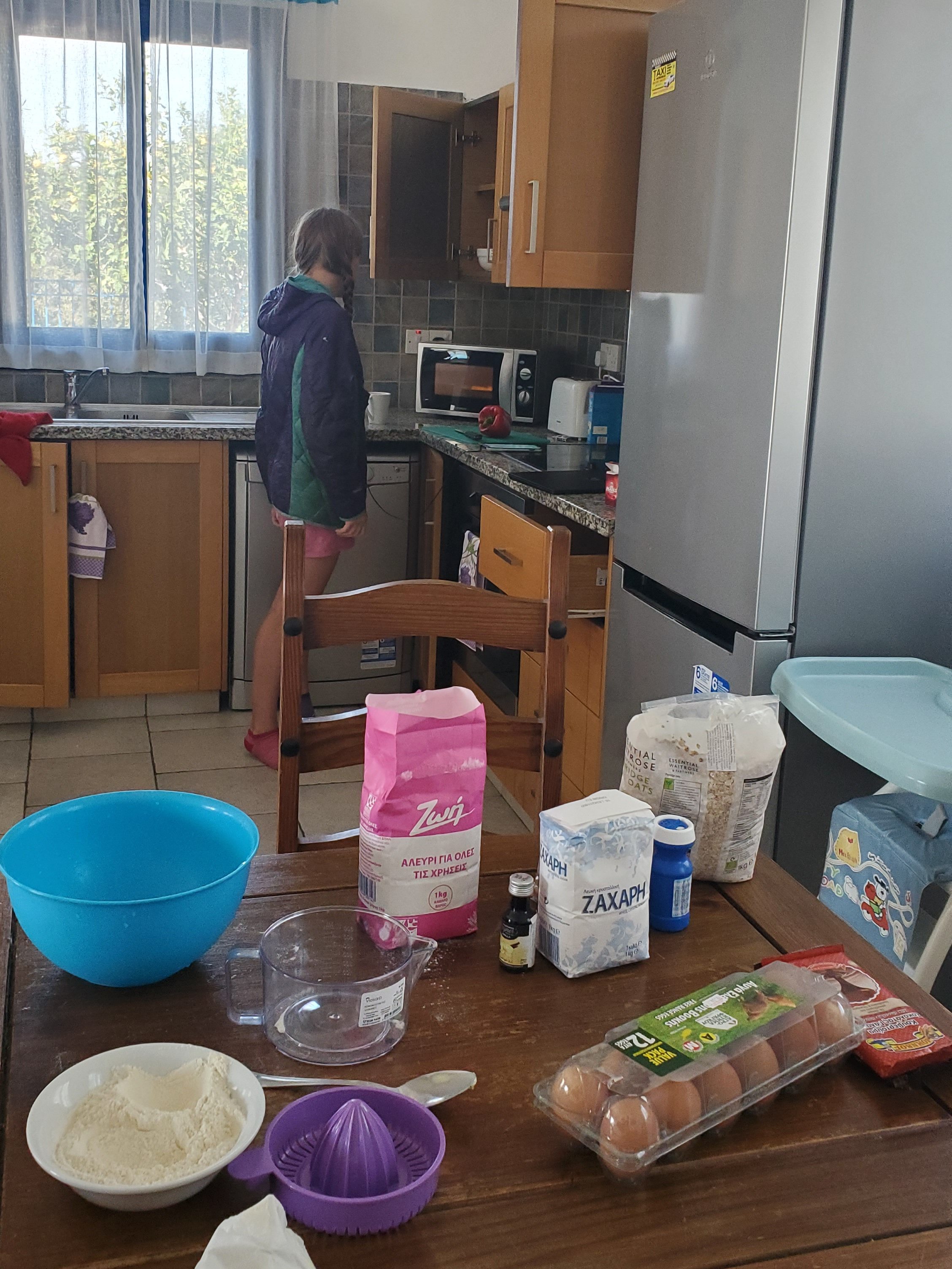
Piper had been yearning to bake as soon as we could get a kitchen so most of Monday was spent getting her ingredients and time. As good as the grocery store was, we couldn’t find chocolate chips, a clear violation of the food pyramid, so Piper hacked up chocolate bars. We ate all her cowboy cookies before we made it to the beach, trying to gain back an appetite for dinner.
We asked each kid what they wanted to do that week, and Piper chose zoo (once she had homemade cookies in her system again), Kyla wanted a nature trail, and Wes, well, Wes finally decided he would settle for seeing a movie in a theater.
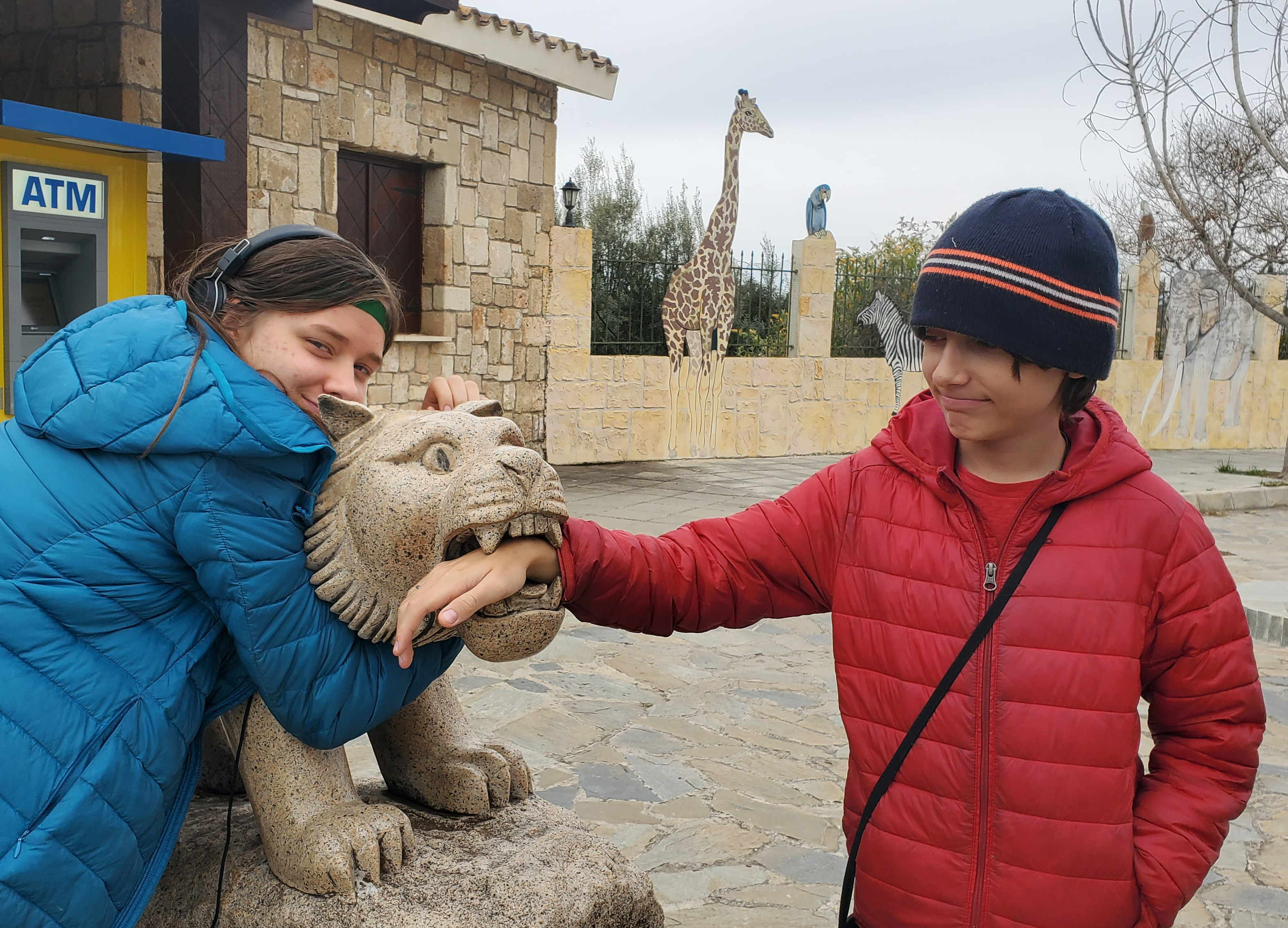
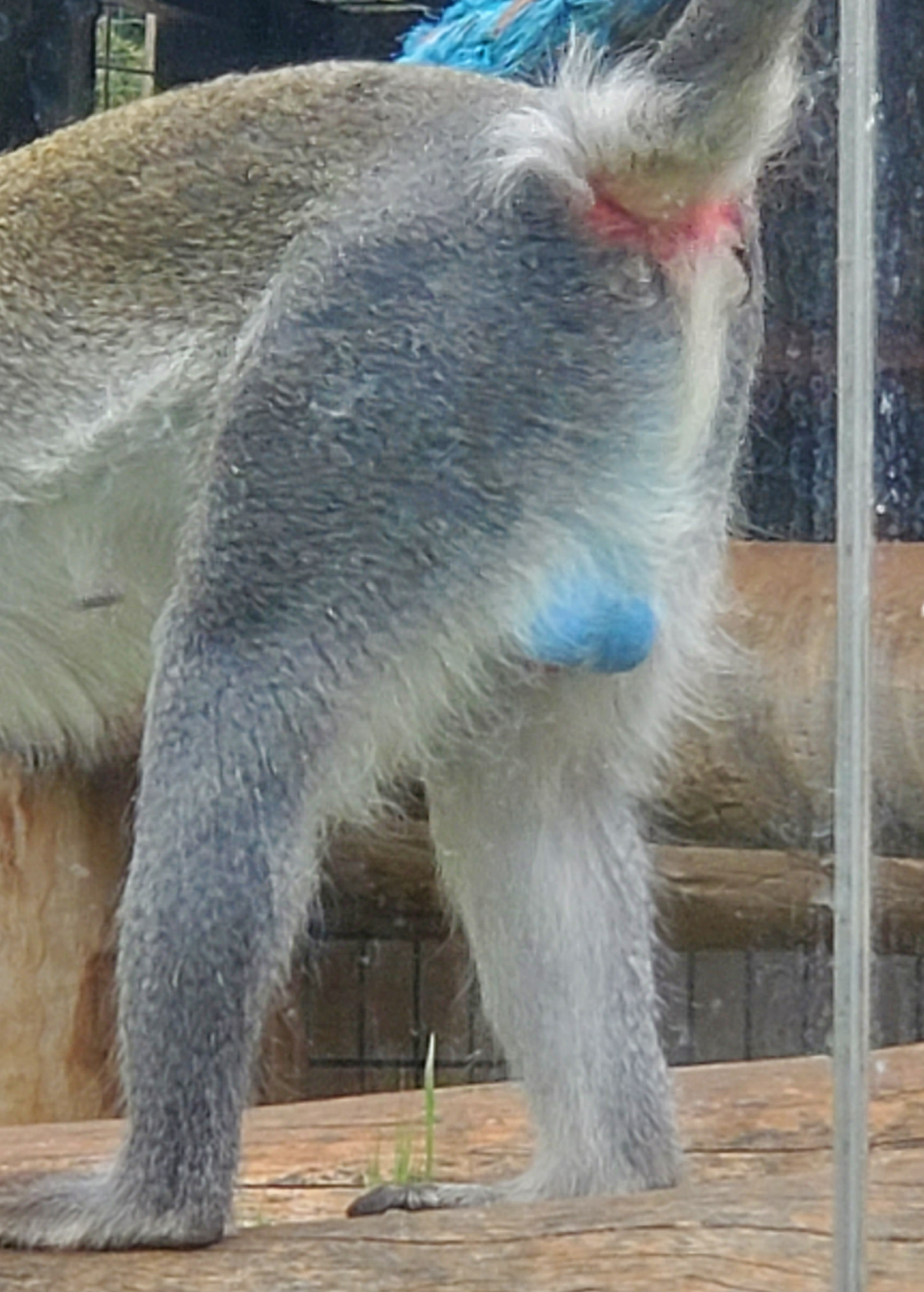
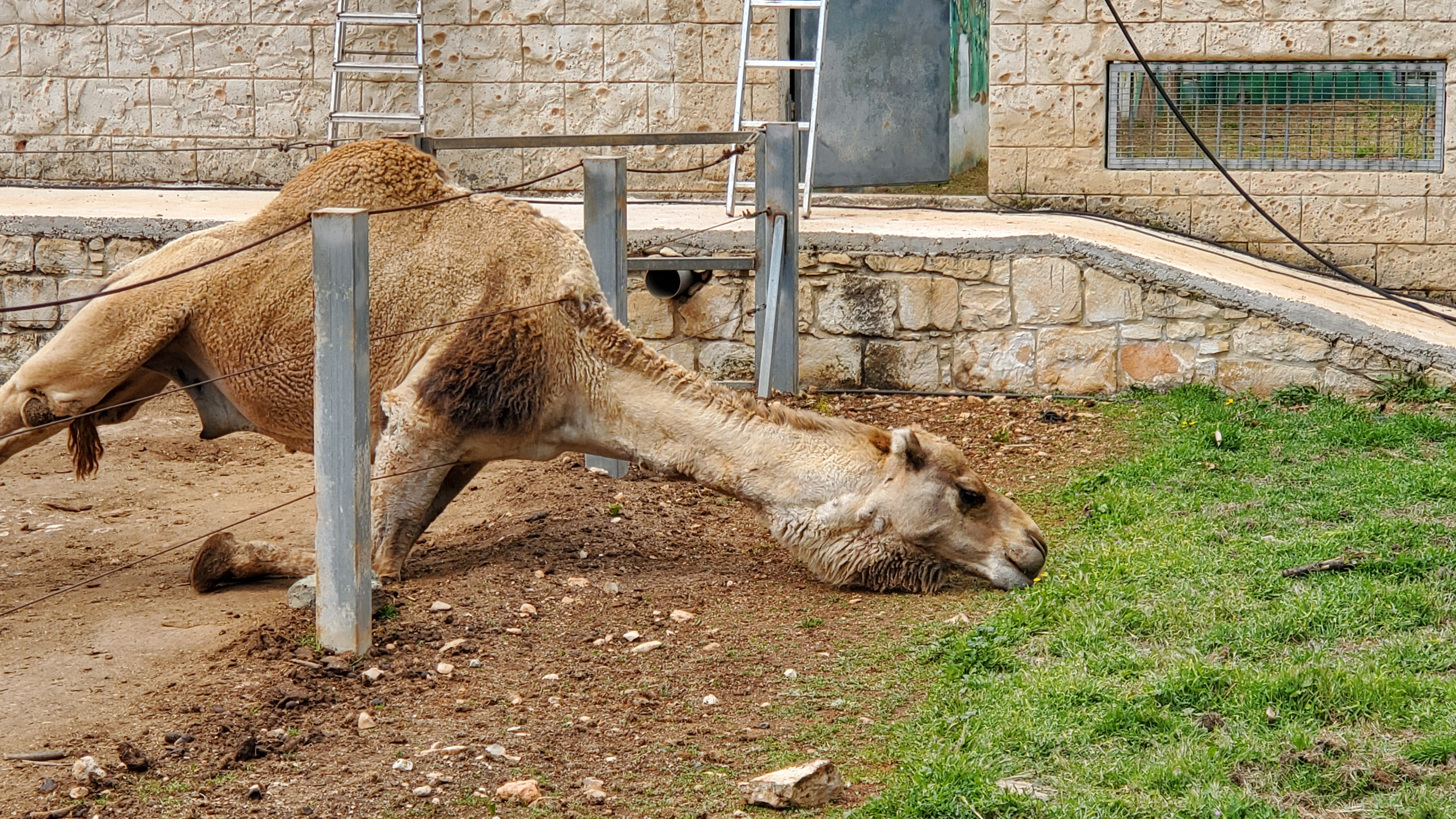
The Paphos Zoo was fantastic. I love amphitheater shows, and this one used all the fun birds to do tricks—macaws, parrots, owls. Piper is a delightful zoo-devotee. After she used up her phone battery, she took another 180 pictures on Wes’s phone, then borrowed mine and shot 150 more pictures. I will not subject you to them, but we did get to see a few of the animals we had seen in Kenya, albino wallabies, and a few marmosets that would have been snuck into Piper’s suitcase had we been able to manage the heist. I will agree with Wes on one point: the food at the zoo, from hamburger to hotdog to pasta, may have been the worst I’ve ever had, and that includes my own cooking.
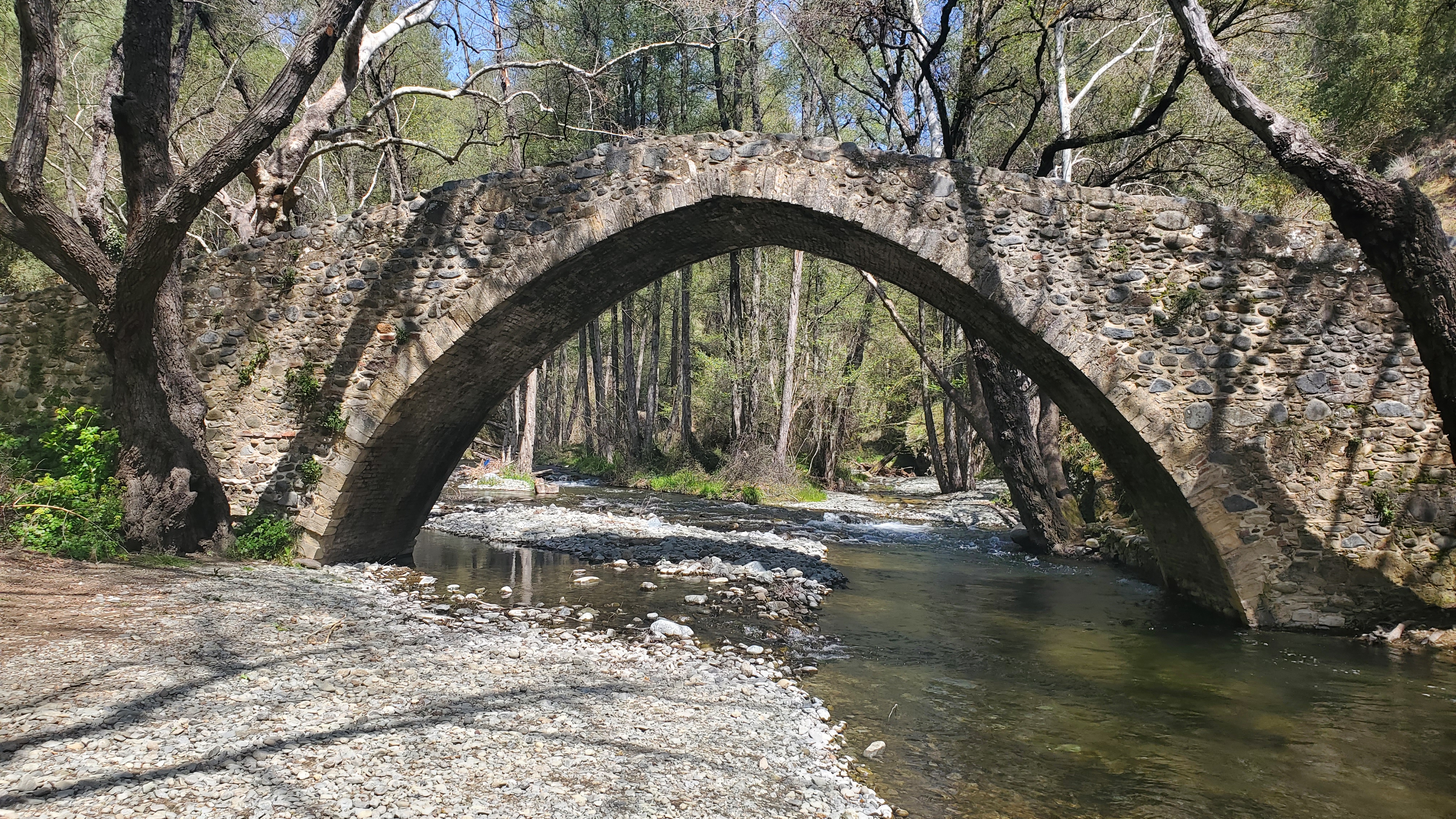
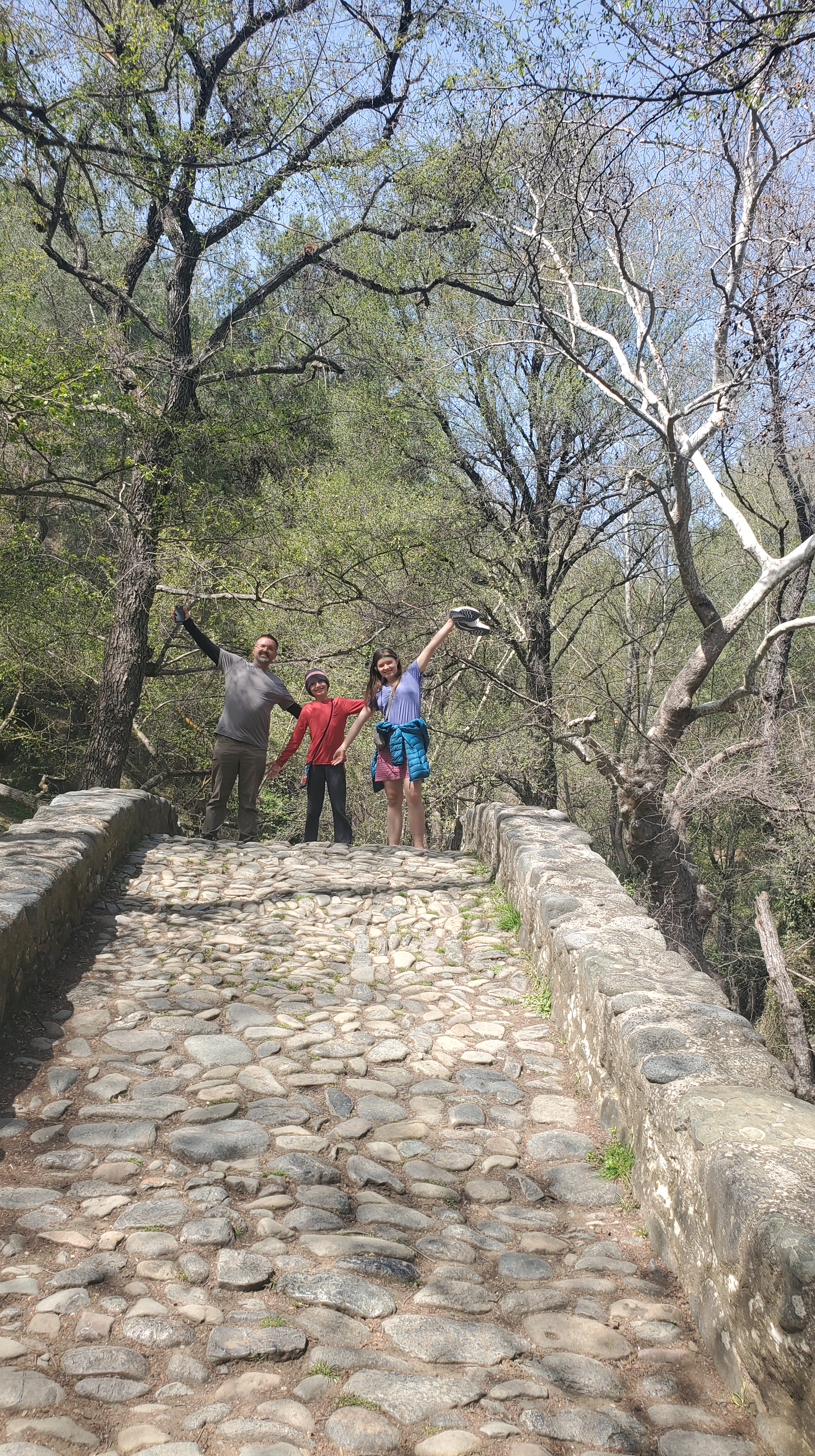
Today, I was too late to get us the mountain tour I wanted, but then I realized I had their itinerary and our own car. It was the perfect day (or as Wes likes to put it, the Worst Day of My Life), where we started by driving into the mountains and explored an old bridge. The girls and I did a short hike with lots of cute lizards.
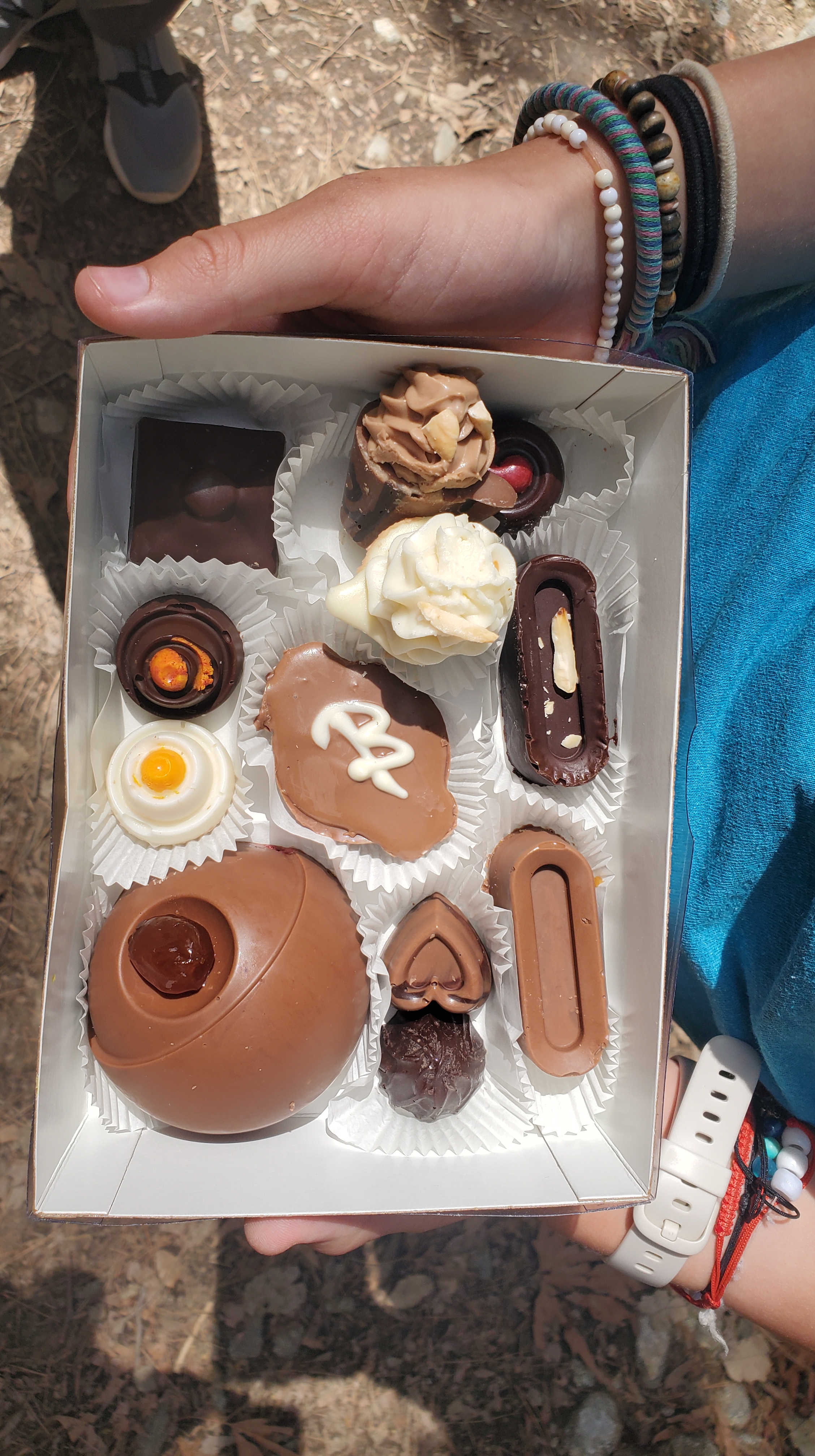
We hiked out to a beautiful waterfall and ate just-purchased handmade chocolates and PB&J***.
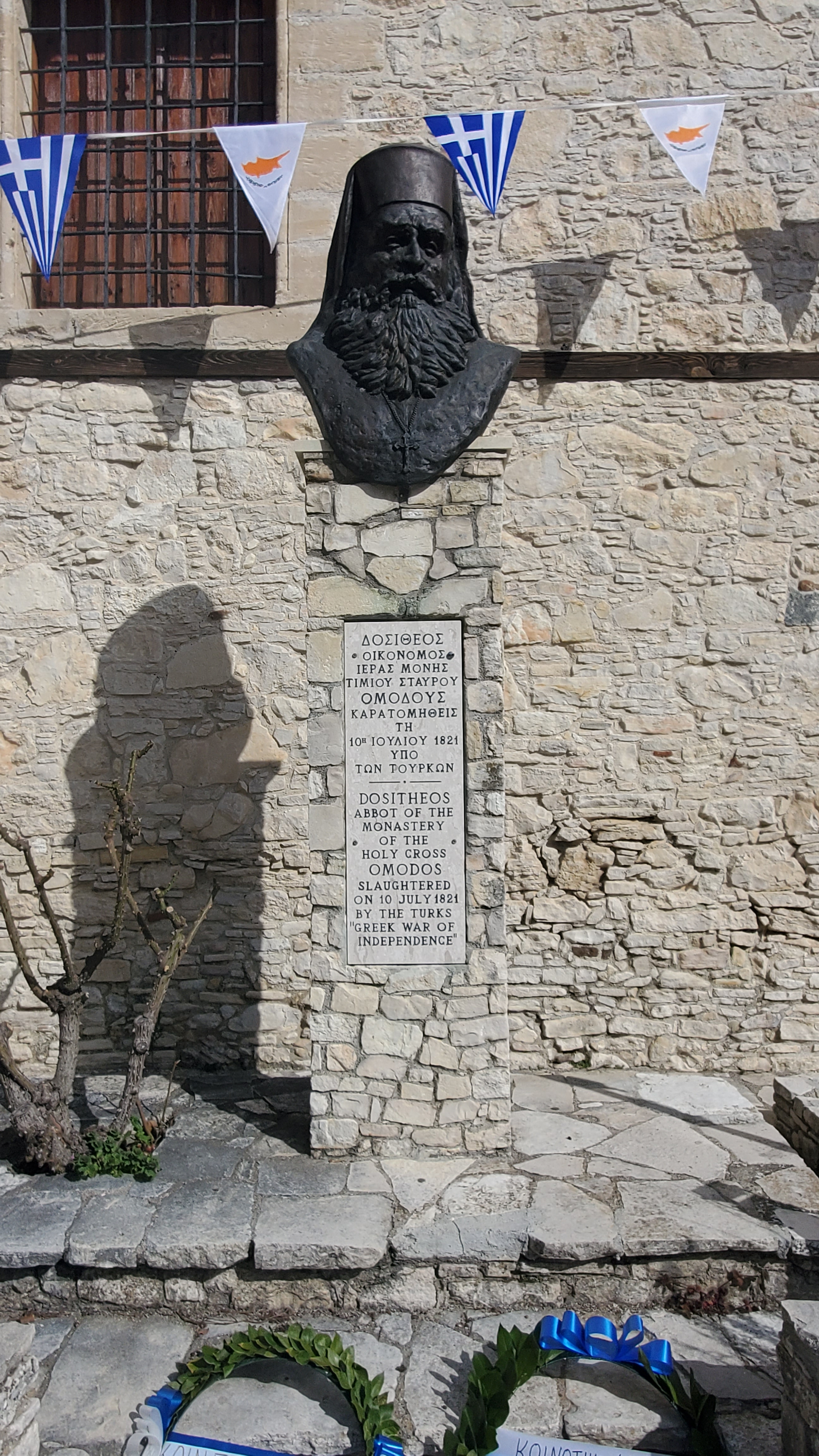
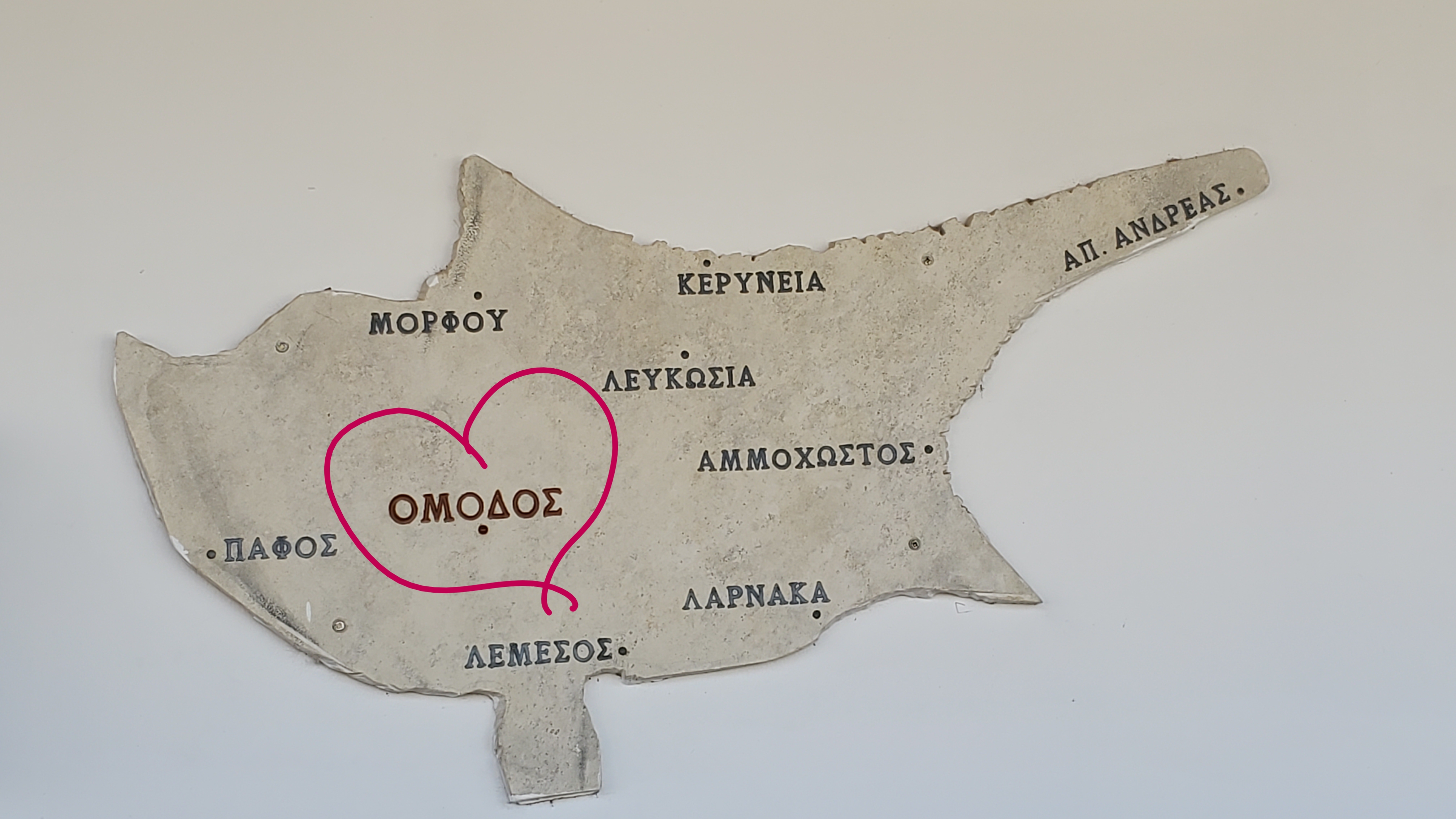
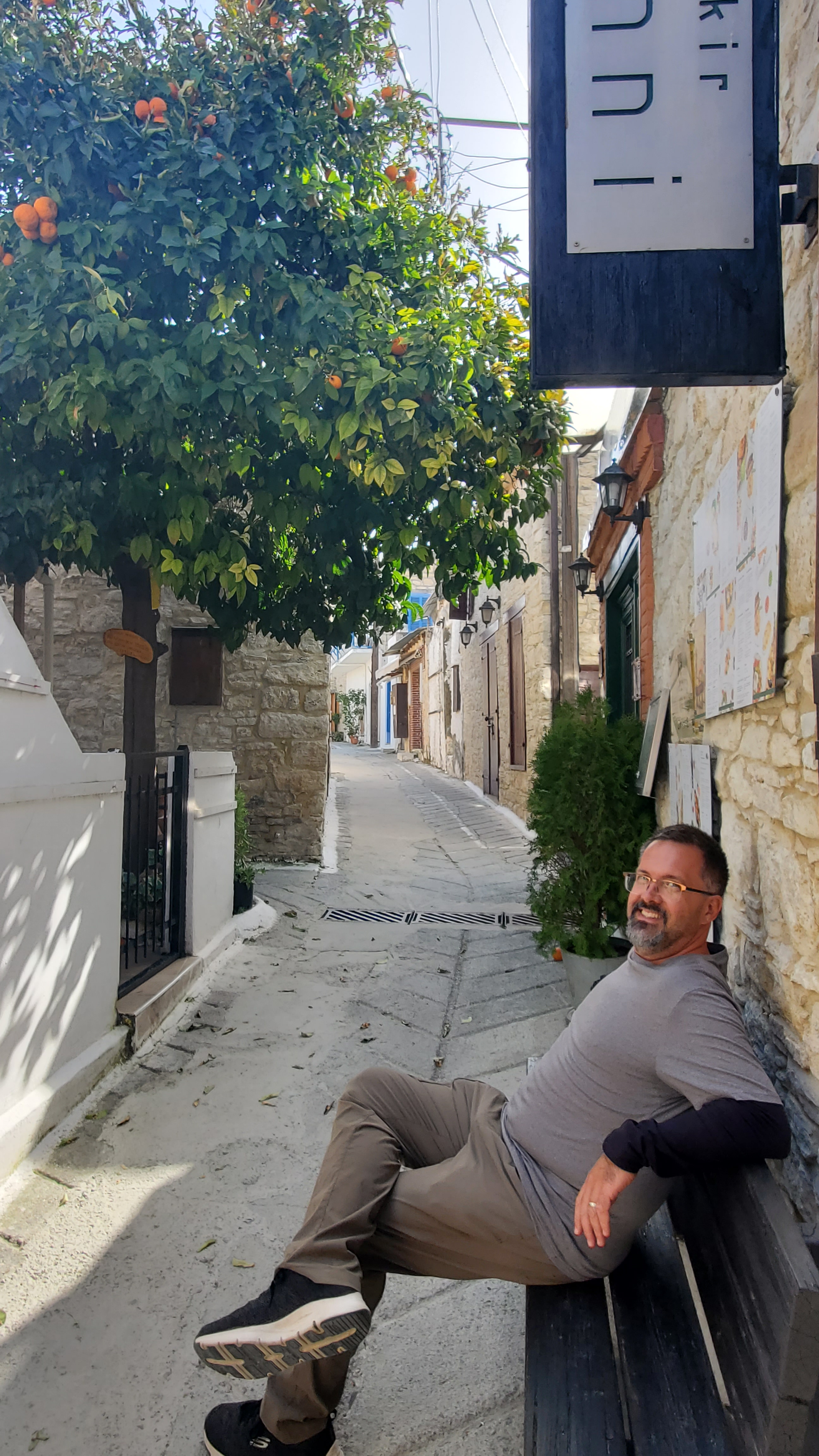
Then we stumbled across the cutest village that satisfied the kids’ ice cream cravings and my I-must-walk-all-these-adorable-medieval-alleys-and-monasteries fix. A note: Cyprus has a few small cities, and a couple of generous towns, and over 3,000 villages. Most are not quite as charming as Omodos.
From Cute Village, we did make it back to Paphos in time for Dwayne and the youngers to catch a showing of Turning Red while Kyla and I enjoyed the mall and coffee shop wifi.
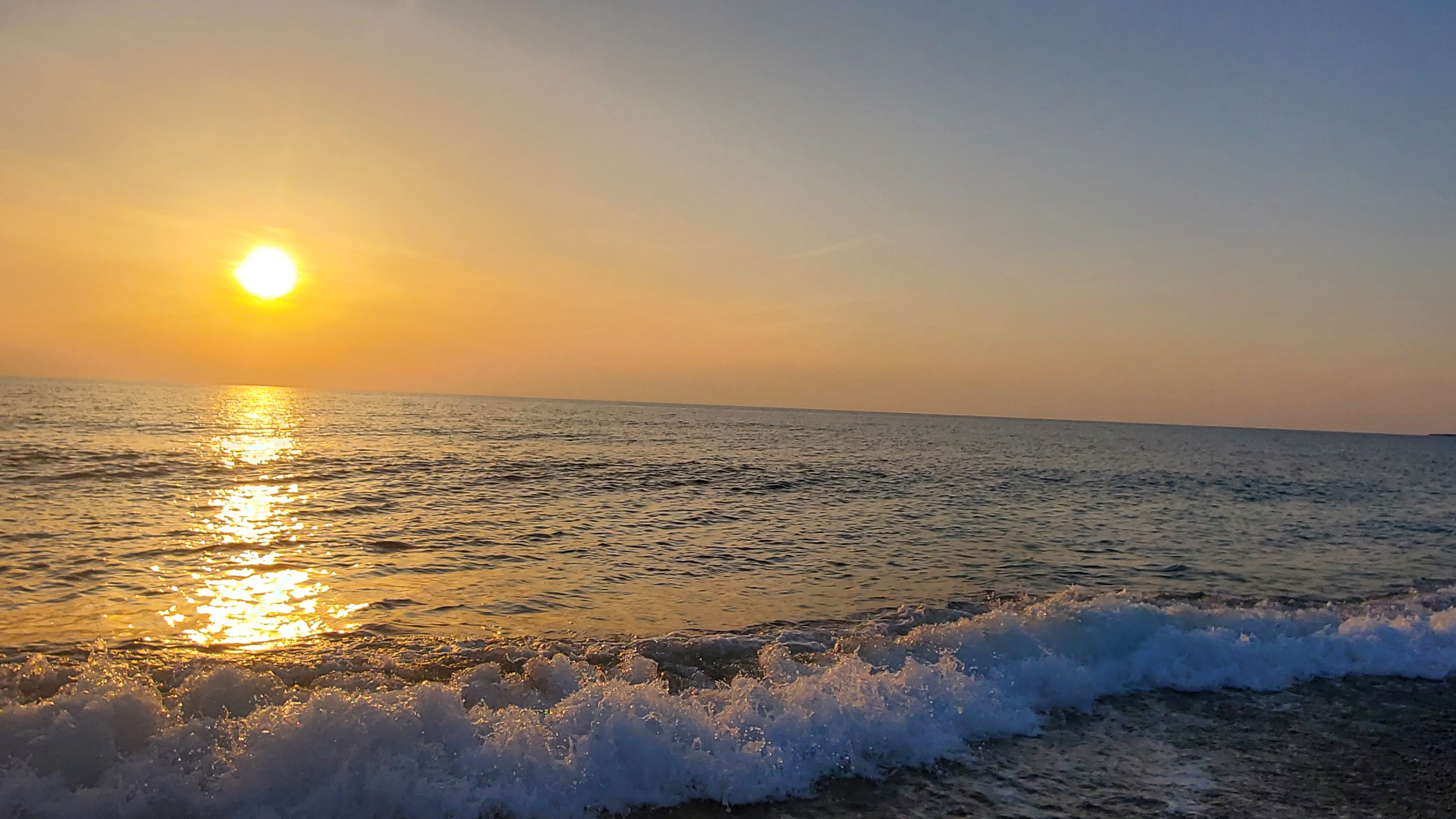
From squeezing fresh OJ from the villa orange trees to pink sunsets on not-yet-warm beaches, Cyprus has hit the right notes for a rejuvenating sort of adventure. More exploring tomorrow.
*Literally, “the Greek alphabet,” written in Greek.
** Malta wouldn’t allow travelers who had visited Egypt in the last 15 days, for Covid reasons. This is odd, because we didn’t need negative Covid tests to enter Jordan, and we had to prove vaccination status for every country we’ve been to so far. But Egypt was on their “cooties” list.
*** We even scraped enough creamy PB for Wes to have his preferred sandwich while the rest of us ate crunchy. Did he appreciate this small gesture? If you need me to answer this, you haven’t been paying attention. My poor son. I do need to be kinder, but while we were picnicking, he said, and I quote, “I don’t like anything.” Which I immediately decided needed to be translated into Latin and adopted as his personal motto. So, ta-da, I give younon amo aliquid.
After leaving the Dead Sea, we drove to Madaba (MAUD-dah-bah, fun to say aloud) for our last nights in Jordan. It is a jumping-off point for a few more sites of antiquity.
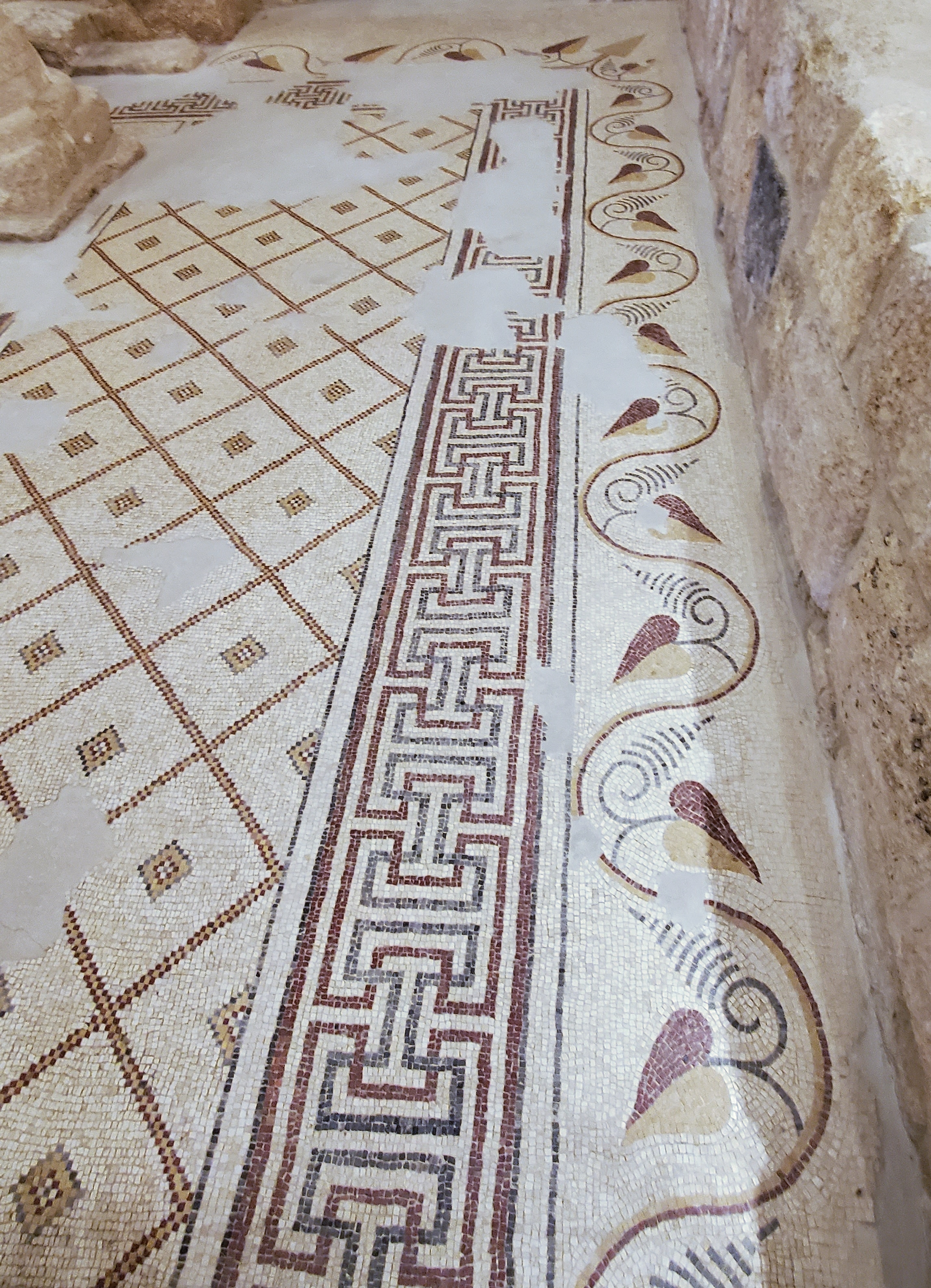
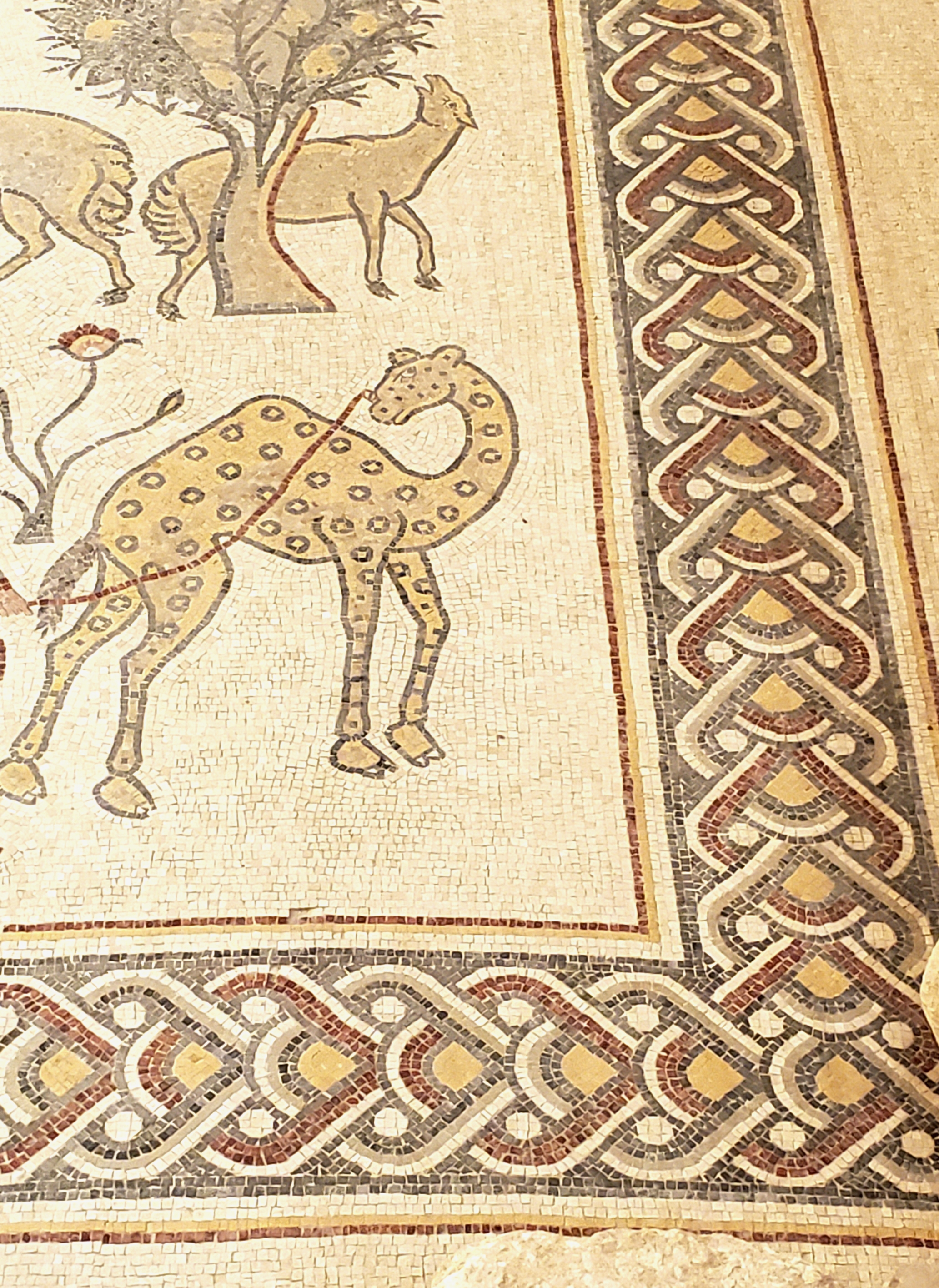
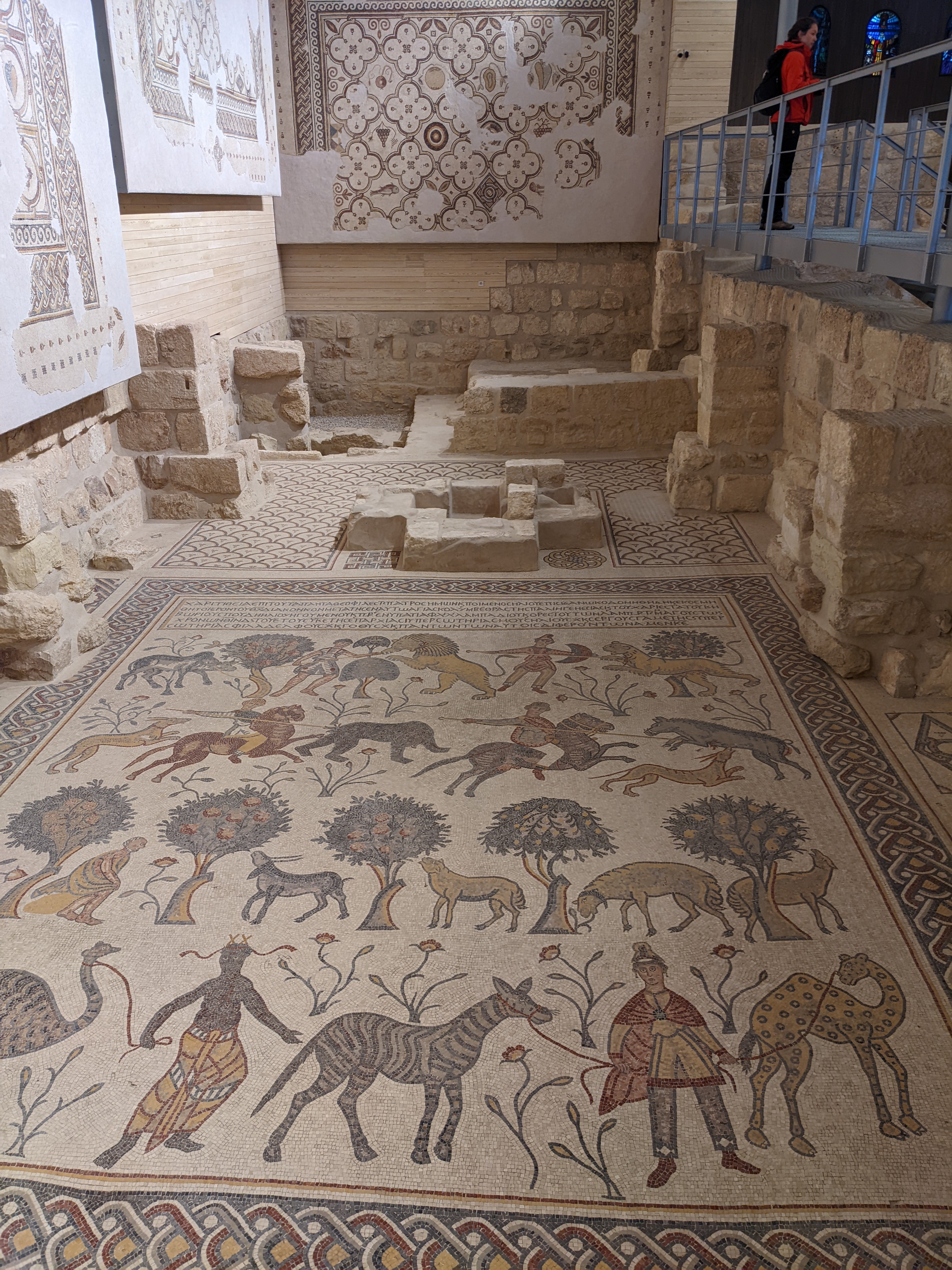
Mount Nebo is the site where Moses was allowed to look out and see the Promised Land after wandering for 40 years. (He should have demanded an upgrade. Costa Rica, Whidbey Island, even California —all much better places to live, if one enjoys non-dead oceans and abundance.) He also might (not) be buried here. What Mt Nebo is also known for, though, is the mosaics in the church. Actually, this was one of the highlights of what was going to be the Ancient Mosaic Hall of Fame. We had seen some in an ancient church in Petra, and Dwayne is already scheming how to incorporate a mosaic into his future chateau.
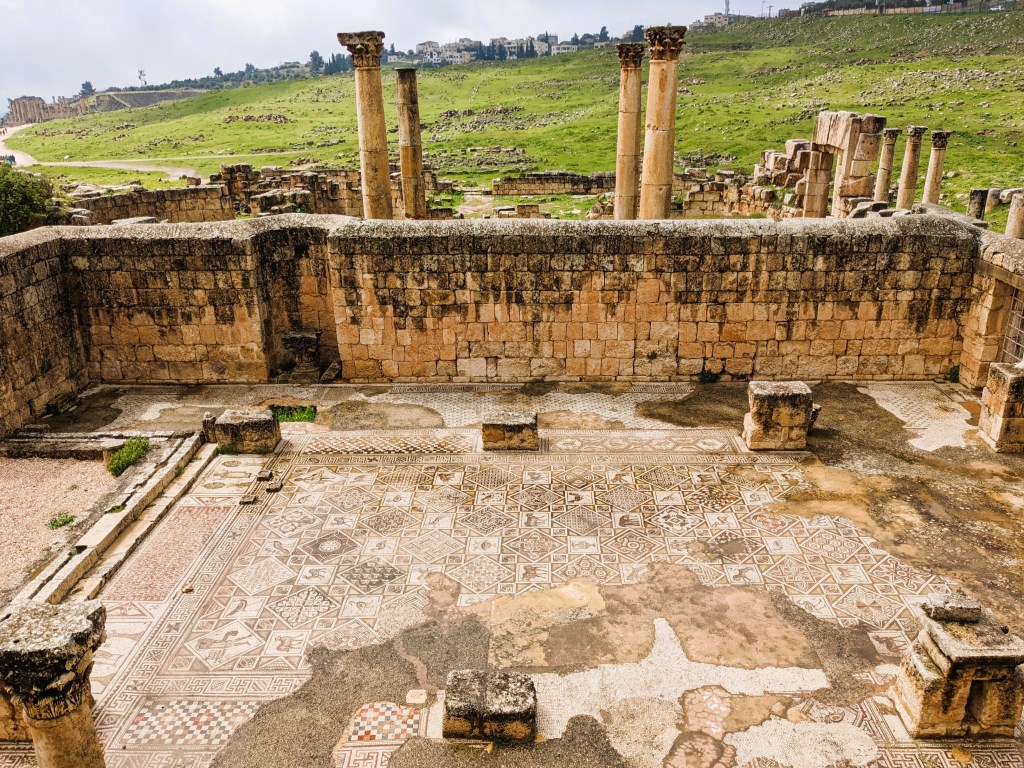
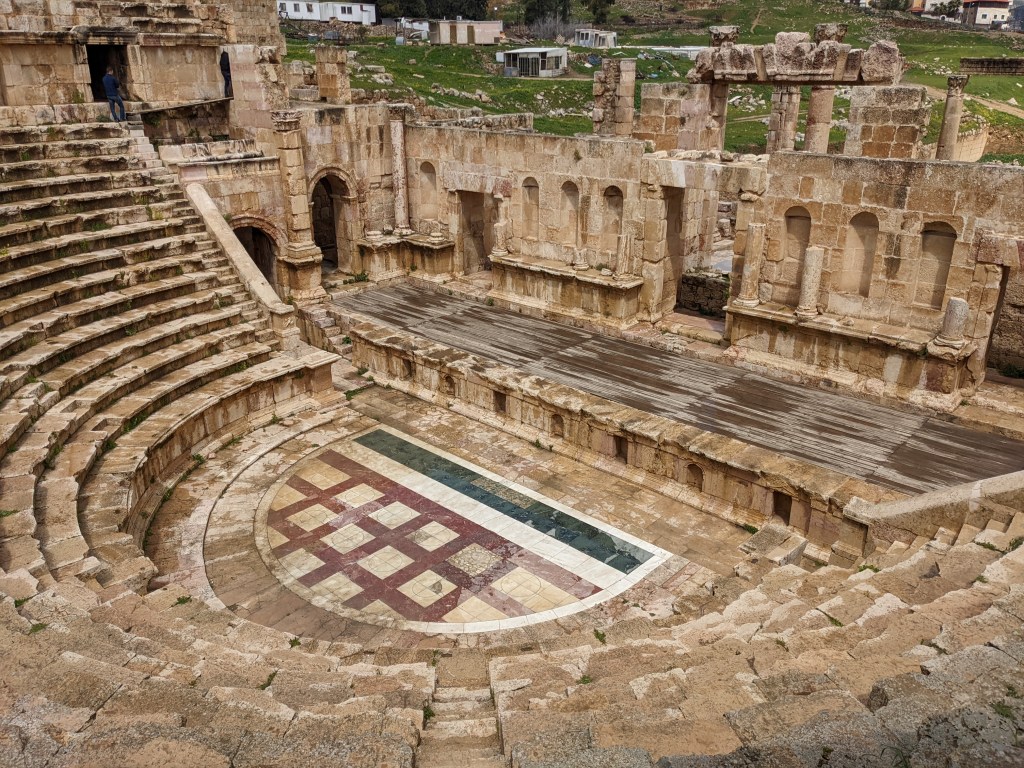
Jerash has some of “the best-preserved Greco-Roman ruins around”. If I hadn’t woken up with the worst cold in memory, and if it hadn’t been raining, and if my summer shoes hadn’t gotten irreparably soaked as soon as we walked through the gate…this would have been an enjoyable exploration. An intact main gate, two wonderful theaters, a colonnade, churches, more mosaics, even an original butcher stone from the marketplace—if I had had warm feet and a clear head, this probably would have been a highlight. I might have even bought a toga and reenacted my former life as a goddess.
The oldest humans remains found at at Jerash are 7,000 – 9,000 years old, but the architectural ruins aren’t older than 2,000 years. This is the remains of the main entry gate. The area, while certainly “ruined”, is truly well-preserved.
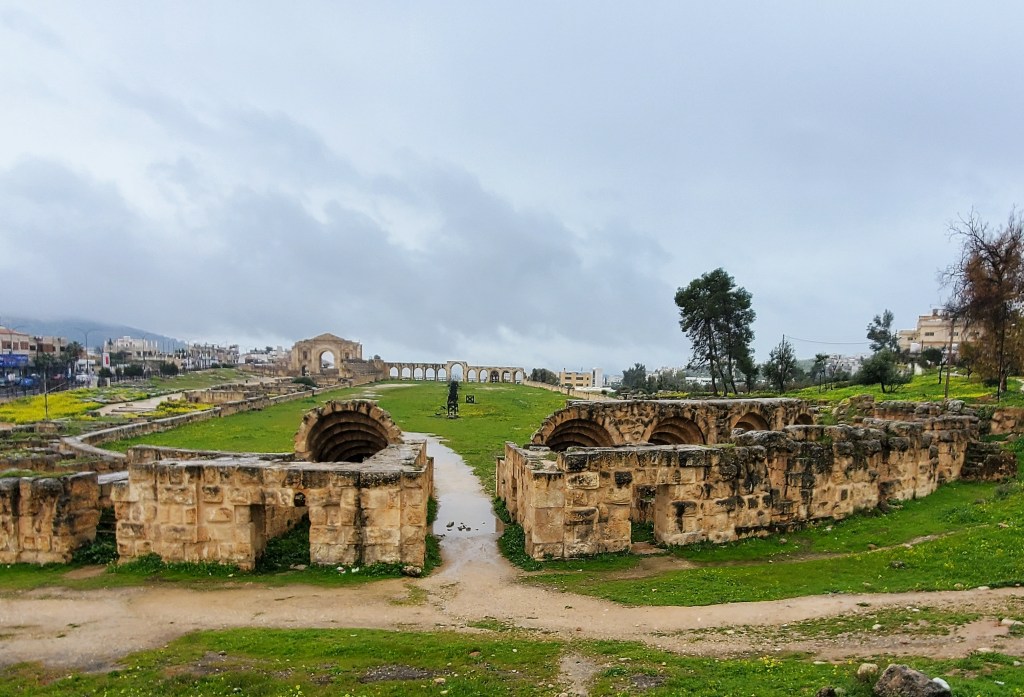
Those arch-tunnels were actually the supports for arena seating. The inside oval was basically a horse/chariot race track.
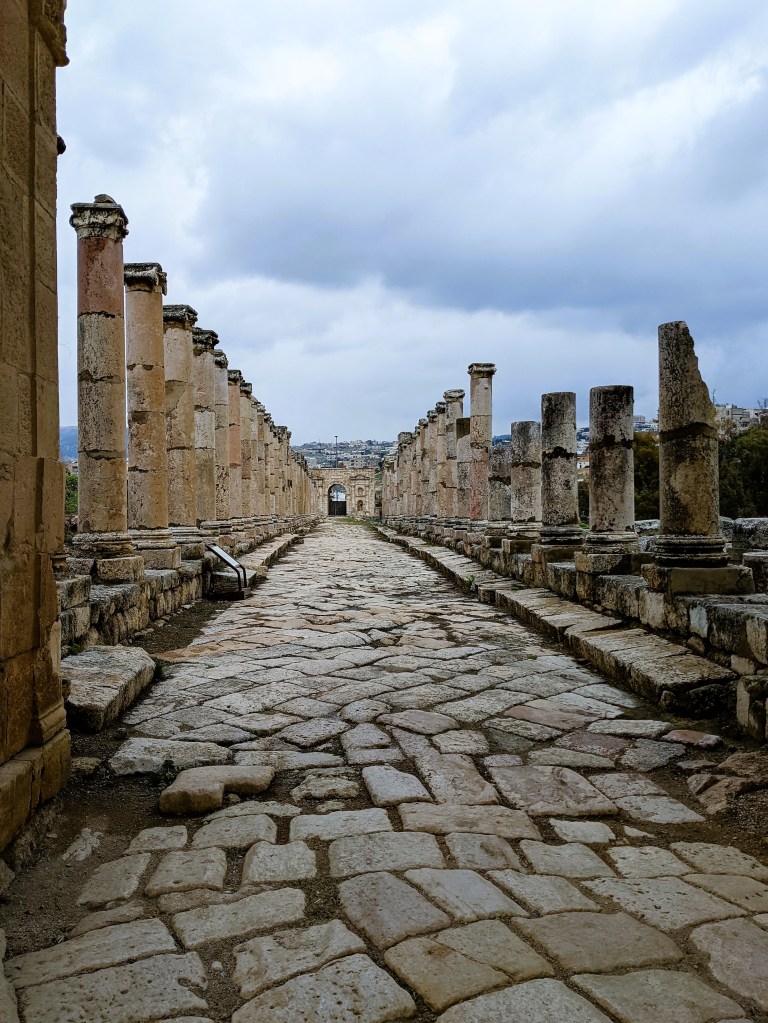
I don’t know how much of the colonnades had to be pieced back together again after 8th century earthquakes, but I’m impressed by how well I can picture what it may have looked like so long ago.
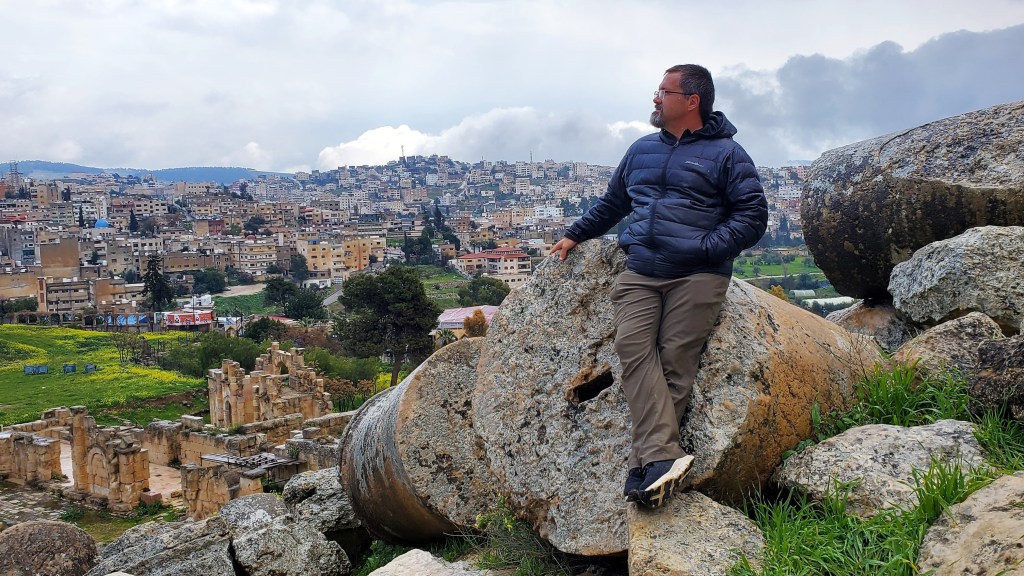
These columns have not been pieced back together again, but Dwayne looks good surveying his kingdom, yes?
Alcoves. Might become a new kink. It inspires so many possibilities.
The mosaics sort of survived by being buried after an earthquake, probably 1300 years ago.
The South Theater somehow retains some of it’s original colors. There’s an entire complex behind the scenes as well.
Odd to see flat stones across, as they are significantly weaker than an arch.
Some of the Roman roads had grooves from carriages taking the same path over many centuries.
Dwayne drooled.
You can see the two decorated stones that supported a butcher block in this old market.
The grounds are extensive–it was an entire city at one time after all. The sun did shine its way out of the morning rain and made for a pretty picture.
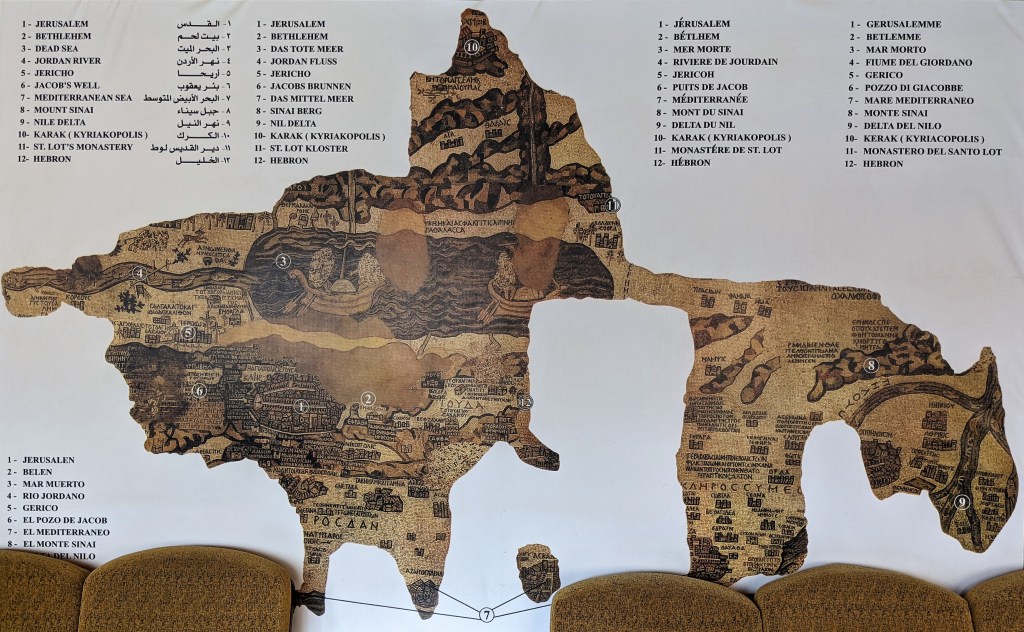
But I did not have warm feet and a clear head, so by the time we returned to Madaba and visited St. George’s Church, I was not inclined to be inspired by the sixth-century mosaic map of Jerusalem and the Holy Lands that everyone has heard of but me. The replicas of the map in the visitor center were much more impressive than the original on the church floor; even non-sick, non-wet Dwayne thought so. But we came, we saw, we nodded seriously and soberly, and I bought new shoes and went back to bed.
This is a replica, of course. The original was quite faded and not so lovely.
We stayed another day beyond the tour’s end to accommodate our cheap flight’s schedule to Cyprus. I think we really just spent time eating. On our last official night, our guide arranged for us to have denise fish (also spelled danis on at least one billboard) because eating denise sounded necessary. We over-ordered, as the youngers were not eating fish voluntarily, no matter what it was called.
They were a little more receptive to the donuts the next day, even if they came with the price tag of a walk around town.
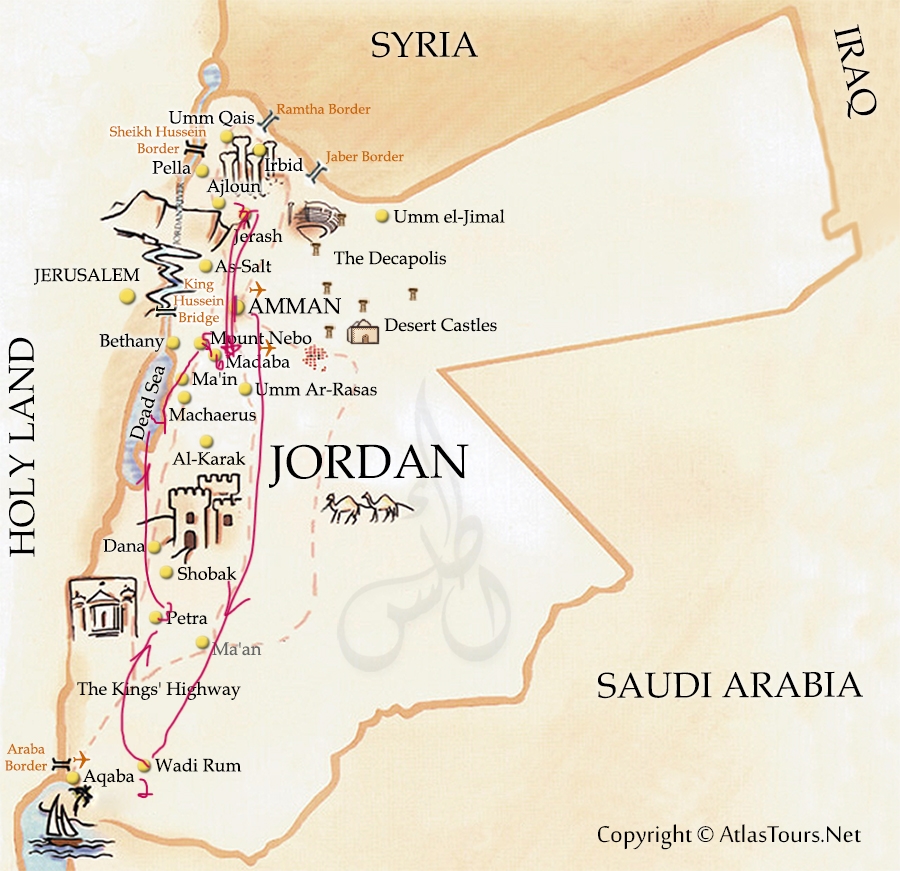
A few more rememberances of Jordan, starting with a map of where we explored.
This might be the only crosswalk in Madaba. It was like a live-action game of frogger. Of course, we have survived NYC, Nairobi, and, we’re still all surprised by this, Cairo, so we laughed in the face of Madaba’s pedestrian challenges.With heads and tails still on in the window display, one gets to remember that meat really comes from animals. A lovely courtyard of our last lovely restaurant.
I have struggled to get herbal tea in our last three countries, and usually had to choke down some awful caffenated Lipton whenever I ordered tea. I was excited to find mint tea on a menu in a beautiful restaurant. However, they just put fresh mint leaves…in Lipton tea.
Goodbye, Jordan! I’m not sure I’ll ever be back, but you showed me many wonderful things.
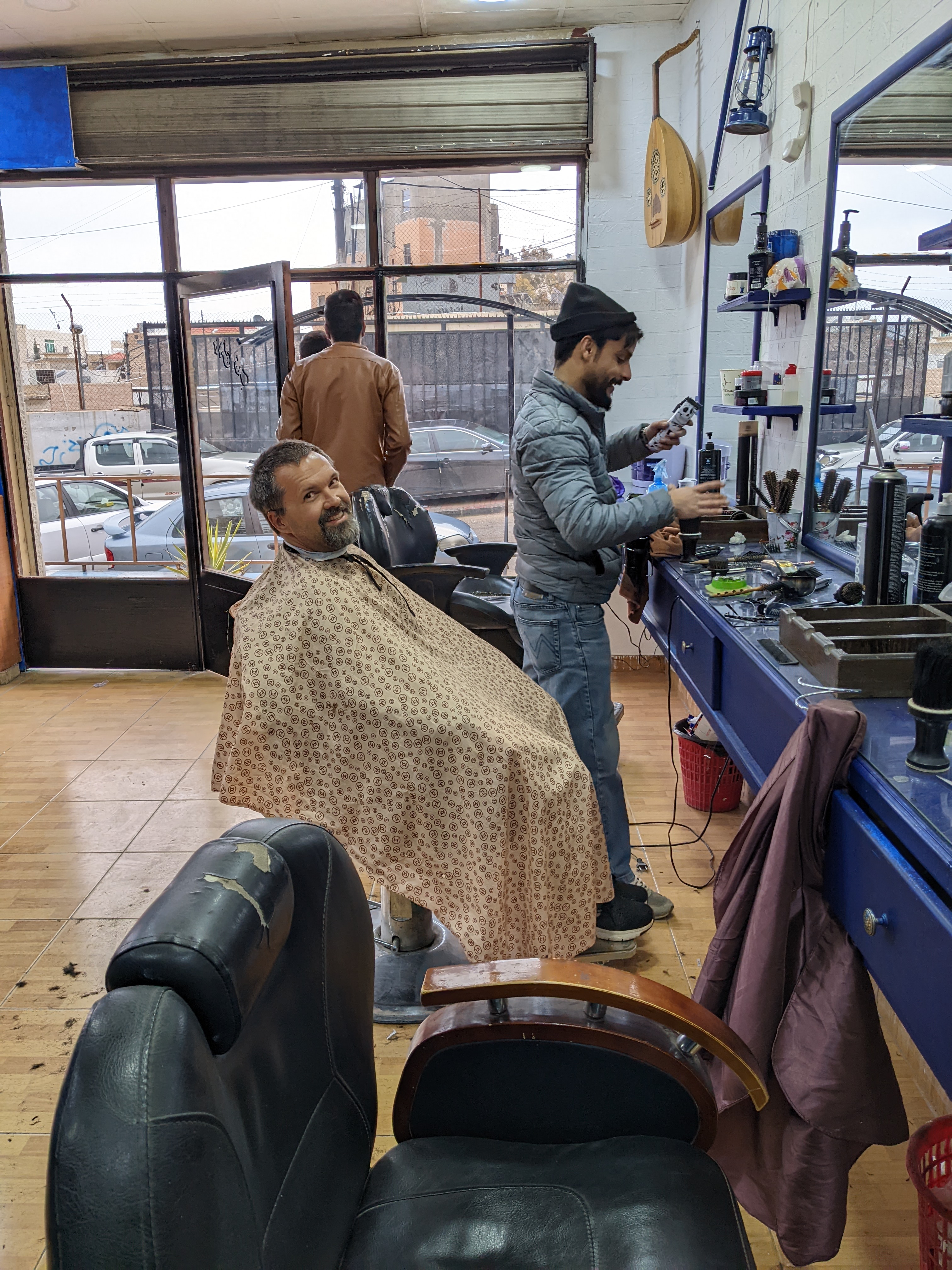
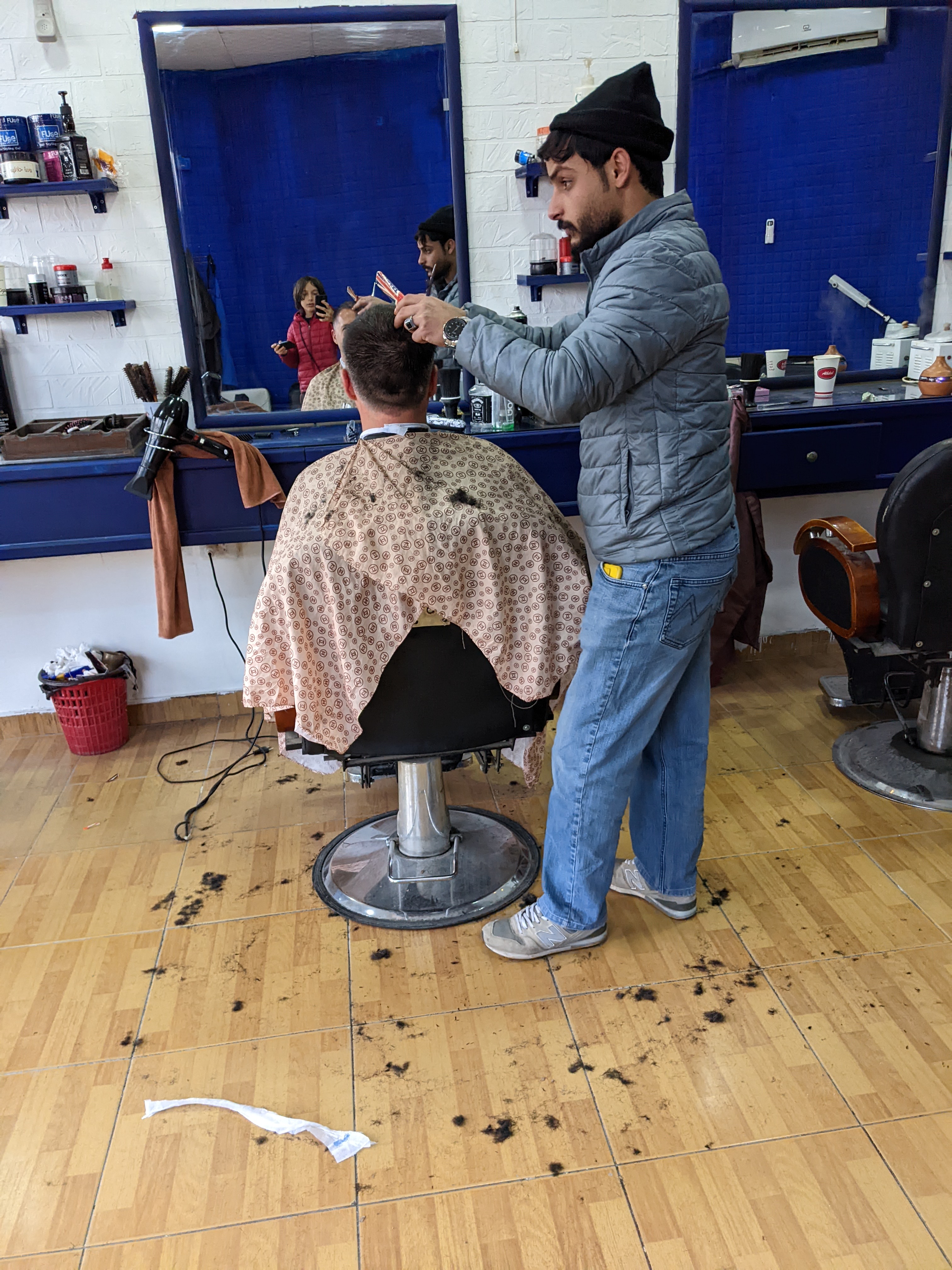
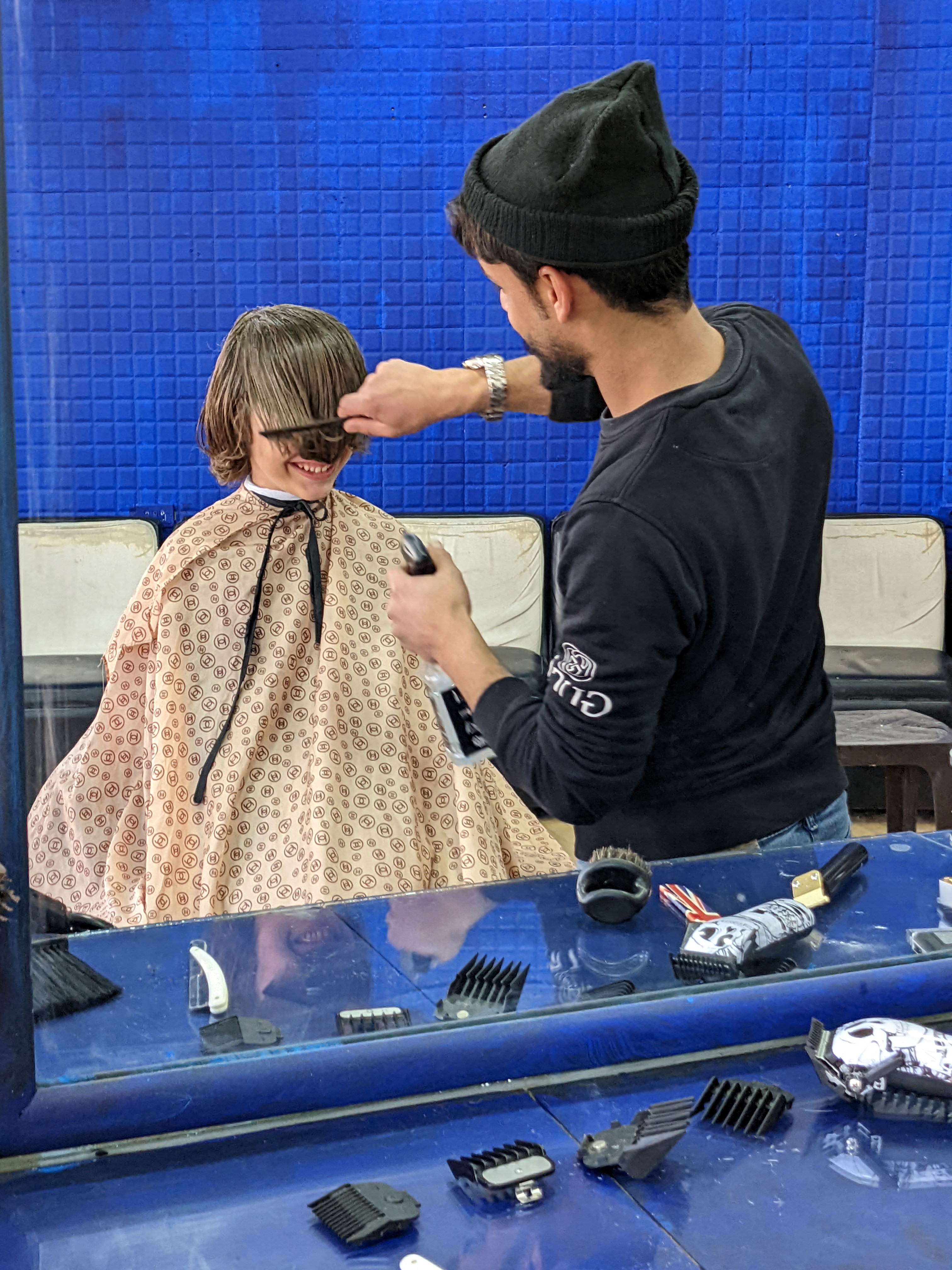
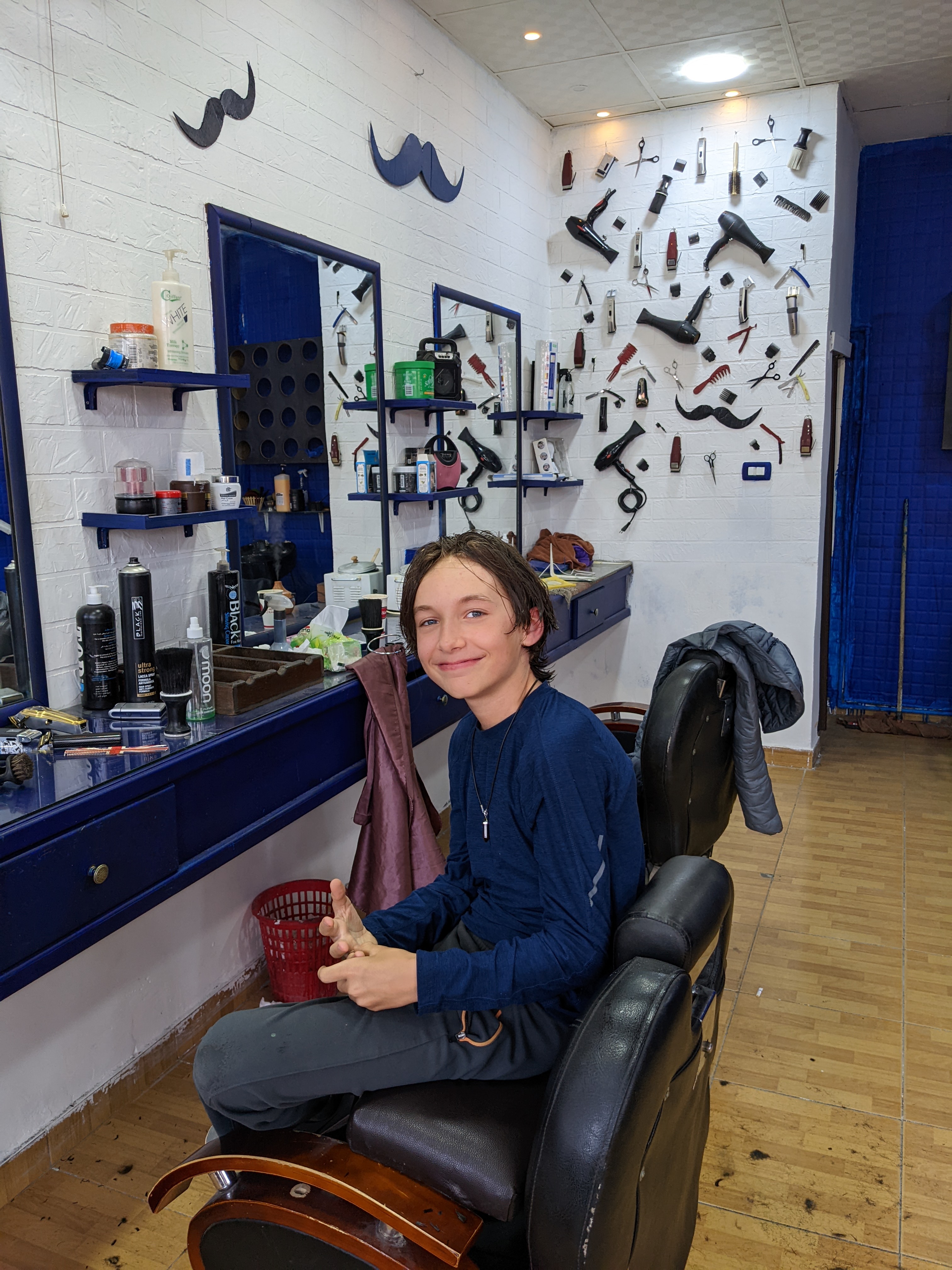
It had been over a month since we left, and Dwayne was getting shaggy. Wes was definitely shaggy and was actually asking for a haircut. We ended up in Madaba, Jordan, staying in the heart of this less-touristy town where there were 3 liquor stores and 4 barbershops on our street. For 8 dinars (about $10), both Wes and Dwayne came back trimmed and shiny. True to his hygiene habits, Wes’s hair was a bit gross, so the barber put some product in that Wes would be forced to wash out—with shampoo, no less—back at the hotel.
Side note: I think it is hilarious the barber smoked while doing Wes’s hair. According to our guide, Jordan has the highest number of smokers per capita in the world. [Bing insists that currently, Jordan is a lowly #6.] I could have sworn Egypt would be higher, but supposedly, Egyptians smoke everywhere but Jordanians usually smoke less inside touristy areas. (When we were sitting in the lobby of the fancy Pyramisa hotel in Cairo, I think I had more secondhand smoke in one afternoon than in my last 30 years of life.) And smoking in Jordan takes dedication; one doesn’t have a few cigarettes a day and call themselves a smoker. One needs to be able to quantify by packs per day. Again, our guide tells stories that seem unbelievable. Jordanians spend a third of their income on cigarettes. (Please, in a country that makes such amazing baklava?!?) Faisel’s own father finally gave up smoking when our guide was a child, and with the extra money, bought his wife a washing machine, his kids a TV, before going on to furnish the entire house with “normal” appliances, like a toilet, fridge, and oven. Faisel was really poor growing up, but much less so when his father quit tobacco.
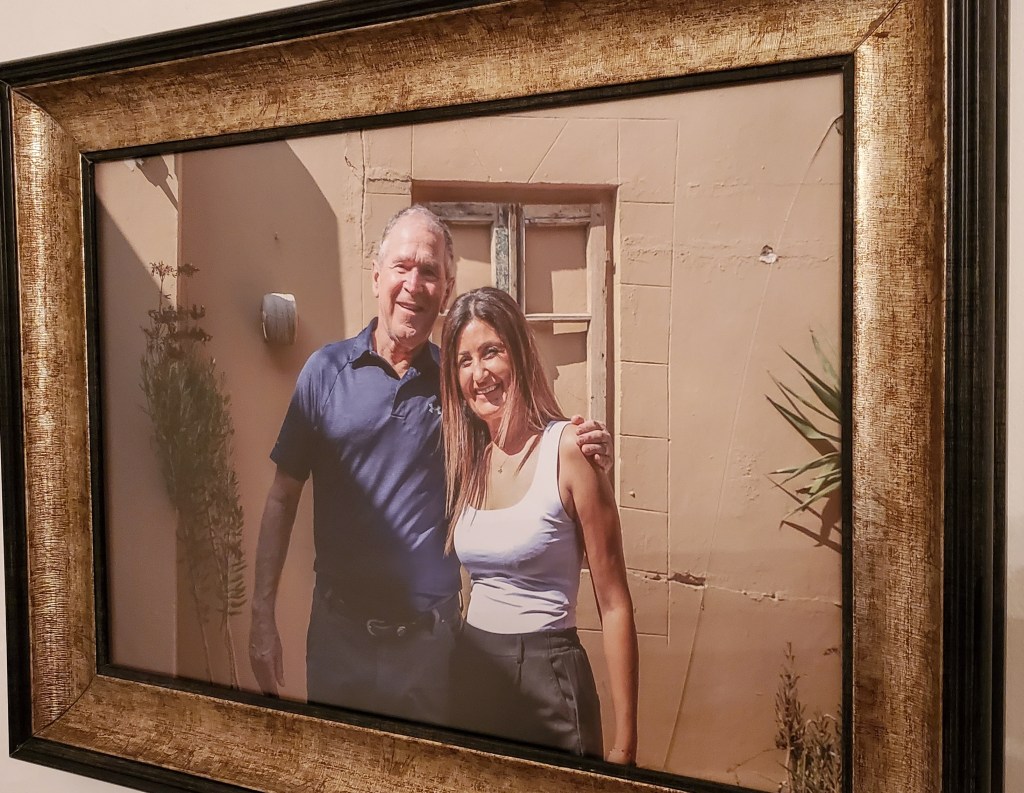
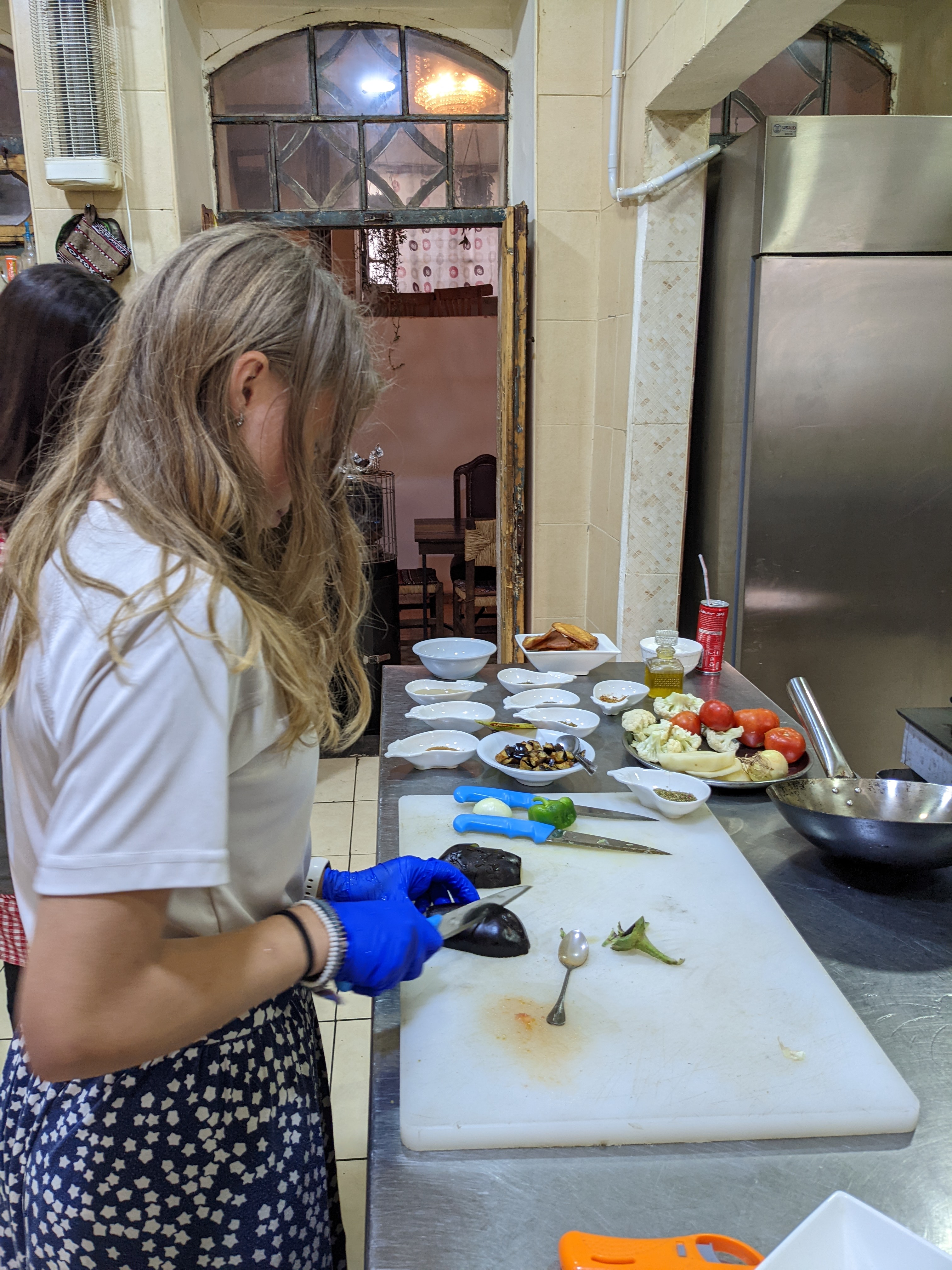
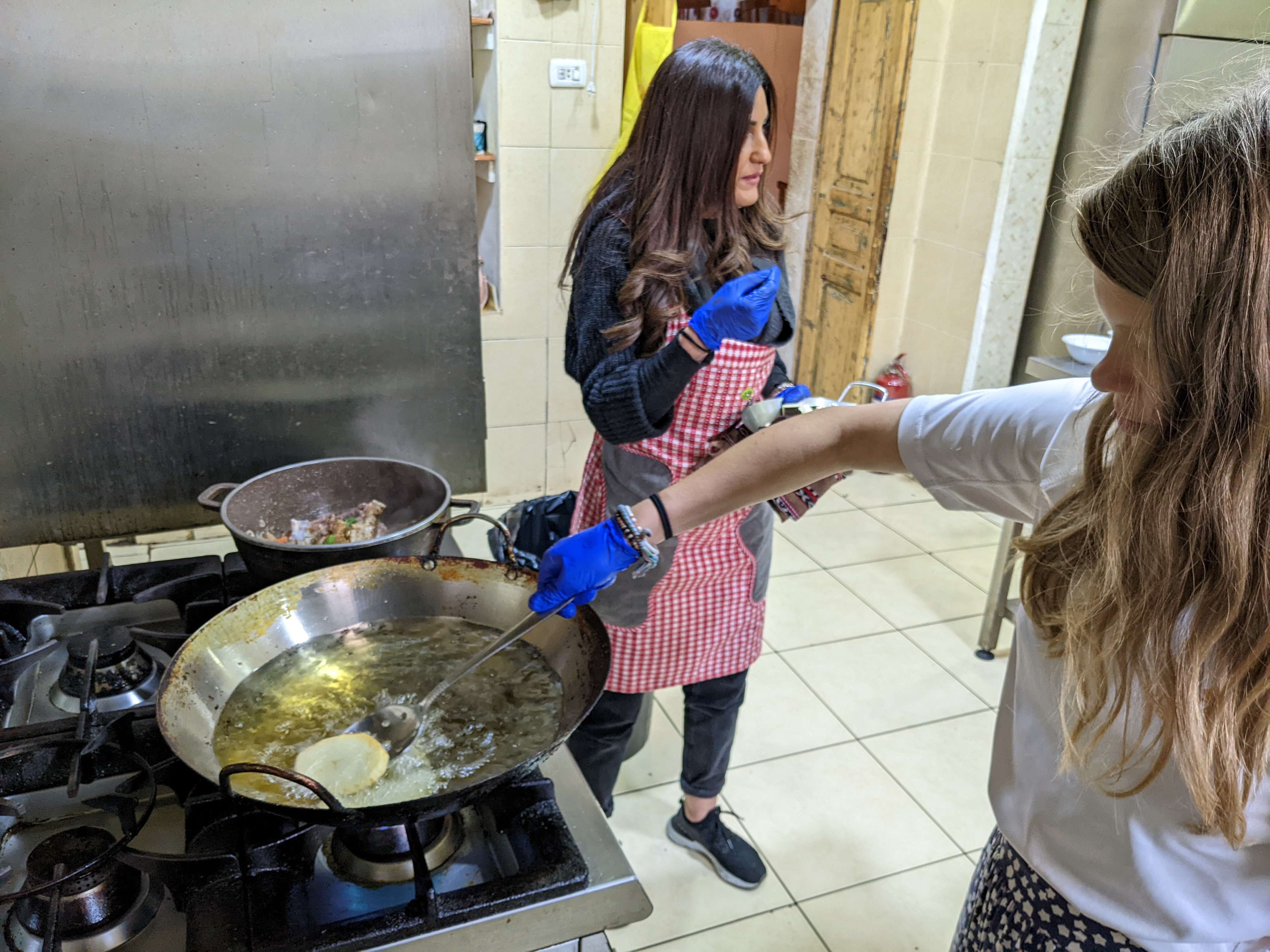
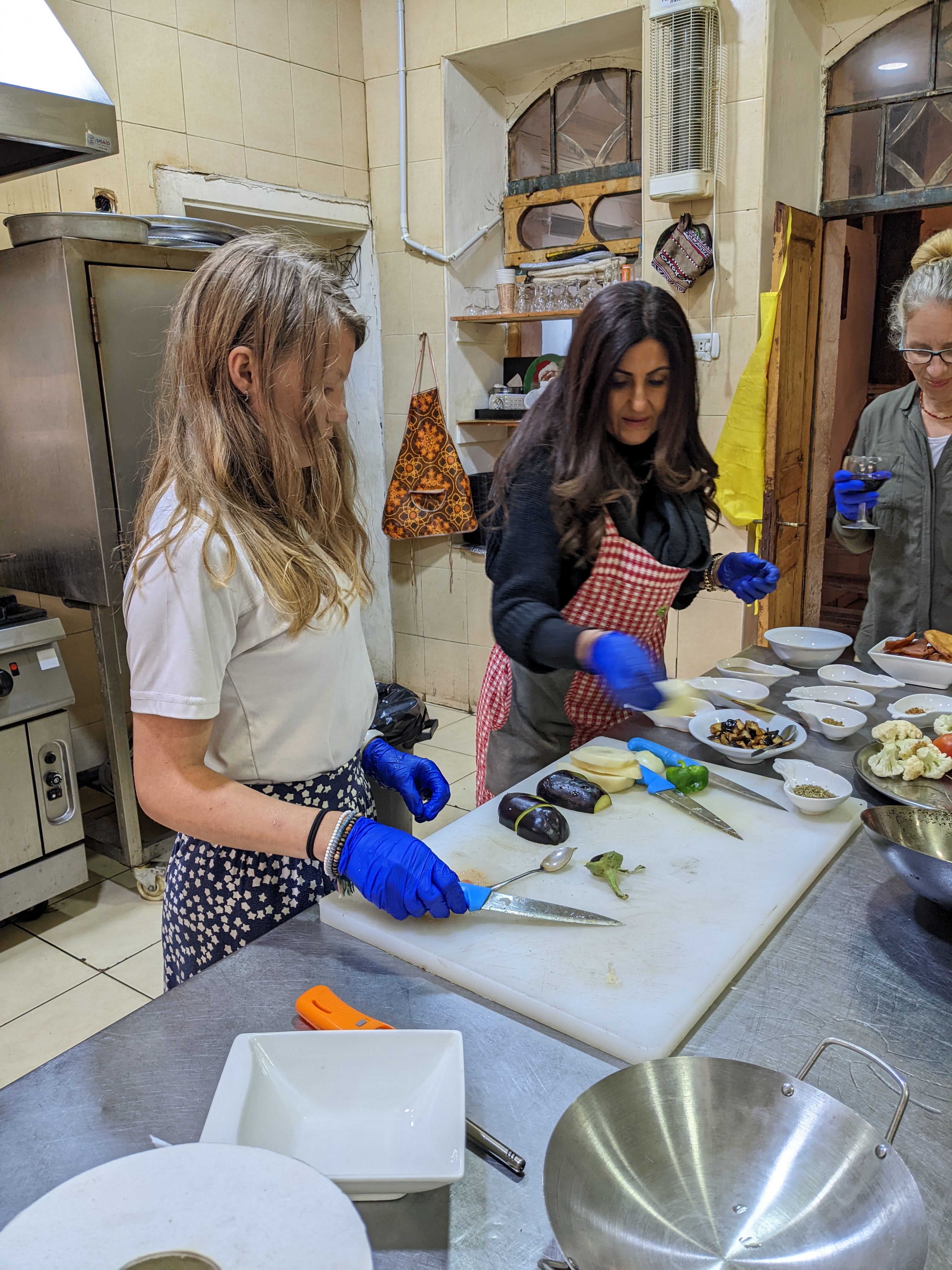
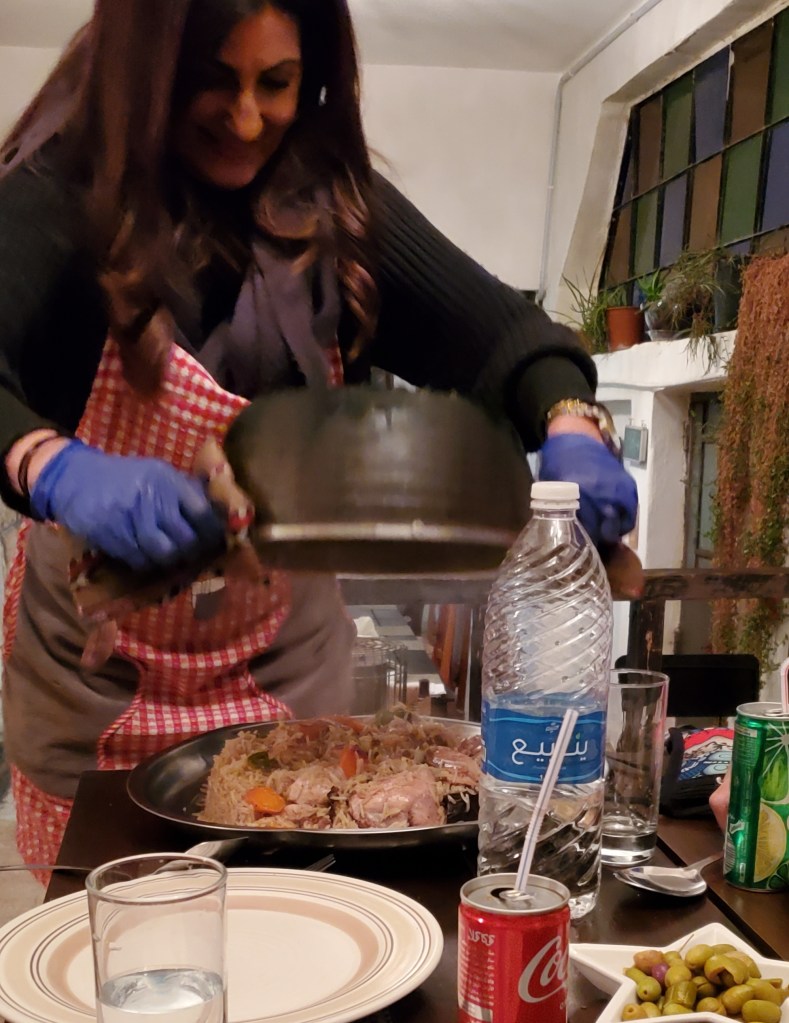
Our tour guide knew a woman who ran a restaurant/cooking school for travelers. She actually received a grant from USAID for a full kitchen and has her picture with W and Laura Bush to celebrate the event. Dwayne and I took the cooking class with Piper, which meant I drank wine, Dwayne took pictures, and Piper actually learned how to make a delicious main course that cooked up veggies and chicken before covering the pan with rice to simmer, and then flopping the entire pan upside down on a platter to serve. Using chiles and cinnamon, the secret is definitely in the special seasonings, and most notable, all five of us loved it! Piper has packed the seasoning mix to make this dish for Grandma and Grandpa when we get home.
Jordanians don’t just put one dish on the table: A little dish of olives, another of hummus, eggplant and roasted tomato dips, pita bread, fried bread, another salad, and then even more tiny little bowls that make you feel wasteful when so much is still left on the table and your stomach can only hold the two little cookies your hostess serves after the bill is paid.